Happiness Isn't Brain Surgery: Common Issues and Interventions -A Quick Start to Self-Help
Dr. Dawn-Elise Snipes covers practical fixes for depression and anxiety: sleep routines, diet changes that boost serotonin, and how to separate what you can control from what you can't. She walks through a 3-step pre-sleep routine and tracking small wins in a 'hope chest' to fight hopelessness.
Chapters
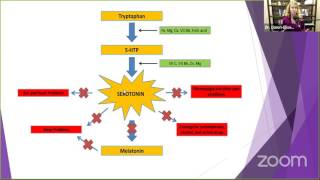
Sam. Welcome everybody. Happiness Isn't brain surgery Common issues and interventions with co occurring disorders this is part two. In the first section we talked about what co occurring disorders are and the problems that people may face when they are dealing with co occurring disorders. We also talked about issues such as turning off autopilot and so sort of checking in with yourself and becoming more aware because you can't figure out what you need to address until you figure out what's causing your distress. In this section we're going to start moving on to some interventions. So one of the first and maybe easiest ones to start looking at is sleep. Sleep is disrupted by addictions, mood issues, physical pain and poor nutrition, among other things. You know, if you sleep with a dog in the room, which I do, sleep with multiple dogs in the room, it can keep you up. But what we really want to look at is what do you need to do to improve the quality and quantity of your sleep? Because just quantity sleep doesn't necessarily make you feel rested or help you feel any better. Sufficient quality sleep, which means getting that deep, restful sleep improves your focus and concentration, your energy, your hormone balance, your appetite and your mood. So you might be thinking, well, score, I need to take a nap right now. What we want to do though is make sure that sleep is actually occurring when the times is supposed to occur. Because if you're sleeping all day long, your circadian rhythms are going to get all wonky. If you happen to be a night shift worker, that's one of those sort of special case scenarios you want to try. And I know it's difficult if you've got families, but you want to try to maintain that schedule even on your off time, in order to prevent your circadian rhythms from getting out of whack, which will impact your mood, your sex hormones and your appetite. So all those are pretty big issues. What can you do? Set a three step sleep routine. What does that mean? That means about an hour, hour and a half before bed. Do roughly the same three things every single day and think about with your kids. We've all done it with little kids. They come home, they play for a while, they eat dinner, they take a bath, they get a story, they go to bed that cues their brain in to start producing melatonin so they can get to sleep. So three steps, not huge. And it can be pretty simple stuff. I mean, whether you read a book or I play checkers on my tablet, whatever it is, that helps you kind of wind down and relax at the end of the day and on the Weekends, you want to still try to do sort of the same thing. It's not always possible. Sometimes you're going to, you know, go to a Christmas Eve party and stay out late. You know, those are the exceptions. But 95% of the time you want to try to maintain the same sleep routine so your body knows what it's doing. Eliminate caffeine, nicotine and alcohol before bed. Caffeine stays in your system for 12 hours. So it is now 10:30 Central Standard Time. So any caffeine you're drinking right now is still going to be in your system at 10:30 tonight. And, you know, I go to bed early and I get up early, but so that means that the first couple of hours that I'm sleeping are going to be inhibited because I've got caffeine in my system. Now, nicotine doesn't stay in your system as long, but it is a stimulant. So be aware if you smoke or if you use chewing tobacco or any source of nicotine, be aware that it could keep you awake or inhibit your sleep. And alcohol is interesting because initially it's a depressant. So a lot of times it makes people sleepy. So they think having a few drinks helps them relax, helps them get to sleep. That's true. It helps you kind of drift off to sleep, but it impairs the quality of your sleep and it also suppresses your breathing, which can make sleep apnea even worse. So alcohol before bed, not a great idea. Sleep aids medications for the treatment of sleep disorders are there and they help you drift off to sleep, but a lot of times they reduce deep sleep. So you're not going to wake up feeling rested and refreshed. You're just going to wake up and, you know, so whether you're taking something that has diphenhydramine, which is basically Benadryl in it, or you're taking something prescription, talk with your doctor about whether that particular medication will reduce deep sleep. Try guided imagery or at least thinking about something non stressful. I know when I lay down, my mind will go a million different miles and directions. So sometimes I need to harness it and say, okay, we're going to think about. And I choose something relatively non stressful. Usually it's either something about rearranging the house, the furniture in the house or something, or how I'm going to plant my garden and what I need to do outside for landscaping. Those are things that incorporate all my senses. They're things that I like to do. They're things that I can Think about. And it keeps me focused from thinking about some of the stuff that might trigger my anger or anxiety and keep me up and address pain, allergy and apnea issues that wake you up. So if you've got things that, you know, wake you up, see what you can do to address them. You know, I have a bad shoulder and I know that I need to sleep with a sleeping pillow and I need to take my ibuprofen before bed. You know, there's a whole list of things I can do when my shoulder's acting up, and I need to make sure to do those, because if I don't, my shoulder is going to wake me up four, five, eight times during the night, and then I'm not going to be rested and refreshed and I'm going to be a cranky pants. So sleep is one of the first things that you can really start looking at and making changes in, because most adults have really crappy sleep habits. And I have other videos that go way into the weeds, into depth on ways to improve your sleep. But the biggest thing is start that sleep routine and cut out the caffeine. Yeah, that one is hard for a lot of people. Which moves us on to nutrition. More than half of the population is meeting or exceeding the total grain and protein food recommendations. So that's good. But a lot of times the grains they're eating are so refined, they've been stripped of most of their nutritional value. Then vitamins sprayed, literally a liquid spray sprayed back on them. So we're just like basically eating multivitamins. Does it get you the vitamins? Yes. Is it in the ratio that makes it most bioavailable way nature provides it? No. Fortified grains and cereals are definitely better than nothing. But do pay attention to what you're eating. About three fourths of the population, though, has an eating pattern that's low in vegetables, fruits, dairy, and oils. Now, oils, more important here is omega 3s because they reduce inflammation. But what I'm talking about here really is vegetables and fruits and dairy because they can cause deficiencies in vitamin C, calcium and magnesium. Now, these are three vitamins, minerals that are way, way, way more available and present in vegetables, fruits and dairy than they are in, like, meat. So eating meat and grains is not necessarily going to help you get these particular nutrients. Why do we care? Because in order for tryptophan, which is a protein, the only protein that your body can use to make serotonin, which most of us know is a happy chemical. So for your body to make, tryptophan Take tryptophan from the foods you eat, convert it to 5 HTP, which is kind of a middle of the road thing, and then convert it to serotonin. You know, it's a multiple step process. You have to have iron, magnesium, calcium, vitamin B6, folic acid and zinc and vitamin C. So you need vitamin C, you need calcium, and you need magnesium in order to produce serotonin. Well, okay, so maybe your mood's fine, or at least not horrible. So maybe you have enough serotonin. Well, let's look at what serotonin does. Serotonin plays a role in gut and heart problems. So it helps keep the gut healthy and heart health. It plays a role in fibromyalgia and other pain conditions because they found people with low serotonin tend to have a lower pain tolerance. So another reason you want serotonin, low serotonin. You also have cravings for carbohydrates, alcohol and certain drugs. And there's a whole bunch of reasons to hypothesize for that. But if you've got a lot of cravings, you know, you may not be making enough serotonin and melatonin, that is our sleep hormone. If you don't make enough melatonin, serotonin, then you can't make enough melatonin to get good deep sleep. So back to the beginning. If you're eating enough proteins, which most Americans are, you've still got to have the spark plug, so to speak, to make the chemical reactions in order to make those proteins useful or otherwise. You're just kind of eating empty calories. So you want to pay attention to making sure that you're getting enough of your vitamins. And water. Water is another thing like sleep that most people are like, well, I can probably address that. Water aids in digestion, which makes minerals and nutrients more accessible to the body. So it's, you know, helping your body break down these foods and making those parts become more available. It enables your body to excrete waste, which, you know, you're like, ew, but do you really want that sludge building up in your body and clogging up the system? No. Your brain is approximately 85% water. And water gives your brain the electrical energy for all its functions, including thought and memory processes. So if you don't have the water in there, then your brain's not going to fire as efficiently. Water delivers nutrients to the brain, removes toxins, and allows the electrical energy conduction in your brain. So there's a lot of stuff here okay, so how much of a big deal is it if you don't have enough water? Well, they found that if you're dehydrated and you don't just dehydrate your brain, it's like the whole body. So if you're 1% dehydrated, you have a 5% decrease in mental function. So you're starting to get a little foggy. If you have a 2% dehydration level, you start having fuzzy short term memory and problems with focusing. Now a lot of Americans are 2% dehydrated every day or more because they're not drinking enough water. And every time you drink a caffeinated beverage, you need to replace the water that it takes out of your system because caffeine is also a diuretic. So if you drink a lot of caffeine, you need to be drinking a lot, a lot of water. So what does that all mean? Well, if you're getting good nutrition, you're giving your body the building blocks it needs, you're getting enough water to take out the waste so everything can function well. You're getting enough sleep so your body can rest and rebalance. That's great, but you're still not feeling happy and just ready to take on the world. That's okay. What we need to look at now is what's causing your depression or anxiety. So we're going to start with depression, hopelessness. Most people, when they feel depressed, feel hopeless and helpless. So what can we do when we first meet somebody or when you're first starting to try to address depression, what are some things you can do to start addressing the hopelessness? Well, first, one of the things I have my clients do is complete the sentence. I don't think there's any hope that. And you know, make a whole litany of them. I don't think there's any hope that this can change. I don't think there's any hope that. Tell me all the things that you are hopeless about because that gives me an idea about what is keeping you feeling hopeless and depressed. Then we want to go back and identify for each thing that you said, you don't think there is any hope. Why is it you believe that you, you don't think there's any hope? Have you tried to change it? And it hasn't changed? You know, it may not be within your power to change. May be though, and you may just not have had the right tools. So let's just take a look at it. What would have to change to give you hope. So if you say that I don't think there's any hope that I can never be happy, I would say, what would have to change in order for you to feel like there's hope, that maybe you could actually be happy? What would need to be different, and how can you start to make that happen? Another activity I have a lot of people do who are struggling with hopelessness is create what I call a hope chest. And it is a shoebox. Each day, add a card to that shoebox with something that happened that indicated things are going a little bit better. It could be I didn't cry as much. It could be I got a raise at work. Whatever it was something that indicates to you that, you know what? There is hope, that if I keep working this program, I might actually be whatever. I define it the way. The way I define happiness. And if you remember from Star Wars, Princess Leia said, asked Obi Wan for help. She said, help me, Obi Wan. You're my only hope. So we know that in this situation, she knew she couldn't do it on her own. And I'm not saying that people can necessarily change everything on their own or that they can change everything, because some things just can't be changed. And you got to figure out how to deal with that. But sometimes it requires relying on others, helplessness. Nothing I do will change it. Well, okay, so now that we're looking at the situation, what have other people done in similar situations that's been effective? What has worked for you in the past that's been effective, and what is keeping it from working now? So maybe we're talking about depression. And I might ask you what has worked in the past to help you feel less depressed, and you might figure out two or three things that you've done that have helped you feel, you know. Okay, I'm not talking giddy as a schoolgirl. I'm just talking, not miserably, depressed. And then I'll follow up by saying, what's keeping that from working now? Why is it falling short? And you may know. You may not know. A lot of times, the answer that I hear is, I haven't tried. Well, why aren't you trying now? If it's worked in the past, it may work now. So can it hurt to try? So we want to talk about validating the steps that you've already taken and saying. Giving yourself credit for saying, I have taken control. I have taken my power back, and I've started doing this, that, and the other thing to start feeling better, because Helplessness creates a situation where or communicates. Powerlessness creates a situation where people don't feel like anything they do is going to change. So we want to identify what has the person done to start making positive progress and what are the effects that it's had. And we want to create successes to increase your sense of self efficacy or belief that positive things can happen. So instead of focusing on I want to be happy, which may be six months from now, let's focus on a smaller goal. I want to get through today without crying. That is a goal we can work on. That is a doable goal that you can achieve. I can't tell you what's going to happen six months from now, but we have a lot more control over the next 24 hours. Another emotion, if you will, that a lot of people experience when they're depressed. Apathy. Just nothing makes them happy. They just don't care whatever. They're sick and tired of being sick and tired. And sometimes this is because of learned helplessness. Things have happened in their life that have been bad and they have been, in some way or another, uncontrollable. But the person perceived the entire event as uncontrollable and has generalized it to make themselves feel like they don't have any control over anything in their life. So what we want to do is identify those bad events that happened and determine which parts were uncontrollable. If you were in Florida or the Southeast during Hurricane Katrina, that was not controllable, but what parts were controllable. Going to a shelter, reaching out for help, whatever the steps you took or could have taken. And we want to look at which parts in the present are controllable. So bad things have happened. We want to figure out which parts are controllable. Which parts can you do something about? Which ones are still affecting you in the present that you can change. Anxiety and worry is another big one that plagues a lot of people. And there are two big things that come up with anxiety and worry. Loss of control. So I want to know with that. And this seems to be a theme. Remember, we just finished talking about hopelessness and helplessness. Well, loss of control is kind of another spin on helplessness. What do you most worry about being out of control of and why? So, you know, you may worry about a lot of things, but then you can trace it back to maybe there are certain key things. We live on a farm and we have a lot of animals, you know, chickens, ducks, whatever. And my daughter has a heart of gold. And I always worry that something's going to happen to one of the animals, something's going to happen to one of her pets, something's going to happen because. And it all traces back or, you know, a lot of anxiety and worry that I have traced back to. I don't want my children to be unhappy. So I worry about the things that could make them unhappy in the environment that I have no control over. So identifying what parts of that situation are in your control, you know, and there are some things we do to protect our animals, but there are also some things I do to make my children more resilient and understand that, you know, really bad stuff happens sometimes. And being there for them, if bad stuff happens, those things are in my control. When you've lost control of that before, what happened. And I'll never forget, there's one time, I think I'm pretty sure I was more upset than she was. My daughter's first show, chicken got killed by a hawk. And I was devastated. I was just beside myself. I was like, she's gonna fall apart. And she came in and, yeah, she was upset. She was really upset. And I woke up the next morning, and, you know, I wanted to make her breakfast and be there for her and do all that kind of stuff. And she got up and she went into the fridge and got her breakfast. And I'm like, how are you feeling? And she looks at me, she's like, what are you talking about? I said, chicken. And she's like, oh, yeah, you know, I'm over that. And I looked at her and I said, you're either really resilient, or I've got a whole bunch of therapy bills coming my way. And she goes, well, what's resilient, Mom? And I said, well, resilient means that you accept things and you just kind of bounce back. And she thought for about half a second, and she said, I'm resilient. There's no point in hanging on to sad. That doesn't do any good. And went about eating her breakfast. And I'm still sitting at the table, just, like, shocked, because I'm still upset about the chicken. And my daughter is wise beyond her years. I think she was 11, maybe she was 10 at that point. But when I've lost control of the situation, in that particular situation, I had no control over what happened to the chicken or how my daughter reacted. And, you know, I was trying to keep up with it, but it all turned out okay. So figuring out, you know, how things come about and how I adjusted to it or how she adjusted to it, and it gave me more belief in her resilience. Another concern people have is an inability to cope. So if something happens, I'm not going to be able to deal with it. Possibly, you know, I can't say you're going to be able to deal with everything life hands your way, because sometimes you may not. But let's look at how do you cope now? What are some of the most difficult things you have coped with and how? I worked with a woman who had just terrible, terrible anxiety about driving, and she hated driving because she was out of control when she was driving. She was out of control of what all the other drivers did, and she was afraid that if she got into a car wreck, she wouldn't be able to cope with it, she'd never be able to forgive herself, yada, yada, yada. I mean, there was a whole lot of thoughts that went along with it. So we talked about, you know, back with loss of control, what parts of the situation are in your control when you're driving? And, you know, when you've lost control before, when somebody's cut you off or whatever happened, how did you deal with it, what happened? What was the outcome? And what are some of the most difficult things you've coped with in general, not just in driving in general. And how have you survived those? Because I'm sure you've dealt with some things that were really scary in your life. So emphasizing or remembering how strong you are and how you've coped with other things can provide you a sense of resilience and ability to handle whatever comes your way. So sleep is essential to recovery and maintaining physical and mental health, which is one of the easiest things to work on. Nutrition gives you the building blocks for health and happiness, and you have to have good nutrition to get good sleep. Water clears the sludge and the fog and helps the brain function and is really, really important for a whole bunch of reasons. So try to drink water. Depression and anxiety have a lot of causes, but if you start addressing the things that are causing you to feel helpless, hopeless and apathetic, you might start feeling a little bit more empowered and able to make changes and feel more confident that you can be happy. If you like this podcast, you can join a facebook group@docsnipes.com Facebook you can subscribe to the podcast on any of your podcast players or find additional resources@docsnipes.com.










