Happiness Isn't Brain Surgery Finding the Right Treatment
Dr. Dawn-Elise Snipes explains how to match mental health treatment to what someone actually needs. She covers residential, PHP, IOP, and outpatient care levels, when to step down, and how to handle co-occurring disorders like gambling or eating problems alongside substance use.
Chapters
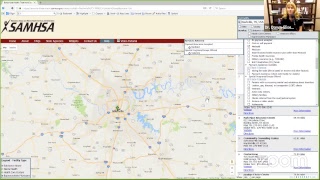
Hi everybody. And today we're going to be talking about individualizing treatment. The first thing that's really important to understand when you're talking about or thinking about getting into treatment is the fact that there are a lot of different types of treatment. Residential is the one people generally think about and that tends to be 30 days to 90 days, sometimes a little bit more. PHP is a level of treatment that offers people basically six hours a day of treatment, five days a week, but there's still no treatment on the weekends. For most PHP programs, IOP is even less restrictive. That's nine to 15 hours of treatment a week. So you're getting a lot of intensive treatment, but outside of those nine to 15 hours, you're back in your environment, whatever that environment is. So if it's not a safe environment, if it's not a healthy and helpful environment, IOP might not be the best choice. And there are things you can do like living in a sober living house or a halfway house, depending on what it's called where you're at, that can help. So you can use a lower level of care and be in a safe environment and still get to work and do all that kind of stuff that you, you feel you need to do. Outpatient treatment is once a week. You're seeing a therapist and it's either for group or for individual, but it's only once a week. So you've got anywhere from 60 minutes to 120 minutes of treatment and that's it. And you don't have generally contact with your therapist in between. So you need to add other things such as support groups, coaches, sponsors to fill in the gaps. Because most of the time people who are in outpatient treatment need a little bit more support than once a week coaching and early intervention. These are services that if you think you're starting to have a problem, you can access. But for a lot of people, these are things that they'll access once they leave. Residential PHP or IOP and a coach, an early interventionist, and support groups, they're all there to help you maintain gains. They're not going to diagnose or treat anything. They're going to help you look at your relapse prevention plan, they're going to help you look at your goals, they're going to help you look and you look at the skills that you learned and use those in order to maintain your gains in long term recovery. So it's important to look and see, ask yourself, what kind of environment do I have, how much structure do I need? From outside, how much structure can I provide to myself and what kinds of support do I need? Do I need support 24, 7, 365, do I just need someone like a coach or a sponsor that I can call when I'm having a bad moment, But I can do IOP or php and that's going to be a very individual decision. What I would tell you is to really consider and it doesn't matter if you've got depression, anxiety or substance abuse or whatever issue you're dealing with. What I would tell you is look at the places that you spend the most time and that's generally home and work or one or the other or both, and figure out is that a safe environment? If it's not safe, if it's not conducive to your recovery, then you may want to look at something that gets you out of the house more. Now the good thing about some support groups is you can access what they call clubhouses which are available to most people that are in the support group. I mean just about every town I've ever lived in there's been at least one 12 step meeting. That's pretty much 24, 7, 365. You can always go there. But it's important to know what your resources are so you can sort of start building your own program. And your program can adjust based on your needs. Maybe when you first get out of treatment, you're doing really well and you don't need as much structure. But then something happens, you lose your job, the bottom falls out, I don't know. And you start hitting a rough patch and you're struggling to maintain the gains that you made in treatment. Well, this is when you may need to up your access to support groups or your coach or your sponsor in order to keep going because your situation's changed. It's not that you're failing, it's that life has thrown you a curveball. The other thing to consider when looking at treatment and a lot of people think that treatment is one size fits all and it is. So not even if the facility I used to work in, we had 84 beds and we had 84 different, very unique individuals with very unique situations. So it's important to understand what it is that you need. What are your presenting issues? Do you have mood issues or like anger, anxiety and depression? Bipolar disorder. Trauma is self explanatory substance abuse and I separated that from behavioral addictions and eating disorders for a reason. Because a lot of substance abuse facilities treat substance abuse, but they don't Give much attention at all to compensatory behaviors such as sex addiction, gambling, eating issues, other things that people may start engaging in in order to sort of substitute for their addiction of choice. So if you have a quote, straight up substance abuse issue, great. There are a lot of programs out there that can address that. If you know, maybe you've gone to treatment before, or you just know yourself that once you remove your substance of choice, you're going to drop back into other compensatory mechanisms such as the ones I just mentioned, then it's important to make sure that that agency or that facility is capable of addressing those issues. Sex addiction, gambling, and the environment is safe. So just be aware of how you react when you can't access your substance of choice or when things start to get unpleasant and uncomfortable. And I put eating disorders in their own separate category because they are a compensatory behavior. They are used in a way to escape from stress and negative emotional states and yada, yada. True. However, eating disorder treatment is unique because everybody has to eat. And most programs, you know, you have a cafeteria, you've got a dietitian who sets up a one size fits all menu. If you've got somebody with an eating disorder, this isn't going to work. If you've got somebody with bulimia, there needs to be specific interventions set up for that person so after the meal, that person is not purging. So if you know you've got an eating disorder, know that that is sort of a relapse warning sign that's going to keep you from fully addressing some of your other issues, especially addiction issues. If that is one of your compensatory behaviors, you need to address all of your issues kind of at the same time, not take away one and substitute it with another. Make sure that you know yourself and you do. You lived in your own skin. We don't do anything miraculous as clinicians to figure out where you should be placed or what should be going on. A good clinician will ask you what works, what doesn't work, and we'll start from there. Now, as far as duration, some people will do well in programs that are 30 days. Most people don't. 30 days is pretty much an extended detox. If we're talking about substance abuse, if you're talking about mental health issues, then 30 days may be enough. But you want to look at what is the duration of the program. Given your experience with your situation, is that enough? Is that going to meet your needs? And you may have to go to a 30 day program, but then where are you going to go from there? Which is what we call step down. And it breaks my heart when I see people go through 30 days of residential and do really, really well, and then we discharge them to support groups so they go from a completely structured environment to really no structure at all. And that is setting people up for failure, in my opinion, and I've seen it happen over and over again, Step down is really necessary. We want to see people step down to IOP from residential. So they're still coming in every single day, touching base, maybe not for three months, maybe just for a month. Make sure those skills that you've learned and the gains that you've gotten in treatment are solidified when you're out there dealing with life on life's terms. Because residential kind of protects you from a lot of stuff in the outside world. So step down to IOP or intensive outpatient of some sort for maybe 30 days, and then maybe step down to support groups or preferably counseling. But support groups with a good sponsor or with a recovery coach can do just as well, if not better for some people. Knowing what you need, how often do you need contact? How much oversight do you need help with? Because we know ourselves, we know that when we start to get stressed, we know how likely we are to reach out and ask for help and how often we may need it initially. So it is not a weakness, it is actually a strength to know what you need initially in order to keep going and keep your progress moving forward. People also need wraparound services if we discharge someone. And speaking as a clinician, I used to see this a lot. We would have somebody in, they do great in residential for 30 days and the last three days of treatment, they're scrambling to try to figure out where they're going to live and, you know, if they're getting their kids back. Maybe somebody's been keeping their kids, how they're going to find childcare, transportation to and from groups and work and probation. And it starts getting really, really stressful really, really fast. And we're going to talk about this a little bit later. But discharge planning is supposed to start at admission. And I'm going to say that over and over again because it's so important. You don't want to wait till the last three days of treatment to try to figure out, well, crap, what am I going to do? So you need housing, you need to know where you're going to go that's going to be safe. You need child care. If you've got children and you're going to be working transportation or access to basic services. Maybe you live in a city where you can walk to the grocery store and you can walk to the doctor and there's a bus system and that's great. But if you live in a more rural area, you've got to figure out how you're going to get around because you need to. That could be calling people for rides, but who are you going to call? You don't want to wait to the last minute when you've got no food in your fridge and you're out of medication and you're trying to call six buddies, trying to find somebody who can tote you up to the store. Medical and you hear me preach about this over and over and over again. If your body is not healthy, your mood and your mind cannot be healthy. So you need to make sure that you have access to prescriptions. Get on patient assistance programs, find low cost prescriptions if you have medications you're on and make sure you have access to a doctor. So it's not like, well, I'd like to get back on my meds but I can't afford to see a doctor. Make sure your therapist or the program sets you up with some sort of medical services so you can get your needs met. Same thing with dental. If you've got abscesses, if you've got infections, if you've got junk going on in here, it's going to keep you sick. You need to address that because it can quickly become a physical issue. But if you've got stuff going on in your mouth, if you've got loss of teeth or rotting or anything like that, for a lot of people that affects their self esteem. And we want you to go out there and be successful. We want you to hold your head up and smile. And if you're afraid to smile at other people or you're self conscious, that's going to negatively impact you. Dental is just as important as medical and then employment. And my brief little speech on employment is once you get a job, go to your workforce development board. They'll help you find work, they'll help you find places to go for jobs, they'll help you write your resume, get all ready for it. Once you secure a job. If you are a hard to employ person because you don't have a good employment history, you have criminal convictions, there's a whole laundry list of things. There is a federal bonding program that the employer can apply for which basically gets you a bond for six months. So the employer is not liable for anything. Should you be make a mistake when you're working for them or quit or whatever. It basically just gives the employer peace of mind so they're willing to take a chance on you because there's no risk to them. So it's the federal bonding program and it's available through your local workforce development board. The other thing you need to know is what works for you. I know I said that already, but it's so vital. If you've been on every antidepressant that they've made and they haven't worked for you, you probably don't want to start trying those again because you know that doesn't work. So you need to look at something different. If you know that Suboxone works for you, and I know that's a hot button issue, it works great for some people, it works really lousy for others. You need to know what works for you and do that. Do what works. Do you do well in groups? Not everybody does. I am not an auditory learner. If I can't write something down, if I can't interact with people, if I'm just sitting there listening to someone yammer on, I'm not going to get much of anything out of it. So what do you need in groups? If you have to be in one, how can you make them work for you? How do you feel about 12 steps? Some people love them. Not so much. Others just know what you need, what you're willing to embrace. Because if you're going into it going, well, this isn't for me, then you're not going to benefit from it. Do you need intensive individual? Some people have a lot of trauma issues that they're not wanting to air in a group of sorts. And that's totally, you know, whatever. It's awesome. If you know that that's what you need and you're willing to work on that stuff because it's not comfortable and it's not healthy in most cases to be sharing great details of your trauma in a group setting. So if you need intensive individual, make sure that you can either get it at that facility or they'll refer you out to someone who can handle those needs and provide services, including if you're interested in EMDR or something else, to help you handle trauma. If you are a special population, for example, a veteran, know what kinds of services are available that are specialized for veterans, because those are your needs. You need to make sure that you have specialized services to meet any unique needs that you might have. Know your Rights. And this is one. I am one of those people who loves to write manuals and crosswalks. And I am kind of rigid and anal retentive when it comes to making sure that programs are doing what we say we're going to do. So if, if we tell somebody like Blue Cross we're going to run a residential program, we'll take your clients in and provide residential services, then I am darn sure going to make sure we're providing all of the services that Blue Cross says we have to provide at that level of care. Many facilities don't do this and it's important to know your rights. So you can say, my insurance company says I need to have access to this service and you need to make it happen. How do you do that? Well, you can Google the level of care guidelines by putting in the insurance company name and the level of service. So for example, if I was looking for on CIGNA insurance and I wanted to know what they required in residential substance abuse treatment, I would Google level of care guidelines, cigna, residential substance abuse and it would give me a document and it's all right there in plain English. There's no legalese. It's pretty straightforward going through the common, the bigger insurance companies, some common requirements and if you've been in treatment, you're probably going to go through some of these and at least one of them you're going to go, I didn't get that. That's important. That's not okay. If you're not getting what you're entitled to. Medical exam within 24 hours of admission or within a week prior to admission. Where I used to work, we required people to have a medical exam before coming in that's, you know, reasonable. Face to face assessment by a board certified physician within 24 to 72 hours of admission, depending on the insurance company. If you've been in residential treatment before, how many times have you ever actually seen the doc? Within 24 hours, a face to face assessment with the individual and the family within 72 hours of admission by a licensed clinician. Not a tech, not somebody who's working towards licensure, but somebody who actually has a license. They're licensed by the state as a social worker, marriage and family therapist, addictions counselor or mental health counselor. And that is supposed to be completed within three days of admission. Not three business days, three days. The admission process includes discharge planning. Why is that? And I said that earlier. Well, for two reasons. Number one, you don't want to wait to the last day and go, oh crap, I've got to find somewhere to live. You're not going to have enough time and it's going to end up being slipshod, which is going to impair your chances of having successful recovery. The other reason, and not the one I like to think about, but the reality is some people leave treatment early. And I want to know that when you walk out of this facility, even if you're walking out ama, you have resources, you know, where you can go to find housing, to find medication, to get dental services, whatever else you need, you have your LinkedIn somehow. So you're not just walking out there going, well, I'm no better off than I was six days ago. So discharge planning has to begin at admission. Family therapy is required, unless it's clinically contraindicated. Now, family can be loosely defined. Maybe your blood relatives and you don't get along anymore, but you've got, you're married and have children or, you know, whatever, whoever you call your family, your support system is supposed to be involved in treatment on a weekly basis by just about every insurance company, unless it's clinically contraindicated. For example, maybe your family of origin, one of the parents was abusive to you and it's not a good mesh to try to get back into good graces with them or whatever. Totally understandable. But you need to have a support system involved. So it's not just you in treatment. You've got somebody to welcome you with open arms when you leave. A nurse is supposed to be on site. Not available on site 24, 7, 365. Preliminary treatment plan should be given to the patient, given to you within 48 hours. And this is one that says, okay, then over the next week, these are the things that you're going to do, or this is what we're going to look at, starting to address. This is preliminary within five days. Again, not five business days. Five days. The treatment plan, comprehensive treatment plan that covers whatever you're going to do throughout treatment. There, it should be in your hand, you need to get a copy. And in most cases, you're supposed to have weekly psychiatric and or treatment plan reassessments. So you're supposed to go in and talk to your therapist, go over your treatment plan, go. This is working. Making good progress here. This ain't working for me. I need a referral here. And you both are supposed to sign off on it. So please know these things, these are just the ones that are kind of the burrs under my saddle. But there are a lot of other requirements, such as how many hours of group per day and how many times you're supposed to meet with your individual therapist per, per week and stuff like that. So please be willing and be able to reach out to and find out what the level of care guidelines are for your insurance company. If you don't know or if you're struggling with it, send me a message and I'm more than happy to help you. Facebook.com Dr. Snipes I am more than happy to help you try to figure out what you're entitled to. So some clues. I've worked in the, in the industry for 20 years and I've seen a lot of people come through treatment. If you've been through the program more than once, ask yourself, what do I need that I'm not getting here? I've had people come through the same program 10, 12, 17 times and they had gone through so much, they knew how to teach the groups better than most of my staff did. That's not what we want. Because if they know all that stuff and they're still relapsing, then clearly our program is not meeting their needs. It's not that we're not doing a good job, it means that we are not the right fit for that person. So pay attention. You may get a lot of great stuff from one program and you may go back through and get some more great stuff. But generally after twice, you've gotten everything you're going to get. So you need to figure out what else is it that you need. You can do this by examining your strengths to know what you need to be happy, healthy and sober. So again, looking and saying, all right, where do I keep tripping up with one of my clients? And he has finally achieved long term recovery. But whenever he would start to get into relationships, it was a downhill. He'd get into a relationship, he'd fall in love in three days, the relationship would end and he'd relapse. Pretty predictable. And then he'd be back in detox and on my wing again. So we were not providing, we were not able to provide the level of services he needed to help him really address his interpersonal issues, his fear of abandonment, his childhood trauma issues. So the last time he came through, we altered the treatment plan in order to set him up with one of our trauma focused therapists. And he did a lot of intensive work there and you know, it seemed to work. So it's important to know what you need and know what is your stumbling block. So you can tell the therapist, this is what I still need help on? Examine your relapse triggers to know what still needs to be addressed if you relapse, when you get angry or you get stressed out, well, that's kind of vague. I can't help with that. What makes you angry and what gets you stressed out, then we can start hammering down and figuring out what to address. But a good clinician will ask those questions. So if you've been through a treatment program a couple of times, you're probably not going to see the same assessment person anytime you go in. So make sure to let them know I've been here, I've done this, this is what I got out of it, this is what I still need. And finally, I see a lot of people posting on Facebook and well, mainly Facebook that they're looking for a facility that takes such and such insurance or that addresses such and such issue. There is, especially for residential. Now you can find iop, PHP and outpatient programs on here, but not all of them are in this. Almost every residential program is on the SAMHSA treatment locator. So you go to this website and I'll bring it down here for you. And you put in. We're just going to search my area, Nashville, Tennessee and go. So there's a bunch of facilities in Nashville, Tennessee, but I want to look for facilities that treat substance abuse and accept Medicaid and deal with veterans. So that narrowed it down to, let's see, one, which would be probably Vanderbilt Health System. So you can see what we've managed to narrow our search down to and then you can start going from there. Go to the website, find the information on who to contact. They've got the admissions contact information there and let's see. Oops. Medicaid, veterans take out veterans just do Medicaid. So here we have a few, few more. I've got 75 facilities. We'll look at United Neighborhood Health Services, click on there. Then you can find out how to go to their facility, how to get enrolled, who qualifies, etc. Sometimes you got to play around a little bit and figure to figure out what's going to meet your needs and make a list of the ones that most closely meet your needs because you might not find something that totally meets your needs. If payment's an issue, call the facility. Sometimes they have scholarship beds, sometimes they have sliding scale payment plans, sometimes they'll work with you and allow you to make payments over the course of three or four years. So remember that treatment needs differ for each individual person and good treatment programs are going to individualize treatment for you, not make you feel like a number, that you're just another one of the 84 butts in seats. Know your strengths. Know what works for you, because that's what you want to build on. And if people are trying to tell you, forget all that stuff, you're going to learn this whole new program, they're not individualizing treatment, they're trying to put you into kind of a neat little package. Know your rights regarding the types of services you're supposed to be getting, so you can ask for those if you're not getting them. And remember that not all programs can meet everybody's needs. It's just the nature of the beast. That's why there are so many programs out there. So be willing to explore a little bit and when possible, interview programs that you're interested in, call ahead, ask them about their program, maybe even go visit the facility if you've got that kind of time. I mean, obviously if you are looking for a detox facility, you may not have that luxury, but if you've got that kind of time or while you're in detox, start looking at what facilities are available and figuring out which one is going to be the best fit for you. If you like our podcast, you can subscribe on your favorite podcast app. You can join our facebook group@docsnipes.com Facebook and that is another great place to reach out to me. If you have any questions about how to access level of care guidelines or anything with individualizing treatment, you can subscribe to our YouTube channel at YouTube.com allceducation or join our community and access additional resources@docsnipes.com.










