Happiness Isn't Brain Surgery Goal Setting and Motivation for Change
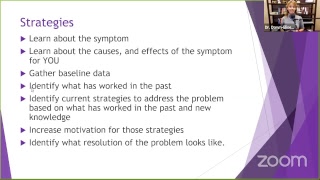
Dr. Dawn-Elise Snipes teaches how to set concrete goals for recovery by picking one symptom, tracking it with a mood scale or journal, and building small daily steps. Small changes in one area ripple across emotional, mental, physical, social, and spiritual health.
Chapters
Welcome back to Happiness Isn't Brain surgery with Doc Snipes practical tools to improve your mood and quality of life? This is module four that we're working on today on self assessment. In this module, we're going to define what happiness and recovery looks like for you. In the prior modules, we looked at what your primary defining symptom was. Any compulsive or addictive behaviors, the benefits and drawbacks to those, and what makes them worse and what makes them better. And then we broke it down a little bit more and started looking at the symptoms of all those, which actually are pretty much the same in variation for each of the different diagnoses, if you will. And I encourage people to think of their presenting issue, which I don't want to think of as a disorder, I want to think of as an issue or a presenting condition as a tapestry. And each symptom is a thread in that tapestry. So every time and all those symptoms are woven together, and every time you start pulling on one of those threads, you're going to start unraveling the tapestry. So you're going to start unraveling the problem. A more positive way to look at it, if you will, if you don't like unraveling things, is the fact that when you make any small positive change in one area, you're going to have positive changes in other areas, emotionally, mentally, physically, socially, spiritually and environmentally. So we're going to also, in this section, explore sources of motivation for happiness and change. Because change is hard, it's important that when you start hitting that wall going, yeah, I thought I wanted to do this, but no, this is exhausting. You have something to look back at or something to keep you going and moving forward. What does recovery or happiness look like to you? Completing the statements will help you figure out exactly what you want this to look like, what you're working toward. So when you get there, you can say, yes, I've achieved my goal. And one of the challenges that I always had when I was working in community mental health is people would come in and they'd want their treatment plan, and they'd be like, okay, I'm depressed. And I'm like, okay, that's not your goal. Your goal is to get rid of your depression. And they're like, yeah, what does that look like? How am I going to know when your depression is gone? So we can terminate treatment. And then we would start getting into defining what does that look like. Emotionally, I will be. And obviously happy comes to mind. We're not going to be Happy all the time. That's life. Life is not 100% giddiness. So emotionally I will be happy 85% of the time or 95% of the time and look for other emotions too. You'll be more compassionate, you'll be maybe more loving, more. What is it that what emotions do you want to feel more of? And if you need some help, find an emotion worksheet online or even go to something like Facebook where they have all the little emoticons and go through what they have identified for different feelings and identify the ones you want to feel more of. Excited. That's another one. Curious. I like that one too. Anyway, mentally I will be. And for me it's more focused and more creative. Mentally means really about the way you think about things and the way you interpret things and whether you can remember what you walked into a room for when you get there. Physically, what's going to be different when you are happy? And remember that for a lot of people, and we talked about this in the first couple modules, when you are anxious or depressed, you feel it. Physically, you're exhausted, you may have tummy troubles, you may have headaches, you may have muscle tension. So when you're physically happy and healthy, what is that going to feel like? What is that going to look like? I will feel good about myself because that's pretty easy. I'm not looking for anything super abstract here. But when you're happy, what are you going to be able to bring to a relationship? I feel good about myself because I'm happy, I am energetic, I'm able to help other people. I'm fill in the blank and my relationships will improve when I am happy. In what ways? You know, maybe you will spend more time with your kids, maybe you will be more patient. What is that going to look like for you? So what is this goal out here that you are working towards? Again, you are not going to achieve it overnight. You are probably not going to achieve it in a month or two months, three months. Maybe you want to give yourself time and pace it. If you are clinically depressed right now, it is going to take you a little bit longer because you need to start getting your energy back, start getting that mojo back a little bit. But that is ok. Progress, not perfection. So you want to be a little bit better tomorrow than you were today and recognize, like I said, life is not 100% giddy stuff. You are going to have bad days. Even when you are happy, you are going to have bad days. So if you are making steady progress and you have have a bad day one day, just accept it as well. This is going to be that bad day for, you know, this period of time. Don't dwell on it. Just figure out what you can do to improve the next moment and get back on track. So like I said, that's easier said than done. Once you put all that out there, you may look at where you're starting and where you want to go and go, oh, my gosh, I got a lot of work to do. It can seem overwhelming. It doesn't have to. We want to break it down into small steps. Don't look at six months from now, don't look at three months from now. You know, we set that goal out there, so we knew kind of where we were going. But think about it like a trip. And we are going to imagine that you are going to hike across the country. So you are not going to get from Virginia to California in a week. But you need to know that you're going to California so you kind of know which way to start heading. Now we want to figure out today how far am I going to walk and what is my path for today that keeps me heading toward California and how much can I get get accomplished today considering all the factors, like if it's supposed to rain, whether you're going to have to walk on back roads to avoid interstates or whatever the case may be. But every day is going to have its unique path and its unique challenges. You want to keep in mind your ultimate goal of getting to California, but remember that each day is going to be a little bit different. So to keep your motivation, because some days you're going to wake up and you're going to think California is a really long way away. Happiness may seem almost out of reach at some point, but it's important for you to go back to your motivation and go, ok, emotionally, how can I stay motivated? How can I stay excited and happy and curious about what today holds and about what I can accomplish for today? Make it a game if that does it for you. I'm really competitive, so emotionally I keep myself going. And this is part emotional, part mental, but I keep myself going by making a game out of it, making sure I do a little bit more today than I did yesterday or a little bit better today than I did yesterday. If I'm doing something with someone else, we may have competitions. What is it that makes you happy? How can you stay excited about your goals if one of the things you're doing is trying to improve your nutrition, you May not always be happy about that. So what are some ways you can get happy about it? For example, learn new recipes. I learned a great recipe the other day for noodleless lasagna. And basically you dehydrate slices of zucchini to use for noodles instead of noodles. So that increased my creativity and my excitement to try it and figure out if I can get my kids to eat it. Whatever works for you mentally. What are your sources of motivation? What is it that makes you want to do this? What are all the logical reasons you want to do this? What are all the logical reasons you need to do this physically? What are your sources of motivation? Is it going to help you feel better? Is it going to help you look better? Is it going to help you live longer? Is it going to help you have more energy? What do you expect to get out of this? And how can you keep your motivation going physically? Getting enough sleep is one of them, but what else keeps you going? Let's stick with the nutrition example. If you are trying to improve your nutrition as part of your recovery program, fit physically, you may still want to occasionally have that taste of chocolate or chocolate's my thing. So I work in brownies. I make a great black bean brownie, by the way. But anyhow, I digress. You don't necessarily even have to make it a healthy treat. You can indulge every once in a while. So making sure that you have those treats and those rewards out there for you that are going to help you feel better, better physically, not deprived. And keep your motivation going. Because if you feel deprived, you're probably not going to stay motivated for very long socially. Now, this is one of the greatest sources of motivation. Tell somebody. If you tell someone, then you're a little bit more accountable to them. Try to buddy up with someone so you share the same goal. Then you're going to keep each other on track a little bit more. Find cheerleaders. Be your own best cheerleader. Don't rely on somebody to be your cheerleader and to get your butt to do whatever it is. Be your own best cheerleader. And it feels a little weird sometimes, but remember to just kind of coach yourself. Be your own best coach, if you will. Sometimes people do better. And I'll kind of put this in social motivation. Kind of go in financial motivation. If they hire a coach or a trainer or a therapist, because if they are paying somebody, then that keeps their motivation going because they don't want to feel like they're throwing money away environmentally. And this is another thing Area that's ripe for motivation. What can you put in your environment to keep you motivated to to working towards happiness? Number one, create an environment that's relaxing and happy. You know, that's the first step. Get rid of all the depressing stuff and try to have things on your walls and around that make you smile, whatever that is for you. Open the windows, get plenty of daylight. Put things in your environment to remind you to do the tasks that are on your recovery plan. So create reminders in your cell phone. Keep a list of reasons that you want to keep doing this. Change on your mobile device so you can refer to it occasionally. Put things in your environment that remind you why it's important to keep doing this, even when the going gets tough. Other places you can put reminders are on your bathroom mirror. A lot of times we do something called habituation and you get used to it being there. So you need to change where your sticky notes are, but put sticky notes out occasionally and change where they are to remind you of all the reasons that living happier is a priority for you. If one of the reasons, for example, is to be more emotionally available for your kids, you can have a little album of pictures of your children on your mobile device that you can look at every day or maybe have it as your screensaver. So it reminds you every time you open your phone that this is why I'm doing this. Happiness is your end goal. Change is difficult and your motivation is going to sometimes get low. Think about all those people who make New year's resolutions just January 1st, they are in the gym. January 2nd, they are in the gym. Jan 3rd, about half of them are in the gym. By the end of January, most people have dropped off because it got painful and life got in the way. Happiness has to be a priority and you have to stay motivated to do those things that are going to make you happy, which means keeping your motivation up. And when you start not wanting to do it, figure out why you don't want to do it and address that. Identifying and reviewing your reasons or motivations for change will keep you heading in a positive direction. So all the stuff that we just talked about, write it down. Let's go back to that for a second. So your sources of motivation, all the things that the reasons that you want to change, keep that on a sheet of paper or six, maybe you have lots of reasons you want to change. That way you can review it when you start feeling like, you know, no, it's not worth the effort. And also keep a journal or a log if you're not a journal type of person of the progress that you make. Just like if you go on a diet or start trying to change your nutrition, you keep a food journal or a weight journal. Keep a journal of your happiness so you see that you are making progress. You may not be deliriously happy in three weeks, but are you a little bit happier a little bit more often? The goal in recovery and in happiness is progress, not perfection. You are never going to be deliriously happy 100% of the time. So figuring out how to deal with those unhappy moments is part of the recovery process. But right now, what I want you to focus on is identifying what you do that makes you feel better now, even if just for an hour, and start doing that more often so you can start getting the energy to make the changes you need to be happier more often. If you like the podcast, please subscribe on your favorite podcast app. Join our Facebook group@docsknives.com Facebook or join our community at docsknives.com. And welcome back to Happiness Isn't Brain Surgery. This is module number five of the Self Assessment Podcast. In this segment, we're going to talk about pick a symptom, any symptom. Where do you start? We've identified a bunch of different symptoms, their benefits, their drawbacks, your main problems, your motivations. Okay, we have a lot of stuff out there. Now what do we do with it? We're going to talk about how to identify where to start, identify your expectations for addressing that symptom, and how to develop a plan for change, which includes learning about the symptoms, learning about the causes and consequences of that symptom for you, which you've already kind of started to do. Exploring ways you've addressed it in the past that have worked because you're going to keep doing those. Identifying new ways to address it. To see if we can add a few new tools to your toolbox, we'll review increasing motivation for those strategies and clearly identifying what the resolution of the symptom looks like. So we're putting everything that we've been talking about together in a nice neat little package. So, for example, I talked earlier about the fact that sleep is one of my big vulnerabilities. If I don't get enough quality sleep, I'm a big old cranky pants and I can be more vulnerable to depression and anxiety and irritability and all kinds of stuff. So what are my motivations? I am happier when I am not exhausted. I can concentrate more. I am more creative. I am More efficient, my memory improves, I enjoy learning new things, and all of those things make me happy. So the mental benefits add to the emotional benefits. Physically, I'm not as exhausted in living off caffeine, which does make your fatigue worse, she says as she drinks her coffee. I'll get better quality sleep and I'll have more energy to do things that are important to me, including exercise, gardening and spending time with my kids. And again, exercise, gardening and spending time with my kids make me happier. So not only does getting more sleep just generally help me have more access to energy and serotonin, but the things, the fallout, if you will, from improved sleep makes me happier. Socially, I am nicer and of better service to other people when I am not tired, partly because I am patient and a lot more tolerant. And I enjoy being around other people and making plans when I am exhausted. When I am not getting enough sleep, I don't want to be around anybody except for the sandman. Environmentally, I have energy and the desire to clean and I am more creative and enjoy doing my crafts. I love being in a clean house. I love being able to look at the floor and not see streaks or dirt. I am a freak about floors, but so those things make me happier. When my environment's a mess, I don't want to have other people come over, which add to the social withdrawal. When I'm not around other people, I don't have as much energy because I really get energized and draw energy from other people. So you can see how not getting enough sleep, all those things can add negatively to each other. But getting enough sleep has a lot of positive and additive benefits to helping me just be happier. So for you, pick a symptom, any symptom, and identify your expectations. What do you expect is going to happen when you start working on this symptom? So, you know, a lot of people start with sleep because that's kind of one of the easy ones. But you may start with changing the way you think so you're not feeling as helpless and hopeless all the time. You may change. You may start addressing feeling anxious all the time and nervous. Whatever symptom that we talked about in the first couple of modules that you identify, what do you think the benefits are to you for working on that and go through and do something similar, like I did right here to writing out all the benefits so you have that available for you. Now, the next thing you're going to do is learn about the symptom. We kind of put the cart before the horse in this presentation because I had you start looking at the causes and effects of the symptom on you already. You've already looked at the benefits, the drawbacks and the impacts of these symptoms. But you also want to go back and learn in general staying with sleep. For example, what does good sleep look like? Why is it important? And how can I improve my sleep? What is good sleep hygiene? There are modules on Docsnipes.com there are modules on the LCEU's education video channel, and there are also articles on WebMD and other places for how to improve your sleep. And you're gonna look at some of them and go, no, that's not gonna work for me or I can't do that. And that's okay. What's important is you start learning about what causes that symptom so you can figure out what causes it for you. Remember I said that feeling of depression and apathy that some people get, that can be caused by drinking too much alcohol, that can be caused by hypothyroid, that can be caused by not getting enough sleep, that can be caused by a serotonin imbalance caused by something completely different. So it's important to understand what is causing your sleep disturbance, then gather baseline data. And what does that mean? That means whatever it is that you're trying to change, if it's sleep, you want to track how many hours you sleep, how many times you woke up, and how rested you feel in the morning for a week. So when you start instituting changes, you can tell if they're making a difference. Obviously, if you're doing nutrition, you can keep a nutrition app on your mobile device, chart your nutrition, see what you're eating. But I also encourage you to keep a log if you don't want to do a journal. Keep a log about every time you eat. Why are you eating? Are you eating because you're hungry or are you eating because you're stressed? Are you eating good things, nutritious foods, or are you craving carbohydrates and fats? And, and you're just going to indulge in self soothing foods, if you will. This will help you understand a little bit more about why you eat and the effects it may or may not be having. If you have anxiety or depression, you're going to chart that at least once a day. On a scale of 1 to 4, one being have virtually no depression at all. You know, I'm doing really good today. Two, I'm a little bit moody, three, I'm feeling kind of depressed. And four, I Can't get out of bed. Those are the, you know, arbitrary anchor points that I put down when I look at, when I look at depression, yours may be a little bit different, but you want to assess that. And then, you know, if you can check in with yourself two or three times during the day and see if your depression changes. That way you can see on a daily basis whether your depression is starting to improve. Maybe the mornings start getting a little bit better, but then you start getting really depressed towards the evenings. Well, the good news is the mornings are getting better. Focus on the improvements. While you're gathering baseline data, review the causes and effects of the symptom for you and identify what's worked in the past to make it better. And start doing that. Start with your strengths. Start with what you already know works, and then we can start tweaking that a little bit to see if we can make it work better. A lot easier to start with something you already do and you already know as opposed to reinventing the wheel. Identify current strategies to address the problem based on what's worked in the past and new knowledge. So you learned about the symptom and ways to address the symptom from WebMD or docsknifes.com or wherever. You found some things in there that you said, you know what, maybe I want to try this. Maybe I'm trying to improve my sleep and I want to try sleeping with a sleep mask on to see if that helps me get better sleep. So you can try it. If it works, great. If it doesn't, you can say, well, that was irrelevant for me. And start going through those strategies. Increase motivation for those strategies by looking and focusing on improvements and focusing on the things that you're willing to do because you have hope that they're going to make things better. And again, small changes don't upset the apple cart all at once because you're not going to sustain that change. I encourage people, if they start to change their nutrition, change one thing at a time. Don't start. Just wake up one morning and go, okay, it's Monday. I'm going to be a healthy eater henceforth and forevermore. For a lot of people, the change is more lasting if they ease into it. So make it so. It is exciting, but it is also not punishing or painful in any sort of way. And remember, whatever the resolution to your problem looks like and when you're identifying strategies, always go back and ask yourself, is this helping me achieve whatever happiness looks like to me? Remember, we used the analogy before of Walking from Virginia to California in order to get there, it's going to take many, many, many, many days and many, many, many, many different plans in order to get through it. And you're going to have to adapt to, to changing weather conditions and road construction and whatever else. That's the way recovery is. You're going to have to adapt. But every time you choose a strategy to improve the present moment, you also want to consider is that continuing to help me reach my ultimate goal. Many people mistakenly try to address depression, anxiety, or addiction as if it's a broken leg. And the same treatment works for each person. You know, generally with a broken leg, the doctor goes in, sets it, puts a cast on it, bada bing. Now, I know there are different types of fractures and everything, but let's not get too technical on me. With depression, anxiety, and addiction, there are a lot of different things that can cause these symptoms. So it's important to identify what your symptoms of the bigger problem are and what's causing them for you. I always strongly encourage people to go get a physical with a full blood workup to make sure that the levels of their thyroid, hormones and everything else are normal. Because a lot of times there are some very easy physical interventions that people can do that can help them start feeling better. Right now, for example, if they're depressed, deficient in vitamin D, that's linked to depression, especially seasonal depression. So getting your vitamin D levels balanced out can help a lot of people start getting the energy to do the work they need to do to be happier. For now, focus on what has worked in the past for you to address your symptoms or whatever symptom you choose and start there. Start trying to improve the moment. Make today a little bit better than yesterday. The next modules that we're going to go through next week are going to help you learn about potential causes and fixes for each symptom. Remember I said that, you know, for something as simple as what we call depression or apathy or even fatigue, it can be caused by a variety of different things, including thyroid imbalances, over training, not getting enough sleep, and poor nutrition. So we'll start looking at all the different possibilities so you can kind of listen and think about, yeah, you know, that might be something that recently changed for me that may be making this a little bit worse. And you can look at altering whatever you're doing to try to improve life so you can feel happier. Connect with us by subscribing to the podcast Happiness Isn't Brain Surgery on your favorite podcast app. Join our facebook group@docsnipes.com facebook or join our community@docsknifes.com.










