Happiness Isn't Brain Surgery Tuesday
Dr. Dawn-Elise Snipes breaks down motivation into three parts: desire, willingness, and ability. She walks through concrete steps like defining the problem, setting goals, weighing benefits and drawbacks, and starting small. Motivation isn't one thing; it shifts across emotional, cognitive, social, and environmental factors.
Chapters
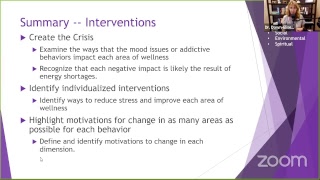
It. Hi, everyone, and welcome to Happiness Isn't Brain Surgery with Doc Snipes practical tools to improve your mood and quality of life. This week, we're going to be talking about motivation, what it is and how to keep it. A lot of times we make goals, we make New Year's resolutions, and they sound really good at the time. But following through on the behavior change tends to be a little bit more dicey, and a lot of that has to do with our motivation. So we're going to talk about that today. We're going to start out by defining motivation and identifying the five principles of motivational enhancement. So think about it. Why do people change? You know, you don't just wake up in the morning and go, hey, I think I'd like to undertake this whole new task. Well, maybe you do, but a lot of times we wake up and there's a reason. There's something making us uncomfortable. We may be bored. We may there. There's something going on that is spurring us to want to do something, to change. Most of the time, we don't just do it from out of the blue. Motivation is that desire to change and desire to invest the energy and effort required to change. Because change isn't easy. Whether you're changing a behavior, like trying to clean up after yourself a little bit more or do something more difficult like address depression or, you know, there's a whole bunch of things you might try to change, and they can be daunting tasks. If you don't have any motivation to do it, think about something like just cleaning the living room. If you're not motivated to do it, you may be sitting on the couch going, the living room's a mess. But you may not be motivated to actually get up and do anything about it. So motivation is really what we're talking about here. Your motivation can be modified, but it requires you putting things in your environment and around that help you realize all the reasons that you want to change. So you have to increase your own motivation to do something. And we're going to talk about multiple ways to do that throughout today's webinar. Motivation is a combination of desire, willingness, and ability to do something. I may want to do something, but if I'm not willing to put forth the effort or if I don't have the ability to do it, like, you know, at almost 50, I am probably not going to be on the US gymnastics team. You know, I just don't have the ability to do it anymore. Even if I had the willingness to put in the, you know, six or eight hours of practice every day. So even if it's something I wanted to do, it's probably not going to happen. So when we're talking about motivation, we need to make sure that it's something not only do we want to do, but we're willing to exert the effort and we have the ability, that means the knowledge and skills to do whatever it is. So, for example, if you're going to try to quit smoking, that's a noble goal. But do you have the ability to do it? Do you know what you need to do to quit smoking? Do you know what your hurt hurdles are going to be and how you're going to address those? Now, it's not something that's brain surgery, so to speak. So I think most people, if they sit down and they really think it out and they make a good plan, have the ability to do it. However, you need to have these things in your mind when you start your behavior change, effectively enhancing your motivation. That means, you know, getting that desire going requires empathy and understanding of yourself. You have to know why you want to do it and be doing it for the right reasons and be doing it for yourself. If you're doing it for someone else, especially if they don't know you're doing it for them and you're waiting for them to give you positive reinforcement and it doesn't come well, then your motivation is going to wane. So you need to be able to provide that support to yourself, have understanding, be empathetic. Sometimes you're going to have good days and it's going to seem easy. Sometimes you're going to have more of a struggle and it'll seem harder and sometimes you may even mess up. But having empathy for yourself and saying, okay, gotta learn from this and moving on, instead of going, well, I messed up, might as well give up. So that's the difference between maintaining motivation and letting motivation go. You need to be able to identify discrepancies between your desired situation and your current situation. So what is it that you are hoping is going to come out of this behavior change? What is going to be different? How? How does changing this behavior make you more like the person you want to be? You need to overcome resistance to change. When we think about change, it can be scary because we've all tried to change before at certain things and failed. We've all tried to change before and succeeded too. But it's important to understand that it can be kind of scary and we need to look at what is the More rewarding behavior. You know, for example, stopping smoking. Smoking has rewards to it for the people who are smokers. So it can be really scary thinking about giving those up. So dealing with your emotional baggage tied to smoking is going to be important and looking at what are you replacing it with if you're trying to eat healthier. For example, you know, a double decker bacon cheeseburger may sound really good to you and a vegan wrap may not sound as good. So if you're looking at those two things we want to look at, if you're giving up this double decker bacon cheeseburger, how are you going to make your vegan wrap more rewarding? I mean, you can have some really good vegan wraps, no doubt about that. So how can you make it tasty and enticing so you don't miss the other as much? And you know, sometimes you got to balance it out with some other things. Yeah, it might not be quite as good as the double decker bacon cheeseburger. You're going to get hungry by the time I'm finished with this presentation anyway. So it may not be quite as good as that thing you're giving up. However, it also brings with it all of the health benefits and other reasons why you might be changing. So you've got to kind of weigh and tip your balance scales and figure out why is it important to change and how can you make it so you can look at it and go, yeah, this is worth the effort and you need to be able to support self efficacy, which means you need to believe you can do it. If you have no faith that you can do it, you are going to set yourself up for failure. So set small goals. You know, can you go four hours? Can you go eight hours? Can you go a whole day? Don't say, I will never ever eat double decker bacon cheeseburgers again. You know, let's start small and say, what am I going to do today? And eventually you'll look back and you'll realize that a lot of today's add up to a whole month or a whole year or maybe even a decade. So give yourself credit for small changes. Change involves recognizing that something needs to be done. You're not going to change. If you look around and go, everything seems to be fine. It's like going back to that living room again. I'm not going to get up off the couch to dust. If I look around and I go, no, it doesn't really look like it needs to be dusted. So you need to recognize that something needs to be done, then you increase your motivation. So I've looked around, I've seen it's kind of dusty, but I'm really enjoying sitting on the couch right now or I'm really enjoying my double decker bacon cheeseburger or my cigarette or whatever it is. So I need to increase my motivation to change. First step is to define the problem. Why is it leaving dust around? Eating a double decker bacon cheeseburger or smoking is bad. Why is it harmful to me? Why is it something I want to stop doing or change? So you got to create a crisis that motivates you to get up and invest some energy in it. What is the end goal? So are you looking at cutting down on your smoking? Slightly modifying, maybe only eating meat once a week or you know, in terms of dusting, what does that look like? But what is your goal? So you need to be able to know where you are headed in order to start taking steps. Identify the benefit to doing what you need to to reach your goal. So again, it's not always easy. If you want to start working out, it sounds great, you're going to get in good shape. That's wonderful. Well, one of the benefits to starting a new exercise program may be that you get to get all new exercise wear and join a gym and spend more time hanging out with your friends who are also committed to the same goal. So those can be benefits. What are the benefits to stopping smoking? You know, saving money, maybe not having to go out to wherever you're allowed to smoke at your office. There are a lot of benefits you can look at. So go through and identify why you want to do it and then address the drawbacks to doing it. You know, you've got to take. Let's keep with these same scenarios that we're using. What's the drawback to dusting? Well, that means I've got to get up and right now I'm not motivated to get up. What's the drawback to stopping smoking? Well, that's hard. You know, anybody who's ever tried to stop smoking will tell you it is one of the hardest things they've ever done. So how are you going to do it and how are you going to get confidence that you can do it? Address the drawbacks to eating healthfully. So if you're looking at it going, I really don't want to eat rabbit food the rest of my life, it's probably setting you up for failure. So you want to address the drawbacks and look and find some things that are in a more Healthful nutrition plan that sound appealing. And maybe consider, you know, as long as it's not a health issue, maybe consider moderation instead of completely cutting out meat or something. If you really love it, maybe saving it for one day a week instead of two meals every single day. So address the drawbacks so you're not torn and you're not resistant and you're not kind of digging your heels in going, I really don't want to do this. You want to do it, you need to do it. Create a plan. So once you've addressed all these things in your mind, you've got to say, okay, what's the first thing I need to do in order to stop smoking, start eating healthfully, start working out? Maybe that means going to the doctor and getting a physical. Maybe that means going grocery shopping because you don't have a single healthy thing in the house. So create your plan and make it in steps and be very, very satisfied with yourself when you accomplish each step. So the first thing is, is to, you know, let's say we're going with nutrition. Go grocery shopping, you get the healthy food. Second plan or second step. Maybe the first is to figure out a meal plan. What are you going to eat for a week? The next step is to start doing it. So let's see if we can do eat healthfully on Monday. Instead of saying, I need to eat healthfully henceforth and forevermore, let's just try it for a day, then the next day. So allow yourself small steps so you can see progress. If you allow yourself small steps, then you are going to reassess more frequently and you can identify potential barriers. You could say, you know what? Eating healthfully. It tasted really good. I enjoyed what I was eating, but I am getting a lot hungrier. So maybe I need to pack more food instead of in order to prevent the cravings that I'm having. So there's a lot of different things that you can do. If you're setting small goals, you can reassess more frequently and adjust the plan as needed to ensure that working toward this goal is more rewarding than staying the same. Motivation is also doing something to get a reward. You know, we're not motivated to do something if there's no benefit. Think about anything that you've ever done. Cleaning your room, making dinner, stopping smoking, getting a job. Why did you do it? There was some sort of reward. It may not have been like hitting the lottery, but we get a job because we need the reward of getting paid so we can have a roof over our head and live the kind of lifestyle we want to. We don't do something unless there's some sort of a reward. Motivation is the key to change. If you don't have it and maintain it because it's going to wane. When things start to get tough, you may look back and go, you know what? I don't know if this is really worth the effort. It is, but you need to know why. Motivation is multidimensional, which means there are emotional sources, cognitive, logical sources, social sources of motivation, and we're going to talk about all those. Motivation is dynamic and fluctuating. When the going gets tough, motivation gets going. Think about New Year's resolutions. This is the perfect example. You decide you're going to start doing whatever for your New Year's resolution. And the first week in January, it goes great. Second week in January, still going good. Third week in January, you know what? I'm falling back into old patterns because I've just got other stuff coming up that I didn't plan for in my behavior change or it's not as rewarding as I thought it would be. When, you know, if you go to the gym, you can see this fall off, so to speak. We know that January 1st, there is going to be. There are going to be like twice as many people in the gym by February 1st. It's back to normal or somewhere close to normal. Because a lot of people have fallen off because they lost their motivation. It's not because they got hurt or something else. They just weren't seeing the rewards that they expected or didn't plan for the things that came up. So we need to have a good plan. And motivation can be modified. Additional rewards can be added to make the new behavior more rewarding, even in the face of adversity. So, for example, if one of the problems you have sticking to an exercise routine is the fact that you go to work, you come home and you are exhausted, and you sit down on the couch and you just don't get back up. Ok, so how can you modify that obstacle to getting to the gym? One of the things I do is I pack my bag. So I have my gym bag in my car and I don't go home because I know if I go home, I am not leaving to go back to the gym. You could start working out first thing in the morning. For example, if you're talking about smoking, you know, when things start to come up, a lot of people smoke in response to habit, in response to stress, and in response to being in certain situations. Like at bars or concerts or whatever. So you need to figure out how are you going to deal with those situations and how are you going to make this new change rewarding? And you know, we can't go over all that in a one hour webinar. But it's important to understand that you need to make sure to regularly highlight all the benefits of change, all the reasons you want to do it. Think about the last time you were not motivated to do something. I think most of us can think of one of those. Why weren't you motivated? Well, sometimes we call this resistance and this lack of motivation or resistance, often a lack of motivation for the new behavior. The old one is still really rewarding. The new one may have its rewards, but the old one, that's a gem. And you may not be ready. You may not have found all the reasons you want to let go of that yet. So we need to increase the rewards. We need to make the new behavior seem really awesome. And we need to highlight all the drawbacks to the old behavior so we get a fair and balanced view of what's going on, so to speak. You may have more motivation for the old behavior, either because it's easier, because it's what you've always done and it's just habit, or because it has a lot more rewards. So it's important to address those things and again, make the new behavior more rewarding. Do it with friends, have a support group, provide yourself some sort of rewards for making it periods of time without doing whatever it is, smoking, eating meat, whatever your goal is. One of the first steps in developing motivation for change is to create a crisis. So what are the problems with the current situation? What are the problems with smoking? Why is it that you might want to quit? What are the problems with eating meat two meals a day, every single day? Why is it that you might want to change that? What are the problems with having a dusty, dirty house? You know, for me, I've got allergies. So when I see dust around, I know it's aggravating my allergies and I'm not going to sleep as well. And we all know if I don't get enough sleep, that's bad mojo. So looking at the problems with the current situation and really highlighting those, I suggest writing them down so you can review your list when you start going, you know what, I don't know if it's worth the effort. Keep a list so you can look at it and see in black and white it is worth the effort. And then identify in what ways will the change be worth the effort? In what ways is stopping smoking worth your effort? Why are you doing it? What are the benefits? You know, better health, more longevity, be there for your kids, save money, make it easier to go out with friends after work. Whatever your motivations are, why will the change be worth the effort? If you're going to start eating healthier again, go through all the reasons and we're going to talk about how to kind of break those down to get really granular with your reasons and maintain your motivation. But make sure you write these down. Even if you're not a visual person, when that motivation starts to wane, you're going to be in a little mini crisis. And it's important to be able to look back over the things that you've written down and see them and go, okay, I remember now, you may not feel quite the same way about them, but at least if you can see the lists, then you can make an objective decision. So identify a current goal, anything that you've got right now. And I mean, pick a small one to start out with. Define the problem by creating a crisis. Ask yourself, you know, what is the problem? You are smoking too much, you are burning the candle at both ends. You are not managing your time well. What is the issue and why is it a problem for you? When I start burning the candle at both ends, saying yes to too many things, getting over, involved in things, then I start losing sleep, I don't have time to sleep, I start feeling pressured, I get irritable. There are a lot of reasons why it's a problem. So define the end goal. What's the solution? Well, if I stick more to my plan and reinforce my boundaries instead of taking on everything, make sure to stop, think and identify what's most important to me. Then it helps me be less irritable, agitated, frustrated, overwhelmed. Identify the benefit to doing what you need to to reach your goal. How do you expect, Whatever this solution is, whatever you are trying to do now, how is this going to help you if you are going to start eating healthier? Great. Sounds wonderful. Everybody says you should eat healthy, but why? What do you think you are going to get out of it? Why is it going to be rewarding to you and how can you make it rewarding? Address the drawbacks to doing what you need to do to reach your goal. So what are your concerns about the new behavior? If, like I said earlier, if you're going to start eating healthier, for example, maybe you have concerns that you're going to miss Eating the double decker bacon cheeseburger. How do you address that? How do you deal with that? What new recipes? Maybe you can have a whole recipe book of things that sound really awesome, or create a healthy cooking group so you have friends and you share recipes and, you know, have a potluck once a week. There are a lot of different ways you can address this issue and make the new behavior more rewarding. So motivation is multi dimensional, and I've hinted at this throughout. Emotional, the reasons you're doing this new behavior or you want to take on this new behavior, in what ways does it make you happy? You know, we want to see why we're doing it. Anything in that happy, excited realm. Mentally, what are the logical reasons that this is a good choice to make physically? In what ways will this new behavior or this behavior change help you improve your physical health or energy or reduce pain? So again, if it's whatever you're doing is keeping you from getting a good night's sleep, then one of the benefits is if you start getting more sleep, you'll have more energy. Motivation is also social. It may improve your relationship with yourself. That is, you start feeling better about yourself, which is a good thing to do. It may improve your relationship with others because you will find commonalities, you'll find common goals, you'll get to spend more time with them. And it may bring on or elicit positive feedback not only from yourself, so you can start giving yourself out of girls or out of boys, but from other people going, wow, you know, you've made this major change and how awesome is that? And environmental motivation. There are a lot of things that we do that can improve our environment. Whether it's it gives us more energy to clean, or it frees up money so we can buy things that we want in our environment. Or, you know, there are a lot of different things that can improve your environmental motivation. We're going to talk about this in a lot more detail in the next segment. So for the goal that you identified, whatever that was, what are your sources of motivation in each area? In what way does it make it happier? In what ways is it the logical choice that helps you achieve the goals that you want to achieve and do things that are important to you? In what ways does it help you feel better, physically, healthier, more energetic, less painful, get better sleep? In what ways does it help your relationships? You know, is it something that you can do with friends, significant others, can you meet new friends this way? And environmentally, how does it improve your surroundings? So the first thing you need to do to increase motivation is to create a crisis. Examine the way that the mood issues or addictive behaviors or whatever you're trying to change impact you in each area. How's it impacting you emotionally, mentally, physically, socially and environmentally? So you're going to look at the negatives there. Recognize that each negative impact is likely the result of energy shortages. So if you start conserving energy, if you make positive changes, it's going to have positive effects. Identify individualized interventions which are ways to reduce stress and improve each area of wellness. So if one of the things you're doing is eating unhealthfully, how is it impacting you emotionally? Some people feel kind of blah and sluggish. After I eat, they eat a really heavy meal. Mentally, they can probably list all the reasons they should eat healthier physically. Not eating a really healthy diet, how does that impact your energy and all that kind of stuff Socially, does eating a unhealthy diet negatively impact you? Maybe, maybe not. But we're going to go through each area and environmentally, you know, does eating an unhealthy diet keep you from having the energy to do things to make your environment happy? Do you have particular feelings or issues about animal welfare? Yada yada. So identify all of those things about all of the reasons you want to stop doing whatever it is you're doing. Then figure out ways to reduce stress and improve each area. So if you have issues with animal welfare, for example, what can you do to improve animal welfare? If you have and a lot of times your goal, whatever it is like to eat healthier is going to answer each one of these things. Highlight the motivations for change in as many areas as possible for each behavior. So identify what are the emotional, mental, physical, social, and environmental reasons that you want to do this? So the reasons, all of the reasons you want to change and all of the reasons you want to do this, and make sure that they are written down so you can review them and help you maintain your motivation. When you're having a moment of weakness as you go through your change process, you're going to find things that you didn't encounter. You know, for example, maybe all of your friends are super duper carnivores. And so whenever you go out, everybody else is ordering meat and you feel left out. You got to figure out how you're going to handle that if you're going to allow yourself to eat meat on special occasions or whatever. What is it that fits into your change plan in a way that is meaningful and helps you keep moving towards your goals.










