Individualizing Treatment for Temperament | Journey to Recovery Series
Recorded webinar transcript by Dr. Dawn-Elise Snipes that reviews two temperament frameworks (KIRCI/MBTI and DISC), explains each dimension/trait and contrasts them, and translates those temperament differences into concrete clinical recommendations. Focus areas: tailoring group and individual treatment environments, setting individualized goals, recognizing relapse traps tied to temperament, communication and teaching strategies (icebreakers, stations, breaks, handouts), and guidance on using online temperament screeners.
Chapters
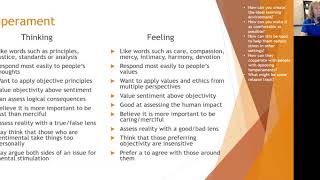
This episode was pre recorded as part of a live continuing education webinar on demand. CEUs are still available for this presentation through all CEUs register@allceus.com counselortoolbox. Alrighty. I'd like to welcome everybody today's presentation. This is the Journey to Recovery series we started last week. Today we're going to be talking about individualizing temperament for treatment. And you know, I really, I'm going to be asking questions of you a lot here and I would really like input. So I'm not just being rhetorical in these because I think it helps to try to apply some of these concepts, especially some of these that are a little bit more vague in order to help like really get them in. So we're going to review the temperament dimensions as defined by the KIRC mbti. We're going to review all those. We're also going to review temperament as defined by the disc. Now the disc is an instrument that a lot of businesses are using now and it's similar to the kirci, but it's a little bit different. Kearsi, in my opinion, is more comprehensive. But we're going to talk about how they can be complementary to helping your clients gain a better understanding of themselves and how they interact with people and all that stuff. We'll explore how temperament impacts the treatment approach, intervention and setting that works best for that person and identify common goals for treatment and ways to individualize them. So going to cover a lot of ground. Now, if you remember Keersi or if you've ever done anything with the KIRCI or mbti, there are four dimensions. The extrovert introvert dimension refers to the kind of environments that people prefer, whether they prefer active environments or quieter, more passive environments. Their awareness of what's going on. Introverts tend to be more aware of what's going on inside. Extroverts tend to be more aware of what's going on outside and their processing methods. So, you know, we generally extroverts, we think while we talk and you know, we think it out. We may just be talking to ourselves, but we're talking it out. Introverts tend to go sit quietly somewhere. My husband does that and I just don't know how he does it without like moving and talking at the same time. But more power to him. Sensing intuitive is the next dimension. And sensing people tend to like details. They're the bottom up type people. They can open a puzzle and dump all the pieces out on the table and start working without looking at the box. I'm like, oh my gosh, you don't look at the box. I'm a big picture person. I want to look at the box first and then I make the frame and then I start, you know, in a corner somewhere and I build out from there. I need to have the meta concept first. Thinking versus feeling talks about how we're motivated and the decisions we make. Thinkers tend to make more decisions based on justice, fairness, facts, rational, if you will, reasoning, whereas feelers, we tend to make more decisions based on what's going to be the most helpful for everybody involved. It's more relationship oriented and then judging and perceiving. And granted, I am distilling down the KIRCI and the MBTI greatly. You can go to their websites and learn a whole lot more. But you know, we only have an hour here. And judging and perceiving really refers to time management. And that's the big hunk of judging and perceiving. Judgers tend to like structure. We like to plan things. We like our date books, we like predictability, we do not like spontaneity. Perceivers, on the other hand, tend to like spontaneity and they get really bored if you're too structured. And the time management, the perceivers always feel like there's plenty of time and they'll get it done. The judgers, we have deadlines and we thrive on deadlines. And it's important to remember with temperament, very rarely are people exclusively one dimension or the other. It's a continuum and you may have little excerpts from each side. And the most flexible person tends to have about half and half. But not all of us are that lucky. So, like sensing and intuitive, I'm like right in the middle. And same thing with thinking and feeling, but judging, you know, I am the textbook judging temperament when we do these things. So it's important for people to be aware of where they are on the continuum, what makes them happy and what works best for them and how they feel most comfortable. And you're like, well, how does that apply? We're going to talk about it. Okay, so while I'm talking, I want you to start thinking about how you can create the ideal learning environment for the extrovert and the introvert. Think about doing group work. You're going to have both types of people in your groups. How can you make it as comfortable as possible? How can this be used to help clients reduce stress in other settings? If they start understanding their temperament, how can they reduce their stress? Maybe at work or at church or, you know, Going shopping. How can they cooperate with people with opposing temperaments? Because we, wherever we are, even in my own household, we have people of polar opposite temperaments. So we need to learn how to synergize and use each other's strengths and what might be some relapse traps. So there is a lot to go over here. So extroverts tend to be expansive and less passionate. You know, they are excited about everything and you know, they're all over the place sometimes. Introverts tend to be intense and passionate and they will find a topic and, and then they will just be consumed with that topic for a period of time and they will like learn everything there is to know about that topic and they are very passionate about it. So, you know, helping clients, when we're doing group, when we're doing psycho educational activities, the extroverts may get bored if you're going too in depth on something, whereas the introvert may crave more. So one thing that you can do is present a happy medium and group, but make sure to give additional resources for the introvert. Extroverts are easy to get to know because they like being around people and they draw a bunch of energy from being around people and that's just kind of their thing. Introverts, it's not that they're antisocial at all, but they know more what's going on inside them than around them. So paying attention to everybody else's input can be exhausting. So they can be a little bit more withdrawn and they'll be more the one in group that's going to kind of sit back and watch and pay attention. They're not lurking, they're not disengaged, but they are not the one that's going to be sitting at the front going, oh, I want to answer. Recognize that, respect that and build on that. Introverts, when you break into small group activities, they're not going to be the ones that want to present for the group. And that's okay. You know, the nice thing about small group activities is that there's generally going to be an extrovert in that group who has no problem standing up and giving the group report. Extroverts like meeting new people. Introverts, it tends to be an effort and that's okay. You know, again, and we're going to stay with therapy right now. So when you, when people go into group, when they start a new group and there's like eight or 10 new people, that is a lot for an introvert to take in. You know, they tend to be more comfortable. You know, people who are extreme introverts often tend to be more comfortable in smaller groups, like 2, 4, you know, something like that, it's all right, you know, they can adapt, but it may take them a little bit longer to warm up to the group. So taking it easy when you start the group instead of delving into intense things right away can be helpful. Both groups benefit from some non threatening icebreaker activities. One thing that you can do is have people. When you've got a homogenous group or a heterogeneous group, you can break people into pairs, dyads and have them talk with each other so they learn what each person likes. And they're not having to talk in front of the whole group. They're just introducing themselves to one person. That works for the introvert and it allows the extrovert to meet a new person. So that works for them too, and they're perfectly happy. So consider how people feel when they're doing group activities. If they get really self conscious being on the spot, or if they feel really drained, we want to be sensitive to that, especially in early recovery. Extroverts, we like to think things out while we're talking. Introverts like to think things out before they talk. So they want time to take some information in and ponder it for a second and then say something. Extroverts, you know, my son is your stereotypical extrovert on this dimension. If you ask him a question, he will talk out his thought process, you know, and he's not giving you an answer yet. He's just still processing everything and you just kind of have to sit there and ride with it. And I tend to be that way sometimes too. But so we want to give people opportunities to talk things out. So, you know, in counseling, if we're doing a group, you know, ask a lot of questions. That way the extroverts can raise their hands and they can comment and they can, you know, be more engaged. But the introverts have time to maybe sit back and think for a second. Take periodic breaks, you know, and it doesn't have to be a break where everybody leaves the room because that wastes a lot of time. Just say, you know, take a minute, you know, I'll stop, start my stopwatch, take a minute and jot down some thoughts you're having about what we're talking about here. And that gives the introvert and the reflective learner, but we'll get to that tomorrow. That gives the introvert time to Sort of think and process and then come up with a question that they want to talk about. Extroverts often enjoy background noise while introverts prefer peace and quiet. Again, just think about where is the energy being drawn from? Extroverts we draw energy from, you know, out there. So if we're in an excited environment, we're probably going to be more excited. When you are an introvert, you tend to draw your energy from within. So if you're being distracted, then it's going to drain your energy more than charge you up. So the introverts prefer to have that grounding period. We need to allow them time to take breaks where they can go and have some time to get regrounded. Even in the middle of group. If you take a five minute break, you know, a five minute break, if you want to stay in here and be quiet, that's fine. If you want to go out on the patio and talk, that's fine too. You can do things like that. In the residential facility that I worked at, we had a quiet area outside with a picnic table and stuff under the trees that people were allowed to go to. But it was known that that was a quiet area and people weren't supposed to be sitting there talking. And that gave some of our introverts a place where they could kind of escape because we had 86 in residence at any particular time. Extroverts tend to know what's going on around them rather than inside them. We've talked about that one. They don't mind interruptions because, you know, they're expansive and they're kind of, they're able to pay attention to a lot of things that are going on out here and that's how they're wired. So they don't mind if something else pops into the picture. They're like, oh, squirrel. Introverts, on the other hand, because they tend to be more passionate and in depth and all that kind of stuff on things, they tend to dislike being interrupted. They get into a zone and they want to stay there until they're ready to come out of their zone. That's okay. You know, if we're talking about counseling, you know, obviously in a group, if we're giving people time to process, time to think or something, then it's going to be important to give them time to do that and some quiet time so they're not interrupted. Extroverts are considered good talkers. Introverts are considered good listeners. This is a great thing here and I'm seeing a lot of People talk about flipping back and forth and it's very true. It tends to be the more stressed you are, the more you tend to gravitate towards your preferred preferences. But remember, you're probably going to have a little bit from both sides, so it's important to be aware of, you know, exactly where you are on that continuum. Relapse traps for this crew here, people who are expansive and less passionate and, you know, are more alert to what's going on around them rather than inside them. Can you see where this could be a relapse trap? You know, they're paying more attention to their surroundings. They can see they, they can miss when they're starting to get hungry, angry, lonely, tired, etc. So it's important that the extrovert take time to, to be mindful. And, you know, it can be a struggle for the extrovert to be exceedingly mindful. And it doesn't mean they have to take 20 minutes twice a day to meditate or something. That might not work for them, but I do want them to focus. And maybe it's calling their sponsor, calling a friend, or just talking to their dog about how they feel that day and so they can get it out and they can get mindful with themselves. Remember, they like to talk things out. The introverts are really good at knowing what's going on inside them, but may not be aware of their impact on others. And we all need social support. So it's important to help introverts, you know, pick their heads up sometimes and look around and go, okay, how's everybody else doing? And you know, where are my connections going? Extroverts often will want to talk things out. And one thing they can do, instead of writing in a journal, which may drive them a little bit batty, you can have them record their, narrate their daily entries. That's one thing that they can do. Introverts typically will be fine writing things down, but understanding this is really important in relationships. For example, I tend to be more of an extrovert. So I like being around people. I like being around groups of people. Several people in my family, not so much. So, you know, when we talk about celebrations, when we talk about something fun to do on Saturday, you know, I'm thinking, let's go to the fun park and play laser tag. And you know, my daughter's like, no, far too many people. Much too much extroverting for me. Okay. So in order to have a healthy relationship, it's important to understand the temperament and the preferences of the people around you and figure out how to compromise so you know, what works for you, how much is too much in terms of the number of people or the amount of time spent around people and then compromise from there. People who prefer, you know, background noise versus not background noise, that's, you know, easy enough. And it's definitely helpful for everybody, you know, whether it's individuals in group, like Gary points out, or at the office or in your own family, to understand each person's temperaments because that helps you understand how they are, why they are acting and interacting the way they are. My husband, when he gets stressed out, he's very much an introvert. He will go sit out on the porch and be quiet. And it drives me nuts. I'm like, talk to me, tell me what's going on. Well, I got over that after we've been together for about a year, and I realized he just needed his quiet time to ponder, to figure things out. Then he would come in and share. But it was important that I allowed him his space. So, you know, understanding that can help go a long way in communications. Sensing and intuitive. I don't know why my PowerPoint's jumping around so much today. Okay. Sensing is typically what I would think of if, you know, I'm going to try to give an example of an accountant. You know, practical, realistic. They like facts, live in the real world. They're generally content. You know, they do what they do. They're happy with it. They would rather do things than sit there and think about meta concepts. They focus on practical, concrete problems and see the big detail, see the details, but may miss the big picture. You know, they're so caught up doing what they're doing, they miss the whole, what's the purpose of this? You know, it's supposed to help you have a rich and meaningful life. And right now you're just miserable because you're going to work and coming home and going to work and coming home. So let's look at the big picture. What's the end goal here? Sensing. People tend to want specifics and tend to be very literal. May think that those preferring intuition or intuitive are impractical. You know, we just talk and they believe. If it isn't broken, don't fix it. I love these people, you know. You know, I really do because they keep me from going off the rails. And it's important to have these kinds of people in your recovery, in your family and at work, in the groups that you do at work in order to keep you balanced. Intuitive people are Imaginative dreamers. We're the people where we look forward to grant season because then we can think about how can we get this grant and what kind of program can we create and. Or, you know, they're the ones that come up with business ideas or whatever they think. Think of these meta concepts and wow, this is what I want to do. Those deep, pesky details. You know, I just want to think about the possibilities. Intuitive people prefer to abstraction, inspiration and insights and live in the world of possibilities they would rather think than do. Again, you can see where this can be a relapse problem. They focus on complicated, abstract problems like recovery and see the big picture, but often miss the details. So, well, recovery is great, but what does that mean? What do you have to do to achieve what you define as a recovery lifestyle? They love word games. May think that those preferring the practical lack vision. You know, they get bored getting caught up in the mundane stuff. They believe anything can be improved and focus on the future and possibilities. And I guess I tend to be more. More pegged out on the intuitive on this than I guess I would like to admit sometimes, because I love to. You know, whenever I was assigned to programs, I would go in there and the first thing I would do is figure out how to make it more efficient, to run better, to increase our revenue, to meet our benchmarks better. You know, everything can always be improved in my mind. So when we create an ideal learning environment, when we're working with the sensing versus the intuitive, the sensors are going to want the facts and they're going to want details about exactly how do I do this? Intuitive people are going to want those broad concepts. So when you present a group, you want to generally start with handing out an outline or a bulleted list of the things you're going to go through or put it up on the whiteboard. If you don't want to make the copies, that's cool. That way the sensing people don't get too freaked out and then start with an overview of what you're going to talk about and why it's important and how it can apply and how it can make, you know, life better, how it can help with depression or anxiety or grief or whatever you're doing the group on. And you know, that gets the intuitive people in there. They're like, okay, I see this big picture now. Remember I said the puzzle. When you start a group like that, it's basically like building the frame of the puzzle and then throughout the group, you're going to fill it in with the details. The sensing people have those bullet points for the details. They're happy. Intuitive people like to think, they like to hypothesize. And sensing people are like, okay, let's get down to the practical. Exactly what are the steps we need to do? So there has to be a balance in there. Relapse traps for these people. And when I say relapse, remember I'm talking about mental health or addiction, it doesn't matter. People who would rather do than think can sometimes do without thinking and then it gets them into trouble. So it's important that they do understand what the end goal is, you know, what is a rich and meaningful life to them. So when they are trying to make a choice about what to do, that it makes sense and it helps them move forward. We need to have them continually look up and check in and go, does this help me get closer to what I define as a rich and meaningful life? So those are kind of the big things here. We want to help the sensing person get a little bit more awareness of where they're going. Intuitive people are imaginative dreamers. They would rather think than do. Well, there's a lot of people in recovery who can talk and they can talk a great talk, but they actually don't practice what they preach. And you know, I'm a parent, I can tell you sometimes I say do as I say, not as I do. Well, kind of like that. We want to make sure that clients think about what they're doing, but then they also do it, you know, going to 90 meetings in 90 days, picking up a new hobby, meeting a new friend, whatever it is that's on their treatment plan, that's great. But at a certain point you got to stop thinking about doing it and actually do it. And that's the scary part. And we want to make sure they get the details because sometimes they can say, you know, we'll stick with addiction recovery on this one. People will say, I'm going to do 90 and 90, which means they're going to go to 90, 12 step meetings in 90 days. Well, that sounds great, but the details here, you know, once you're out of treatment, you've got work, you've got transportation issues. What meetings are you going to go to? What time can you attend those meetings? Where are your kids going to stay? Are there meetings nearby that your kids can go to, you know, that have available childcare? You know, there are a lot of details that people kind of miss. If you can't get to that meeting, what is your drop back plan? Which tends to be an online meeting. But, you know, those are the details we want to make sure they have. So if there's a crisis, you know, like when they're doing their relapse prevention plan. Well, relapse prevention is kind of a big concept. We want to make sure they have some details so it's a little finer tuned and they have an emergency plan. All right, so thinking and feeling thinkers like principles like justice, standards or analysis respond most easily to people's thoughts. Want to apply objective principles. Value objectivity above sentiment. Can assess logical consequences. Believe it's more important to be just or to do the right thing than to be merciful. Assess reality with a true false lens. May think that those who are sentimental take things too personally and argue both sides of an issue just for mental stimulation. You know, these are your attorneys here. Which thinkers are great? You know, we need thinkers in the world to, you know, this is a counterbalance thing. It's a yin and yang. We gotta respect that. Both temperament polls bring a lot to the world. But it's important when you're doing your groups, if you're presenting a concept that you present facts about why this is important and, you know, you don't have to get into, you know, providing a bibliography and all that kind of stuff, but, you know, just because it'll make you feel better, people are going to be like, okay, why? How? The thinking person wants the details of if I do this, what are going to be the actual positive changes that happen? The feeling person makes decisions and is motivated a lot more based on relationships. And they like words like care, compassion, mercy, intimacy, devotion. Respond most easily to people's values. So, you know, they're very comfortable obviously, with feeling words and they want everybody to kind of get along. They want to apply values and ethics from multiple perspectives to make sure we understand how everybody feels. Value sentiment above objectivity. They're good at assessing the human impact and believe it's more important to be caring and merciful. Feeling people tend to assess reality with a good or bad lens. Recognizing that is not necessarily just true or false. We need to choose the best option, what's going to be the good that comes out of it. They think that those preferring objectivity can be insensitive and prefer to agree with those around them. Feeling people tend to be, again, relationship motivated. So while we may not agree with everything somebody says, we. We want to try to understand their point of view so we can say, okay, from your point of view, I can see this is correct. So again, creating that ideal, learning Environment. We want to help the thinkers understand if you do these things, you have a 40% greater chance of achieving lasting sobriety or something. And the feelers will respond to if you do these things and your depression starts to improve, think about how it's going to impact your relationships with your kids, with your spouse, with your significant others. Find the things they're motivated to talk about. When you do group activities, focus on those things to make sure that the thinkers see the purpose and the feelers see the benefit. In terms of relapse traps, both people, both types are going to face struggles when making decisions. Because sometimes people who are feeling and, you know, really motivated by relationships may not set boundaries where they should because they think it's better to be caring and merciful. And in addiction recovery, that can be a big problem. Because if you've got somebody who's in early recovery and they've got a friend who just relapsed or is detoxing and needs a place to stay, and the feeling side of them might say, you know what? The caring, merciful thing is to let you stay on my couch. The thinking side is going to say, no, that is really, statistically very, very bad, a very bad idea, because it puts you in a very vulnerable situation. So feeling people need to be able to back up and look objectively at the situation and go, is this going to help or impede my recovery? Thinking people, on the other hand, you know, they're assessing things through a true false lens, but there's not always a true or a false. There's a lot of gray area in there. So it's important to help them understand the importance of other people in their life for support and all that kind of thing, and help them recognize other people's point of view in terms of why they think something should be done, even if it's not the truest way to solve a problem. Thinking and feeling people, also, when you work together, you know, thinkers are going to be by the book. This is the way it says, yada, yada, yada. Feeling people are going to be like, yeah, but you know, rules are made to be bent order to, you know, accommodate each situation. They balance each other out. You know, it's important that both sides that are present because that's going to keep the other side from going completely off the rails sometimes. Judgers versus perceivers. Judgers. We like to plan ahead. We're self disciplined, purposeful, thrive on order. We get things done early, plan ahead, work steadily, work within limits. But we may be hasty in Making decisions. And I say we because like I said, I'm kind of the poster child for judging. You know, we tend to be time and deadline oriented, think that those preferring spontaneity are too unpredictable and it's very stressful for us. But we can be excellent planners even though we may not make use of things which are not planned or expected. So if somebody calls me on a Friday and says, hey, it's been a long week, why don't we go out? I'm most likely not going to go unless I force myself to because that's very stressful for me. That was not in my planner. That's not what I had planned for for today. Even if I had only planned a Netflix marathon. I'm much like must much less likely to go. Not because I'm being mean, but because that just stresses me out even more than the long day perceiving. People adapt as they go. These are the people who can just fly by the seat of their pants. And I envy them. Don't get me wrong, I think it's a great quality to have. They can be flexible and tolerant. They thrive on spontaneity. They get bored with too much structure. They get things done at the last minute depending on a spurt of energy. They generally want more information and may fail to make decisions because they're always waiting for more information. They always think there's plenty of time and think those who are not spontaneous are too rigid. They're good at handling unplanned events but may not make effective choices among the possibilities. So let's look at these two groups. You know, when I was in college, I had a schedule that I went by and from 12 o' clock until 3 o' clock I worked on my dissertation. And that was the schedule. And the schedule was posted on the refrigerator. And my husband came in one day and it was like 1:30 or something and he sat down and I was diligently working. He sat down and he started talking to me and I was just like, excuse me, it ain't three o' clock yet. This is work time. He's like, I've got to obey that schedule. You're not going to chat until after that? I'm like, no. And it just didn't even occur to me that that probably wasn't the best way to respond. But I learned, I've learned a lot in 20 years. But judgers, we tend to like our structure and we don't like people, you know, throwing us a curveball. Perceivers. And he's much More on the perceiving side. He gets bored with too much structure. He was a cop for 20 years and you know, he enjoyed having different stuff to do every day at work. And he can adapt as he goes. And he had a hard time understanding why I was so rigid. And you know, children came along and all of a sudden I'm not as rigid as I used to be. But it was a learning process figuring out how to plan for the unexpected. So in our relationship, for example, I know that they like spontaneity. My son and my husband prefer spontaneity. So okay, you know, I know that on Saturdays we're going to do something as a family and so I just don't plan anything for Saturday. And I know that I'm going to do whatever they want to do that allows me to plan, that allows them some spontaneity. Yes, it has to be on Saturday, but you know, it's a compromise in order to keep mom from losing her ever loving mind. But it's important for them to understand what stresses me out and it's important for me to understand what stresses them out. And we can work on a compromise in groups and in treatment. You know, judgers are going to get really freaked out if you reschedule group or if you were supposed to do topic 142 today and you did 147 instead they're just gonna be like that's not what I planned for. So we want to make sure that we give them enough forewarning. If there's going to be a change in staff or a change in schedule, we want to let them know ahead of time. You know, this is what we're covering in group. Whenever I go into a meeting, I always get the agenda and that's the first thing I do is look at the agenda to see what we're going to cover at each incremental. Just the way I'm wired. And that helps judgers understand how things are flowing. Perceivers, they don't really care. They'll walk in and sit down and be like, hey, how you doing? You know, I'm here for an hour, whatever. Perceivers get really bored in recovery if they're doing the same thing day after day after day. So I don't want people to who are perceivers to over over schedule themselves, The judgers. And again, I'll give you an example. At work as a judger, I know what I've got to get done and I know my deadlines and I have things done and things are Good. But if all of a sudden I get this new bit of information at the end, I may not incorporate that into my project because I finished it, you know, I made the deadline, it's done. A perceiver may have difficulty getting their project in because they're always getting a little bit more information from here and there and still thriving on those possibilities. So judgers tend to keep perceivers on time and perceivers help us handle unplanned events. And it happens in life. You know, you get a flat tire at work, somebody calls in sick. Those things throw judgers for a loop. Perceivers are just like, okay, no problem, let's take a breath, let's look at what our options are, and it's good. So I like having a perceiver on my team because they can, you know, rein everything in when things start to go a little, a little haywire for relapse traps. Judgers need to make sure that they plan, but they also plan for the unexpected, like that flat tire that keeps them from getting to a meeting or something or whatever the case may be. Perceivers, on the other hand, need to have some sort of structure. And instead of having them structure every single hour of every single day, which would drive them completely bonkers, I want to know generally, you know, on Saturday, what are you going to do on your Saturdays? You know, and they may, may be like, well, sometime during the weekend I need to do laundry and go shopping and then I want to do this, that and the other. So they have a list of things, a to do list, so to speak. So they have things to fill their time. They're not just sitting around twiddling their thumbs going, I don't know. But they're not so hemmed in that they can't take advantage of opportunities that come their way. Okay, so we're going to move on to the disc and then we're going to tie this up in a nice little bow, hopefully. The DISC profile is a tool used for discussion of people's behavioral differences and it increases people's self knowledge as well as supervisors knowledge of how people respond to conflict, what motivates them, what causes them stress, and how they solve problems. It can be helpful at improving working and interpersonal relationships because it allows people to recognize the different communication needs and motivators of their significant others. It's not just, you know, it's all about me. You know, I need to understand me and then I need to understand how I fit with you. It's like when you, you know, you're doing woodworking and you've got a Phillips head, a flathead and then one of those wonky ones. That's like an octagon, that octagon end that you need a whole different tool for. You need to know how you fit together and what you can do. So the disc is built on four dimensions. The dominance side sees the big picture. They can be blunt, they accept challenges, get to the point, they're task driven and intense. Makes sense. Dominance sounds like it. Now, just like the and MBTI and those. This also is not segmented, it's more of a continuum. So people can be a ds which is a combination of dominance and steadiness, or a di which is obviously a combination of dominance and influence. So you can have some traits of your contiguous partners. It's just helpful to understand for people to understand where they are and what motivates those around them. The influence person shows enthusiasm, is optimistic, loves to collaborate and is relationship driven. So dominance is task driven, influence is relationship driven. We can see again this is more thinking, feeling sort of thing than the other one, steadiness. This person doesn't like to be rushed. They tend to be calm, they are supportive in their actions and they're dependable. They're the one that shows up for work every day, does what they're supposed to do, shows up for counseling every appointment, does what they're supposed to do. They're just slow and steady and get the job done. The conscientious person values accuracy and competence, objective reasoning, wants the details and fears being wrong. So you've got a little element of the sensing in there in addition to thinking, you know, in terms of, if you're trying to compare it to where it would fit with the MBTI or the kirci, kind of pointing that out. So let's look at these. Dominance tends to be more of an ist blank sort of trait. So somebody who is ist on the KIRSI would probably have some dominant traits. The emphasis for this characteristic is on shaping the environment by overcoming opposition to accomplish results. You know, we're the type A personalities motivated by winning competition and success, prioritizes accepting challenges, taking action and immediate results. They're the thinkers. They're described as direct, demanding, forceful, strong willed and driven and determined, fast paced and self confident. So again that type A personality comes in with the type fast paced. They may be limited by lack of concern for others and that's not because they're again antisocial. That's not meant to be a ding against them. It means that they are focused on the task not on the relationships. And they can be impatient and openly skeptical. They'll say exactly what they think and just very little filter. May fear being seen as vulnerable or being taken advantage of. So they tend to put on a more bravado and they value competency, action, concrete results, personal freedom and challenges. So you know, being aware that relapse motivators for this type is what's going to help you succeed at achieving your goals. You know, this type is really goal motivated. So writing a treatment plan can be a lot of fun. It's described as direct, demanding and forceful. So that's great. But if things, if they start hitting a wall, you know, they can get really frustrated. So it's important to work with this temperament to help them be willing to reach out and ask for help. And again, they don't want to be seen as vulnerable. They're afraid of being taken advantage of. So it's really hard for people who are dominant to ask for help. Their goals are unique accomplishments, new opportunities, control of an audience and independence. So they're going to really like being the center of attention in group. They're going to really like co facilitating and when you do breakouts, they're going to be the one that's taking over their little small group. They will need to expend more energy to show patience, display sensitivity and allow deliberation. So in the work environment, it's important for the dominant person to understand that they're going to have to reserve some energy for this because other people need it. But again, this can be a relapse trap. If they're depressed and they're not, that antidepressant isn't kicking in fast enough or treatment's not helping quick enough, they may start to get frustrated. In interpersonal relationships they can have difficulty, especially since they don't like asking for help anyway. They may have difficulty not being overly blunt or rejecting of people's ideas. So when communicating with the dominant style, give them the bottom line. Be brief, focus your discussion narrowly and avoid making generalizations. Don't repeat yourself and focus on solutions rather than problems. Well, that's a good thing. We do want to focus on solutions in recovery. What's going to help you achieve your goals? So we do want to remember if our client tends to be more of the dominant type, to phrase our treatment planning and phrase our goal objectives for each session in these terms. Influence. People tend to more parallel the ENFP traits. Emphasis is on shaping the environment by influencing or persuading others. So there's a Strong emphasis on relationships may be limited by being impulsive and disorganized and having lack of follow through. So they've got that perceiving characteristic where they're more relationship oriented and less clock oriented. They're described as convincing, magnetic, enthusiastic, warm, trusting and optimistic. They prioritize taking action, collaboration and expressing enthusiasm. And they're motivated by social recognition, group activities and relationships. So, you know, if they are able to influence other people and they are able to be a source of influence, that really helps get them engaged. They may fear loss of influence, disapproval, and being ignored. So we do want to reach out to these people in group and ask them, you know, what's your opinion or what do you think? Or, you know, when you ask a question, specifically call on them. And they value coaching and counseling, freedom of expression and those democratic relationships. They're going to want to feel like they've got a horse in the race. They love victory with flair. They strive for friendship and happiness, authority and prestige and popularity. They will need to expend more energy to follow through completely, which is really important in counseling. We need people to follow through with their treatment plans, do what they need to do in order to achieve maximal gains. They're not really keen on researching all the facts. So if there's stuff that they need to know, we may need to make sure we provide a handout. They don't like to speak directly and candidly. They may circumvent things in order to preserve relationships and popularity. And, you know, if you're doing something that's not working for them, and we've all suggested interventions that don't work for clients. Some clients are like, yeah, no, I'm not doing that. Other clients will just say yes and then they'll go and they won't do it anyway. So I want to encourage them to speak directly and candidly. They do have difficulty staying focused for long periods of time. So again, it's important for this temperament to take periodic breaks and let them process what they learned. When communicating with the influence style, share your experiences. Allow that person time to ask questions and talk themselves. Make it a dialogue, not a monologue. Focus on the positives, avoid overlooking them with details, and don't interrupt the influence person. If they feel like they are in a position of influence, then they're going to feel, you know, dismissed if you interrupt them, which most people feel dismissed when they're interrupted. So, you know, steadiness is the E. F.J. and these are the characteristics that I see in steadiness that are also Paralleled in the. In the KIRCI emphasis is on cooperating with others within existing circumstances to carry out the task. So it's very feeling oriented. They're motivated by cooperation, opportunities to help, and sincere appreciation. They prioritize giving support, collaboration, and maintaining stability. This is a person who just loves and thrives in group and they may do better in group than they do in individual work because they're able to do these things. They're described as calm, patient, predictable, deliberate, stable and consistent, but may be limited by being indecisive, overly accommodating, and have a tendency to avoid change. You know, they like, they like their structure and if somebody asks them to change it, they may be like, well, you know, I don't want to hurt your feelings, I don't want to make you mad, but I really don't want to do it. So they may say nothing. So it's important with this temperament to develop assertiveness skills and boundaries and help them learn how to deal with these things. They may fear change, loss of stability and offending others. And they value loyalty, helping others, and security. So thinking with this temperament style, you know, how can you incorporate this in their recovery plan? How can they help others? And it may not be helping others in recovery, it may just be volunteering. It may be volunteering at the local pet rescue. Something where they are being of help brings them a lot of joy and motivation. Their goals are personal accomplishments, group acceptance, power through positions of authority, and maintenance of the status quo and a controlled environment. So they tend to like groups, but they also want to be somewhat in control the group. They'll need to expend more energy to quickly adapt to change or unclear expectations. So with your treatment plans, be very specific. You know, that's a good treatment plan anyway. Don't expect them to multitask. Instead of having them do work on three different treatment plan goals this week, maybe focus on one and then next week focus on the next one. Finish that, you know, finish that by going through the objectives, then move on to the next one. Otherwise they may feel pulled in too many different directions and be like, oh my gosh. They don't like to promote themselves or confront others. So again, working on assertiveness skills, setting boundaries and relationships. When communicating with the S style, be personable and amiable. Express your interest in them and what you expect from them. Take time to provide clarification, be polite, avoid being confrontational, overly aggressive or rude. So this person is going to be more steady. I tend to envision when I read This I envision them a little bit more like a turtle. And if somebody is confrontational, kind of pulling into their shell a little bit. We do want to help them develop skills to handle confrontation and confrontational people because they're out there and I don't want that to be a trigger for them. And the conscientious person emphasizes working conscientiously with existing circumstances to ensure quality and accuracy. They're motivated by opportunities to gain knowledge, showing their expertise and quality work. They prioritize accuracy, stability and challenging assumptions. You know, they want to prove it. They're described as careful, cautious, systematic, diplomatic and tactful. And may be limited by being overly critical, over analyzing and isolating themselves so you can see where the eye is coming out here. They may fear criticism and being wrong. So you've got, you know, more of the introvert, the sensing, the detail oriented, the thinker that's more motivated by, you know, what's going on and facts and the judger who really likes to have the structure and expectations and, you know, they're the ones who like to create the crosswalks and write the manuals and do that kind of thing. The goals for this person that motivate them are making sure that they're correct, stability, always being there and putting in that work, predictable accomplishments and personal growth. They're in it for the long haul. They're the marathon runner and that's good. You know, we need those people on our team. It'll need. They'll need to expend more energy to let go of and delegate tasks because they want it done right. And they have difficulty trusting other people, which can be a therapeutic issue. They need to compromise. They need to use more energy to compromise for the good of the team. If they see something is one way and this is the way the rules say it's supposed to be, but there needs to be compromise. They may struggle with that or not even the rules say it's supposed to be. Maybe this is the way it's always been. So they expect it to stay this way. Remember, they don't like change. They may have to compromise for the good of the team. When a new person joins the group, when a new therapist takes over, or at work, when a new boss is hired, things may change and it's going to take more energy for them to adjust to that. They may struggle and have to use more energy to make quick decisions. They like to think about things. They like to evaluate all the possible outcomes. My old boss loved the man, but if you wanted him to make a decision on something, you had to tell him on Thursday. Thankfully, on Thursday or before. My supervision was always on Thursday. I would tell him on Thursday, and I would expect an answer on Monday, not before, because he wanted to ponder all the possible permutations of it. So, you know, that's how he worked. And if he had to make a quick decision, you could see that it just completely freaked him out. When communicating with the C style or the conscientious individual, focus on facts and details. Minimize pep talking. You know, they're plugging along, they're doing, you know, they're doing it by the book, and that's what makes them happy. They don't need the cheerleading. Be patient, persistent and diplomatic. So it's interesting, you can go online and there are some free disc temperament things that people can take that you can take. And I would encourage you to do it just so you get a little bit more familiar with this and see kind of where you might fall. Same thing with the kirci. You can go online and take the free KIRCI temperament sorter and get an idea about what it thinks your temperament is. Just to understand a little bit more. I've also had clients go online and take those things, but answer them as they think their significant other or their boss would answer them. And then we take all of those reports and we look at them and we talk about ways the people are similar ways. They're different in group. Another thing you can do when you teach this class or classes, a lot of times you have to break it up over two sessions is to do stations around the room. And you give people the handout that has the description of each characteristic, like extrovert and introvert. All right, well, I'll have an extrovert station over here and an introvert station over here. And I'll say, which one fits you best? Go to that side. And then I'll start reading off the characteristics. And if somebody's on the extrovert side and I read off an introvert characteristic that fits them, they say, yeah, you know, most of the time, that sounds like me. They take one step towards the center of the room and vice versa. So each time I read off a characteristic that's not like their preference, you know, that's more like the other preference. They take a step towards the center of the room. My goal is to help them see that there's a continuum and where they may sit on the continuum in comparison to their group mates, which helps them visualize kind of what's going on, and then we talk about how they're different and what they need to compromise in relationships. So, you know, I'll get everybody lined up, and they'll be spread out on their continuum. And I'll ask one person, you know, what's one thing that really bugs you in relationships or on this dimension? And they'll look through the list and they'll go, oh, interruptions or something. And we'll talk about how that's impacted their relationships. And then I'll ask people from the other side to kind of weigh in who experience the opposite preference, and we'll talk about ways that you might find a compromise. So, you know, for introverts, for example, at work, you may not be able to consistently be in a quiet work environment by yourself, but what can you do in your work environment to get that time out? You know, typically an introvert's probably not going to work in a call center because that would be exhausting. But if they did, you know, at least that's just one person they're talking to each time. But they still need time to get out of all the noise, go regroup, maybe on their coffee breaks or something. I also encourage people to look at their personal environment, you know, in terms of what fits for them and their recovery activities. You know, if they are introverts, maybe they want to join a hiking club. Because most of the times, like the hiking meetups around here, maybe six people show up. So it's not an overwhelming group. But other people prefer to go downtown to live music festivals. Okay, you know, whatever it is that makes you happy, that helps you have a rich and meaningful life, that's what I'm all about. So we want to help people figure out their preferences and then again make those compromises with their significant others. You know, if their significant other likes festivals and live music, maybe finding somewhere that's a smaller venue, or going early in the morning before it's really, really packed and there's like thousands of sweaty drunk people, whatever it is that's going to work for that person, but it opens a dialogue. And it helps a lot of people in relationships, both, you know, working relationships and personal, identify, and it makes. It makes sense. And they're like, oh, you know, I see why we've always struggled over this. Once they start talking about it, then it's easier to find a compromise. So temperament defines what we prefer in terms of the environment. We prefer how we process information, how we receive information, decision making, time management, our interpersonal relationships and our communication preferences and styles, individualizing treatment means creating environments that appeal to each client. And when you're working in groups, you're going to have people with, you know, probably every permutation of temperament under the sun. So it's important to know how you can adjust things. Individualizing treatment also means helping clients identify what their preferences are and encouraging them to make choices and modifications that work with their temperament. Instead of going, no, I'm going to learn to be more extroverted, help them embrace their introversion and and, you know, work with it. And we can help clients understand different temperaments so they can work better and compromise more in relationships. Are there any questions? CounselorToolbox podcast is sponsored by BetterHelp, the world's largest E counseling platform, providing accessible and affordable counseling services via messaging, live chat, phone or video. To apply to be a counselor at BetterHelp with no overhead, fees or cost, go to betterhelp.comtoolbox. you can also find a counselor by going to betterhelp.comtoolbox and clicking on Get Started in the upper right corner.










