Live Interactive Webinar
Dr. Dawn-Elise Snipes teaches clinicians how to help adults with addicted or borderline parents using exercises from Surviving a Borderline Parent. She covers symptom-function mapping, reparenting strategies, and practical tools like boundary planning and grief work to prepare clients for difficult family interactions like holidays.
Chapters
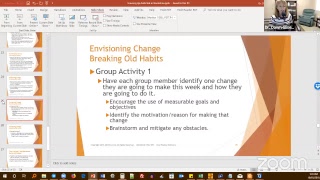
Hey there everybody. I'm glad you're able to be here today. We've got about another minute before we get started, but now you're. Now I'm doing my sound check, so if you can hear me, great. If you can't hear me, you may need to log out and log back in again. If you are in in the webinar. Okay. If this is your first time, please remember that during the presentation. If you have any questions, comments, things that you want to interject, please feel free to do so in the chat window in the webinar room at the end of the class, there will be a time for discussion. If you have additional questions and you want to go into an in depth discussion about something after the lecture is over, you can go into allce.com, log in, take your quiz, download your certificate, and bada bang, you're done. So let's go ahead and get started. I'd like to welcome everybody to today's presentation. Recovering from growing up with an Addicted or Borderline Parent. This is one of my favorite groups to do and this is also one of my favorite books and it's called Surviving a Borderline Parent. And I know I said addicted or borderline parent. But when you look at the characteristics of someone who is struggling with an addiction and the characteristics of someone who has borderline Personality disorder or borderline traits, they overlap significantly. So a lot of what we're talking about here is going to be appropriate if you've got a client who grew up with a parent that had either or both issues. So we're going to briefly review the characteristics of Borderline Personality disorder and talk about how they apply in addiction, compare and contrast it with addictive behaviors, and examine ways to implement the activities presented in the book in a group format. So a lot of today's presentation is going to be more on activities that you can do with your clients in individual or in group, as opposed to really talking about diagnoses and comparing and contrasting as much. So hopefully you'll walk away with at least one or two really cool tools to use. And this book here, Surviving a Borderline Parent, it can be gotten from newharbinger.com or it can be gotten off Amazon. You might want to check in your local library and see if it's there as well because it's a really good book. So I wouldn't be surprised if it was in a library. Okay. Characteristics of Borderline Personality Disorder. Poorly developed or unstable self image Often associated with excessive self criticism. All right, well, that's for borderline. Let's talk about addiction for a second. People who are struggling with addiction, who are in their active addiction, have. Their self image has changed. They are no longer Jane Doe. They are now Jane Doe, the addict. And people, when they are in their addiction, behave very differently and act very differently than they do when they are in recovery. And a lot of guilt, shame, you know, those sorts of things go along with addictive behaviors. Hence the excessive self criticism. So it's not uncommon to see these characteristics in someone with an addiction or borderline difficulty recognizing the feelings and needs of others. Okay, well, so that's part of borderline. When people are in their addiction, a lot of times they are doing the best they can to survive. And they're doing that by numbing their own feelings and pain. They can't take on other people's feelings and needs at this point because they're struggling to survive on their own. Interpersonal hypersensitivity. Prone to feel slighted or insulted. Now, that tends to be more of a trait of borderline personality disorder than addiction. But people who are in active addiction or in early recovery tend to be chameleons, Whether if they grew up in an addicted household or they just were in that lifestyle for a while. When people are in their active addiction, they tend to be chameleons to try to get approval and try to manipulate other people to do what they want them to do. They try to manipulate other people to keep them from seeing or commenting on the addiction. They try to manipulate other people to enable them. They try to manipulate people. And this is all in order to get their addiction, which is their pretty much one and only tool at this point to help them survive the pain and anguish they're in. Because they don't all of their other tools have been exhausted or overwhelmed most of the time. And you've got to remember, in addiction, people's neurochemicals get imbalanced because of this imbalance. What may have seemed not so overwhelming when they were clean, sober, in recovery, may seem totally overwhelming now because their neurochemicals are all out of whack. They've got high norepinephrine, high cortisol, high all kinds of stress and anxiety chemicals. So people with addictions do tend to be more hypersensitive. Let's go back up to that excessive self criticism. They feel guilt guilty about what they're doing. They may feel ashamed of what they've done or what they are doing. So they're also going to be more highly sensitive if they Think somebody else is criticizing them too, because they already have that raw wound from insulting themselves and from criticizing themselves. Okay. Perceptions of others tend to focus on negative attributes or vulnerabilities. Okay, That's. You know, we know that with BPD in addictions a lot of times because people feel bad about themselves because their world is in chaos at the moment, because they are hurting, because they are struggling. When we are in that negative mindset, we tend to see the negative of others. When we are in that negative mindset, we also tend to look for ways to protect ourselves, which means identifying the vulnerabilities of other people. So we see their negative attributes, know that we need to stay away from those, and we see the things that we don't like that they're doing, know that we need to stay away from those, and we also see their vulnerabilities. So we see ways we can get in there and use it to our advantage. So, again, very similar parallels. Intense, unstable, and conflicted close relationships marked by mistrust, neediness, and a fear of abandonment. You know, that is pretty much the definition, if you will, of a lot of people in. In addicted relationships or in relationships where at least one partner has an addiction. It's an intense relationship. There's a lot of anxiety, emotions run really high, and they're really, really intense most of the time. Close relationships are viewed in extremes. And you have idealization where this is the best person ever. She's my bestest, bestest friend. And then devaluation. That person is the scum of the earth. There is no middle ground. And if you think, you know, children think dichotomously. And this is one of those dichotomous ways of thinking that carries on. And one of the things I want you to think about is with people with borderline personality disorder and a lot of the personality disorders, their symptoms, if you will, began early on. And if you look back, most of those people had some sort of pretty extreme trauma in their early childhood when cognitively, they were thinking in all or nothing terms, when developmentally, they needed someone else to care for them. So a lot of things because of that trauma may have gotten, you know, obliterated, which led to the child developing the only coping skills they knew how to develop and then not being able to kind of break out of that negative feedback loop. So people with borderline personality disorder alternate between extremes. People with addictions also, a lot of times will alternate between extremes. Think about codependency and codependent relationships. When the codependent person is enabling the Person with the addiction, they're great, they're grand. When the codependent person sets boundaries, oh, hell hath no fury. So there are extremes of idealization and devaluation. A lot of times within an addiction, those surround or revolve around whether the person with the addiction is able to access their addiction of choice. And they alternate between over involvement and withdrawal. So, you know, they're there, they're all over the place. They're, you know, really involved in the relationship. Then if something starts not going the way they want it to, they're out. You know, it's not one or the other or not a happy medium. It's always one or the other. Very polar, very dichotomous in their thoughts, the effects on others. They feel inadequate despite their best efforts to appease people. And you know, this isn't quite as common in addiction as it is in borderline personality disorder. Probably 50%, 40% of the clients that I've worked with, I would say this fit them. A preponderance of the time. Their self esteem was really low. They felt inadequate. They felt, you know, even the skills they had, they felt like they were imposters, that somebody was going to find them out and that they were really not good at anything. The person with borderline personality disorder just always feels inadequate. They don't have a sense of self. So they're looking for somebody to tell them who they are and give them the foundation. They lack emotional boundaries. And when we're talking about families, the child may feel responsible for the parent's happiness in addiction. The partner may feel responsible for the person with the addiction's happiness and safety and all that kind of stuff. So there are a lot of emotional boundaries are in roller skates. And the parents are not necessarily taking care of the children. The individuals, the individual adults are not necessarily handling their own business. And yes, we all need emotional support sometimes. We all need help sometimes. I'm not saying that we don't, but I'm saying that there are things that we can do for ourselves and things we can't or things we may need help with. And it's important to look and go, you know, where are my boundaries emotionally with my partner? Where are my boundaries emotionally with my children, with my friends? And they may have guilt for personal happiness. There's difficulty trusting people due to alternations between feeling appreciated and condemned. Okay, so you got the BPD over there with addiction. You know, again, that person, they do something, they get a promotion, whatever. Because more than 40% of people with Full blown active addictions are employed full time. So you know, there are a lot of people out there who are quote, fully functioning members of society. So they do good things, they get promotions and things and they may feel really appreciated. And then you know, somebody says something about their drinking and all of a sudden they're feeling condemned. You know, there's, they focus on that one thing to the exclusion of everything else. And remember Tuesday we talked about looking at things in context, you know, in the context of this situation, everything that's going on. But I digress. Anxiety. The people who are in a household with someone who has borderline personality disorder may feel a lot of anxiety because that person is unpredictable. The preeminent book or one of the first books on borderline personality disorder was called Stop Walking on Eggshells. And that's exactly what it feels like. You're just tiptoeing around who, hoping that you don't accidentally crack one because then you know it's going to get ugly. And the people that live in a household with someone who is addicted or has borderline personality disorder are regularly hypervigilant because they don't know if they're going to show up and meet Jekyll or Hyde. So they've got to pay attention. And Jekyll and Hyde can switch back and forth really fast. It's not like bipolar disorder where you've got extended periods, you've got somebody who one minute could be great and happy and everything else and literally 30 seconds later just be angry and venomous about whatever's going on. So people learn to be very hyper vigilant, to be pay attention to non verbals, to be very attentive to those things. And it's exhausting. It is exhausting to be hyper vigilant. So when we start working with people who grew up in this kind of environment and these people that we're working with, they may currently have addictions, they may currently have some borderline personality disorder traits. You know, that doesn't surprise me. You know, given, you know, we live. We live what we learn or. Yeah, or we learn what we live what, whatever that saying is. They grew up in a household where that was what was being modeled. They grew up in a household where they weren't taught and we have to be taught coping skills where they weren't taught boundaries, where they weren't taught effective communication. So now they're, they're grown ups or older adolescents and they don't have the skills and tools they need and they're just like, I Don't know how to deal with this. So the first part is helping them put a name on it so they don't feel like they're crazy. Because a lot of times when people grow up in these households, they're made to feel crazy because the person with the addiction or the person with that borderline personality disorder tries to make it feel like it's all their fault all the time. It's all your fault. If you wouldn't have, then I wouldn't. Or you're always so ungrateful. So the person in that relationship, in that household with the person with borderline personality disorder or the addiction really struggles. And if you can give it a name and if you can say, you know what, that may be your normal until now, because that's all you've ever known, but that is not a healthy situation. And people are just like, wait a minute. It's not me. They've been telling me it's me this whole time. And I'm like, no, it's not necessarily you. You know, I don't know the whole family dynamics, and I haven't interviewed, ever, every member of the family. But when I hear some of these things coming from clients, I'm like, okay. It seems like you got a lot of mixed messages when you were growing up, and there was a lot of instability. So let's see if this fits. And I usually give clients the book, and I say, you know what? Read it or start reading it, and if it seems like it fits, great, then we'll proceed. And if it doesn't, cool. No harm, no foul. I haven't had one yet that's returned the book and gone, no, this doesn't work. So I think we're onto something here. So the first activity is to discuss the function of each symptom for the parent and have participants identify any behaviors they have which may also resemble that symptom, such as alternating between extremes of valuation and devaluation, or having an unstable sense of self, always needing other people to tell you you're okay. Review and refute the takeaways. Providing a practical. Providing practical cognitive and interpersonal skills. So once you go through that and people start realizing, oh, you know what? I'm doing the same thing that my mother did, or I'm doing the same thing that my father did. You know, that's what I swore I would never do, or, now I understand why I'm doing what I'm doing, or I might have a better idea, so what can I do to fix it? And there are A lot of. In the book, it goes through a lot of things she calls takeaways that you can look at. Group activity two is stop and think. The lessons are clear that people develop when they are living in a addicted or borderline family and having them stop and think. What lessons did you learn? One of the things we talk about in addictions a lot is the phrase don't talk, don't trust, don't feel. That is one of those things that's common in a lot of families where there's an addiction. So what does that lesson mean and how can we refute that? Why is it important to talk? How can you develop trust? And why is it important to trust? And who do you trust? You know, I start out with first. First thing you got to do is start learning to trust yourself. And that's where mindfulness comes in. And then developing trust with others and learning how to set boundaries and finally feeling. Yeah, you know, it made sense that you didn't want to feel in that environment because it was stressful and exhausting and hurtful. However, now that you are not in that environment, how does not feeling impact your life? And how might feeling be beneficial? So then we want to move on to examining the effects of borderline personality on the living conditions and. Or the addiction on the living conditions. And one of the things that I'll often do, because you know how fond I am of my flip charts, put up flip chart papers around, and I will have people identify how these things manifested in their life. So chaos. How was chaos present in your life when you were living in this environment, when you were living with this parent? How is abuse and neglect present? And it's not just. I mean, we want to talk about physical, sexual, verbal, emotional, you know, what kinds of things were there. But it's not just the abuse. It's also the neglect when the parent wasn't there, when. When the parent wasn't emotionally available for days or weeks at a time. You know, we want to talk about that neglect, boundary violations. And that's not. Again, not just physical boundary violations, but also emotional, when the person was telling you how you should feel and what you should think and that it wasn't okay to have your own thoughts and feelings. Invalidation. And that kind of goes with boundary violations, but boundary violations and invalidation kind of go hand in hand to develop that don't trust phenomenon. So I want people to start validating themselves and think about why it's important to validate role reversals where, you know, the child has to be the parent and the child has to be the bigger, bigger one and apologize or whatever. The idea that looks are everything and that may or may not be present in all households. And it's not just physical looks. In addictions and sometimes in borderline personality disorder, it's about the facade the family puts forth. You know, what does this family look like? We want to look like we're perfect, even if inside we are just crumbling apart. And a keen perception or hyper vigilance. So we talk about those things and how they were present in the client's life. And then they go back around. We flip the chart over to the other side and I say, all right, in your household, now that you're a parent or when you become a parent, how are you going to prevent these things from happening? So I want to, you know, help them see why these things are a problem and identify ways that they were manifested. But then I want them to take that further and go, okay, now how can I prevent this? Or how can I change this so they can start making changes in their current environment? Six seeds to grow. A healthy support, Respect and acceptance. Voice. Unconditional love and affection. Consistency and security. So there's a lot of different ways that you can do this. One of the. My favorites, and they're not seeds exactly, because seeds are far too small. But I get the little plastic eggs from, you know, the dollar store or whatever, especially, you know, the day after Easter when they're really all 50%. And I put the eggs around the room, and in each egg there is a suggestion for how to develop one of these. And I have people go around and collect their eggs, and then they share with the group what's in the egg. Like for support. Ask. Ask your child how they did that day and remind them of a good characteristic about themselves. Okay, so Sally would get that egg, that seed, and she would read that and she would go, you know, okay. Then I would say, all right, now how are you going to start doing that tomorrow in your house? How are you going to start providing that type of support in your house? And if she says, you know, that doesn't feel right. Okay, you know, what else might you be able to do? Because not everything I say is going to or not every suggestion I throw out there is going to hit for everybody. And that's okay. But I want them to, again, follow it all the way through, not just go, okay, that's a good idea. I want to know, how are you going to start doing it tomorrow? Examining the effects of the borderline personality Discussing how each was present in the family of origin, how each is manifested in the client's current life, because we generally recreate our family of origin, like it or not, and identifying methods to eliminate dysfunctional patterns. So some things that we're going to talk about the effects, feeling inadequate, lack of boundaries, feeling responsible for the happiness of others, anxiety due to other people's perceived unpredictability and hypervigilance. So you know, those are just some of the things that, that we generally talk about. And I'll break people into groups because, you know, it's an alternative to the flip charts. Break people into dyads and they will talk about one of these things and they will share with the larger group when they're finished, give them like 10 minutes to talk about methods to eliminate feelings of inadequacy and then methods to eliminate the lack of boundaries. And if they get stuck, which is why I give them 10 minutes, you know, I go around from group to group and I give them some hints because not everybody, you know, can think about, you know, how do, how do you develop boundaries? That's kind of a vague sort of topic. And if there's one of these that seems to really strike a nerve with the group that I'm working with, you know, we'll stop there and we'll do a whole group activity on it in order to help them. Because maybe everybody starts going, yeah, you know, that's one of my, the hardest things I have is keeping emotional boundaries. So we may stop and have the whole group chime in after all the presentations are done. Then people can also add any other suggestions, The six seeds that we just talked about. Discuss. And they're over here on the right. So support, respect, unconditional love, consistency, security and voice. Discuss how to use those six principles to re parent or nurture yourself. Oh, that's a, that's a difficult one because a lot of our clients are really, you know, they feel guilty for being happy, they feel guilty for taking care of themselves. There's a lot of guilt in there. There's also a lot of low self esteem. So it can be hard to feel like it's okay to reparent or nurture themselves. One of the first things I want people to do is start validating themselves, you know, mentally through mindfulness and stop invalidating themselves. And it's not the same thing. You know, I want them to regularly check in, do be mindful, be aware of how they're feeling, validate their feelings, accept they are who they are and they feel how they feel, and that's okay. And then stop invalidating quiet that negative internal critic. Those are two of the first things. And then I ask, you know, when you're going through the day, you know, and you have a question, you have a quandary, or you have a hurt or you have a whatever, what would you want a parent to do? And that's what you do for yourself. You know, when you fell down and you skinned your knee when you were little, you wanted your mommy to clean it up and give you a hug and maybe a cookie if you were really lucky. But, you know, there were things that you wanted. You wanted somebody to make it better. All right, well, when we're grown up, that doesn't always happen. But when there's a hurt, sometimes you do want somebody to validate. Sometimes you do want somebody to provide some emotional support. I know I went through something earlier this week and, you know, after it was over, I called my best friend and I'm like, you got a second? You know, I wasn't struggling, but it still hurt. And it was just good for me to be able to talk about it. So it's a little bit different, but it's a lot the same. And helping them figure out how to nurture themselves, you know, as a parent, parents are supposed to provide good nourishment, encouragement, support, all those things. One of the things that you can do with clients is help them figure out, what does it look like? What does having a good parent, what does it look like if you would have had a good parents when you were growing up or a happy childhood or whatever you want to say? Because not everybody envisions Warden June Cleaver. So what does that look like to you if that would have been a nurturing environment? And how can you create that now for yourself, Nurture healthy relationships using these principles? How can you nurture your relationships with other adults and your children? Providing support, but getting support. Providing respect and acceptance, but also getting respect and acceptance, yada yada, through the sixth seeds? And how can you use these principles to prevent vulnerabilities, to make it so you don't feel anxious, so you don't feel as hyper vigilant? What do you need in order to feel secure? And a lot of the preventing vulnerabilities go with making sure there's consistency and security in the environment. Group Activity three is stop and think. And these are resiliency builders. These are things that people need to do to recharge themselves because life happens and there are going to be days that are harder than others. There are going to be interactions that are more challenging than others. And if you're already worn down, it's harder to deal with life on life's terms. So, you know, and one of the reasons I chose to do this presentation now is because we're getting ready to go into that holiday season when a lot of our clients are going to be going back to have family dinners, family reunions, whatever, with somewhat dysfunctional families. So helping them feel more empowered, feel more validated going into it now, they may not change anything yet because it's a long road and generally changing anything. When people start setting boundaries or altering the dynamics of a relationship with someone who has borderline personality disorder, well, any personality disorder or are who. Or who is in active addiction generally goes badly because with the personality disorders, those things are egocentatic, and they don't see the chaos that their behaviors may be causing a lot of times. And people with active addiction, they're just blinded because they're trying to survive right now, and they're trying to protect that addiction at all costs. So there tends to be a whole lot of pushback if there's. When people try to alter the dynamics of the relationship. So one of the things I really focus on with clients is helping them nurture and build themselves first. You know, this is not the time to go, oh, hey, I started reading this book. Let me start trying to change these relationships right away. No, please don't. Because that is setting yourself up for a lot of turmoil. Grieving a lost childhood is important. We want people to understand the grieving process and review messages received in childhood about dealing with losses. A lot of times in these families, losses can be seen as either the worst thing ever or find good riddance. I'm not going to think about it anymore. Get over it. You know, it's kind of one or one of the two extremes. They're either completely emotionally divorced from it or completely emotionally devastated from it. So we do want to talk with people about, you know, how do they deal with losses? We want to help people identify losses and feelings associated with their dysfunctional childhood. And this is a really intense group. Because we're not just talking about the loss of a pet or the loss of a grandparent or something. We're talking about the loss of their childhood. They feel cheated because they didn't have the childhood that they thought they should have, they thought they deserved. They may have lost friends. They may have. You know, there may be a lot of losses associated with it. Loss of self Esteem, loss of dreams. They may have developed some unhealthy habits in order to cope with that dysfunctional childhood which has caused them to lose important relationships in their adulthood. So we want to start listing and identifying all of those losses that they look back and they're holding on to resentments and frustrations about, because they're going to need to grieve those in order to start moving forward. Then identify continuing issues with the borderline or addicted parent. So what dynamics still exist in that relationship? And just put them out there, put a label on them. If that parent goes from, you know, idealization to devaluation in 2.3 seconds, okay, let's just know that. And help the client develop protective skills, not necessarily coping skills, because rationalizing with that person is probably not going to go very far, but helping your client develop skills so they can say, you know what? All right, that's how that person sees it. And they're not able to see any middle ground, but, you know, I have my feelings and that's okay. And starting to develop those boundaries, which are really tough. Another protective skill they can develop is if they want to envision some sort of a force field when they're around the person with the addiction or the borderline behaviors so that that person's behaviors and words don't get to them. You know, just envisioning some sort of safety cocoon around them. And that can be helpful in order to prevent them from getting upset when the person with BPD or addiction starts acting out. We're not talking about fixing that person right now. We're trying to help the client protect themselves. As far as grieving the losses, naming the loss is the first thing. Identifying what you lost. And you go through a lot of those same grieving processes. Denial, anger, bargaining, depression, and acceptance. So, so, you know, when the person was growing up, they denied it was a problem. You know, they were just going to put their head down and push on through. Well, it is a problem. So anger. So let's work through this anger. Remember, anger protects us from some sort of a threat. In what ways was that parents behavior threatening? In what ways did it make you feel helpless? In what ways did it make you feel hopeless? And work through that anger bargaining, you know, you usually jump through that one pretty quick. Moving on to depression. Once they start really looking at things and they get angry and then they realize, you know, what, if I let go of this resentment, it's still not going to get my childhood back. And you know, those years are gone and that's Unfair. So you move into depression and helping the person address those feelings of helplessness and hopelessness and loss till they get to acceptance. And depending on your client, there's going to be a range of things that you do to help them grieve. I have a couple of videos on all CEU's education, our YouTube channel on grief and complicated grief that you can look at if you want to get some tips on grief related activities. But basically we really want to help people come to terms with the tangible and intangible losses. Some people will write a narrative and. And I've told you, y' all this analogy before. Since we don't read a lot anymore. I liken it to a television series. And you know, during. If the person is 30 years old, they're in their 30th season now, certain characters are going to leave the show in the 30th season and not come back for the 31st. So you got to figure out how to write that in and incorporate it. And what is the 31st season going to look like? You know, we want to make this the best season yet. It's kind of like the Simpsons. I think that one has almost 30 seasons to it. You know, how do you keep people coming back? How do you keep wanting to live your life? What do you have to look forward to in the 31st season? Another activity is to have people describe what they would have liked their childhood to be like. And you can do this in individual or group counseling and then identify ways to translate that to present day. So if they would have liked to have had a parent that was there and actually, you know, cared if they lived or died, okay, well, how can you make sure that there's somebody there now who cares? You know, who are your friends? How can you create that nurturing environment? If you would have liked to have had a parent that was supportive of your hobbies or your sports activities, okay, now how can you be supportive of your own? How can you make sure you make time for it? And who in your social support system can be your encouragement and your cheerleader? And a parent doesn't have to be the only one that provides that support and encouragement. Then we move on to guilt, responsibility, and forgiveness. The F word. We identify potential guilt triggers for the adult child. So a lot of people who grew up in these environments do feel guilty. They feel like part of it was their fault. They feel like it's their responsibility to make that parent happy. And if that parent is unhappy because of the really bad boundaries, a lot of times they feel like it's their fault and they did something wrong. So we want to go through with each client and this, you know, a lot of times I'll do this in individual first and start identifying some things in the individual session they might bring to this group because this can get really heavy really fast. But what are some of those potential guilt triggers? One of the things I hear about a lot around the holidays is whose family we're going to spend Thanksgiving with and, or Christmas with or whatever. Because, you know, if you're married, you generally alternate between families or whatever, or maybe one family is a whole lot closer. And inevitably, even in healthy families, there are challenges that come up with around the holidays and who's visiting and who's giving and who's doing what. So that's one of those potential guilt triggers. Because the person with the addiction or borderline personality disorder can easily turn it into a power play. We want to discuss how guilt works and what the benefits and motivations for guilt may be. When somebody guilts you, when they put you on a guilt trip, what is the function? When you put somebody on a guilt trip, what is the function? Because every. I don't believe there's anybody out there who hasn't at one time or another. Maybe it was when they were little. Put somebody else on a guilt trip and made them feel bad for something. What's the point? Is it to get revenge? Is it to get power over the person? Is it to make them feel as badly as you felt? You know, let's start talking about some of these motivations so you can understand why it's happening. Doesn't mean it's okay, but understand why it's happening. Identify and discuss different origins of guilt. Encourage identification of what can and cannot be controlled. You know, there are some things that are going to be out of your control if you are. And part of this goes with, with your identity. And we'll stay with visit visitation if you're married. And you know, you need to spend some time with your in laws and sometime sometimes with your parents. You know, part of that can be controlled. You're, you may choose to spend some time with them, but part of it is not so much in your control because there is, you know, the other, there are the other people in your life to consider, encouraging them to look at, you know, in that dynamic with the person with BPD or the addiction, what can and cannot be controlled if that person is trying to guilt your client all the time, okay, you know, that's what they're trying to do. And you know, that may not be controllable, but you can control how you react to that. You can control whether you let it get to you or not. Sometimes you just have to go into a situation knowing, you know what, every time I go in and interact with this person, they try to guilt me. And I know that's going to happen, and that's just part of their stuff and who they are. So I'm just going to prepare for it. I'm going to acknowledge that it's going to happen. And it's just kind of like when there's a thunderstorm in the middle of the day, it's one of those things I know is going to happen, and it just comes and it goes. So helping them develop that distress tolerance, radical acceptance. In order to get through some of these things, explore the issues of guilt and responsibility. So we feel guilty when we think we did things that we were supposed to or didn't do things, or when we think we did things we weren't supposed to do or we didn't do something we were supposed to do. So the supposed to indicates responsibility. Responsibility. Having people identify what their responsibility is. They are not responsible for other people's feelings. And yeah, I know we can do things that are intentionally malicious and hurt somebody else's feelings. And in a way that's, you're responsible for that. But, you know, when we're talking about this in general, you know, you are not responsible for making sure that your mother is constantly happy. That's, you know, you're 40 years old, she's 65. It is not your responsibility anymore. It's her responsibility when she has a feeling to decide what to do with that feeling. Feelings are natural. What you do with them is your choice and each person's choice. And we encourage participants to examine their beliefs related to forgiveness. And I usually start out, we do a whole group on forgiveness. And I started out with the F word because people don't want to talk about that. People feel like forgiving says accepting and saying it was okay. And forgiveness is a power play. I tell my clients this all the time. Forgiveness means, you know what? I am going to let go of this because it is not worth my energy anymore. I am going to let go of this and forgive that it happened. I'm not going to forget. It doesn't mean that I'm going to say, oh, you know, no problem, and then do the same thing again. Forgiveness means letting go of hurts in order to not keep your own energy tied up in it. We can have clients complete an ABC worksheet exploring their beliefs about guilt and dispute and evaluate using the prompts in the activity in the book stop and think, am I Guilty? So she walks you through a lot of prompts that help people look at some common beliefs they have around guilt, especially if they grew up in a borderline or addicted family. In the reframing section, there are a lot of concepts about personal responsibility that you can use as group discussion starters to help people in a group start talking about, you know, what is my responsibility? It's my responsibility to try to be kind. Yes, that's my responsibility to try not to hurt people. But you know, sometimes people are going to get their feelings hurt or whatever. It's my responsibility to be honest to do all these things. But what's not my responsibility? And every time somebody says it's my responsibility to, I say, okay, you know, assuming that, you know, that's one of those things, that's that it's their responsibility, then I ask what is the follow on to that that it's not your responsibility for? So, you know, it's not my responsibility. It is my responsibility to try to be kind, but it is not my responsibility to make sure that everybody else is happy all the time. That's their job. We have to be responsible for our own happiness. It is my responsibility to be supportive of my children when they do things and, you know, they take chances and all that kind of stuff. It is not my responsibility to make sure that they succeed every single time. So helping them identify what is and is not their responsibility. Taking ownership. Have people think about what is what they are responsible for, what they need to take ownership for their actions, their thoughts, and their feelings. The F word. Under the section why Forgive? There are seven questions that talks about why forgiveness is helpful. And that's another forgiveness activity that you can do with clients. Have them process why forgiveness is helpful. First step Helping them understand. Forgiveness does not mean saying it's okay and it does not mean forgetting. Forgiveness means deciding to let go of the energy invested in it. Overcoming anger and resentment. We talk about the function of anger and how it works. The many faces of anger. You have envy, you have jealousy, you have anger. You have rage, you have irritation, you have resentment. There are lots of different synonyms for the different shades of anger. Discuss ways people can cope with anger and this is a fun group activity. Encourage people to think about what it means to them to let go of anger. What does it mean to just decide not to be angry? You know, you get Angry, and you decide, you know what? This is not worth my energy, so I'm not going to invest any more energy in it. Highlight the consequences of anger in the short term and the long term, and provide clients tools to start managing anger, including keeping an anger log, paying attention to their anger triggers, and developing an anger emergency response plan. So when they feel themselves starting to get upset or starting to get frustrated, what can they do? Can they count to 10? Do they need to go on a walk? What is it they need to do? Reframe triggers for anger. For each statement that they make, have group members identify an example of when they felt that way and use the reframing tool. So triggers for resentment, triggers for irritation. Identify the different manifestations of anger and the effects of each. So what is resentment do to you? I mean, aside from make you kind of cranky? What does it do to you physically? What does it do to you socially? How does it affect your relationship with everybody else? Not just the person you're resenting, but everybody else that you encounter that day? Help clients find the right balance between what they need to do and what they feel like they should do when interacting with the person with borderline personality or addiction. And this gets really difficult because the. We'll call that person the identified patient because I'm tired of saying the long version. The person with borderline personality or addiction or the identified patient is not going to react well when your client starts trying to set healthy boundaries. So it's important for that client to have a good sense of self, a good support system, a good idea about what they should do. You know, what, what is it you should do as a good daughter or son, what is it that you should do? And then, you know, that's okay. So that's what you do. And then, you know, if that the identified patient starts requesting or demanding something more, knowing that you did what you should do, you did what the average or above average daughter or son would have done. And doing more is not necessary in order to feel good about yourself. But clients have to define for themselves what it is, what level they think they need to rise to, how much they think they should do before they can say, you know what? I don't need to feel guilty. Develop practical tools for controlling the flow of communication and interaction. And that may mean, you know, not going on Instagram or if the person has to go on Instagram because they just have to going on their incognito so nobody else can see that they're. They're online so they can go on and browse, but not get called out. It could mean setting time limits on when they check their email. It could mean setting time limits on when they accept phone calls. It could mean turning off text messages at a certain time because the person, the identified patient, will become much more erratic and much more demanding when they feel like they're losing control of the situation. When they feel like that, your client is starting to set boundaries. So they may start frantically texting or calling or doing whatever. Use the metaphor of changing the dance from a waltz to a tango to illustrate the concept of changing a relationship. The waltz is a very slow dance when and people are doing it together. The tango is a very powerful dance. And I want my client to lead. I want my client to lead in their life. Have them write a personal bill of rights that they review regularly. I have the right to, you know, have a Saturday to myself. I have a right to yada yada. We can control the flow. We can identify the ways that the borderline person and others may violate boundaries and discuss ways to deal with this and associated feelings of anger, guilt, resentment, yada yada, and even anxiety. Because if the person, the identified patient, has reacted in the past by self harming, then there could be a high level of anxiety in our clients that, you know, if I set boundaries, she's going to try to overdose again or she's going to try to kill herself again. So we don't want to minimize this, you know, because it's a real possibility. However, we want clients, our clients, to also recognize that, you know, they are not the caretaker of their parent and what can they do in order to feel like they've done everything they can to, you know, prevent harm. Define what a healthy relationship with a parent would look like and have each client identify the aspects important to them so they can learn to tango. They can learn to lead that dance. Know your rights. The author in, in the book identified a bunch of rights that each person has. And people can add their own rights when they're creating their bill of rights. And you want to identify what that looks like? If I have the right to my own feelings, okay, what does that look like? Identify triggers and their functions and ways to prevent triggering them without sacrificing self. So we want to look at what triggers your borderline or your parent who has borderline personality disorder or an addiction. What really sets them off if you don't call at a certain time, what is it that lights their fire? And figuring out ways to prevent triggering them or ways around it that you can deal with that, they can deal with it. Coping with resistance and rages, because it will happen no matter how gently our clients try to set boundaries, that person is going to respond and act out. So role play using. Using different validating phrases like those Suggested on page 115. Process after the role play, what statements were helpful in retaining composure? Because your client is going to have to regularly talk themselves down. This is an especially helpful activity to do and even redo right before the holidays or family gatherings. So, I mean, sometimes these resistance and rages can be very passive aggressive, or they can be outright, verbally, or physically aggressive. And helping clients figure out, all right, how can I deal with this? And how can I prepare myself to deal with this? In reconstructing the past, we want to examine different roles people play in their families and how those roles may be being reconstructed in the present so they can deconstruct anything that's unhealthy and start creating that healthy family that they're really looking for. Encourage people to write their autobiography from a reporter's lens to gain an objective insight. Present the concept that our parents directly and indirectly communicate messages to us about who we are and who we should be. So we got those messages. It doesn't mean we have to agree with them. So helping clients really get in tune with their own identity so they can start living authentically, but also starting to understand that if somebody. If our clients feel bad about themselves, you know, what part of that could be. We got the message growing up that we weren't any good, that we were bad. So maybe we need to reprogram and rewrite those scripts a little bit. Challenge people to find positives in the pain. The pain of growing up in a dysfunctional childhood made you stronger. What positives did you find? What positives can you get out of this upcoming interaction? Because you know it's going to be stressful when you emerge the other side. What positives come out of it, and hopefully they come out feeling more empowered. That's one of the ones I always look for. And reintroduce the concept of mindfulness to help people start really being aware of their actions in the present and whether their actions and reactions to what's going on now or whether they're recapitulating the past. Breaking old habits. Begin by asking clients to envision the future while carefully avoiding simply choosing the opposite because it's the opposite. So, you know, what does this future look like and what's in it? And why is that important? Not just, you know, what it is encourage people to start taking care of themselves. Review thinking errors, cognitive distortions such as personalization and polarized thinking, and discuss how to develop a change plan, prioritizing, maintaining motivation, and including sufficient rewards. So you've talked about lots of different things they're going to start doing in order to create this family, in order to use those six seeds to nurture themselves and develop healthy children. So they've got all these great ideas. Now we need to get them down on paper and figure out how are you going to implement these in a realistic way? Have each group member identify one change they're going to make this week and how they're going to do it. Remember to encourage them to use measurable goals and objectives. Identify the motivation or reason for making that change, and brainstorm and mitigate any obstacles. Don't just say, okay, great, I want to. The third question is, all right, what might keep you from doing that and how can we prevent it? Because again, life happens. So I want people to be prepared and not just expect that it's going to be a smooth ride. Develop a thinking error journal and have group members fill it out for a week. Then bring it back to group to process so they can hear themselves. Because a lot of the thinking errors are probably going to be in the voice of that borderline or addictive parent. So I want them to start separating. Is this your thought or is this that critical voice? Help clients build their trust and self esteem. Have them examine what healthy boundaries look like and how to know if they have them. And we do this a lot of times in group by role playing. So, you know, I'll have people role play different scenarios and then I'll say, okay, was that a healthy boundary or an unhealthy boundary? Discuss how to enforce boundaries without forcing them on other people to maintain your own boundaries and begin to explore the concept of self esteem. Putting it all together the final section encourages clients to remain aware of old behaviors creeping in or new behaviors falling away. We want to remind clients that change is a process that takes not only time, but support. They're going to need support when they're coming up against this situation. Guilt is a powerful tool that the person with BPD or an addiction uses to control people to prevent abandonment. Children who grow up with a borderline parent often develop some of the same traits or behaviors because they weren't taught any other ones. And children from homes with a borderline parent or addicted parent often have difficulty trusting others and their own feelings because everything always revolved around the person with borderline personality disorder or the addiction. A vulnerability is something such as inadequate sleep or being sick that increases the chances that a person will be more prone to negative emotions like anger, guilt, and depression. So encouraging people to take good care of themselves in order to give themselves the best chance at handling the onslaught of negativity that may come their way. Okay, like I said, there are a lot of other videos on borderline personality disorder and dialectics and coping with grief on our YouTube channel, allce.com YouTube Oops. Are there any questions? To answer your question, Christina, my guess would be when he put them in, he did not code them correctly. So I will go back and I will take a look at those as soon as I. As soon as we stop here. All right, everybody, have an amazing weekend. Hopefully, it'll be really nice and fall, like, wherever you are.










