Memory Tips: Mnemonics for Addiction and Mental Health Recovery
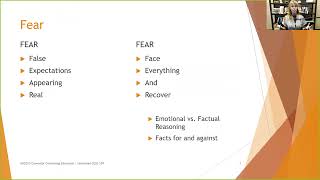
Dr. Dawn-Elise Snipes teaches mnemonics like HALT, FEAR, and EGO as quick tools for managing emotions, cravings, and relapse triggers in recovery. These acronyms work in group settings or one-on-one as reminders you can use when urges hit or sleep and relationships fall apart.
Chapters
If you enjoy this podcast, please like and subscribe either in your podcast player or on YouTube. You can attend and participate in our live webinars with Dr. Snipes by subscribing at allceus.com counselortoolbox this episode has been brought to you in part by allce.com providing 24.7 multimedia continuing education and pre certification training to counselors, therapists and nurses since 2006. Use coupon code counselortoolbox to get a 20% discount off your order. This month. This episode was pre recorded as part of a live continuing education webinar on demand. CEUs are still available for this presentation through all CEUs register@allce.com counselortoolbox. I'd like to welcome everybody to today's presentation on acronyms for Mental Health recovery. I say Mental Health Recovery because we use acronyms a lot already in Substance Abuse recovery, but it really applies to both. So, so you know, don't let it throw you. And let's see, we're going to review some quick tips and tools to help people better manage their emotions. And each acronym really represents a tip or a tool that you could potentially do an entire group or an entire psycho educational session. You know, in individual counseling. Sometimes I'll set aside 10 or 15 minutes to do a psychoed session to help people have something they can walk out of your office with that day that they can use. We'll explore why each concept is necessary in recovery. Most of them are pretty darn obvious, and identify ways to use each acronym to form the foundation for a group or homework to use with your clients. So the first one we're going to start out with is fear. And there are a lot of different ways that you can use fear as an acronym. I just chose these two in Substance Abuse Recovery and I use it in Mental Health recovery too. False Expectations Appearing Real so when people are afraid and a lot of our clients have some fear base to what's going on, they may fear that they're not going to get better. They may have some anxiety with their depression. They may have been so anxious so long that they just can't even get anxious anymore because they're out of gas. So we want to look at what is causing that fear. And fear is a natural emotion. And I tell people at the outset, just because you feel fear doesn't mean it's necessarily false. What gets us is the fact that a lot of times, you know, when we look at how many things we got anxious about or stressed out about, you know, maybe 10% of those were things that we really needed to attend to. So when people feel anxious, when they start getting stressed out, I want them to look at what's going on. What do they expect? And is this expectation grounded in reality or is it a false expectation? They're expecting the other shoe to drop or they're expecting the worst outcome. So false expectations appearing real can make people really anxious if they're using cognitive distortions or inaccurate reasoning. So I encourage them when they feel fearful to face everything and recover. Look at what's going on when you feel fear. And again, fear is a natural emotion. It's your body's way of saying something ain't right. There's a threat here. And I don't know if it's a real threat or it's just something that I've over generalized, but I'm feeling threatened. Okay, that's all right. Let's accept that and figure out what now. So we look at and you remember the challenging questions worksheet. I always go back to that. But the two big ones that we're looking at with fear, that can help people break it down because they're not going to get out a worksheet every time they get stressed out. We want to look at. Are you using emotional or factual reasoning? You're afraid right now. I got that. So are you assuming that this situation is threatening because you're afraid or is the situation actually threatening? You know, some people are afraid of snakes, so they go out hiking and they see a snake sunning itself in the, in the path. Now in Tennessee, I think there's like three poisonous snakes. There's lots of different types of snakes, but three are poisonous. So if I'm out hiking and I see a snake in the path and I get stressed out, then I have to stop and I go, is this a threatening situation because this snake could kill me? Or is this a threatening situation because I see it's a snake and I'm freaking out right now, so I assume that I'm in danger. One of the easiest ways to deal with that is to say, okay, well let's learn what the three poisonous snakes look like. That way you can differentiate. But in the moment we have to ask ourselves, is this emotional or factual reasoning? And encourage people, once they decide whether it's emotional or factual, usually they'll say emotional, then you say, okay, so let's look at the facts for and against. You know, we'll stay with the snake right now, knowing intellectually that there are only three poisonous snakes in the state of Tennessee. Then I look at this little green snake that's probably three feet long, sunning itself, not even giving me a second thought. And so the facts are the snake is sunning itself, it's not charging me, it's not in some aggressive posture, and I'm in its territory. And the likelihood of it being poisonous are slim to none. And. And the likelihood of it charging me if I don't poke at it are probably slim to none. So looking for the facts, is this a threatening situation? Should I be fearful now? If I start poking at it and irritating it, well, then that might be a different story. So then it's a choice. At that point, once you look at all the facts, yeah, some caution should be exercised. But what can you do to get around it so you're not passing paralyzed by your fear? So facing it, looking at whether you're using emotional or factual reasoning and looking at the facts for and against the situation can really help people become more cognizant of what they're fearful of. And I encourage people, and we'll talk about it on Thursday more when we talk about acceptance. But I encourage people to keep a running log. The things that stressed them out, made them anxious, made them angry, and then go over it at the end of the day and cross out those things that they got stressed out for a second over and they let go. That's awesome. You know, they radically accepted it and let it move on. And then go back and look in this case at the fear situations and re evaluate them in terms of were you using emotional or factual reasoning and what are the facts for and against it. So fear does not have to mean false expectations if you're facing it, if you're evaluating it, if you're looking at it, then you're countering the falsehoods. You're looking at it more objectively. So fear and face everything and recover is a strength. It's an empowerment sort of acronym that we can encourage our clients to take a look at what's going on and remind them that they have the ability to do this. They have the power to examine fear and decide what is truly threatening. And they should be, if you will, afraid of. Which means they need to take evasive action. Halt is the next one. Hungry, angry, lonely and tired. When we talk about vulnerabilities in dialectical behavior therapy, and when we talk about relapse, warning signs, and addiction really matter what we're talking about, these things keep coming up. Why? Because they represent vulnerabilities. When people are Hungry. Now, hungry doesn't always mean food hungry. It can mean hungry for love, it can mean hungry for something else. But hungry in general, when we talk about vulnerabilities, we are talking about proper nutrition. We want to make sure that the body has its building blocks to, to get what it needs. If they're angry, well, if you're already angry, if you get up and you are just a grumpy Gus from go that morning, then you're probably going to be more vulnerable, more likely to be set off by things that happen during the day because you're already there. When people feel lonely, a lot of times they don't feel like they've got the social support that they need. They don't feel like they've got the buffers they need. And we all crave, to a certain extent, support some sort of connection. So helping people figure out where they're getting their support from and encourage them to love themselves. One of the differences that we talk about, and when you're in group, you can go through all of these things and talk about the nuances of what can you be hungry for. But one of the things I spend a lot of time on with my clients is the difference between being alone and being lonely. I can be alone perfectly fine. I can be lonely in a room full of 40 people. So what does lonely really mean? And many times one thing it means is the person doesn't accept themselves. They don't like themselves very much. So they're constantly wanting other people to be giving them attention and they're not getting enough attention. They feel very lonely because they're not able to provide that for themselves. So self esteem work can work in here, but encouraging them to start differentiating what it is that's causing them to feel icky. And a lot of times clients will have kind of vague terms. I don't feel well, I feel depressed, I feel icky, I feel bleh. Okay, so let's be more specific about what is underlying that and being tired. If you're anxious a lot, if you're angry a lot, if you're stressed out a lot, or if you're depressed, you may not be getting good quality sleep. Or maybe you're just burning the candle at both ends. Being tired, your body doesn't have a chance to rest and rebalance. And think about it. When you're really tired, you're exhausted, and people just keep. It seems like dumping stuff on you, it wears on you. It's a lot harder to deal with it when you're Just doing all you can to get through the day. So hungry, angry, lonely and tired are things people need to be aware of. And you know, this isn't necessarily a negative acronym. This is one people can use. And I encourage a lot of clients to use, whether they've got depression or addiction, to check themselves when they do their mindfulness scan. Are they hungry? What are they hungry for? And sometimes again, that can mean food. You know, let's look at cravings, making sure we're getting adequate nutrition. But what else are they craving? What else are they needing? What are they hungry for in their heart? And keep a journal of hungry, angry, lonely and tired. It doesn't have to be a narrative. Some people won't do that. Some people will do like bullet points. And that's okay, but let's just get an idea of what's going on with you. And sometimes they won't feel any of these. And that's cool too. That's awesome. Matter of fact. And then in counseling, in group and individual, we can talk about how to address the hungries, how to address what's making them angry. Another way to use the acronym HALT is honesty, acceptance, loving, tolerance, which is mindfulness, basically getting honest with oneself. Being mindful about what you need and how you feel in the moment. A lot of clients have spent so long trying to be everything to everybody else, trying to be that chameleon, trying to always be fine, which is another one of my favorite acronyms, that they've lied to themselves. They don't even know how they feel anymore. So the first step is to get honest with yourself. What's going on? Are you exhausted? Are you depressed? And start sorting through those nuances and helping them develop the emotional IQ to be able to identify what they're feeling and needing. Then move on to acceptance, which is hard for a lot of our clients because once they get honest, they feel guilty for being needy, they feel guilty for having this want here or whatever. So helping them accept the fact that, oh my gosh, you're human, you have needs, you can't be everything to everybody without getting something in return. You're going to have bad days, you're not going to be on your A game all the time. Wow. Let's accept that you're a fallible human being. And that is a challenge for a lot of our clients to accept, in a sense, their own humanity. They expect, you know, think of a pole vaulting bar or whatever they expect. Most people are down here because when their kid's sick, when their co worker is out for a week. When something else happens, they don't hold it against them. But when that happens to your client, your clients, well, I should be able to deal with that or I should be able to push on through. So they hold themselves up to this standard up here that they don't hold anybody else to. So getting honest with what they need, accepting the fact that you know what they have, they're on the same plane with other people, and holding themselves up here is just creating misery. Being compassionate, loving with themselves and saying, you know what? I'm going to cut myself some slack. I don't have to be on my A game all the time. And this is another place where a lot of our clients really struggle because they're not used to being kind to themselves. They have that voice, that critical voice in the back of their head that's telling them they should do better. They aren't good enough. They're not going to measure up. They need to press on whatever it's telling them. So instead of being compassionate with themselves and saying, you know what? Today I'm not on my A game, or I'm stressed out about something, that's okay. What can I do to make the best out of it? They criticize themselves. So we want to encourage people to be honest, accept, be compassionate and loving towards themselves, just like they would to their child, their sister, their parents, whomever, and tolerance. Once you're loving and you've got that compassion there and you've decided what the loving, compassionate thing to do would be, then you've got to be tolerant of yourself. You've got to be tolerant of the fact that you're not perfect. So these kind of all fold in on each other. But encouraging clients to be mindful of what they need can really help them start moving toward letting go of some of the anxiety and not getting stuck in what. In what they call dirty discomfort, if you will. That's what they call it in acceptance and commitment therapy. Or you're struggling with that feeling. You get angry that you're angry, or you get stressed out that you're angry and you feel guilty that you're angry, well, that's just adding layers to the onion that's gonna suck energy dry. If we can help people be mindful, accept how they feel, be compassionate, and tolerate life as it is, and you know, that radical acceptance thing, they're going to be the better off. Now, does this always work? Well, of course not. But if they can have this tool in their toolbox and they can remember what they need to do it can help them diffuse probably a significant majority of those situations. Fine. This is another one of the acronyms. I told you I kind of like, freaked out. Insecure, neurotic, and empty. How many times have you gone into a room, met somebody, and they're like, hey, how you doing today? And you're like, fine, how are you? You didn't even think about it. You may not be fine. How many times do our clients come in and we're like, hey, John, how you doing today? And they're like, fine. I'm thinking to myself, well, I hope that's true, but probably not. Fine is a garbage term. I don't even allow it from my clients. When they say fine. I'm like, let's find a different word for that. Tell me, you know, are you feeling really good? Are you feeling bad? Are you numb? Give me something besides fine, because fine is that knee jerk reaction you tell people because it's the polite thing to say. Are you freaked out about something? You know, are you stressed? A lot of times, you know, our clients are struggling with stuff, so they may be. Are they feeling insecure in their relationships or in their self? Okay, are they worrying? Do they find that they're worrying about a bunch of stuff, you know, they're worrying about politics and they're worrying about the weather, and they're worrying about how to pay for Christmas gifts and yada, yada, yada, and do they feel empty? And empty strikes a chord a lot of times. The term that acceptance and commitment therapy uses in response to the question is called dirty discomfort. There's clean discomfort, which is the initial feeling of anger or whatever. And dirty discomfort is the feeling that you get when you struggle with that initial feeling and you try to fight it and try not to be angry and try. Try not to be anxious, and then you get frustrated because you're losing the battle and you get angry that you're angry. Another way to use the acronym FINE is faithful, involved, nimble, and experienced. And I couldn't come up with anything else besides nimble. I spent a lot of time in the thesaurus, but we'll talk about this. So faithful to oneself, you know, what are you doing to be true to yourself? What are you doing to be authentic? Authentic in the situation? What's going on right now? When I ask you, how are you doing? Be faithful to your wants, needs, and emotions and tell me, you know, I'm asking because I want to know. So be faithful to me in communicating honestly, involved. All right? This is how you Feel. So what are your options? You're involved in. You have the ability to choose how to improve the next moment. Right now, this moment is anger. All right, we've identified your angry. Now we'll look at what you're angry about and see what you can do to address that anger that will get you closer to the things that are meaningful in your life. So you're being faithful to yourself by acknowledging the feeling, examining what's causing it. Now, nimble means flexible in your ability to approach all these different problems, because the same solution isn't going to work in every situation. So being true to yourself, being involved, and recognizing that you have the ability to either change the situation or change your reaction to the situation. And experienced means you try it and you recognize that sometimes you're going to fail. It's, you know, you may try something to make it go away and it doesn't work. And you say, all right, well, that didn't work, but you're learning. Think about a woodcutter or a carpenter who's, you know, learning how to use new tools. You know, he's being faithful to his trade. He's identifying what he needs to do to accomplish this. You know, build whatever it is he's building. He's involved. He's looking at all the different ways he can make this happen. You know, if you're building a dog house, you can do it six different ways. He's being nimble and saying, all right, I may not have this thing over here, but I've got these other three tools. And he's experienced, and he knows which tools may or may not work. So by practicing with the new coping skills and the new tools, people actually start to become the word I hate. Fine. They start to accept life on life's terms and be kind of more Zen, if you will. And there, it's not a high, it's not a low. It's just I am. Two other acronyms that are kind of opposite of one another. Ego. And we use this, obviously in substance abuse treatment more than mental health sometimes, because we talk a lot more about the God of our understanding in substance abuse. But bear with me on this. EGO can stand for edging God out. And if you think of God, if you will, the God of our understanding for the clients who are atheists or who have a different higher power, we look at it as good, orderly direction, which is those things that are meaningful in your life. So in order to get to your destination, are you acting. You know, ego means I'm acting impulsively. For me in the moment. So I'm acting out of distress to make it go away. Well, what happens when people are doing things that are going to make them really happy in the present moment without considering the long term consequences? A lot of times it uses up energy. It may not hurt them, but it may use up energy that they could have been using to move toward their goals. So I want them to consider, when you do things, are you acting impulsively to eliminate distress or are you acting with purpose? Present focus. You're focused on what it is right now that you need in the moment, what's going on and how do I feel, what are my needs? What are my goals? See, we haven't acted yet. I'm looking at, I'm really angry. I want the anger to stop. My goals are to have a good relationship with my family and to have a successful career. So punching my boss is probably a bad idea. So we're reviewing the goals of our options, Choosing purposefully the best option in order to make this feeling kind of go away by improving the next moment and it gets us towards our goals so we're not wasting energy or going backwards. Well, you do that, then you observe the effects. You know, some, most of the time, hopefully it'll have the effect that you want. You know, you let it go. Maybe somebody's being a complete bully and you decide to not engage. You're like, you know what? Not worth my energy. You observe the effects. If they give up, great, awesome. If they continue to be a bully, then you may have to change course a little bit, seek support. You know, we don't always have all of the right answers. We don't always have all of the solutions. We have some, but if we try those or we try the ones that we think are going to work the best and they don't, then we may need to ask somebody else. You know, this situation is going on at work. My co worker is being a real bully. What would you do? So seeking support and then evaluate from there, what are your options? Do you have any new options? What can you do in this situation that will help you continue moving towards your goals? You know, like I said, if you're in an office and your office mate is a bully and irritates you, constantly screaming at them, undermining them, you know, getting violent, obviously that's going to get you fired. And if one of your goals is a successful career, well, that's not going to work for you. Quitting your job, that may not help you have a successful career. So you want to look at, are you doing things with a long term focus that help you? You know, we want to stay sane and happy in the moment, but sometimes it's a matter of delaying gratification, if you will. You know, maybe you end up choosing to find another job, but you're not going to quit this one quite yet until you have a new job. So we want to move from being ego driven or driven by self and distress intolerance, having just to make pain stop immediately. I don't care what I got to do. Which usually involves addictive behaviors, acting out anger, pushing people away. None of those generally has good consequences or purpose driven activity. When urges come along and urges happen with people who have anxiety, you know, they just want to crawl out of their skin, they want to scream. If they have anger, they may want to put their fist through a wall. Depression, they may self harm. You know, there's a lot of urges that come up. Urges are unpleasant a lot of times, or at least the ones we're going to worry about. The pleasant urges, if you have the urge to go run six miles, go for it. But if you have the urge to do something that is unhelpful or destructive, we want to look at it. We recognize that when we have urges, they're often unpleasant, they're often reactive or distress intolerant. As Linehan would say, something happens. And we've talked about the BEE acronym before or not acronym, but metaphor. A bee lands on your arm. Most of us, our initial urge is to wipe it away. We don't want a bug on our arm. And if we recognize it to be, we make it fearful that it's going to sting us. So we have this unpleasant feeling. You know, we're scared. Our reaction is to swat it away, but it's likely not going to end up happening. Gravitate stands for gravitating towards our old behaviors. When we're in a situation where we're having an urge, a lot of times it's in response to, to a strong feeling. So having clients identify the urges that they have and what triggers them. Unpleasant reactive situations where they just want to make it stop, what do they do to make it stop? What do they gravitate to? What are their go to's when they're feeling unhappy or stressed or angry? You know, some people will go to bed for me, I go out and I work in the yard. So my kids know that based on the power of the power tool that I'm using in the yard, whether or not it's okay to come ask me something. So if I have the chainsaw out, they know mommy needs a few minutes. If I just have the hedge trimmers, not a problem at all. But we all have these go tos that we gravitate towards. So I want to encourage clients to. To identify what new behaviors, what healthier behaviors can you start using and remind yourself to use. So eventually, when you have an urge, you'll gravitate toward them. And a lot of times, urges result in extreme behaviors. So it's not just, you know, back to the bee on the arm. It's not just, you know, gently blowing it or it's, oh, get off. Well, that's generally not super helpful. So we want to have them look at something that's more. For behaviors that are more moderate. So listing different urges, different unhelpful reactions people have. You know, you can list them on the whiteboard. And so people can see that they're not alone. You know, if they want to put their face into a pillow and scream until they're blue in the face, there's probably at least one other person in the room that's had that same feeling at one point or another. Is it the healthiest reaction? Not always, but they don't feel so isolated. And then we can start looking at what other behaviors could you start gravitating towards? What else can we make habitual now? So when you have an urge, a lot of times there's that feeling and you're gravitating towards old, unhelpful behaviors. Well, I want you to stop and think. I want you to be thoughtful about what it is that's going on right now and what you want out of life. And this, because sometimes it's a matter of saying, I don't want to do this anymore. I want better for myself. Be honest about what's causing the distress, because distress has prompted the urgent use intelligent decision. And when I say intelligent, I really mean get into the wise mind. We want to help people use distress tolerance skills to get out of that emotional mind where they're reacting to urges. Let that wave come in and go out. Use their wise mind to decide what's the best course of action and what is necessary in this particular situation in order to solve the particular problem or address whatever's causing the urge, and to be kind to themselves, recognizing that, you know, this is hard and they're not going to stop and think all the time. But even if they have a situation and they act on their urge and they're like, oh, Crap. I did it again. Let's be thoughtful, honest, intelligent, necessary, and kind to ourself. Look back and go, what can we learn from this situation? Urges come in a lot of different shapes and sizes. One of the most common urges that I hear of in mental health groups, if you will. So we're not focusing on substances and addictive behaviors. Two of the most common urges or reactions to stress are wine and food. You know, so we look towards those things that are going to stimulate our serotonin receptors and stimulate our pleasure centers. Helping people understand that is important. So then we can look at. We can even put up on the board what things, you know, which days did you crave or did you have the urge to drink more wine? And what was going on. Now, some people drink wine just because they like it, but if it's one of those behaviors that they gravitate towards when they're stressed, my daddy always used to do that when he'd have a really bad day at work. He'd come home and he'd have a beer or six, and that would, you know, help him, I guess, deal with the distress. It made the distress go away. And that was one of those. That was extreme, reactive that he gravitated towards. It didn't solve anything. So the next morning, you know, he still had to face whatever it was. So I encourage clients to remember that a lot of times, urges don't solve anything. They temporarily numb the pain or distract you from the pain. If you think in response to the urge, then you can often figure out ways to deal with it to make the underlying cause go away. Think about if you have an itch. You know, sometimes an itch is just an itch, and you scratch it and it goes away. Sometimes you've got, you know, heaven forbid you've got athlete's foot or something. Well, if your urge is just to scratch it, well, that makes the itch go away for the moment, but then it's gonna start itching again. You need to think about what's causing the itch. You know, the fungus. Ew. And how do I deal with it? What do I need to do? And, you know, with athlete's foot, you're going to put, you know, get some kind of cream or medicine to put on it. But you're also probably going to have to disinfect your shoes or change your insoles. There are things that you need to do, so you need to make intelligent decisions about how to handle this particular urge. I find with a lot of clients, putting things in terms of you know, physical health issues or something before we address the emotional stuff can bring it home a little bit more, even if it is kind of gross. RAID and scan. This helps people learn to become more mindful. And you can use either one of these, whichever seems to sit with your people better. RAID stands for recognize what's going on, allow it and accept it and just say, okay, it is what it is. Investigate what's causing it, what's going on, and what are your response options, and then decide how to improve the next moment. A different one they can use is survey. Compassion, awareness and needs. So survey the situation, what's going on. And I don't want to look at just this little tiny sliver. I want to look at in the big picture, what's going on. You know, it's harder to handle things. Look at your vulnerabilities, look at what else contributed to it. Get an idea of the big picture of what's going on. Have compassion for yourself and anyone else involved in the situation. Increase your awareness of what might be causing it and then address the needs in order to resolve what's going on. And this doesn't always necessarily mean there's a problem. You know, sometimes you can use the scan at mealtimes. You just survey yourself and identify what's going on. Have compassion. You know, don't judge how you feel. Just identify how you feel and become more aware of, you know, your own rhythms and your own triggers and start addressing those needs so it doesn't have to be used just in a unpleasant sort of situation. Now, distress tolerance we're going to do accepts and improves. We've gone through those a bunch, but they are definitely worth adding because a lot of what we've been talking about are ways to help clients get into their wise mind, get out of that emotional reactive mind. Activities. Having activities they can do that can distract themselves. Like I said, for me, going out and doing yard work can be very helpful. Other people may hate that. They may prefer to cook or clean house, whatever it is that does it for them. Have a list of three things because you know what works on Monday isn't necessarily going to work on Thursday. Contributing. Encourage them to volunteer. Get involved with other people doing something, because a lot of times if you start doing that, you're going to get involved in that project and out of your own headspace. Compare yourself to people who've gone through similar things and have come out the other side. Successfully use opposite emotions. So if you are angry, well, if you're angry, scared, sad, whatever, do Things that make you happy. Figure out how to stink and laugh. And you know, sometimes you can laugh at yourself, sometimes you can laugh at a stupid movie or if it gets really desperate, there are apps that have knock knock jokes on them. And I don't know about you, but sometimes when I'm at my most stressed out, the things that would make a three year old laugh make me laugh too because they're just so inane. Whatever works for you. Push away those feelings, you know, push it away and go, I'm not dealing with this right now. I'm going to table it until tomorrow. Encourage them to use have happy thoughts. And you know, it's not easy to come up with happy thoughts when you're in the middle of a crisis. So these are all things you want to have them do in group. So have flip chart sheets around the room. One for activities. What activities can you do when you're feeling distressed that can help you feel better and have people put their own suggestions up there. What works for Jill may not work for Jane, but it may. So let's put all those up there and just start brainstorming. What can you do to contribute? You know, that's a hard one for a lot of people and it's kind of hard one to do on the spur of the moment. So it's important to think about what can you do? Whether it's picking up trash or, you know, I don't know. But a lot of times that's volunteer work takes a little bit of planning, comparisons. How do you find people who've gone through similar things? And the short answer is Google it. Chat rooms, message boards of people who are dealing with similar things, and support groups, opposite emotions. What can you do that makes you happy? And this is a fun one to do. And encourage people to kind of tap into that inner child and find some of the things that just make them laugh or help them feel content. Push away feelings. You know, that's one you don't usually need to brainstorm very much because people just need to, you know, imagine they're pushing it away. Have them create either a collage or a list of things that they can think about that make them happy. You know, memories from their past, a movie that they saw, something. You know, I've got kids and animals, so there's always something that I can think about that's just hysterically funny. I'm sorry, it's. They're funny. So encourage people to keep that handy. I have a video of my daughter doing breaking at one of her last martial arts testings. And oh no. She was sparring with her brother and he didn't mean to, but she came up to try to kick him and he blocked her. And she just flat out. And I have never seen her just like fall like a pancake before. And I shouldn't laugh. She was perfectly fine. Don't get me wrong. But it was just so shocking to see that. It's kind of like something you would see in a cartoon that it, you know, it's one of those things that I laughed. I'm sorry. And sensations. What can you do to distract yourself? Take a warm bath? Take a cold bath. For me, I listen to really loud music. That helps jar me out of my internal mind place and into somewhere else. Imagery. Imagine yourself successfully getting through whatever the situation is. Or just imagine something completely different. Your safe place. And you can have people do collages for this as well. But you want to encourage them to really talk it through. And I'll have my clients, if they're willing to share, walk us through their place, wherever they're going and use all of their senses or a successful resolution to their problem. And we really encourage them to use what do you smell? What do you hear? What does it feel like? And I think as they articulate it and share it with the group, it helps them become more. Helps solidify it more in their mind. Try to find meaning in what's going on. Okay, this really sucks right now. What can I get out of this? How am I getting stronger? How is this going to benefit me? It could be worse. Some people like that one. Some people don't. Prayer. If you are with a group who is okay with prayer, encourage them to either find or write their own prayers that can help them. Or maybe they just talk to their higher power. Whatever works for them. But if they construct their own prayer, then that can be very meaningful for them as well. Relaxation so important. There are a lot of scripts online that people can use for progressive muscular relaxation. But for some people, it's just a matter of taking a yoga class or exercising, doing something to get all that stressful energy out. These are other things that, you know, relaxation is one that you can brainstorm for a while. How do you relax? Because most people have never really thought about it, you know, except for I watch, I binge watch Netflix. That may or may not be relaxing. That may just be vegetating. So how do you help yourself like physically and mentally relax? Focus on one thing at a time. Take a mental vacation. Get encouragement. And this is another One. Where do you get encouragement from? I remember before I took my NCMHCE or whatever that awful exam is called, I was studying for it and before I went to take my test that morning, my daughter was 76 and she had put little sticky notes on around the house and in my books and I kept finding them throughout the morning as I was making the bed and reviewing before I went in to take the test and she, she was giving me these notes of encouragement. Such a sweet little girl. I don't know where she got that from because that's not something I would probably think of doing. But it did teach me something. And you know, I Learned from my 6 year old how important notes of encouragement are. So encouraging people to even put their own notes of encouragement, it doesn't have to come from somebody else. Encourage them to put little sticky notes around so they find them once in a while and remember how awesome they are. Sleep so important. I use the acronym shades and we talk about in group how to create a sleep routine and why sleep is so important to managing anxiety and depression. So that sleep routine, those three things you do before bed each night that cue your body in that it's time to start winding down. Hydration, you need to stay hydrated so you don't wake up and you're thirsty, but you also don't want to drink so much that you're getting up to pee three times a night. So encouraging people to drink enough water and then stop drinking as much, at least you know, about three hours before bed. I educate clients on the effects of alcohol and antihistamines on their sleep quality. Yes, it may help them get to sleep or pass out sooner, but it generally inhibits their deep sleep so their sleep quality is impaired and alcohol actually exacerbates sleep apnea. So if they have a blood alcohol when they're going to sleep, then they may actually stop breathing as well, which will impair their sleep quality. So alcohol and antihistamines, unless the doctor prescribes some sort of antihistamine sleep aid. And when I talk about antihistamines, what they've looked at in the studies have been basically diphenhydramine or Benadryl, they're not, they haven't done studies that have found the same effect of your non drowsy antihistamines. But the, and there was one other anti histamine they used to have in nyquil that will knock you right on your butt. I can't remember what it is, but any of those drowsy antihistamines will likely impair your sleep quality, although your you'll fall asleep sooner. Darkness. Your gland in the front of your brain gets its sensor readings from your eyes. And even with your eyes closed, you know, if you're in a room with a light on or a light off, it's very sensitive to light. So it's important that people sleep in as dark a place as they can. So we'll talk about, you know, sleep masks can help some people, but it's also important to have or reduce, preferably eliminate blue light, which is the light that comes from your mobile devices and your computers. 30 to 60 minutes before bed, so your body can start getting into sleep mode. That blue light is really what triggers the awake sort of stuff. Ergonomics. Have a comfortable bed and a good pillow. It sounds silly, but it really is important. So you're not waking up, tossing, turning, refluffing your pillow. I, I know I sound like a commercial for some sort of pillow, but the same thing is true with your mattress. If your mattress is hot and lumpy, a lot of the old memory foam mattress toppers hold heat in. They've got gel coatings now that disperse the heat more. But if you're waking up because you're hot, especially if you've got clients who are going through menopause or perimenopause and they're waking up because of hot flashes anyway, you can do to make a comfortable night's sleep the better. So encourage them to look at making sure they're sleeping well and eliminate stimulants. Nicotine, I believe, stays in the body for an hour and a half to two hours. And caffeine will stay in the body for 12 hours. So what you drink at noon is still affecting your sleep at midnight. So encouraging clients to just become more cognizant. And, you know, there are lower caffeine options, there are decaf options, there are lower nicotine options if they're not willing to give up that cigarette right before bed. But do encourage them to look at what they're doing. And the shades acronym is one they can take home. And they can complete this as a, as a worksheet. Not necessarily. That's one that's fun to do as a group, but it is a good psychoed presentation. Relax. Like I said, a lot of our clients have never learned how to relax. Start with recreate. When we relax, when we recreate, we laugh, we let some of those, you know, happy hormones go. We get the GABA involved, we get serotonin involved, we get dopamine involved. That helps our body relax and feel happy and calm. So we want to encourage people to recreate what does that look like for people? And a lot of my clients have spent so long adulting, as they put it, you know, getting up, going to work, coming home, going to sleep, getting up and repeat that they've forgotten what they enjoy doing. You know, they don't really have any hobbies anymore. They don't have time for hobbies. They're, you know, either at work or toting kids from ball practice to some other lesson. So I encourage them to think about what can you do to recreate and setting aside time. And this is something we can brainstorm. You can brainstorm as a group, but it's also something that a lot of clients, especially those with social anxiety or self esteem issues, have difficulty finding ways to recreate and feel comfortable in front of other people. So we want to look at what may be some barriers to recreation for you and how can you start overcoming those in substance abuse treatment. You know, we would have people for 30, 60, 90 days and they'd have to go out and play volleyball and, you know, do activities together and they learned how to kind of laugh at themselves as well as have fun without the use of substances. But this is true for any client, making sure they know what they enjoy. What are your hobbies? Exercise. Some people love it, some people hate it, but it's one you can throw out there. And it can mean going out and playing with the dog, doing yoga or going on a six mile run, whatever, you know, floats your boat. Laughing. One of the best medicines out there, it releases stress, it reduces endorphins. It is a great thing to do if you can, you know, start each group with some sort of a joke or something that will help people laugh or a funny video. If you have AV equipment in your at your disposal. But encourage people to laugh three times a day. I know it sounds stupid, but it really does help people kind of get out of their head for a second and relax and release some of those happy hormones. Encourage an attitude adjustment. If you are a negative Nelly and you're conspiracy minded and you're always looking for the worst in people and things, you're not going to relax because all you're going to see is doom, gloom and the sky falling. So in order to relax you have to have an attitude adjustment and explore new hobbies, interests and places. This can be a fun one where you put up sort of a bucket list. What types of things do you guys want to learn how to do what do you think would be interesting? And people who share hobby interests can get together and learn how to do them. You know, together they can figure out where their classes, you know, arts and crafts classes or kayaking classes or whatever. There are things they can figure out how to do together. And depending on your agency, you may or may not have policies about people socializing outside of group. But even if they can just work together in group to figure out how to learn this or explore this new hobby and interest, and they'll often share ideas about things, you know, something Sam's done that Jane hasn't. And it can be an interesting conversation and get people excited. And when you've got a group of clients who are struggling with depression, seeing them get excited and hopeful about something, I'm like, score. So when are you going to do that? And we need to encourage them to implement a plan for relaxation, not just talk about it. Self esteem, strengths. Focus on them, not your weaknesses. We all have weaknesses. Focus on strengths. What do you bring to the table? Encouragement. Encourage people to encourage themselves. And you can do this by positive self talk, leaving yourself notes, keeping a journal, whatever it is that works for people. Love encouraging clients to love themselves. Because it's really hard for other people to love you if you don't love yourself, if you are projecting an unworthiness. So a lot of clients don't know what they like about themselves, let alone what they love about themselves. So I asked them about their best friend and their kids. What do you like about them? What do you love about them? And we make lists of things that they like and love about the important people in their life. And then I say, okay, now of that list, which things describe you? And generally they can find, you know, five or ten things off that list. So we start building from there and friendship. We need to like ourselves. You know, there's a difference between loving and liking. We can give ourselves positive regard and all that kind of stuff. But if you don't, if you're not your own best cheerleader, if you're not your own best friend, then you're going to be looking for that from other people and often getting disappointed. So encouraging people to be their own best friend and you know, maybe you want to go out to dinner tonight and nobody else is around, well, go out to dinner anyway or go get an ice cream or whatever it is you want to do. I use this as a take home from doing self esteem groups to encourage people to remember what we talk about and why self esteem is so fundamental to dealing with depression and anxiety because people need to be able to validate themselves and not rely on other people. Relationships favorite. You know, I got a favor to ask you. Well, favor here. You want to be fair in relationships. It's a give and take. It's not a take take, nor is it a give give. So relationships need to be fair. So let's look at our relationships and you know, is it a give and take? And if not, how can you make it happen that way? Be aware of each person's perspectives and needs in a relationship. You know, sometimes people are going to be going through a really bad time and they may be taking more. Well, you know, that's okay as long as again, it's fair and eventually it balances out. But you also have to be aware of what your needs are. If this person is really struggling right now, but you're really struggling too, you know, two drowning people aren't going to do well to help rescue each other. So if you are also struggling, you know, you may be able to extend some encouragement, but you may need to reach out somewhere else for support or you may need to look within, validate what each person needs. It's not right or wrong, it just is. I'm hearing you're needing this from me right now, and I'm hearing myself, I'm hearing myself say, I need these things and I'm going to validate my own needs and recognize that I'm worthy of love, I am worthy of support and encouragement and. And it's okay for me to set boundaries. Opportunity is when you look for the ability to compromise in relationships. You know, you're trying to be fair, you're trying to do the give and take. You can't always meet everybody's expectations. You know, there may be very, very valid expectations, but you may not be able to meet them. So how can I best try to meet them? How can I meet you halfway and then be respectful? You know, sometimes people are going to get angry. Sometimes things aren't going to work out the way you want. But respecting that, people have to be true to themselves and maintain their own boundaries. So this obviously is one that we do in a group on relationships when we talk about healthy boundary setting, saying yes and the ability to say no and not feel guilty about it. Communication is loud. Listen, listen without forming your response before the other person finishes speaking, stay focused on that person's words. And I find for a lot of people it takes a good couple of weeks to get the hang of this because we're so used to formulating our thoughts and opinions and everything while somebody's talking or jumping the gun and trying to solve a problem before we know the whole thing. Observe what's going on. Not just the words, but observe the body language and what you can get from that. Understand by putting together the verbals and the non verbals and what you know of that person. Come to understand what that person needs and describe it, which is basically paraphrasing what they're saying. And if you both do this then you're going to be on the same page and be communicating more effectively. Each of these acronyms can be used to increase awareness of stressors, of things that cause anxiety, trigger the use of new skills and reduce stress. So a lot of times these acronyms are the take homes that I give people so they remember what we talked about in group. To use them in group, choose the acronym Explore with the clients why that concept is important in recovery. Why is it important to deal with urges? Why is it important to have effective communication or to develop self esteem? Have clients identify how they operate, operationalize or define each term. So what does it mean to them to listen and observe and understand so make sure they get the concept or what does it look like in a relationship that's fair. Tell me about a relationship you know where it was a really awesome balanced relationship that nobody felt taken advantage of. Likewise, tell me about a current relationship you might have not using names that seems imbalanced. Tell me what might help it feel more balanced to you, what could change or what would you like to see changed that might help it feel more fair and balanced. So encourage clients to define some of these more abstract concepts for themselves so it's meaningful. And then you can also have them create an infographic for each. And this doesn't have to be on the computer. You can use poster boards and magazines. But what does you know going back? Relax. What does recreate stand for for them? And exercise and laugh and attitude adjustment and explore new hobbies. Have them create some sort of Pinterest ready infographic sort of thing. You can take pictures of it so they have it on their mobile device and that also helps them again solidify it in their mind or what that particular concept means to them and how they can use it in their recovery. Are there any questions? Alrighty everyone, I will talk to you. See you on Thursday and have a wonderful middle of the week. Yes. On the quiz for those of you who haven't taken it. Let's see, how can I put this? You are not limited to the use of acronyms. Just by what you can find online. You can come up with your own acronyms. And as a matter of fact, I encourage you to. So if you have particular keywords or buzzwords in your therapy group, I would encourage you to put those letters up there on the board and have clients brainstorm how they could turn that into an acrony.










