Mental Health and Mental Illness Fundamentals Part 2 | Counselor Toolbox Podcast Episode 287
Dr. Dawn‑Elise Snipes presents a webinar-style podcast reviewing prevention (primary/secondary/tertiary) and community- and individual-level strategies to reduce onset, recurrence, and impact of mental illness. The episode summarizes risk and protective factors across ecological levels, compares major treatment approaches (psychodynamic, behavioral, cognitive-behavioral, humanistic, pharmacological including ethnopsychopharmacology), discusses barriers to care and culturally responsive practices, and introduces the recovery concept and Recovery-Oriented System of Care (ROSC).
Chapters
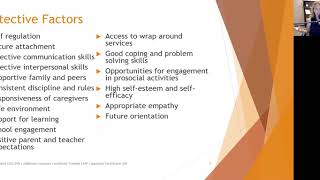
This episode was pre recorded as part of a live continuing education webinar on demand. CEUs are still available for this presentation through all CEUs register@allceus.com counselortoolbox. Hey there everybody, and welcome to part two of Mental Health and Mental Illness Fundamentals. Today we're going to review prevention strategies for mental illness, identify the fundamentals, benefits and drawbacks of the most common treatments, psychodynamic, behavioral, humanistic and pharmacological. We'll identify the factors that can enhance utilization of services, including providing culturally responsive services, addressing unique coping styles, looking at the role of the family in treatment, and exploring ways to address cultural barriers, including mistrust and stigma. And finally, we'll explore the recovery concept and its impact on mental health and mental illness across the lifespan. So let's start out with prevention, because as they say, an ounce of prevention is worth a pound of cure. Prevention has been conceptualized as primary prevention, second, secondary, or tertiary. So in primary prevention, we stop a problem from ever happening or we delay the onset of a problem, but ideally we want to stop it from ever occurring. So let's take a medical example, cancer. I mean, ideally we prevent somebody from ever getting cancer, but at the very least, we help them stay cancer free until they get, you know, 65, 75, 85. Secondary prevention prevents something from recurring or worsening. So again, with cancer, we'll stay with that for the moment. We don't want to have the cancer to come out of remission or get worse and metastasized. For example, tertiary prevention reduces the impact of the problem. So tertiary prevention would keep the person from developing major depression and any kind of other health problems as a result of the cancer. So let's talk about that in terms of mental health. We want to stop people from ever becoming depressed. I mean, ideally, stave that off. Now, we all experience depressive times in our life. You know, you'll have times where you're grieving or you're depressed about something that's normal. But we want to prevent people from developing major depressive disorder. Know where they're two, three, four weeks, they just are having a hard time functioning. Secondary prevention. You know, if they get a depressive episode, okay, well, we want to prevent it from recurring, if possible, or worsening. We don't want them to become suicidal if they have something called dysthymia or persistent depressive disorder is what we call it now. You know, that's kind of like a mild depression. Think like Eeyore. And we don't want people to get Worse, we don't want them to become severely depressed. So that's secondary prevention. They already have the issue, but let's prevent it from getting worse. And tertiary prevention reduces the impact. So if they get depression. Yeah, that is. Or become depressed, if you want to put it that way, that's unfortunate and it's unpleasant, I get it. But we want to help reduce the impact on their work, on their family life, on their self esteem while they deal with depression. So those are the three main types of prevention. Now we can engage in prevention activities by strengthening knowledge, attitudes and behaviors that promote emotional and physical well being. So if people are taking care of themselves, if we educate them about positive health behaviors, we're going to help them prevent negative health outcomes. And promoting institutional, community and government policies that further physical, social and emotional well being in the community. So for example, when you're, when we're talking about institutional policies, think about school. What kinds of things can schools do to help prevent depression? They can address bullying. They can provide units in health class on coping skills and cognitive restructuring. They can interface with the family and the community to identify any particular needs that may need to be addressed. Communities can do the same thing. They can interface with other agencies, mental health agencies and schools and businesses to identify the types of services that people in that community need in order to stay happy and healthy. And government policies often revolve more around funding for all of these things. Prevention is based, it's not just, let's just pull it out of thin air sort of thing. Prevention is based on theory and research. So we do know that there are things that we can do that prevent mental illness. Prevention addresses the individual as well as the micro, macro and exosystem. And if you think back to Brof and Brenner's theory, if you've gone through that class that I talk about child development, Brofen Brenner talked about the ecological model of counseling. The microsystem. You have the individual and all of their personal traits, their temperament, their abilities and disabilities, their microsystem, you know, the people that they live with, the. Then you go out to the macrosystem and you start talking about, you know, the businesses and the community that they live in. And then the exosystem is talking about the culture in general, like the country that we live in, and how all of these things impact the individual. And you're thinking, well, things on the country level don't impact the individual. Oh yes they do. Political stresses impact the individual. What is in the media, whether it's news media or on, you know, primetime television impacts the individual and our attitudes about other people, our attitudes about what we should do, our attitudes about how we should look. You know, all of these things are affected on the macro, micro and exosystem. Okay? So prevention premise, prevention activities need to focus in all of these areas, not just on the one person. Because one person doesn't live in isolation. We're impacted by lots of different things. A person who lives in the middle of Chicago is going to be impacted by very, very different things than a person who lives in the middle of rural Tennessee. They both have their stressors, but we need to address those issues. That's that macro system that we need to look at in order to provide effective prevention for both people. Prevention focuses on strengths development and enhancing protective factors. Instead of trying to get rid of depression, we want to prevent it from occurring, which means we have to help people have the skills, tools and building blocks to do what they need to do to prevent it from happening. We do want to reduce risk factors. Prevention means reducing the risk factors so people don't develop depression, but we want to reduce those risk factors as much as possible. Many mental health problems share some of the same risk factors for initial onset. So targeting those factors can result in positive outcomes in multiple areas. So for example, ptsd, anxiety and depression all have some similar risk factors, including abuse and neglect. And this can be direct abuse where the person is abused, or indirect where they see their parent being abused or they see their sibling being abused. It doesn't matter. Either one of those is very stressful and traumatic to the person. Family discord, including just an air of hostility. I mean, there doesn't have to be any overt violence, but if there's a lot of hostility and fighting and bickering and people are always grumpy, that contributes to high levels of anxiety and depression, not only in children, but also in the adults. Domestic violence obviously can be traumatic, and in some cases, divorce can be trigger for depression and anxiety. They identified that as one of the risk factors in adverse childhood experiences that are associated with the development of depression and anxiety. Low self esteem is another one of those things that underlies depression, anxiety and you know, potentially the development of addiction, lack of supportive family or peers. We're not meant to live in isolation. We are meant to be around other people. Now we are in large part an independent society, not an interdependent society. So we don't rely on others for everything. But as humans, you know, we crave some sort of a connection that's why we have an entire hormone called oxytocin. That's our bonding hormone. So people need to have supportive peers and family that they can rely on when, especially when the going gets tough. A lack of school or work success can lead to people feeling stuck, hopeless, helpless, anxious and depressed and a lack of involvement in pro social activities. When we get involved in those activities, it gives us a different perspective. It enhances our sense of self esteem. There are a lot of benefits from that. So we do want to ensure people have opportunities to engage in pro social activities. That can be volunteering, that can be engaging in a participating in a book club, going to the gym. Any of those things can help people be around other positive, healthy individuals. So protective factors, remember I said we want to focus on those more than eliminating deficits. Self regulation. If children are able to self regulate or if we work with adults who have difficulty with emotional dysregulation and we teach them skills and tools to regulate their emotions, that's a huge protective factor because they will feel a greater sense of control over their life and what's going on. So there will be likely less anxiety and less depression. Secure attachment, you know, that happens in early childhood, but it affects all of our relationships now. People's attachment styles can be changed, but it often requires going through counseling and understanding attachment issues and working through those abandonment and attachment issues before they can securely attach with another adult human being. People need effective communication skills and effective interpersonal skills in order to get that social support. We need to be able to communicate and play nice in the sandbox. You know, we need to understand creating a win win and compromise and empathy and all those things. We need to encourage family and peers to be supportive of one another. We need to educate people about different temperaments and different love languages so they can be supportive of one another. Meaningful ways. Consistent discipline and rules also creates an environment that is less chaotic and less stressful, which leads to less depression and anxiety with children. If their caregivers are responsive, then children feel less afraid and less anxious about things. Everybody needs a safe environment. You need to be able to go to sleep whether you're 2 or 62. You need to be able to go to sleep and not worry. You need to be able to get deep restful sleep. You need to be able to be in an environment that is emotionally and physically safe so you're not feeling condescended to or criticized all the time. That's important. It doesn't matter what age you are. If you don't feel emotionally and Physically safe. It's going to increase stress. It's to going, going to increase feelings of helplessness and hopelessness, which translate to depression. Support for learning needs to be there. You know, we all learn. I learn every day. I learned something new today. You know, I try to learn something every day and sometimes I learn multiple things. But there needs to be support for people to learn and grow even into their elder years. There needs to be good school or work engagement. We need to feel like wherever we're spending the brunt of our waking hours, we belong and we matter and we have a voice. There have to be positive parent and teacher expectations for children and there have to be positive family and employer expectations for adults. You know, we want employers to believe that their employees are going to succeed. Not, you know, let's see how long this one will last. No, we want employers to go, we've got a great person, let's see how we can help that person develop. We want teachers to see children and all of their potential. Instead of seeing children as a number and a test score. We need to make sure that people have access to wraparound services and that's everything but counseling. Basically, when we talk about wraparound services and counseling, we're talking about everything else that helps the person reduce stress and achieve their goals and be happy and healthy. Child care, financial counseling, employment counseling, transportation, legal assistance. You know, you can name off two dozen things. These are all essential to have in your community. And we're going to talk about, we're going to talk about it later. But this can be referred to as a Recovery Oriented System of care. In a Recovery Oriented System of Care, or ROSC for short, the community bonds together and they say, okay, what types of resources and services do people in our community need in order to be happy, healthy, fulfilled, yada yada. Like I said in downtown Nashville or downtown Chicago, that's going to be different than in downtown rural America or even downtown suburban America. We need to take each community specifically and figure out what needs they have. Good coping and problem solving skills are essential for emotion regulation and dealing with life on life's terms. Because sometimes life just throws us a pile of crap and we got to figure out how to deal with it. So these skills, we're not born with them, we learn them. We need to be educating children in school about how to cope and problem solve. We need to provide resources online. We need to provide, you know, coaching resources. Potentially at your employer, maybe you have an EAP on call that can answer problems. These are all protective factors that can help people solve a problem before it becomes overwhelming and untenable and leads to a mental health issue. There need to be opportunities for engagement and pro social activities. The ability to develop high self esteem and self efficacy. So self esteem is how you feel about yourself and helping people feel good about themselves and say, you know what, I'm not perfect, but I am a really good person. That's what we're striving for because nobody's perfect. And self efficacy is people's individual belief that they can achieve their goals. Self efficacy is there that can do attitude. If they believe that nothing they do is going to make any difference, then they're going to feel helpless and hopeless a lot of times. So self efficacy helps people believe that they can achieve their goals and change their situation as needed. Appropriate empathy, a necessary protective factor. That ability to understand where another person is coming from. And that's part of interpersonal skills. But I felt it was worth breaking, breaking that out because that is another thing that, you know, we don't need to overtly learn, but we do learn as we're growing up. We learn to be empathetic to other people and we need to have a little bit of a future orientation. I'm not saying we want to live in the future. I really encourage people to live in the present and be mindful and say, okay, I have a certain amount of energy. Let's call it a gallon. I've got a gallon of energy. I can either pour a bunch of it in the past and pour a bunch in the future and then have a quarter gallon for right now, or I can use that gallon to make right now the best it can be. Because if right now is the best it can be, helps me move towards my goals, then guess what? The future is going to be pretty daggone bright. But we can't eliminate risk factors because sometimes or avoid dealing with them because sometimes they exist. So we want to look at these and say, how can we mitigate these things? Neurophysiological deficits, which is, you know, encompasses a whole bunch of stuff like autism, epilepsy and cerebral palsy. Okay, you've got these issues that children may develop or adults may develop. Adults can develop them too. And if they happen, they happen. There are some things we can do to help prevent them. But we don't know, for example, all of the causes. We don't know what causes autism. We don't necessarily know what causes epilepsy. So we may not be able to prevent it from happening, but we can mitigate Its impact on people's mood. So if somebody has autism, early intervention is a way of working with them to prevent the development of mental health issues, to prevent the development of depression and anxiety later in life where they, yes, they still are dealing with their autism diagnosis, but they're not developing other diagnoses. On top of a difficult temperament is another risk factor that you know, some, some people are more difficult to soothe and more, you know, some babies are fussier and you know that it is what it is. But we can work with those people as they grow to help them develop self regulation skills. Chronic illness. We want to help people feel empowered. If they've got, for example, multiple sclerosis or cystic fibrosis, HIV or anything that's some kind of a chronic illness, yes, they've got that illness. Let's prevent that from also becoming that diagnosis plus depression plus anxiety. So let's help them figure out how to live a rich and meaningful life with their chronic illness. Below average intelligence or learning disability. Early intervention helps a lot with both of these things if we can intervene. Research has shown that when students start to fail in school or people start to flounder at work, their self esteem goes down and their risk for depression goes way up. So we do need to make sure that we identify learning disabilities early. So if a student is having difficulty reading, then because they're dyslexic, we, we can get them early intervention so it doesn't impact their self esteem or their mood and below average intelligence. We want to help people make the best of what they've got and provide reasonable accommodations in order to make sure that they are able to function as optimally as possible. Family dysfunction is another risk factor and we can provide all kinds of services for family counseling, through churches, through community centers, through counseling. But it's important that if family dysfunction exists, we recognize that we identify it and we have resources available so the people living in that household don't also start developing mood disorders or addictions. Abuse and neglect, you know, again, we need to have outlets. We need to have things. Because abuse and neglect can lead to post traumatic stress disorder, anxiety, depression, a whole range of things. Social disadvantage can lead to having a lack of a stimulating environment. It can lead to high stress in the household because parents are worried about money or you know, family members are worried about money. If we're talking about adults, that high stress level can wear on you after a while and turn into anxiety and then depression. So we need to look at, in communities, how can we help people have adequate Social advantages, overcrowding or large family size. You know, when you've got six children sleeping in the same room, it can be stressful. Even if you're an extrovert, that can be stressful. So what can we do to help families who feel like they're, you know, living like sardines? Family members with mental health or addictive disorders can bring a lot of stress on the family. It can also their behaviors and the way they communicate can also rub off, if you will. We call it social learning on other people in the family. So we do want to make sure that anybody in that household with a mental health or addictive disorder has access to treatment so the other people in the household are not negatively impacted. Admission to foster care is a risk factor for the development of anxiety and depression. I mean, think about it. If you're a kid and all of a sudden you're taken from home and put somewhere else. Yeah, you're probably going to be anxious. If you feel like you've got no control over anything, you may feel anxious and depressed. There may be some PTSD that just kind of goes with your life. Being suddenly turned upside down and feeling you have control. So we do need to look at ensuring that foster care parents are adequately prepared to deal with these issues. Reducing the factors that lead to foster care as much as possible. Living in a high, in an area with a high rate of disorganization. So if people are moving in and out constantly, that can be a risk factor for mood disorders because you're not able to develop stable relationships with people because you're meeting them and then three months later they're gone and you got to meet somebody else. Or if there's a high rate of people just becoming homeless or whatever it is, we do need to pay attention to that because people need to feel a sense of community and belonging. And finally, inadequate schooling. Schools that are not able to meet the needs of children, especially children who have special needs, can contribute to their development of anxiety and depression because those children are failing, which impacts negatively impacts their self esteem and their sense of self worth. Okay, so we talked about the different risk factors and protective factors. And you know, you can brainstorm all kinds of ways that you can make these things happen in your community. And it's really, I've been on some of these steering committees before and it's actually really kind of a energizing process to develop a plan for a recovery oriented community in order to figure out what do we need and where are the gaps and see it all come Together and have, you know, you can look at your community and it's just one great big safety net. But so, moving on from prevention, let's talk about treatment, because treatment is sometimes necessary. Psychodynamic treatment kind of came out of psychoanalysis, and the role of the past in shaping the present is emphasized. So, for example, I use some psychodynamic approaches when I'm working with clients. We may be talking about their current relationship with their spouse, and I may ask them about prior relationships, maybe with their first love or what their parents relationships were like, things that they learned when they were a child, and say, you know, how is that impacting how you're acting in this relationship? What did that teach you and how is that playing out in this relationship? We may not do a bunch of stuff to address the past, but we want to address the past in terms of how it's impacting the present. When I'm working with trauma victims, if they were abused when they were a child, okay, if they still have a high level of anxiety and abandonment and all that kind of stuff, we'll talk about why they're still holding on to that. They were unsafe when they were six. Now they're 26. They're living in their own house. They have their own rules, they have their own keys. So are they still unsafe or are they still feeling the way they felt when they were 6? Psychodynamic approaches believe in the unconscious. So there's much from the past that influences our behavior that we're not aware of, which is why in psychodynamic theory, our goal is to make the unconscious conscious. You know, I start trying to draw connections about, you know, well, I'm wondering. My mother was recently diagnosed with cancer, and my stepfather is, you know, really struggling with that and, you know, as anyone would, but he had had a loss when he was much younger with his first family, with his first wife passing on. And. And now that my mother has potentially got a terminal disease, it is bringing up that past and opening those old wounds for him again. So, you know, I pointed out that connection, and she's like, oh, I hadn't thought about that. So those are things that we want to be aware of. And sometimes as clinicians, since we are not stuck in the midst of it, we can see things that clients aren't able to see or right then. So psychodynamic can be really effective and really awesome. It can be challenging and totally not appropriate for clients who have significant cognitive issues or who have a psychotic disorder. And they're, you Know, not grounded in our reality at the moment. Behavioral approaches focus on current behavior and observable actions. A strict behavioral approach does not care about emotions or thoughts. Anything that can't actually be seen and measured is irrelevant. So, you know, that's a benefit and a drawback. You don't get distracted by things, but there's a lot about the human experience you miss if you don't consider thoughts. General principles of learning are applied to the learning of maladaptive as well as adaptive behaviors. So in behaviorism, they believe that by controlling what's rewarded and what's punished, we can basically help somebody unlearn an old behavior and learn a new behavior. Cognitive behavioral takes that aspect that behavioral is not paying attention to. I don't want to say lacking, because it's, you know, a very well researched theory. But cognitive behavioral takes those thoughts and adds them to the behaviors. So we look at how are your thoughts influencing your behaviors and your emotions, and we call that the cognitive triad. Cognitive behavioral explores how thoughts and environmental stimuli shape the behavioral and learning and how learning shapes thoughts. So, for example, and I use this example a lot, so forgive me, but when you were a kid, there was a dog that chased you and nipped at your heels when you were riding your bike. And now when you see a dog that's running and barking, you might feel afraid because that's what you learned. You had a bad experience, so that was, you know, unpleasant. So you may have a stress reaction. Whereas I've grown up around animals all my life and, you know, have never had such an experience. So when I see a dog running and barking, I'm like, oh, the puppy wants to play. We're seeing the same dog, we're seeing the same dog do the same thing, but we have different thoughts about the situation, which leads to different emotions about the situation. Cognitive behavioral therapy strives to alter faulty cognitions or thoughts and replace them with thoughts and self statements that promote helpful behavior. So instead of saying, I can't do this, having them say, I choose not to, that gives them an element of choice. Yes, it's semantics. And we also look at unhelpful thoughts like all or nothing. Thinking like this always happens. Well, we address that by looking at what are the exceptions, when does this sometimes not happen? Or jumping to conclusions without having all the information. There are several cognitive distortions is what we call them that we look at when we're working with people who have anxiety and depression issues. Again, this is not a great approach for somebody who is actively psychotic or who has significant cognitive deficits. But for most people, cognitive behavioral is a good approach. And going back to behavioral behavioral approach, although it doesn't address thoughts, is extremely useful with small children, even with adults, and with people who do have cognitive issues, because we're not dealing with cognitions, we're dealing with rewards and punishments. And finally, the humanistic approach. And that's what most of us are trained in as clinicians when we go through college. The central focus of humanistic therapy is the immediate experience of the client. What is going on with you right now? How do you feel? And there's an emphasis on feelings and emotions. The emphasis is on the present and the potential for future development rather than on the past. And we emphasize immediate feelings rather than thoughts or behaviors. So I want to know how you're feeling right now, what's going through your mind, and how can we help you start feeling better? It is rooted in the everyday, subjective experience of the person seeking assistance and is much less concerned with mental illness than it is with human growth. Humanistic approach believes that if people are given a warm environment filled with unconditional positive regard, that means the therapist provides positive support for people just for being people, not for what they do, but just because they're humans. Unconditional positive regard says, I love you for being a good person, you know, for being you, not for anything you do or don't do. And that can open the doors. A humanistic approach to child discipline, for example, is to remember to separate the child from the behavior. So telling the child, I love you, I did not like this behavior. You know, that's a very humanistic approach to parenting. But we want to help people grow. And humanistic approach believes if we create this supportive, warmth, rewarding environment, that people will naturally grow because people naturally want to move forward. A critical aspect of humanistic treatment is the relationship between the therapist who serves as a guide in an exploration of self discovery. So, you know, if somebody's feeling bad, we might talk about, why are you feeling depressed right now? And, you know, tell me about times when you haven't felt depressed. You know, how do you think you can go about feeling less depressed? What do you think needs to change? So we're using a lot of socratic questioning and asking the person to really get in touch with themselves and their needs. Humanistic is very warm and supportive, but it tends to be a lot slower in providing relief and progression than behavioral or cognitive, Behavioral, and finally pharmacological. And, you know, most therapists use a range of approaches. We're not just purely humanistic or purely cognitive, behavioral or purely pharmacological. We use a range. And it's important to know which approaches are out there and which tools are out there. So you have the right tool for the right job. You don't want to use a hammer when you need a screwdriver. So pharmacological treatments include antidepressants. These are your SSRIs, Selective Serotonin Reuptake inhibitors, which increases the amount of serotonin in people's brains. SNRIs, your selective norepinephrine reuptake inhibitors, which increases the amount of norepinephrine in people's brains. Norepinephrine helps us with motivation, energy and focus. And your tricyclic antidepressants, which are used a lot less generally. The first line is your SSRIs or your SNRIs. But these can be used for depression, anxiety and compulsive behavior, like in OCD or, you know, addiction or eating disorders. Your anxiolytics or your anti anxiety medications obviously address anxiety. And those are your benzodiazepines, your Xanax and your Valium and those sorts of things. Your antipsychotics, you have two types, typical and atypical. Your atypical are your newer ones. These are typically used for schizophrenia and psychotic disorders. Sometimes you may see them used to help address some of the manic symptoms in bipolar. Stimulants are used to address ADD and adhd, pretty much nothing else. Mental health wise. And then antimanic medications such as lithium or anticonvulsant medications like Depakote are used to address mania. One thing to be aware of is if somebody has bipolar disorder and they start taking antidepressants, it can trigger a manic episode. So differential diagnosis of depression versus bipolar is super important. Now this was one thing I learned about doing this presentation. Ethnopsychopharmacology. Ethnic and cultural influences alter an individual's responses to medications. These differences are both genetic and social in nature. So you know, you're like, they range from genetic variations in drug metabolism due to genetic variations in drug metabolizing enzymes. And that can also affect people who are elderly as well. The levels of enzymes in their system changes as well. So we do need to be aware that some people are going to metabolize stuff faster than others. And you may even see this in day to day life. For example, I know people who take the average adult dose of Benadryl and they're fine. I mean, they're a little Groggy, but they're fine. I take half of an adult dose of Benadryl, and I'm drooling on myself. I always referred to myself as a lightweight, but basically, I have fewer drug metabolizing enzymes for that particular drug, in all probability, so I don't need as much in order to get significant effect. Cultural practice practices may affect diet. So, you know, genetic variations we can understand. But you're like, where does culture come in? Well, people who eat certain foods or don't eat certain foods may respond to medication differently. And I didn't know whether to put it under cultural practices or medication adherence when I worked at the clinic in Florida. Every summer, our crisis stabilization unit would have a super influx of homeless people with psychotic symptoms whenever it got hot. And we finally had an attending physician that identified the fact that people who are homeless are not staying adequately hydrated. And antipsychotics are extremely sensitive to changes in blood levels. So changes in hydration alter the blood level of the antipsychotic, which alters its effectiveness. So in order to keep people stable, one of the things we had to do was make sure they stayed adequately hydrated. Too much hydration or too little hydration would throw the dosage out of whack and they would start becoming symptomatic. So that was an interesting thing that I learned back then. But cultural practices can also affect diet. Medication adherence is important. Some cultures don't believe in medication, so getting people to take it, you know, might be challenging. Obviously, a lot of that is also the client's choice. But we need to make sure that medication is available culturally. Some people may not have access to, you know, they may financially not have access to certain medications or something. So we need to make sure that they have availability of the medications and they can maintain blood level stability. I worked with another client who was schizophrenic. Sweet man, but. And was very, you know, on point because he came in one day to the detox unit, you know, obviously was under the influence. And I told him I was really concerned because using the drugs he was using with the drugs he was supposed to be on was, you know, really, really dangerous. And he said, oh, don't worry, Dr. Snipes. I quit taking my prescribed medications on Friday so I could party all weekend. I was like, okay, well, at least you had the forethought to do that, but that's a problem. So we needed to talk about that. Sorry, y'. All. Okay. And the simultaneous use of traditional and alternative healing methods can also alter levels of medications. For example, certain herbs that people may take from Eastern medicine can increase or decrease levels of hormones or neurotransmitters. So if people are also taking medication for hormones or neurotransmitters, they could be working against each other, or they could be exponentially intensifying one another. One third of African Americans and Asian Americans are slow metabolizers of antipsychotic and antidepressant medications, which means it's easier for them to OD or experience serotonin syndrome. Or on antipsychotic medications, they may experience what we call extrapyramidal side effects, which are the really bad side effects from your antipsychotic medications, like clicking your lips and shuffling your feet where, you know, a Caucasian American may take one dose and be fine. If you give that same dose to some African Americans, it will cause significant negative side effects. And a lot of times doctors may not understand this, especially general practitioners who are prescribing, as opposed to psychiatrists. They may not be educated about the differences in metabolism between the two ethnicities. So it's really important for clients to understand so they can advocate for themselves and we can advocate for for them if necessary. A lot of times African Americans and Asian Americans are started on a lower dose than Caucasian Americans for this very reason. Barriers to treatment include demographic factors. You know, some people can't afford it. It's just, it's too expensive and they don't have enough insurance or their deductible is too high, so they still be paying for it out of, out of pocket. Ethnicity is a big barrier. Some people don't want to go in if they don't feel like the clinician they're going to be seeing understands their point of view from an ethnicity point of view and age. There are only certain people who feel comfortable and who are trained to work with children, especially young children. And there's special training to work with an older population. And a lot of people who are older adults want to work with somebody who is not the same age as their grandchild. They want to work with someone who, you know, went through the Great Depression or something and can understand their values and their points of view a little bit more. So we do need to make sure that even if we don't have people on our staff that are reflective of everyone's ethnicity and age group and everything, that our staff is educated about the special needs of those particular populations. Other barriers include patient and cultural attitudes such as shame and stigma. We want to dispel shame and stigma. We want to get out in the community. We want to, you know, sing it from the rooftops, that people get depressed, people develop anxiety, people have ptsd. It doesn't mean they're broken. It means that they are, you know, struggling with something. Some people believe they don't have the time. Well, with the advent of etherapy, that excuse is quickly going out the window because what used to be a three hour ordeal for some people, getting, getting to the appointment, sitting in the appointment and then driving back home after the appointment, having to get childcare and all that kind of stuff that kind of goes out the window when you can call your therapist at two minutes before your appointment, have your appointment, and then, you know, hang up and go give your kid a bath. So time is less of a barrier now. Many people still have a fear of being hospitalized. They're afraid if I tell, if they come in and they tell us that they are thinking about committing suicide, that we are going to automatically commit them, or if they tell us that they've been using cocaine, that we're going to have them arrested or hospitalized. So we do need to be very clear at the outset about the limits of confidentiality, but also let them know, you know, it is a safe place to talk about things. And along with that kind of goes mistrust. Some people who have been exposed to the system, for lack of a better phrase, have had bad experiences where people have told them one thing and then did something else or they felt manipulated or lied to. So it's really important that from jump we are as transparent and open as possible. Some people think they can handle it alone and, you know, they have to get to the point where they're ready to receive help. And a lot of times it's a balancing act of, you know, would it be nice to get another opinion? Yes, but I don't have the time and I don't want to fork over the 60 bucks. If we can find ways to provide affordable early intervention services that are easily accessible, such as hotlines and, you know, drop in etherapy, that can help dispel some barriers. Sometimes people think that nobody can help, you know, nobody understands or nobody can make it better. And, you know, there are times when people feel really stuck. I have yet to experience working with a client who wasn't able to make some progress to improve things. I'm not saying that I could fix everything or that clients can fix everything for themselves, but generally there is somebody out there. If it's not me, it's, you know, this clinician over here. Who knows this other technique or this psychiatrist over here or attorney or whatever that their problem is. So asking for help, asking for in counseling, getting in counseling can help people connect with the resources that can help. And again, as clinicians, we need to make sure we don't bear the weight of the world on our shoulders. We can't fix everything. We can't fix a lot of things. We know what we can fix, but then we can refer out for other issues. And a lot of cultures identify mental health issues as medical. They feel fatigued, loss of appetite, irritable, not much pleasure and stuff, change in sleeping habits, those are all symptoms of depression. But they may present to their physician as being sick or having a thyroid issue or something and want it to be something medical. Because in that culture, mental health issue may be, issues may be stigmatized. And we've got a fragmented system. And that's another barrier to use because it can be difficult to figure out how do I get help? Do I have to get a referral from my primary care? Can I just walk in? Where do I get it from? Who do I go to? And basically we've got four sectors in the system. The specialty mental health sector, that's us, the counselors, the general medical primary care sector, that's your primary care physicians. The human services sector, and those are your caseworkers. Those are your people who help people get signed up for food stamps and, you know, vocational rehabilitation. And then there's the voluntary support network sector, which is all of your self help groups and support groups. But a lot of times we don't talk very well and we don't communicate very well. So it's important to recognize what sector you're in, but also be aware of all of the other sectors so you can make referrals as needed. Remember that 28 to 47% of the population have a diagnosable mental health or substance abuse disorder in any, in any given lifetime. Only about one third of people who needs treatment receives treatment in any given year. So 2/3 of those people are suffering on their own. When we talk about culture, we need to remember that the term culture is used loosely to denote a common heritage and set of beliefs, norms and values. Most people have multiple ethnic or cultural identities. For example, I'm a Caucasian, I'm a female, I'm a Catholic. So those are three different cultures right there. The level of acculturation differs between individuals. So the values of being a woman, for example, that I embrace may be different than what somebody else embraces. And this is a Little bit clearer when we talk about ethnicities and people who immigrate into this country. So, for example, my stepfather was Italian, or is. Was Italian. He still is, I guess. And, you know, he is relatively fully acculturated to American culture now. He still eats Italian food and stuff, but he does not adhere to the same mores and beliefs that his family does over in Italy. So he is more acculturated to American culture than to Italian culture. We do need to be cognizant of that, because every person has multiple cultures. But very rarely do people fully embrace the entire culture and for them, for their own personal, you know, definition. Culture impacts how people identify mental health issues. Whether they identify it as shameful or just a thing. Whether they identify it as mental health or physical. Culture impacts the meaning assigned to mental health issues, such as, is it a punishment from God or is it, you know, what caused it? Culture impact, coping skills. Not every culture uses the same coping skills. Some pray, some use avoidance activities to just try not to dwell on it. Some actively address it. And culture impacts appropriate treatment modalities. Not everybody is going to be appropriate for group counseling. Some cultures are very opposed to that. Some cultures believe that the family should be involved in the whole treatment process, which is going to affect your selection of treatment approaches. So we do need to talk with people about, you know, how do you see this best being handled? What coping skills do you have? Where do you believe this issue came from, and what are your feelings about having a mental health issue? And finally, cultures vary in their use of family and community as resources. Ties to family and community, especially in African American, Latino, Asian and Native American communities, is often pretty strong due to the need to assist arriving immigrants, provide a sanctuary against discrimination, provide a sense of belonging, and affirm a centrally held cultural or ethnic identity so they can get together and go, okay, this is what we believe. And they can feel a part of something. They can feel a sense of connectedness. Families often play an important role in providing support to individuals. So we need to engage the family. However that person defines their family, it may not be their blood relatives. A strong sense of family loyalty means that despite feelings of stigma and shame, families are an early and important source of assistance in efforts to cope. So in some ethnicities, in some cultures where it is very family centric, interdependent, then this strong sense of family loyalty will make it even more important to engage the family as a resource. Minority families may expect to continue to be involved in the treatment of a mentally ill member. Like I said, they may expect to be invited into sessions. They may expect to be read in on the treatment plan. Obviously we need releases of information and everything to do these things, but if they're wanting to be involved and the patient is wanting them to be involved, then we need to figure out how to make that happen. And lastly, we're going to talk about this recovery concept. And in the past few years it started to become referred to as a ROSC or recovery oriented system of care. Recovery is a process. It can be thought of as an outlook, a vision, or a guiding principle, but it doesn't refer to any specific services. Recovery is sort of a overarching concept. A person with mental illness can recover even though the illness is not cured. Recovery is a way of living a satisfying, hopeful and contributing life, even with the limitations caused by illness. Recovery involves the development of a new meaning and purpose in one's life as one grows beyond the catastrophic effects of mental illness. Now, I don't exactly like that quote, but basically it's saying recovery is living a rich and meaningful life despite the fact that you have whatever this is going on, depression, pain or whatever it is. When we use a recovery concept, consumers have a more optimistic attitude and their expectations may improve the course of their illness. So if they have this optimistic attitude and they're looking at how to create a rich and meaningful life and they're seeing positive forward movement, then it's likely going to help them in their recovery process. The most common factors associated with recovery are medication. For some medication works in about 35% of the cases. Community support and case management, self will or self monitoring. So we need to improve mindfulness, vocational activity, helping people engage in those pro social activities. And this can be volunteer work, paid vocation or school and spirituality, again as the person defines it, not necessarily organized religion. The recovery oriented system of care has the basic principles of using a multidisciplinary so you know, you have medical, you have social services, you have legal, you have financial counselors, you have counselor counselors. You know, everybody and his brother is available in the safety net. So it's multidisciplinary, episodic system of care. So people come in, you know, they're in crisis or whatever, they come in, they get into the system, they get to a point where they're stable and maybe they decide, okay, I need to take a break from treatment for a while. So they leave treatment and or whatever you want to call what they're going through and they're fine for a while and then maybe life hands them lemons and so they need to come back in. So we're looking at this episodic system. We don't need to keep people in treatment for years and years and years. A lot of times people can come in, reach maximal gains, leave, and then come back when they either need a tune up or additional skills. And this multidisciplinary episodic system of care has no wrong door. Which means no matter where the person enters the system, whether they present at their primary care's office or they present for counseling, or they present at social services or even at the jail, they are identified as having a mental health issue that needs addressing. And the referrals can be made adequately and expediently. Emphasis is on achieving goals versus removing defects. So we're really helping people achieve that rich and meaningful life because if they have that, then they're likely not going to feel as depressed or anxious, etc. So mental health issues are mediated by brain function. We learned that in part one. And mental disorders are defined by signs, symptoms and functional impairments. So how the person presents as opposed to causes. Because we don't know what causes depression or anxiety, we know some things that are related, remember, correlated, like we talked about in part one. 20% of Americans experience a mental disorder in any given year. But a range of treatments, including counseling and psychopharmacology, are available for most disorders. So if one treatment doesn't work, we can try another treatment or try a different combination of treatments. And it's important to help clients understand that mental health treatment is part art, part science. So they need to communicate with us about what's helping so we can keep those parts and what's not helping so we can replace those with something else. The consumer movement has increased the involvement of individuals with mental health disorders and their families in mutual support services, consumer run services and advocacy. So we've got people coming out in that self help sector saying, you know, we're going to kind of help fill the gaps between what the professionals do and, you know, provide some free, free and freely accessible services. The recovery concept reflects renewed optimism about the outcomes of mental illness and the opportunities for persons with mental illness to participate to the full extent of their abilities in the community of their choice. In this presentation we also reviewed prevention strategies from mental illnesses and we talked about enhancing self esteem and self regulation, communication and interpersonal skills. You know, we talked about all those things and we identified the fundamentals, the benefits and the drawbacks of psychodynamic, behavioral, humanistic and pharmacological treatments and talked a little bit about ethnopsychopharmacology, which if you remember, was the use of pharmacological interventions with people of different ethnicities. And then we ended by identifying factors that enhance utilization of services, including providing culturally responsive services, responsive not only to race and ethnicity, but also to age and specific issues addressing unique coping styles, especially as they relate to the person's particular ethnicity. So if prayer is one of their things and they use a spiritual leader in their treatment, then we need to integrate that. We talked about engaging the family in treatment to remove some barriers and enhance services if they feel like they're working together and in harmony with their culture and addressing cultural barriers, including mistrust and stigma. Thank you for being with me today and I will see you next week. If you enjoy this podcast, please like and subscribe either in your podcast player or on YouTube. If you want to attend and participate in our live webinars with Dr. Snipes, you can subscribe at. This episode has been brought to you in part by allce.com providing 24.7 multimedia continuing education and pre certification training to counselors, therapists and nurses since 2006. You can use coupon code counselortoolbox to get 20% off of your current order. If you are a podcast listener, especially on an Apple device, it would be extremely helpful if you would review Counselor Toolbox. To do this on your Apple device, go to the podcast app, search for Counselor Toolbox, select the icon for the podcast, tap the Reviews tab in the middle. You should then see an option to click Write a Review. We love to see five star reviews, so if there's anything we can do to make this podcast even better for you, please email us@supportlce.com.










