Our Digital Soul Collective Anxiety Media Trauma and a Path to Recovery
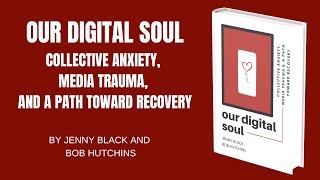
Dr. Dawn-Elise Snipes introduces Bob Hutchins and Jenny Black's book on how digital devices create trauma bonds, addiction patterns, and anxiety. Media trauma shows up as constant fear, guilt, and loss of pleasure. Recovery starts with time limits, scheduled non-media time, and family rules.
Chapters
Hey there, everybody. And I'm really excited to welcome you to today's presentation on our digital Soul, Collective Anxiety, Media Trauma, and a Path to Recovery. This is a book that was written by colleagues of mine, Bob Hutchins and Jenny Black. In this book that was released last Friday, so you can be one of the first to get it, they go over what is media? Because a lot of times we think of media as television, but media is so much more than that. It's your digital device. Devices, it's television, it's movies, it's your computer, it's your email, it's it. There's a lot of stuff. Then they talk about what media trauma is, and we're going to touch on that a little bit. They talk about how media keeps us from what we need in terms of developing healthy, secure relationships. And they discuss different types of media trauma, including misuse and neglect, expectations, disruption of development, incidents of trauma and addiction. Then they move on to talking about ways to heal your digital soul. How do we heal from this collective anxiety and start to get regrounded? How can we start to stay human or become human again instead of being sort of partially assimilated into the digital world? And finally, a path forward. So briefly, we'll talk about media trauma. People in our society are forming trauma bonds with their digital devices, which give both positive and negative things. So think about your digital device, your phone, for example. You look to your phone for news, for information to tell you if you're safe, to tell you what you need to do to remind you of things. But a lot of people also find validation and a sense of personhood, if you will, in their digital devices, because that's where their Instagram or their TikTok account is. That's where they can look to see how many likes they got on their different posts, and that tells them whether they're okay or not. So the digital device, through the likes and the dislikes and the shares and what goes viral, often tells people what their standing is in the click, if you will, of the digital world. So that provides some level of reinforcement, some level of dopamine and norepinephrine. When they get those likes, it's like, yes, I'm doing the right thing. And when they don't get those likes, it can cut to the core. Unfortunately, just like a insensitive parent, the media is, can often be very harsh in their responding. Sometimes they may respond in a helpful way, but sometimes trolls and just even friends may respond in a way that is not helpful. Or they may not respond at all, which can leave the person feeling very isolated and abandoned. People suffering from media trauma often have difficulty cutting down on the amount of time they spend on their digital devices. They know it's causing them distress and they or they know it's keeping them from doing things that they, quote, should be doing, but they have so much difficulty stepping away from that. The thought of not being online for 24 hours creates a whole host of anxiety in a lot of people. I've proposed that to some clients and they've looked at me like, doc, you're crazy. So they often have difficulty cutting down on their screen time. They are often annoyed. When people question them about how much time they spend on digital devices and whether it's really healthy. They often feel guilt, but because they know that what they're doing is probably keeping them from nurturing their relationships or from doing the right thing, or they know that what they're doing or what they're viewing is probably not okay, but they're doing it anyway. And eye opener. Now, this is a screening test that we use in substance abuse, but it does apply some to media too. A lot of people, the first thing they do in the morning is they reach for their digital device and they scroll through. Either Tik Tok or the their Instagram feed or the news or whatever, they scroll through. But in order to feel like they are okay, in order to start the day, they have to start with digital input. And if they don't, they feel anxious and disconnected and ungrounded all day long. So it's important to recognize that we have become a society that is attached to in some ways, connected to in some ways the digital world. And maybe we have lost faith or lost the ability to trust our own instincts and look around. Three signs of media trauma. Constant or near constant state of fear and mistrust that becomes pervasive. If you're posting on social media and people troll you or people give you a thumbs down, or they just don't like a post that you do, then people may start becoming suspicious or feeling abandoned and that starts spreading. It's like, why didn't you like my post? Or why did you post this comment? Or there's a lot of things. And it's important to remember that this goes into shaping our schema about people and the world, not just people online. But if people are saying this online, then they are must be getting ready to say this in real life. And how devastating would that be? So we start becoming suspicious of people's fear motivations or what they're saying. If they say it online but don't say it to our face, we start becoming distrusting that they're being honest with us. So then we start changing our schema and going, can we really trust what people say? We also see people changing their tune about things. Now part of that is just development. Sometimes you may have an opinion about something and you learn more information and you change your opinion. But unfortunately in the digital world this has become pathologized. And if people change their stance or opinion on something, they are often questioned for their, for their truthfulness. Guilt is another thing that happens, and we talked about that just a minute ago in the, in the cage screening. But people start feeling guilt for watching things that they know they shouldn't. They go to videos of people getting hurt or people's gaffes, or they watch people getting embarrassed, or they watch other things that are more traumatic and they know they shouldn't be watching it. It's kind of like watching a, a car crash or something. You know, you shouldn't rubberneck, but you do anyway. And being online when they shouldn't. They may have guilt because they know they should be paying more attention to their kids or their work or something else. But the draw of that digital media, the fear of missing out, the fear of not being able to defend yourself when attackers come, becomes so pervasive that it's almost difficult to engage IRL anymore. And then there's a loss of pleasure in non media related activities. We forget how to play, we forget how to have fun, we forget how to talk to other people if it's not through our digital devices. How do I communicate this to you if I don't do it through a meme? Oh my gosh, I don't, I don't feel comfortable. I'm scared to do that anymore. I don't have pleasure doing things just for the sake of doing them. Unless I can post them on Instagram or, or Tick Tock or something else that is a problem. We need to be able to have pleasure in going out and doing things for ourselves, for the experience, not because it will get us the most. Like the media. Trauma impacts us in a lot of ways because our media devices are with US 247, 365. There are no boundaries. So stuff that's happening in another country, another state, somewhere else, it's still inundating us. Stuff that horrible stuff that's happening to other people, other things, it can inundate us. What we should be thinking, what we should be worried about is constantly being fed to us. Even if you're trying to look at benign things, maybe you're trying to shop online for something, you're still going to see ads, you're still going to be inundated. And it takes away people's safe zone. Back in the 80s, back in the 20th century, we were able to turn it off. You left school, you didn't interact with those people again until you went back to school. You left work, you didn't interact with those people again until you went back to work. Your home, the walls of your home was your safe zone. And that nasty stuff wasn't bleeding in through the walls. It is now. And that causes people a lot of anxiety. It triggers their HPA access to constantly be on. If I post this and I don't what people are going to say, what the. The responses are, then somebody may say something horrible and I won't be there to defend myself. And oh my gosh, that's the worst thing. So people start getting very, very anxious about anything they post. And even about not posting. People feel anxious and miserable about, well, everything and can't put their finger on just one thing. And I've heard this so many times from subscribers as well as clients. And Jenny also reports hearing this a lot from clients that she works with that people say everything is just so awful. I am just so stressed out all the time. But they can't put their finger on any one thing. It's just everything. They're being deluged with distress constantly. And media trauma prevents people from connecting and being responsive to each other. And two of my favorite quotes from the book. One is from Jenny Black. She was talking to her son and she says, don't let your phone tell you about the world. Let the world tell you about itself. Wisdom. Just sit with that for a minute. Your phone tells you about all this drama and unrest and blah, blah, blah, blah, blah, blah. Walk out your front door and look in your world what's going on. Yeah, there's stuff going on throughout the greater world that really sucks. But there's also wonderful stuff going on throughout the greater world that often gets downplayed. So don't let your phone tell you about the world. Remember that people are more likely to click on things that are going to trigger anxiety. Whether it's these are the signs of cancer or this is the horrible unrest that's going on. People are more likely to click on that because they want to defend themselves against threats. They're less likely to click on the videos from the dodo or something else where it's cute puppies. You know, I love the dodo because it's not stressful. Another quote that came from the book we are overwhelmed and over overly aware of everything that's happening in our world and we're often unaware of what's happening in our soul. Again, sit with that for a minute. What's happening inside of us we often are completely unaware of because we are so aware of what's going on out there and we think of all the things that we must do or we should do or blah blah blah blah blah. Mindfulness completely escapes us. We are become unaware of how that interaction, how that digital device is actually impacting us and the things that are important in our rich and meaningful life. So a few questions to ponder. Does media dictate how you live your life? Does your phone tell you what you should think, what you should be doing, what you need to do in order to be virtue signaling? Are you preoccupied with posting or checking social media throughout the day? Is your self worth linked to your standing on social media? Is your self worth linked to how many likes your posts get and whether they get shared or not? Do you feel you're not enough or just can't live up to the expectations? There are lots of expectations out there that are being pushed by the media. Do you feel that you can't live up to your expectations or their expectations? Does online time lift you up and inspire you or leave you feeling helpless and defeated? It's really important to think about that when you are online. Even if you're talking with friends sometimes you may feel so inundated, so overwhelmed if you're talking to a bunch of people or something because you can't, you don't feel like you can get a break. So even if it's not a negative interaction, you may end up feeling drained afterwards, helpless, defeated. And do you constantly worry about being canceled? Are you terrified of posting things without totally monitoring them and making sure they're scrubbed? Are you terrified of being authentic for fear of being canceled? And they have other questions that they ask you to ponder, to examine whether you're experiencing media trauma. So some tips from Bob and Jenny. First, one set a time limit. Unfortunately, our lives have become integrated with the Internet. We have email, we have stuff that we actually need to do. A lot of people really enjoy certain television programs, for example. And but setting a time limit for for engaging in that media, whether it's interactive or just watching something like, you know, Netflix is really important because we all know binging on Netflix. You can watch Netflix for hours and hours or even days and days and there's constant novelty. There's constantly something to watch. Your life is passing you by. You're not doing the things or using your energy to nurture the things that are important in your rich and meaningful life. So is some screen time okay? For most people the answer would be yes. But set a time limit and set a timer. And I encourage people to also set a backup timer because your first timer may go off and you're like, I just want to finish this show. Okay, well when the second timer goes off, you need to get up. Include non media time every day. That means go out and play, figure out what makes you happy. Irl take pictures and and I don't mean to post on Instagram, I mean get a camera, not a digital device, but actually get a camera and go out and take pictures or go play with your kids or your go to the dog park. What is it that you would enjoy if the Internet suddenly went down and you couldn't get online? What would you enjoy doing? Try to schedule that in every day and keep a schedule at first. Bob and Jenny both point out that we've become so integrated into digital media that a lot of us have forgotten what our options are. So make a list of a lot of different options that you have so during your downtime you can pick from that list. You probably don't want to schedule something hard to do in there because you may get to that time and go, you know what, I really don't want to go to the gym. Okay, that's fine. But in that downtime, in that time, that's not work, that's not family time, that's not whatever, what is it? What options do you have? And choose from that list. And I mentioned family time. Schedule that in if there are people, hopefully there are in your life that are important in your rich and meaningful life, scheduling in time to use your energy to nurture those relationships is going to be important. And that can mean setting new rules, for example, like no digital devices at the dinner table. Whatever is helps you start cutting down on your digital tether, if you will. So think about how many hours do I have to be online and if I weren't online, what else could I be doing? There are a bunch more tips in their book so you can learn more about media trauma and collective anxiety in their book Our Digital Soul. Collective Anxiety, Media Trauma and a Path to Recovery. You can buy it on Amazon or you can go to their website@our digitalsoul.com.










