Revealing Important Clinical Issues in Intensive Outpatient Treatment
Dr. Dawn-Elise Snipes covers how intensive outpatient programs work: what makes them different from regular outpatient care, the required clinical pieces like biopsychosocial assessment and relapse prevention, and how to keep people engaged through flexible scheduling, family involvement, and careful monitoring.
Questions this video answers
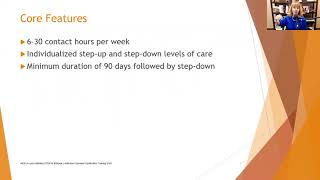
IOP/partial hospitalization: 6 to 30 contact hours per week with a minimum of 3 contact hours per day.
Minimum duration of 90 days.
Most states require IOP to be 9 to 19 hours (per week).
Chapters
This episode was pre recorded as part of a live continuing education webinar on demand. CEUs are still available for this presentation through all CEUs. Register@Allce.com Counselortoolbox you I'd like to welcome everybody to today's presentation on intensive outpatient services, clinical and administrative issues. We're going to focus heavily on the clinical issues here because that's where a lot of us, you know, really work is in clinical and we have people above us that handle all the administrative stuff. So intensive outpatient treatment. And we're going to talk both about outpatient itself. So individual what you may do in a clinic and intensive outpatient, which is significantly more. Guess what? Intensive. Most states require that it's 9 to 19 hours, but we'll get to that in a minute. Intensive outpatient treatment and outpatient treatment really needs to be multi dimensional and biopsychosocial. When you've got clients who are in early recovery, you know, they came to you, they're ready to do something, theoretically they're in the action phase of change or whatever, but they're still living at home, they're still in that environment, they're still doing their normal daily things that may or may not be contributing to the problem. We have to help them with those. When they're in residential, we have a lot more control over when they sleep, what they eat, what they do. We can intervene with communication skills. We can, you know, all that kind of stuff. There's somebody there literally 24 7. So it's easier in residential. In outpatient, it's easier for clients to get distracted by life, so to speak. Bills start piling up, their kids start playing football or whatever the case may be, and they don't have time to come to treatment, they don't have time to do their activities. So keeping motivation high in clients in outpatient treatment is significantly more difficult, in my opinion, than keeping motivation high in residential, where they don't have to focus on paying bills or going to work or making dinner or any of that other stuff. So we want to look multi dimensionally. How can we help this person reduce stress, free up some time and energy to focus on treatment? What other issues in the environment, physical, interpersonal, occupational, financial, time management, might be contributing to their current condition? And, you know, how does that need to be addressed in the treatment plan? We want to recognize dual disorders as potentially chronic. And dual disorders typically means substance abuse or addiction of some sort and mental health issues. But I usually expand that to say, you know, anytime you've got multiple Disorders, they can be chronic. If somebody has major depressive disorder, just because they have one episode and they have 18 months of remission, or whatever you want to call it, 18 months without an episode, doesn't mean that they won't have another episode. So we want to prepare clients, and I don't want to have them be depressed or saddened or feel helpless by it, But I do want them to recognize that if they do have major depressive disorder or one of the other DSM diagnoses, it's not uncommon to have other episodes in the future. And hopefully the skills and tools they learn in outpatient will help them a prevent as many episodes as possible by keeping stress low and keeping vulnerabilities under control and maximizing their health and wellness. But they will also catch it sooner so they are not in the depths of despair or so anxious they can't even think straight before they intervene. They start seeing those relapse warning signs early, and they have the tools, stronger tools to deal with it so it doesn't get as bad. So treatment will help regardless of whether it's chronic or situational. Some clients come in and they've got a situational issue, you know, it's a complicated grief issue or whatever, and when that's resolved, it's unlikely that they'll have another episode. But for a lot of our clients, helping them recognize that they do need to stay on top of it. It's kind of like having people who have diabetes. You know, they can get it under control, but they need to do the next right thing to keep their blood sugar under control, to monitor their blood sugar, to prevent going into, you know, diabetic coma or whatever the case may be. Same thing with people with depression and anxiety and bipolar and all that kind of stuff. They have to live a recovery lifestyle where they're getting enough sleep, managing their stress, and engaging with healthy social supports and being proactive, like you said, because it's a whole lot easier to prevent things. And like I said, and I emphasize to them, it may not prevent it completely, but we can sure minimize the heck out of it. Core features of intensive outpatient. If you have somebody who needs more than couple hours a week, but doesn't need residential intensive outpatient and partial hospitalization can kind of lump together in this in 6 to 30 contact hours per week with a minimum of 3 contact hours per day. So that gives you a little bit of latitude if somebody needs a couple hours every, every single day or a couple times a week because they can't go in seven days without having a little bit of intervention. And your patient placement criteria, whether you use the LOCUS or the ASAM or whatever you use, will help help you figure out what level of care the person needs. Regardless, there need to be individualized step up and step down levels of care. Step up being if they're not thriving at that level of care, if they're relapsing, they may need to go more intensive. Now, the great thing with intensive, well, with outpatient period, you've got once a week, which is what we typically think of a lot of insurance companies during a crucial period, a critical period, will authorize up to three sessions a week of individual in order to help the person through. They may authorize even more sessions a week if you're doing group treatment and still consider it outpatient treatment. Once they need more than three hours of services a week, then we move up to or six hours, we move up to intensive outpatient. And that has a lot of variability. When I worked with clients in intensive outpatient, we would start them at three hours a day, five days a week, and, you know, if they succeeded and, you know, did what they needed to do at that level of care and they met their treatment objectives, then they could step down to four days a week for a month, and then three days a week for a month, and then step down to back down to outpatient. So just because we're talking about step up and step down, it doesn't necessarily mean they're going to change the level. They're not necessarily just going to go from intensive outpatient to residential. We can increase the intensity of services. We also had the luxury of having morning and evening programs. So occasionally I would have a client who needed additional services and they were allowed to come into the evening program as well on the days they needed to if they were feeling like they were struggling a lot. And the 12 step meetings or whatever meetings they were going to weren't enough. So we had a lot of flexibility for the clients. And this is especially true when you've got clients that have substance abuse and mental health issues, because 12 step meetings, for example, aren't going to deal with any of the mental health stuff. So if their depression is what is weighing on them right now, they're going to need more clinical type intervention. And obviously, if you can hook them up with some depression support groups, that's awesome. Intensive outpatient is a minimum duration of 90 days followed by step down. You don't take somebody who's been coming five days a week, three hours a Day and go. Hey, you met all your treatment goals. Good. Well, I'll start seeing you one hour a week now or less. No, that doesn't work. We need to gradually step them down. Like I said at our program, we did five days a week, then four days a week for a month, then three days a week for a month. Then once you get down to two days a week, it doesn't qualify as IOP anymore. So they would step down to outpatient or after care. But they were able to move up and down as they needed to. Because we know, especially when you've got multiple occurring disorders, that something may, one of the disorders, one of the issues may get exacerbated. You know, if you're, let's say you're working with somebody who has addiction, depression and chronic pain, you know, those are easy, easy ones to deal with. Oh, let's throw PTSD in there too. Why not? And they're going along. Their addiction is pretty stable. Their pain is bothering them a little bit, but they're managing. Something triggers their ptsd. Well, they may need to come in because that has, you know, gotten worse. They may need to come in for more intensive services for a little while until whatever that crisis is has passed and then they can step back. There's a fine line between individualized treatment and ebb and flow and creating dependencies. I mean, I don't want them to feel like every time there's a crisis we have to up your, up your dose, if you will, of counseling. That's not necessarily true, but sometimes the client just truly needs that additional bit of time. Enhanced services are available in intensive outpatient ambulatory detoxification if they need it, if they're drinking. And this can doesn't have to be necessarily for somebody who's an alcoholic or alcohol dependent, but if they are using alcohol more than is probably helpful for treatment, it's good, always good. Especially when you're dealing with alcohol and benzos to get a doctor in on it. Because alcohol and benzo withdrawal can be life threatening. Even if they're not, you know, like I said, meeting the criteria that you would normally think of for alcohol dependence. If they've been drinking heavily, you know, four or five drinks a night, every night for a while, and then they quit drinking. It can trigger high blood pressure, it can trigger, which might trigger a stroke. It also can cause alcohol related dementia. Wernicke Korsakoffs. Because of a deficit in thiamine. So always have a doctor check in and observe or be the one monitoring Any sort of detoxification. Child care is usually important whether it's regular outpatient or intensive outpatient. If clients don't have anything to do with their kids, they ain't gonna show up. Which means you're gonna have no shows, you're gonna have disengagement, you're gonna have early termination, lots of problems. So looking at what can you do in terms of child care, I've mentioned before that there are companies that are sprouting up in cities that provide drop in child care, which can be helpful if the people can afford it. If your agency has the ability to staff a early intervention child education group. And that's. We used to call it something like that. And yes, it would include play therapy. When it was held at our facility, especially during spring break and times when the children were not in school, we would have child care available at the facility. The children would come in and they would work with behavioral health technicians who could provide them services, evaluate coping skills, look for developmental delays, all kinds of stuff. Which the bonus to that was most of our people were Medicaid clients and that was Medicaid reimbursable. So it helped our bottom line too. But it also made sure that our parents who were in the program could come working around child care if you can't, and yes, exactly, you can evaluate for abuse and neglect as well when the children come in. Sometimes you can't offer childcare. It's just not practical. There's like two of you working in a partnership and you know you just, you can't do it. Other things you can do are provide services that work around the children. We used to offer our morning program. We made sure it started after all the schools started and we made sure they were out before the earliest school dismissal, which was 1 o'. Clock. So we had parents during the time that the kids were in school and were able to provide them services at no additional cost to them. They weren't having to pay after school care and all that kind of stuff. The other thing you can do with outpatient and they have done quite a bit of, I think it's past pilot testing now, but they've done research with holding virtual intensive outpatient groups when they're especially their psychoeducation groups when it's intensive therapy. I'm not sure how that would work, but a lot of the intensive outpatient programming involves psychoeducation and things and that can be done virtually so parents can log in if they've got an infant and don't have anything to do with the infant. The infant can stay at home, the parent can stay at home and participate via two way video. Now in order to make that work, you all have to have, you, the therapist and them, the client have to have really high speed connections and you both have to have computers and video. So it can get a little bit tricky when we start talking about making sure everybody has what they need to do it. But it's possible. Sometimes you can get grants that will help fund having equipment there. So you can loan out a laptop with a camera to a parent or you know, and when treatment was over, they, they bring that back to you. There are a lot of different things that you can do. Anyhow, outreach is important. We need to be able to reach out to the community and let them know what kind of things that our clients need. We need to be able to reach out and let people in the community know what kind of services we have in order to, you know, kind of have that give and take. Case management is also really helpful with outpatient and intensive outpatient because people need those wraparound services. We are therapists, we provide or social workers, we provide counseling and coaching and psychoeducation and family therapy. And there's stuff that we provide, but we typically don't do vocational training, we typically don't do housing assistance, we typically don't do transportation assistance, etc. So it's helpful in order to help clients overcome those barriers. And this is kind of a clinical as well as administrative issue to help clients overcome those barriers. To have a case manager working with you, it'll reduce no show rates, it'll increase treatment compliance, it'll increase successful completions. You know, so that can be really helpful. And remember, you can get creative about your case management. You can have volunteers come in and obviously they have to go through a certain training so they know confidentiality and HIPAA and all that stuff. But if all the case manager is doing is linking people with community based resources, you can train volunteers to do that. If you want to offer that service. Screening, something else, we offer an assessment and I kind of lump those together because most of the time we don't do separate screening and assessment. People get referred and then we do assessment. Now if you can do screenings in doctor's offices and at minute clinics and those kinds of places, great, because that's how you get more clients in the door. You know, you do that identification and then you can bring them in for an assessment if needed. Treatment planning, obviously we have to do treatment planning, treatment engagement, that's Another one that should happen regardless of the setting. Group individual and family counseling. Now, typical outpatient doesn't always involve group and family counseling. Sometimes it is just individual. But when you get to higher levels of care and you start looking at those level of care guidelines provided by the insurance companies as well as best practices and, you know, common sense, it's becomes more obvious that you need to try, with the patient's permission of course, to bring in the client's social supports, however they define family and it may or may not be blood relatives, but bring those social supports in and help get them involved in the process as well as providing group services that are available because that reduces stigma, that helps people feel like, you know, I'm not the only one who feels this way and, or has this question or whatever the case may be, it's more cost effective for them and for us when we do group as well. So we can provide a broader array of services. If we start offering groups instead of teaching, you know, I teach a lot of the same stuff in individual, like cognitive, behavioral, the ABCs and all that kind of stuff. You can teach that an individual or you can have a group that teaches that psychoeducation, again can be done virtually. So maybe you want to have that group at 7pm so all of your clients have gotten their kids, gotten home, had dinner and they can log in. Well, that's possible. Just have to make sure it's all HIPAA compliant. And psychoeducation doesn't necessarily mean you have to have the other video. If you're just providing sort of a training sort of thing. I like to have it, but it's not necessary. And integration into support systems. We want to make sure that we are sending people out. They're in. I need to do the math again, but they're with us one to 15 hours a week. They are out there the rest of the time. So when they're not with us, where are they getting their support? Who do they call? Where can they turn? So we want to make sure we're integrating them. They have their social support system that they started with and hopefully there are some really good nuggets right there. But we also want to make sure that we're connecting them with NAMI and some of the support groups there. NAMI has a lot of family education type groups that they offer to help families with an identified patient who has depression or anxiety or addiction, help the family understand what might be needed of them and help them cope with having a family member that may have a mental illness. Relapse prevention training should start at the beginning. And, you know, I was thinking about it today when I was drinking my coffee. And when you do relapse prevention planning, and I do want to emphasize this, somebody comes in, you don't know them from, you know, Adam's house cat. You've known them for an hour and a half while you've done an assessment and you're trying to do a relapse prevention plan. Well, that is the initial relapse prevention plan. That means with what I know about you right now and what you know about you and your issues, we're going to develop a plan to help you not return to some of the old behaviors that you're trying to quit right now or help you move forward towards what you envision as recovery. The final relapse prevention plan, when you're doing discharge planning, and everything is going to be much more involved and much more individualized in many cases, because you will know a lot more about the clients, and they will have learned more skills and tools, and they'll know what their triggers are and all that kind of stuff. So the initial relapse prevention plan is just saying, okay, you know, I want to help you stay where you're at or move forward. So what do we need to do to help you start becoming healthier and happier? And they'll probably be able to identify a few things. And this is where we start with initial relapse prevention planning. Initial relapse prevention planning, too. Remember, you're not ever guaranteed to see a client again. As soon as they walk out of your office, they may not come back. So I want to make sure that they know how to access the resources that we've identified in the assessment that they may need. So they have the number for social services, they have the number for the Medicaid van. They have the number for whatever. So if they shouldn't come back, I know that I've given them a basket full of tools that they can use to get them for a little while longer until they're ready to engage in treatment. Not everybody is in the action phase when they come in. So if they're in pre contemplation, they're not quite bought into this whole treatment thing yet. Providing that initial assessment and those initial tools can really give them something to work with. And then they start going, oh, okay, this isn't all magic and, you know, mirrors and everything. I can kind of see where this might help. And then they may come back. We want to provide substance abuse screening and monitoring for all clients because there is a likelihood that there may be some substance misuse or some type of addictive behavior. When you look at the stats, they're pretty high. Whether we're talking about nicotine, caffeine, Internet porn, gambling, there's a whole bunch of different things that people can use that are kind of fall in that addictive, compulsive behavior area that may be problematic and may be contributing to their current issues. So we want to, you know, just keep an eye out. Vocational and educational services. Now, typically we don't provide those, but that's another one of those things we want to refer out to. Because for most of our clients, if they are able to work, if they are able to be financially independent, if they are able to switch jobs, if they currently hate working their job, then it's probably going to help their mood. Think how many hours you spend at work and think how many hours when you're not at work that you're working. You know, you're thinking about clients, you're jotting down notes that you want to remember to put in the treatment plan that you do tomorrow. It's not a 40 hour a week job. A significant portion of your awake time is spent at work. So we need to help clients make sure that that environment is as nurturing as possible. We make referrals to wraparound services because we don't provide them, but make sure that those referrals are going out if you don't have a case manager to do it. If you've got a case manager, they should be hooking up the client with wraparound services, but if not, have a sheet. And we used to do this because it simplified the initial relapse prevention planning. We had a sheet of the top 20 services that our clients may need and where to access them. And yeah, you can get between dental and medical and prescriptions and legal, and it's easy to get up to 20, so having those. On a side note, if you live in a area that has a law school, a lot of times law schools will run free clinics for people who can't afford an attorney to help them with things like divorce and child custody and you know, sometimes criminal stuff, but usually it's more civil stuff. So be aware that that might be a resource in your area. Some state boards, state attorney, state bars also require attorneys to do a certain amount of pro bono work every year or they will give them continuing education hours for a certain number of pro bono hours that they do. So check with your local bar to see what pro Bono services are offered. I know Tennessee is really good with pro bono services and I worked with the law school at UF when I was down in Alachua county and they were just awesome to work with and mentoring. We can refer people and help them get connected with with peer mentors that are in the community. And you can check with nami, the national alliance for the Mentally Ill, about where to find peer mentors in your area. Principles of intensive outpatient we want to make sure or IOP or outpatient, but especially IOP because there's more of an emphasis on groups. Treatment is available to a wide spectrum of clients. Access is straightforward and welcoming and there's no wrong door. People come and we don't say, oh well, we only deal with this diagnosis or we only deal with this particular issue in intensive outpatient treatment. People come in and we say, okay, you know, you got a co occurring issue or maybe you've got depression. Well, we treat depression here, so let's help get you into the groups that address depression. It enhances existing motivation because they're with peers, they're with other people who are struggling with the same issue. And they're seeing the good days, they're seeing the step, step backs and they're able to support one another. So it's not just us, you know, in their cheerleading. They have social supports on the outside. Hopefully they're connecting with support groups in the community. It increases trust between counselor and client when they're involved in intensive outpatient, especially in any kind of group. Even if it's like intervention level groups. When clients hear us telling Jim the same thing we told them, they're like, oh, okay, you know, they're consistent. The message is good. There's. Client retention is the priority in intensive outpatient. So we try to make this as flexible as possible for clients. And we use individualized assessments and treatments, which should happen regardless of the level of care. It implements flexible and chronic episodic care models, which is what I talked about earlier with clients who may have one or more disorders. You know, let's just take one for example. If they have major depressive disorder and they see you when they're in a crisis and you help them get through that, they're stabilized, they seem to be meeting their treatment goals. You discharge them to aftercare and then they start to have another episode three months later and they can come back and pick up treatment where they left off. The same thing is true if you've got people with multiple disorders and one starts to exacerbate you Know, I talked earlier about maybe they had something that triggered their ptsd. Well, let's say their mental health stuff is holding steady, but something triggers their addiction and they fall off the wagon and they drink again. Okay, well, they might need to go to detox. So all this mental health stuff, we're going to hold steady for right now. We're not going to worry about making gains here because we want to bring the addiction back into a level of remission or stability or whatever you want to call it. So the nice thing about intensive outpatient care and outpatient care is the fact that if you do your programming creatively, you can be really flexible and you can allow clients within your organization to have the ability to see you once a week for individual or come in four, five, seven times a week for group counseling, either instead of or in addition to individual if they need an more intense level of care. We want to monitor abstinence for all of our clients, make sure that they're not, you know, starting to use drugs or using drugs or whatever. Help clients integrate. And we also, with abstinence, we want to monitor medication. So if they are prescribed psychotropics or any other kind of medication, we do want to monitor medication compliance because we know that medications can affect mood, help them integrate into support groups, educate them and their family members about what's going on. If a client is seeing you for depression, and obviously you have a release of information, yada yada, that's we're just going to put that out there without saying, if I talk about bringing in the family, that means we've gotten permission from the client. But the client may start working on awareness of relapse, warning signs for themselves and triggers and all that kind of stuff. But I don't know if you're the same way, but there are times, and when my kids, I always use them as examples, bless their hearts. But when they were younger and they would start to get sick, I could always tell because they would become much more agitated and disorganized, and sure enough, within 36 hours or so, they were sick. That was a relapse warning sign or a sickness warning sign that I noticed, but they didn't generally notice. A lot of times we miss some of the things that may be warning signs. If you have ever gotten really stressed out before, you know, leading up to it, you may have started to get a little bit more irritable, sleep a little bit less, change your habits somewhat, but you didn't really notice it because you were focused on whatever this crisis was, but your spouse may have noticed it said, yeah, you know, I saw this coming from a mile away. Well, that's the great thing about if we can get family involved, we can say, what are this person's relapse warning signs? What does it look like when this person is headed down the road toward an episode? It doesn't mean they've had it yet. It just means they're starting to destabilize. And we can also educate family members about what to expect. So they're not expecting that once this person resolves their depression this time, they're never going to have it again or whatever misconceptions they may have. Families, employers and significant others can have participation with consent in the process. If we can talk to employers and obviously with client consent. I know I said I wasn't going to say that anymore, but whatever. Sometimes we can work with employers and say, you know what, Jim Bob really needs to have a stable schedule. Right now I've worked with some police departments where they switch shifts every quarter. So they'll work 8 to 4 one quarter, then 4 to 12 the next quarter, then 12 to 8 the next quarter, and then they'll work 8 to 4 the following quarter. And their sleep schedule just never gets set. And you know how bad that is. So if you've got a client who's already struggling, we need to talk about that. People who are working for emergency services, you know, fire, rescue, a lot of times they work 24 on, 48 off. And when that happens, if they're 24 on, they don't get to sleep at all, then they're 48 off, their sleep schedule is going to be a little bit erratic. So we need to help them figure out how to address that. Now there's nothing that the EMS can do about that, but we do need to be aware of it. And at some point, if the person is in enough of a crisis, they may need to take some medical leave in order to get situated again and stabilized. Intensive outpatient programs and outpatient programs benefit from using evidence based training and materials. This doesn't mean you have to use evidence based practices because they are can be expensive. But we want to use things like motivational interviewing, motivational enhancement therapy, cognitive behavioral, things that have been researched and shown to be somewhat effective. And it's not hard to go on to PubMed and look at different research studies. And it typically improves in program administration when you've got more of what I call a menu of options instead of just kind of a one size fits all All I do is once a week, one hour counseling. And if that doesn't work for you, then I can refer you out. If I have options, then that gives me a little bit more flexibility. And let's just talk dollars for a second. If I see a client and I'm going to use round numbers because math is not my strong suit and I charge $100 an hour and I say, okay, I'm going to start allotting five, well, let's say 10 hours a week to include notes and stuff. 10 hours a week to group. 10 hours times 100 would be a thousand. So I need to be able to make $1,000. Well, if you put 10 people, or if you want to look at it this way, you need to make $200 for every two hour group. That's easier math. So if you charge $20 per person, you've got 10 people in a group, then you haven't lost any money. You're still making that same thousand dollars. You're just serving 10 people instead of, or maybe even more than that if you have 10 different people in each group. So groups can be cost effective for clients because $20 per session is a whole lot better than $100 and it can allow them maybe to come four times a week so you have more options. And we will talk about challenges with family involvement and integration a little bit later in the presentation. Challenges in adolescents and others when we're working with adolescents or people with any sort of cognitive issues, there may be an inconsistent ability for abstract and future thinking. This is especially true for people in early recovery, early detox, people who are in a significant depressive episode, people who have fetal alcohol related issues. You know, there's a lot of things that may make it difficult for people to focus for a really long time. So this can be a challenge. If you're expecting them to sit through a 90 minute group, take time out, use concrete examples and you know, every 15 minutes or so, give them time to just sit and think. And I usually give them a worksheet. So the visual learners and the reflective learners have time to kind of jot things down and think about it, but teach something or discuss something, take a break, let them process it for five minutes and then do another 15 minutes and then give them another five minutes to process. So it breaks it up a little bit for them. People can be vulnerable to peer influence. So we want to make sure that peers are sending out healthy, helpful messages and not, I don't want to say doom and gloom, but yeah, I mean we want to encourage resilience and empowerment as opposed to their opposites when there are peers involved. We want to encourage clients to, you know, before you change your treatment plan, because peers might be getting together during a break going, oh, yeah, I was on that medication and you know, it was awful. So I just, I only take half of it, or I weaned myself off of it, or this. No, you know, we really want to make sure that before clients change their treatment program, they run it by their therapist and or their psychiatrist. Frequent emotional fluctuations is not uncommon for anybody, whether it's adolescents or adults that are kind of in crisis. So we want to be aware of that. If somebody is in group or in individual and starts to decompensate a little bit, we can nip it right there. We don't have to ignore it, and obviously we shouldn't. But we do need to be prepared that sometimes clients may come on Monday and be in a grand old mood, and then they come on Tuesday and they act like somebody stole their puppy. Okay, so how do we deal with those fluctuations? And one of the cool things, when you see those emotional fluctuations, especially if you're seeing them multiple times a week and you're able to interact with them during one of those, you can help them learn skills and tools to cope with them. So you can talk about how yesterday you were in a grand mood and today you're really struggling. What happened, what vulnerabilities might be occurring that are making you more likely to feel upset, and what can we do to help you feel a little bit better? And you can do this as an individual or even as part of a group, because a lot of times the group wants to throw out suggestions, the group wants to brainstorm together. So figuring out what feels comfortable for your group, but it allows a learning opportunity, it also is just something to be expected. Lack of involvement in pro social activities. If you've got a client who's with you however many hours a week and then out there the preponderance of the hours a week and they're not involved in pro social activities, then they either may be getting into trouble or using drugs, committing crimes, or just sitting on the sofa with the blinds drawn watching Netflix, which can get. Or something else, which can get really depressing. So we want to encourage them to reach out. Now, your introverts aren't going to be all about going out there and being involved all the time because being social is draining. And I get that. You know, I have no problem. I. I also need quiet time each Day where I can have, you know, get my head together and just think that's okay. But when it's days on end where you're not interacting with people, that can become a problem and can compound feelings of isolation and rejection and hopelessness and all that other stuff. So we want to look at what kinds of activities can you get involved in? One client I worked with had a lot of social anxiety, but was willing to go out. We have parks around here that, you know, state parks. Was willing to go out and go hiking and kind of commune with nature. And that did wonders for his mood as opposed to sitting around in his apartment by himself. And pessimistic, fatalistic attitudes, which, again, is part of peer influence. We want to try to use cognitive restructuring to address these as much as possible. During this treatment engagement phase, the initial phase, where you're getting to know the client, you want to initiate a treatment contract. Resolve any acute crises. And this can be, you know, obviously suicidal or homicidal ideation, intoxication, but it can also be homelessness or some sort of physiological issue that needs to be addressed. Engage in a therapeutic alliance by helping people. Well, by listening and doing the assessment and working with them to develop a treatment contract and working with them to identify and resolve acute crises. You're building that therapeutic alliance. You know, you're helping them when they're most vulnerable, and then they're like, okay, I can count on this person to help me out a little bit. And we want to make sure we involve clients in preparing the treatment plan. Don't prepare a general treatment plan. Like, this is my outpatient program treatment plan. Here you go. Complete it. Bring it back to me. No, individualize it and do it with the client. Confirm the diagnosis, their eligibility, and appropriate placement during this initial time. Because you may start seeing somebody and you think they have unipolar depression, and then all of a sudden they start having a hypomanic episode, and you're like, oh, well, there may be something amiss here. Or they come in and you start smelling alcohol on their breath, or you've learned that they're taking opiates for pain. And so you start looking at other potential reasons that might be contributing to their depressive symptoms. So we want to make sure that they're in the appropriate placement, finish the assessment. A good biopsychosocial assessment is not done in an hour. It's usually done over a couple of sessions. Now, I don't know about you. Wherever I've worked, we haven't had that luxury. We had an hour or an hour and a half if it was. If you borrowed from Peter to pay Paul. But you do want to be alert throughout treatment and especially in the first few sessions while you're getting to know the client for any addendums you may need to do to the assessment. Develop a treatment plan. Develop that initial relapse prevention plan, including that list of 20 resources that people commonly need to access. Provide assessment feedback to the client. We don't want to pathologize them. We just want to say, this is what I'm seeing. What do you think about it? Explain program rules and expectations, because theoretically, if they've done the assessment, you're going to put them into a program and address any acute crises that keep coming up. So we need to be alert to it, not only during the assessment, but throughout treatment to address acute crises as they arise so they don't tip over the apple cart. Resolve administrative issues and foster therapeutic alliances between you, the client, and the client and group members and you and group members. So everybody needs to be feeling aligned. Begin psychoeducational activities. Identify and bolster sources of social support, and begin to initiate family contacts and education. All of these are things that happen early on in treatment to try to get everybody on board and address any of those biopsychosocial issues that may need to be addressed for adequate progress and recovery. At the completion of phase one, clients will have completed their assessment and developed their treatment plan. They'll be completely stabilized and demonstrate adequate attendance and participation. You know, they're coming, they're participating, they seem to be doing good. You know, the next step in early recovery are goals of abstinence. If they're using and if, if they're not, not starting. Sustain any behavioral changes that they made in the first part. So if they're sleeping better and they're not crying as much and yada yada, we want to sustain that. Now we start identifying relapse triggers and developing relapse prevention strategies. So you're doing okay, you're coasting, you're treading water, whatever metaphor you want to use, that's wonderful. Let's keep this momentum going. What things might serve as speed bumps to you or completely derail you, you know, these are your triggers and your vulnerabilities. So let's talk about what those are for each and every person in the group or the person that you're working with and talk about what works for them to address those issues. Identify and begin to resolve personal problems. So we're not focused so much on the presenting symptomatology at this point as the broader issues that maybe their relationships kind of went to crap when they were depressed because they didn't want to spend time with anybody or whatever those problems are. We're going to identify those and start working on them. Because when they first come in, they may have a laundry list of problems and issues that they want to work on, but we can't work on all those at once. We're going to say what's the most crucial thing we need to work on to get you stabilized? Okay, we're going to work on that. And then once you're stabilized, we'll start whittling down this treatment plan or this problem list that you've identified. Encourage them to begin active involvement in 12 STEP or other mutual help programs. So depression recovery groups, anything that might assist them. Sometimes you need to look at what's the cause of their depression. If it's traumatic grief, then they may need to be involved in a grief group. So figure out what the best recommendations would be. This typically lasts six weeks to about three months. So now we're somewhere in the four month range or 16 weeks of treatment at this point. During this phase, we're helping clients follow their plans to recovery, helping them identify and develop strategies for relapse triggers. Initiate random drug tests and provide rapid feedback of results if appropriate. If they're not using drugs, you're not going to do drug tests. But if they have a history of substance misuse, then it might be useful to incorporate that. Help clients and families integrate into mutual help programs. Families need help too. And if clients are significantly impaired because of their mental health issue, then caregivers may need a respite. Caregivers may need an outlet because they feel helpless or they're exhausted from caregiving and, you know, that's okay. It's okay to say, I'm exhausted, I need a break. And so helping them connect with other people in similar situations can help them to deal with the stresses. Assist in developing and strengthening positive social support networks for the client and the family. You know, we want them to not be enmeshed and super dependent, but we also don't want them to be detached. We want them to have healthy relationships with each other, but also with other people. So they've got, they can spread their wings a little bit and continue appropriate pharmacotherapy and medical and psychiatric treatments, you know, as is necessary for that client. That includes medical stuff. If they need to be on hormone therapy because they've got polycystic ovarian syndrome. If they need to be on hormones because their thyroid's low, if they need to be on ant abuse to keep them from drinking alcohol, if they need insulin for diabetes, we need to make sure that physiologically they're sound or it's going to be a lot harder to help them get stabilized psychologically. They need to have sustained recovery for 30 days or longer. Completed their treatment plan goals so that everything on their treatment plan that they identified, which is why you want to make sure the treatment plan is, you know, written for anywhere from three to five months, you know, depending on how long you anticipate the client being in treatment. Don't set goals that they can't achieve during the duration of the treatment plan. They need to have created and implemented a relapse prevention and continuing care plan which says, this is how I am going to keep going and keep making progress. These are my goals for the future because they're still going to be working towards a rich and meaningful life. These are my relapse warning signs that, you know, I need to be aware of. These are the people in my life that I can rely on. You know, all that stuff. We're looking for social supports and health promotion behaviors. Participated regularly in a support group. Not everybody's going to do this. This isn't for everybody. But if we can get them to regularly reach out and engage at least in pro social activities, even if it's just volunteering, that's helpful and resolved. Medical, psychiatric housing, personal situations that may trigger relapse. Outpatient treatment Level one is your step down and this is your once a week, sometimes three times a week for an hour, no more. In this level, the clients are doing pretty well because you're only seeing them three out of, you know, hundreds of hours. So during this period, we're solidifying their abstinence and their recovery. We're ensuring they're using their relapse prevention skills. And if they're having difficulty using those skills, we're saying, all right, let's talk about that. Either why didn't you use that skill? Or why was that skill not effective when you did use it? And let's see what we can do to change that. Maybe they didn't use the skill because they forgot they didn't even think of it. Okay, how can we help you think of it? Or maybe they have used it before and it hasn't been helpful, so they didn't even want to try. Alright, well, let's look at either improving, strengthening that skill for you or finding a Different one, because not every skill works for every person. So this is when we're kind of reviewing and tweaking the relapse prevention plan. We want to see them continue to improve in their emotional functioning, broaden their sober social support networks, and start to address other problem areas. These can be psychosocial, legal, environmental, occupational, you know, less cognitive, emotional and physical and more of the other stuff, more of the wraparound stuff that they need to address. But we want to see them because hopefully treatment teaches them how to identify a problem and create a plan to resolve that problem. We don't want them to have to come back to treatment every time they've got a problem and have us sit down with them and go, okay, this is where you want to be, this is where you are. How do you get from point A to point B? We want them to figure out how to do that. And that's part of counseling, is to help them improve their problem solving and goal setting skills. Step down maintenance about two months to a year. And I was reading a level of care guideline the other day for generalized anxiety and some insurance companies, I can't say all of them because I only looked at a couple of will still reimburse for outpatient treatment for generalized anxiety for up to a year and sometimes more in special circumstances. So that whole notion of brief therapy is the only way, isn't the only way. So make sure you know your reimbursement guidelines. Counselor activities during this stage, help them practice relapse prevention skills, teach new coping skills, identify unmet biopsychosocial needs. So if everything was perfect, what would be different? Assist them in locating any community resources that they may need. And this can be for training, for socialization, for hobbies, for whatever. Encourage support group participation. Emphasize the importance of spirituality, altruism, and focusing on living authentically in line with their values. Provide feedback on random drug test results if you're using drug tests for a particular client, and continue any treatment plan implementation. So generally when clients step down to outpatient, you redo the treatment plan and so there are some more goals. And then when they step down to aftercare, they have an aftercare plan and you want to make sure that they're continuing to implement that before they're discharged from this level. You want to have sustained recovery, preferably a year or more. Asymptomatic, improved relationships, improved coping and problem solving skills, drug free, stable, safe housing, continued participation in some sort of social support, networking, whether it's a support group or like I said, volunteerism and They've obtained assistance with any other problems that were, you know, linkages that you made in continuing community care. This is when the client's discharged. Really maintain wellness, develop independence from the treatment program. You know, they need to be empowered to solve their problems. They need to know that they have the skills and tools to do it. We're a safety net, you know, we're going to be there to catch them if they fall. But we want to encourage them that not to develop a dependence on us. Maintain social and support network connections and re establish recreational activities. And this is forever. You know, you don't want to go back to living the lifestyle that may have contributed to the depression or the anxiety. A lot of times it's a whole lifestyle change. When somebody enters recovery for depression or addiction or anxiety or any of those, they realize all of the health habits that they had and interpersonal habits they had that were contributing to their, to their problem. So they need to continue in this prevention, wellness, proactive mindset. We help them and develop a plan for continuing recovery, acquaint them with any local resources. Encourage attendance at alumni or booster sessions. You know, once a quarter you may have a booster session for two hours where people can just drop in and say, hey, just wanted to let you know I'm doing okay. And provide biannual checkups. Not everybody's going to want to do this, but it's good to offer it. Clients may need community support forever, so. And generally they do. I mean we don't live in, for most people, we don't live in isolation. We rely on community support. We go to church or synagogue, we work with people in the community. So there's that financial occupational net out there. We were integrated more than we really realize and that helps us connect with people in our community service linkages, assessment, treatment planning group and individual counseling, psychoeducation, pharmacotherapy, drug testing and monitoring, case management and community based support groups. So if you don't offer these services, know who does, because I'm sure it's offered in your community somewhere. So you can refer out, you know, call those people up and go, hey, you know, I don't offer drug testing, so. But I have clients occasionally that need random drug testing. Do you offer that service a lot of times your local publicly funded treatment facility? You know, the people that get the state dollars, a lot of times they will do drug testing. For clients that are seeing an independent practitioner. Not always, but sometimes it's an additional source of revenue and it's not super hard for them to Take one more urine screen and send it off to the lab. So talk with them, form partnerships and alliances for the stuff that you don't do. 24 hour crisis coverage, you may have a cris. Most places have a crisis center. Make sure you interface with them, see what you can do to help them out. See what they can do out or see what they can do to help you out. But clients need to have somewhere they can access and I like to give them a resource. Besides the emergency room or 911. Yes, that's there, but where else can they contact? Because you don't want them calling you at two in the morning every single time that there's a problem that establishes a dependency anyway. So you want to have options available. Maybe eight or 10 therapists in the community get together and you form a call on call list. So each therapist has two weeks on call that they're available to handle crisis situations. And you know, you all rotate. That's one way to handle it. If you're in private practice, make sure they can access medical and dental treatment. We already talked about medical. You know why that's important? Dental. Well, dental can cause pain. Dental can abscess and go into the brain and make people become septic and all that kind of stuff. So dental can quickly become medical. But just the superficial aspects of it. When people have a good smile, when they feel confident in their appearance, they tend to feel better. So we want to make sure that people aren't going, I got a bad smile and I don't want anybody to see me. We want to make sure that they can access appropriate dental care so they feel more confident and they're not kind of hidden or feeling ashamed. Vocational and employment services often available through your local community. One stop, so you can refer out for those and wraparound services. And that's like everything else that we didn't talk about. Food pantry, childcare, legal services, transportation, the list goes on. So family engagement. I told you we would get here. And you know, I put it kind of at the end because family engagement is challenging and it's not a requirement for somebody to successfully complete intensive outpatient. It is certainly preferable, definitely preferable. But it is really difficult to get families involved, partly because a lot of times the family sees the person, the identified patient, as the problem. They don't see how they've contributed to it or how they're maintaining it. And they don't want to hear that. We also have differences in family dynamics that cause negative outcomes. So you have feuding factions coming to Family therapy, maybe. Johnny is the identified patient, and he has clinical depression, and mom and dad are at each other's throats constantly, figuratively speaking. So when they come in for family therapy, they're bickering, and Johnny's wanting to blend into the wall. Well, that gives you an idea about what might be causing some of Joni's problems. But we also need to address mom and dad so they're not as conflictual all the time. Sometimes families want clients to do more than the client is willing to do, or they think a different treatment is better. Now, I'll put the cultural caveat on this. Some cultures, the parents or the man of the household is the one who makes the decision or for everybody else in the household about what treatments they need, et cetera. So we do want to be respectful of cultural considerations. However, that being said, we also want to recognize where everybody's motivation is and what is motivating everybody. Why do they want the client in treatment right now? Why does the client want to be or not want to be in treatment? So other reasons for resistance can be domestic violence, shame. You know, they don't want to be seen going in there. They don't want anybody to know that their child's in treatment or their spouse is in treatment. Fear of revealing family secrets. You know, sometimes the client doesn't want their family to come because they don't want the family to start revealing all their dirty secrets. They've worked hard to create this perfect facade and resentments. Sometimes there's just so much resentment that is built up within the family that the families just. They've thrown their hands up. They're like, I'm done. I'm out, whatever. So getting them back on board and saying there is hope can be more difficult. And these are all issues we need to kind of work at, but we need to normalize and say, you know, there are a lot of families that get frustrated and feel like they're at their wit's end or have resentments because a particular. Because of the client's mental health issues or behaviors, and so normalize that. Talk about the fact that shame is a normal process for a lot of families and kind of take the COVID off and say, let's normalize what's going on here. How many people are actually in treatment for addiction or depression or those sorts of things. Now, domestic violence, we're not going to normalize, so to speak. But if there is domestic violence, it comes to the forefront, so we can address it in treatment. Obviously, there are sometimes, you're not going to want certain family members to participate in treatment because it's emotionally, physically, sexually violent with your patient. When we can, we want to involve the family in the intake process with permission. Get their input on the course of the illness, on what makes it worse for Johnny, on what helps Johnny, on what they think might be helpful for Johnny, and on what it means to them. You know, what does it mean that Johnny has this illness or what do you think caused this illness that gives you an idea of where they're coming from both culturally and cognitively. Offer written participations to invitations to participate in treatment. So if you have a family education group, maybe send an invitation, have the client bring an invitation and give it to their family members. Consider having family only educational groups or where the identified patient is not there. That way families feel a little bit freer to ask questions without being afraid that they're going to offend the identified patient. And I find that these groups can be somewhat liberating for families because they're not walking on eggshells, afraid that they're going to set the identified patient off. And they can get the education they need, which increases motivation. Provide family education. And this can be in terms of family education groups, which can be really fun to do when you get a good group together. You can also look at providing family education virtually so education videos. And going back to your question, do families feel or do patients feel betrayed by having family only education? No, because we tell them at the outset what's going to happen. We tell them at the outset that it's an educational group. This is not a therapy group where, you know, mom and dad are going to be pouring their guts out. This is an educational group so mom and dad understand, or spouses or whomever understand what's going on. It's just basic education. So the client's name, the client's personal issues are not really going to come up, and we guard against that. A good facilitator will make sure it doesn't get too personal. If something personal starts to come up, we can pull the family aside or table it for after the group. Al Anon meetings can be great for people that are in recovery from some sort of addiction, for the families of people who are in recovery from some sort of an addiction. Those are also excellent multifamily groups. You bring in just what it sounds like, three or four families from your treatment program and they're the identified patient. So everybody's there and you talk about particular issues. Trust, betrayal, relapse, start getting stuff out there. Family therapy can be used and individual. I put that in there because you can do therapy with the client, but then sometimes you need to have individual therapy or somebody needs to do individual therapy with some of the family members. Because a lot of times there are multiple identified patients in the system. Once you really start digging down in there. Couples therapy can be offered for couples, obviously, and child focused therapy can be offered when, you know, there are children that are kind of in the mix. How is this impacting little Johnny and little Sally? And what can you do in order to help them understand what's going on? Family retreats are really popular where the family goes somewhere for an entire weekend and it's multiple families. And there's a psycho educational component. There are breakout sessions, There are individual counseling sessions. Usually it's 72 hours. You know, it starts Friday morning and ends Sunday afternoon. I've seen those be really effective because they're time time effective. People aren't having to find two hours every single week. And it's just, you know, like ripping the band aid off really fast. It's an intensive, intensive weekend, but a lot of stuff can come out. And using support groups, encouraging them to use Al Anon, for example, if their loved one is addicted to something. And there are other support groups out there. Check with your churches and your local United Way as well as your local nami, your county based nami, to find out what support groups are out there and that meet the needs of the families of your clients. Family clinical issues include trust re establishment, and this is more so with addiction than the mental health issues. But we want to make sure that people can trust each other to talk about what's going on and to open up and, you know, to be honest and caring and all that kind of stuff, having fun. If you've got a client who's been depressed for six months or a year, you know, nobody in that family has probably had as much fun and that client obviously hasn't because they've been depressed for a year. So we want to look on helping the family learn to have fun together as a group again. Figuring out what do we tell the Joneses? You know about this? Our client, our family member who's in treatment for whatever it is. And thankfully, mental health treatment has become a lot less destigmatized, a lot less stigmatized over the years. So it's not really as shameful to say, you know, my wife goes to therapy or my husband goes to therapy. There is still stigma around substance abuse treatment, unfortunately. But, you know, we don't have to specify substance abuse treatment. We can say therapy or we don't have to tell the Joneses at all. Another clinical issue is improving interpersonal communication. Most of the time, my experience has been that the interactions in families have been somewhat dysfunctional. Not every single one, but, you know, there's often a lot of passiveness, passive aggressiveness and aggressiveness, very little assertiveness, especially as the identified patients symptoms become more severe. So we want to help people start communicating effectively and assertively about what they need and what they're feeling. Part of that starts with helping them figure out what the heck they need and what they're feeling. Because a lot of times clients can't articulate this. They don't know how they're feeling. You ask them, how you feeling today? Eh, okay. Eh doesn't tell me anything. And I've got a teenage girl right now and my daughter, not a client. And you know, I can tell how her mood's going by the volume and pitch of her eh every morning. Not that I really encourage that, but knowing, you know, being able to put words to it and say, I'm feeling good or I'm feeling exhausted or I'm feeling, however, can help people start identifying how they're feeling. And then you say, okay, now what do you need in order to improve the next moment? So if they get used to checking in with themselves and saying, how do I feel and what do I need to improve the next moment? It'll help them and then they can start communicating that to other people. I feel exhausted today. In order to improve the next moment. I need y' all to help with this or that or I'm feeling great, so I don't need to improve the next moment. Let's. Let's rock. Reestablish healthy boundaries. Sometimes, you know, whether it's addiction or mental health, if the identified patient becomes symptomatic enough, then other people may have to take over some of that person's roles. If the identified patient is a parent, then sometimes children step up and take place parental roles. Sometimes there's emotional boundaries that are on roller skates. People feel like they're walking on eggshells because they're afraid to be happy when the identified patient is angry or depressed. So we need to reestablish healthy boundaries. It's okay to have your opinions, it's okay to have your feelings. And you know, it's okay to assert what you need and identify resentment of the consuming nature of recovery. Recovery, regardless of the issue, is a full Time job initially, you know, because it's. I mean, people generally don't come when they're just feeling kind of a little bit off. They come when they are clinically symptomatic, and it takes a little bit of time to get up and going again. And so the family can get really frustrated when they're like, you know, we've been dealing with this for two years now, but, I mean, Sally only started treatment eight weeks ago, but the family's been dealing with it for two years. And now in this last eight weeks, yeah, Sally seems to be getting a little bit better, but every single minute that she's not at work or asleep, she's at treatment, so we still don't have her back. And families can get really frustrated with that. If we can help them see the light at the end of the tunnel, so to speak, it can help deal with some of those resentments and help them see how Sally will be more helpful and more present and more healthy for them once she gets through this, because she can't be there for them if she's not healthy and functional. Client retention strategies. Understand their treatment history. Use motivational techniques that decisional, balance, exercise. What are the pros to treatment? What are the drawbacks to treatment? All right, those drawbacks. Let's figure out how we can eliminate them or minimize them. What are the pros to not addressing this issue? It's a lot easier, it's a lot cheaper, it doesn't take all the time, whatever. Okay, let's address any of those and minimize or eliminate as many of the benefits of non treatment as possible. So that makes treatment seem like the best option. Flexible scheduling. We already talked about, use the group to engage the client. You know, if you just come in, have everybody check in, you start group, you have a really regimented group, and then you dismiss everybody and shoo them out of the clinic. They're not going to establish any sort of social connection. So I do a lot of breakout groups during my big group where I put people together in groups of four or six where they can talk, get to know each other and do an activity. But then they also have time that before and after group where they can kind of mill around and talk, network with those involved in the client's recovery when at all possible. This includes other treatment providers, so make sure you're kind of reaching out periodically as needed to give updates if you know, one of the clients I'm working with right now also has a physician that's prescribing psychotropics. So, you know, I let the physician know that the client came. They're, you know, actively participating, yada yada, periodically, you know, I will follow up with that physician and let them know that the client is still coming and hopefully they will let me know if the client's condition or medication changes. Deliver services throughout treatment. You don't just start out gangbusters with referrals and, you know, whatever and then coast the rest of the way. Constantly be alert for acute crises or hiccups in the, in the client's life and deliver services as needed. And then when clients are ready to leave, whether it's at the end of treatment or not, leave an open door. You know, if they completed treatment, you know, celebrate and say, this is awesome. If you should ever need anything, I'm here. Would love to hear how you're doing. Feel free to feel free to drop by anytime. If they leave ama, don't be like, well, you're quitting, so leave that open door. Say, you know, I'm really sad to see you go. It took a lot of courage to come here. If you ever get to the point where you think there's something I can do to help you, feel free to come back. Relapse strategies Educate families and clients about symptoms, causes, effects and interactions of co occurring disorders. So if somebody's got chronic pain and depression, how do they interact? Well, when chronic pain goes up, depression is probably going to go up. When depression goes up, generally pain tolerance goes down, so pain is going to go up more. Helping them see these Help them understand how relapse in one area. You know, if their depression relapses, it may increase their their pain and difficulty with compliance with treatment. But also help them see how recovery in any one area can help them recover in all areas. Identify relapse triggers and interventions early. Develop a relapse prevention plan and use behavioral contracts whenever possible. Don't just have a list of, you know, these are things that you need to do. You need to get sleep, eat a healthy diet, yada yada. Have the client say, I will start eating a healthier diet by drinking more water and trying to get a green vegetable at two out of three meals a day or something. Have them identify that, then sign it. And then periodically review their relapse prevention contract to see how they're doing with preventing vulnerabilities and taking that proactive approach. If you've got a client who's withdrawn, discuss their lack of participation. Assess them for any learning or cognitive disabilities. You know, they may have something going on that you didn't pick up in the assessment or they didn't share. Also, assess for trauma. At this point, pair clients with buddies. And obviously this is with. If you have a group, that way they have somebody that they can come in and sit down next to and talk to. Sometimes clients are just really introverted or have some social anxiety. Having a buddy may help them feel more at ease. Incorporate buddy activities whenever possible. So when clients are in group, if you're doing groups, obviously that they have somebody that's always in group with them. So that's why I always do it in group people by either groups of four or six, because it's, you know, each person and their buddy and they kind of travel around as a pair. Evaluate from any mental health issues such as depression, social phobia that you may have missed initially or may not have been communicated to you. Provide alternative methods for participation. Sometimes clients feel better. They don't like to participate in groups. They don't like to raise their hand and talk in front of 12 other people. But they will write things down, and they can hand that to you at the end of group, and that's okay. We want to normalize that with the group so the group understands that John's not ignoring you. He just feels more comfortable writing things down. And, you know, talk with the client about how you're going to share that with the group. But there are alternate ways that people can participate. Ensure an environment of safety, physical and emotional. If clients come under the influence, assess their need for acute care or detoxification. Review rules with the client about not being under the influence when they're at the facility. Instruct the client to return when they are clean or abstinent. Arrange for safe transportation home. Invite them to return to treatment. Yeah, you showed up after you'd gone to happy hour, and that's, you know, a big rule breaker. But, you know, please come back on Monday. You know, I really want to see you Monday. And discuss substance use during the next individual session or sometimes in group. But a lot of times it's better to talk about it in individual so they don't feel like they're getting called on the carpet, so to speak. Remind them that recovery is their first priority. They're not going to be any good to anybody unless they are stabilized and good. So we need to help them make recovery a first priority. Now is not the time to make up for the past. So if they've been depressed for a year and not making their kids soccer games and, you know, having questionable attendance at work and stuff. Now is not the time to start putting in 16 hour days at work and volunteering to coach the soccer team to make up for it. We need to have balance. We want to keep things going steady, slow and steady. And if you decide to add something, let's do it gradually and incrementally. Ensure a balanced lifestyle between treatment, family, work, their honeydews, whatever those things are, and just self improvement or self whatever they need for themselves. So there's a lot of moving pieces there, but we don't want any one area to completely overwhelm them. Encourage people to identify high risk situations that may trigger their problem again. They may need to learn how to keep a distance from co workers or family who trigger them. Or you know, if they know that that particular person is in a particular mood that can be triggering, what can they do? So how can they handle triggering people? Encourage them to role play, effective communication and boundary setting skills so they're able to handle these situations when they're dealing with somebody who's aggressive or angry or depressed or attacking or whatever it is. And you know, sometimes people may need to look at transferring to another work environment whether or changing their environment to get away from it. A lot of times this comes up at work where they've got a boss that's always on them or something where they perceive that there's a lot of stress at work and sometimes they need to alter that because they're at this point don't have the tools to cope with it in a way that won't set them back may not be possible. So we want to brainstorm ways to cope whenever possible. So IOP has many challenges, but it provides flexibility. Use it in conjunction with contracts and rewards and a phased up, phased down approach so clients can see, you know, not only are they feeling better, but they're having to come to treatment less. You know, it's kind of like when you start weaning down on certain medications because you're getting healthier. It's like ha ha score. Integrate community resources to relieve some of the burden on yourself. You are not an eight armed, be all, end all, you know, service provider. You provide what you provide and then use other resources and refer out link with other resources to provide that comprehensive wraparound care. If you enjoy this podcast, please like and subscribe either in your podcast player or on YouTube. You can attend and participate in our live webinars with Dr. Snipes by subscribing at allceus.com counselortoolbox this episode has been brought to you in part by allce.com, providing 24. 7 multimedia continuing education and pre certification training to counselors, therapists and nurses since 2006. Use coupon code counselortoolbox to get a 20% discount off your order this month.










