Revealing Many Paths: Transtheoretical Approaches to Recovery
Dr. Dawn-Elise Snipes walks through transtheoretical approaches to recovery using a case of Sally, 27, with common symptoms like anhedonia, sleep problems, and low energy. She connects these to neurobiology and offers practical interventions: behavioral activation, sleep hygiene, nutrition, and when to refer for thyroid or sleep apnea.
Chapters
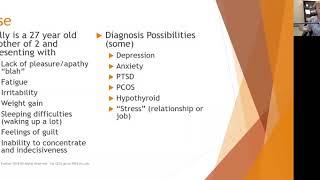
This episode was pre recorded as part of a live continuing education webinar on demand. CEUs are still available for this presentation through all CEUs register@allceus.com counselortoolbox. Alrighty. Welcome everybody to today's presentation. Today we're talking about transtheoretical and transdiagnostic approaches to assessment and change. We're going to identify the common symptoms for anxiety and depression based disorders, learn how a positive change in one area or symptom can have positive effects on all symptoms or areas, explore the function of each of those symptoms, the potential causes of each of those symptoms, and interventions. So this is one of the favorite groups that I do when I work with clients because it helps them have that aha moment a lot of the times. So just to kind of recap what we talked about on Tuesday, everything that people feel, sense, think and do is caused by the communication between their nerves with the help of chemical messengers called neurotransmitters. So we just kind of review that when we're going over group, then we talk about how higher order thinking is able to override sensory input and tell us there's a threat when none exists, or that there isn't a threat when one really is. So you know, we have our primitive instincts and that's where our initial, you know, fight or flight responses come from, our initial emotions. But whether we stay with those emotions or not is dependent on our higher order thinking. And you know, if you're really stressed out, your body is devoting most of its energy to keeping you safe. So that higher order thinking isn't getting a lot of energy. So it makes it harder to really differentiate. So people become much more stress intolerant. So it's important to think of your brain basically as a computer processor. It simply does what it's told based on the information that it has. If it doesn't have new information, then it doesn't know what to do. So in this presentation we're really going to talk about symptoms and helping clients understand that there are a lot of different things that can cause their symptoms. And just because they have depression, for example, doesn't necessarily mean that they have the same symptoms as their friend or their family member who has depression. Because depression can present in like, I think, 147 different ways. So symptoms are designed to protect you. And that is the one of the takeaway things that I really want people to get out of group is that symptoms are designed to protect them. And once you start understanding that, then you can start figuring out okay, protect me from what? And if we figure out the what, then we can figure out the best way to address that symptom for that person. Now, symptoms are not good or bad. It's important to remember that they just. They are. They are in existence. And one of the things that we talk about in dialectical behavior therapy is radical acceptance. And when you have a feeling of anger or anxiety or whatever, feeling that feeling, recognizing it and accepting that I am feeling this way right now, it is what it is. Now, you can choose to fight with that emotion and go, well, I shouldn't feel this way, or I deserve to feel this way and nurture it and whatever you want to do. Or you can ask yourself, I feel this way right now. How can I improve the next moment? Instead of trying to make the symptom go away right away, though, you accept it, and then you need to understand the function. If you are scared, you need to say, all right, I'm feeling anxious right now. Why, in what way is my body trying to protect me? Why am I perceiving a threat? And then identify more, alternate, more helpful ways to deal with the threat? And that's the improve the next moment. You don't want to stay there if you had a bear charging at you or whatever. You don't want to stay there for an hour and converse with the bear and be scared out of your mind. It's important to recognize that you know, what you want to do is figure out how to get away from the bear, you know, to protect yourself. So transtheoretical and transdiagnostic. Transtheoretical means approaching a person's presenting issues or symptoms and considering all of the potential causes. Emotional, cognitive, physical, interpersonal, and environmental. There are a lot of different reasons people can feel fatigued. There are a lot of different reasons people can feel apathetic or anhedonic, if you want to use a clinical term. So we want to try to figure out for this particular person at this particular time, what's causing it. Transdiagnostic means that many symptoms are common to multiple issues, like sleep changes. Is the person experiencing sleep changes because of anxiety, because of depression, because of ptsd, because they're pregnant, because, you know, because it's hot and their air conditioning is broken, you know, what's. What's going on? Hormones can be another thing that, you know, make it difficult to sleep. So we want to look at each individual person, and we don't want to just necessarily say, well, you have these four symptoms, so you must have depression. You know, we Want to rule things out. There are a lot of caveats, and differential diagnosis is somewhat of an art more so than a science. You know, we take those things and we've got to kind of decide, yes, we have this cluster of symptoms, but what else? By examining the whole person and not getting stuck on treating a diagnosis, we're freed up to really address the individual's particular issues. So instead of thinking, what treatments do I use to address depression, what treatments do I use to address, address anxiety, maybe backing up and saying, let's look at this person and what interventions might we be able to use to address fatigue and apathy, or, you know, both together or one at a time. So let's take a case study and to kind of drive this home. Sally is a 27 year old mother of two and she comes into your office and she's presenting with lack of pleasure and apathy and just kind of feels blah. You know, she's not suicidal, she's just kind of in that Eeyore phase. She's fatigued, she's irritable, she's experiencing weight gain recently, she's having sleeping difficulties. She goes to sleep, but she wakes up a lot. She's not getting a good solid night's sleep any particular night. She has a lot of feelings of guilt and inability to concentrate and indecisiveness. Okay, you know, we have the presenting symptoms, but I want to know what's causing them. I want to know, these feelings of guilt, what do they surround, you know, are they more indicative of, for example, survivor's guilt from ptsd, or are they indicative of guilt related to depression because they feel guilty that they're not doing all the things they feel they should for their family? Are they indicative of shame? We need to explore that a little bit further. So some diagnosis possibilities that all of these symptoms would fit into include depression, anxiety, ptsd, polycystic ovarian syndrome, hypothyroid, and just plain old run of the mill sleep stress and stress. You might be able to squeeze it into adjustment disorder if you really need a diagnostic classification. But, you know, if somebody is going through a divorce or a breakup, you know, they may not be clinically depressed, but this stress really weighs on people. And when your stress is an activation of that threat response system, and when that threat response system is going, when that HPA axis is activated, it reduces serotonin, it reduces sex hormone. So you do tend to have all of these symptoms. The good news is, you know, stress is generally situationally caused or sometimes cognitively caused. So A lot of times we can help people find relatively simple ways to address it. I mean, it's not going to happen overnight, but, you know, it's not like we're trying to figure out how to stabilize bipolar disorder or something. Anxiety, you know, when we're talking about people with anxiety, there's a lot of different things that can cause anxiety. Hormone changes in perimenopause and menopause. Hormone changes postpartum can cause anxiety. This woman is a mother of two. You know, we want to ask, when did you have your baby? You know, when was the last child born? Maybe it's postpartum depression. When did you start stop nursing? If the mother was breastfeeding, there's another set of big hormone changes that happens right after a mother quits breastfeeding. Same thing for if you had a male presenting, because males do experience postpartum depression because they experience, you know, increased life stress, lack of sleep, and a lot of things, just not necessarily the hormone changes that moms experience. So there are a lot of different options. Now, polycystic ovarian syndrome is important for us to realize and be aware of. Obviously, it only happens in women because guys don't have ovaries, but in pcos, a lot of clients meet criteria for clinical depression in addition to having weight gain, thinning hair, and problems with their complexion. So those are just a couple symptoms of pcos, but they can be extremely debilitating. And it's important for us to recognize that if somebody seems to be experiencing treatment resistant depression, you know, they've been working cognitively, you know, maybe they're on antidepressants. It's important to recognize that the hormones that are involved or the lack of hormones that are involved in polycystic ovarian syndrome can be contributing to that depression and lethargy and all that stuff. So if those aren't treated, the person's gonna reach this maximal level of improvement and probably not go much higher. So for them to achieve maximal improvement, they need to be able to also see a general physician, a primary care physician. So this is why we're talking about transdiagnostic, because many of our clients are going to present with something like depression, and they may have depressed mood and some unhelpful cognitions and all kinds of stuff, and we can help them, but that may only be 30% of their problem. They may also have some hormone issues, nutritional issues, sleep issues that are contributing as well as, you know, maybe general health or other medications that they're on. So we need to look at all the things that are contributing to each symptom. So the first symptom we talk about. And again, when I do this group with clients, I really want to emphasize to them that it's important to look at their symptoms, not to get caught up on just saying I'm depressed. Well, what does depression look like for you? So lack of pleasure apathy. That's kind of. You have to have it in order to qualify for a depression diagnosis. But there are a lot of different things that can cause it. So you can open the group up and start talking about what do you think might cause you to have lack of pleasure or anybody to just experience lack of pleasure in most things, most days, for a period of at least two weeks. And, you know, a lot of times it's a neurochemical imbalance caused by either insufficient dopamine or norepinephrine. Dopamine is your pleasure chemical, and norepinephrine and glutamate are your get up and go chemicals and your focus chemicals. And those can get out of whack for because of drug or medication use, excessive stress, lack of sleep hormone imbalances. You know, I start brainstorming with them other things that could potentially or have in the past made them feel just blah. So remember, with lack of pleasure, the HPA axis, the threat response system, may be activated. So it's important to remember how this works. And cortisol is secreted whenever somebody is stressed for some reason, which increases norepinephrine and glutamate for a little while, but it also produces reductions in estrogen and testosterone. So sex hormones and libido kind of go out the door. And serotonin tends to go down, which can result in increased anxiety and depressive feelings. Without enough serotonin, there's reduced melatonin, which means sleep is impaired. And when you're fatigued and you have a low sex drive and you know it can all start getting additive and you can just start feeling blah and apathetic. So I encourage people to look and see if there are stressors that are underlying what's going on. The function of lack of pleasure, because every symptom has a function. It's your body's way of signaling that there might be a problem and conserving excitatory neurotransmitters for a quote, real crisis. If you're under stress for too long, remember we talked about this on Tuesday. The body eventually says this is not winnable. There is no sense throwing good energy after bad. So I'm Going to rein it in, and I'm going to save my energy for the future. People don't want to stay blah for very long. That's just not how we want to live. So it often motivates people to address it. Lack of pleasure can also be a way of getting people to slow down if they're under stress and too wound up. It may be the body's way of saying, all right, I'm going to shut you down. I'm going to take away your motivation, so you're going to sit your butt on the couch. So then I talk with clients, and this can be fun. You know, you can find different fun ways to do it. A lot of times this group is more of just a brainstorming group, but we think back over a few times when people have been depressed, apathetic, even if it was just for a few hours. And I asked them, what do you do to help yourself feel better? And people start sharing. And, you know, it can be watching movies, going out and playing with their dog, going on a walk, going to. Some people go to bed, and we talk about different options that are available. And I encourage people to start creating in this group. I give them a sheet of paper, and I want them to write down three strategies for handling every symptom, should they have it? Then I ask them, what makes the depression or lack of pleasure worse in your life? For some people, going to sleep makes it worse. You know, they start feeling even more sluggish. For other people, being around people makes it worse. For some people, being around people makes it better. So I want to know for each client what makes it worse and what makes it better. Because again, they're starting to figure out, oh, if I do this, I'm actually working against myself. If I drink, for example, it's probably going to make me feel worse in the long run if I get a good night's sleep and just wake up in the morning. Some people, that's what they do. They say, you know what? I'm just going to go to bed, start over again tomorrow. And they wake up and they're sort of rebooted, if you will. What can you do to prevent triggering your depression or lack of pleasure? So if they've already identified what might cause it for them and what makes it worse for them, then we want to look at what the triggers are. If, for example, people start to get depressed and they just are really apathetic around the holidays, okay, that's not uncommon. So how can we devise a plan for each person to help them avoid triggering their depression or lack of pleasure. And this time, you know, if you're experiencing this symptom of lack of pleasure, what changed that triggered this depression? Because a lot of people, when they talk about depression, it's that feeling of lack of motivation and just heaviness. And I want to know what changed? You were doing okay, you were asymptomatic. If you want to say that you're doing okay for a while. And then what started this episode? Did it come on gradually? Did it come on like, you know, a train out of a tunnel? What happened here? So some simpleish interventions. I've encouraged them to brainstorm up until now because, you know, I prefer to do Socratic interventions with people instead of just spoon feeding them. But you know, we wrap it up, make sure we've hit all the highlights. I encourage people not to expect exhilaration, but to try to do some things that make them mildly happy every day. So again, I asked the group, what might that be? When I have clients in residential, you know, a lot of them are in early to mid stage detox and you know, they're feeling foggy and blah and depressed because they're coming down and experiencing post acute withdrawal symptoms from being on stimulants, a lot of them. So, you know, they're not feeling so hot. So I ask what things would make you mildly happy? For some of them it's watching tv, for others it's going out. And where I used to work, we had tons of squirrels and they used to love to go out and feed the squirrels or play volleyball or just sit outside in the sun. You know, what is it that makes you happy? We also had a dog park that was right next door to our facility. So sometimes clients would be allowed to go over and hang out by the dog park and just watch the dogs play. So those were options that they had. Get plenty of quality sleep to stabilize your circadian rhythms and your circadian rhythms. Since we haven't probably gone over this too much. When I'm working with clients at this point, I remind them that circadian rhythms are your sleep, wake, eat rhythms. And that just gets all your hormones kind of in sync. So I encourage people to pick a time that they're willing to go to bed. Not everybody goes to bed early and gets up early like me. And that's cool because I'm a morning person. But pick a time that you can get up pretty reliably, 8, 9, whatever it is for you. Then pick a time that you can go to bed pretty reliably. 9, 10, 11. Somewhere in there, adults still need seven to nine hours of sleep. So I encourage people to give themselves that window. And they may not make use of it completely at first because they're not used to getting that. But I want them to start getting their body used to sleeping during this time period and being awake the rest of the time, avoiding naps. That way we can start getting the cortisol levels set. And cortisol, I always talk about it as a stress hormone and like it's this evil thing. But cortisol is also something that increases and decreases throughout the day and is responsible for our awakeness and our alertness and our motivation. So we need a little bit of cortisol, and so we need to stabilize those rhythms. We can improve nutrition. And I encourage them to search online for nutrition for depression or talk to their doctor or, you know, in a treatment facility. We always had a registered dietitian they could talk to about things that could help. For example, you know, simple things like dehydration can lead to feelings of apathy and sluggishness. Remember that depression is a natural part of the grief process and also very normal after a trauma. So I encourage clients to be compassionate with themselves. And we often stop right here and we talk really briefly on a very high level because I don't want to re traumatize anybody. But we talk about, you know, what is grief and it represents a loss. And it's not just a loss of a person or a thing. You know, they can be grieving their loss of self esteem. They can be grieving the fact that, you know, they're going to have to be abstinent and they're not going to ever be able to drink again. They can be grieving, you know, a lot of different things. So most people in early recovery from substance use are grieving something or some things. And most people have experienced some sort of trauma. So if they haven't dealt with that, they may still be struggling. So they need to be compassionate with themselves and not say, just get over it, because that's, that's not how grief works. They can address unhelpful thoughts that are keeping them stuck. And that's too much to go into for the scope of this particular group. But I do point out and I ask them, what do you think unhelpful thoughts are? And, you know, a lot of times I get this blank stare because this is, you know, one of the first three groups I usually do with people. And so we talk about personalization. You know, thinking something is all your fault, or always thinking that people are thinking things are all your fault. So I encourage them to use challenging questions whenever they start feeling stressed or depressed, to ask themselves, what is the evidence for and against whatever I'm thinking and feeling right now? And is it fact based evidence? And is whatever I'm thinking is going to happen? Thinking is happening. Is that likely or is that unlikely? You know, if they can ask those three questions, then a lot of times they can unhook from their unhelpful thoughts. The other trick that I teach them in this group while we're on unhelpful thoughts is to unhook from their thoughts. So instead of saying I am or I cannot do this, saying to themselves, I'm having the thought right now that I cannot do this, so I'm having the thought right now is a phrase that they insert in front of the rest of the statement to remind themselves that this is a transient state. And then I encourage them to add in visual and auditory triggers for happiness. Put things up that you like to see that make you smile. For a while on my phone I had an MP3 ring that was super chicken and you know, it made me happy. And whenever my phone would ring, it would make me happy. So doing things that just make you happy throughout the day are really important and encouraging people to get rid of visual and auditory triggers that make them feel frustrated, depressed, anxious, angry. The next symptom is eating behaviors. So people who eat too much or don't have an appetite at all and depending on the person, you know, some people get depressed and they just eat like crazy because they're trying to feel better. And in our society, think about it, you know, what is food associated with? We revere food for its flavor. When we celebrate, we have food. When we go on first dates, we have food. When we have holidays, we have food. So food is really ever present. And a lot of times food when we were growing up was used as a reward if you do this and if you get an A on your report card, we'll go out to dinner or if you're good at the doctor, we will go get ice cream or whatever. So people have associated good feelings with food. So when they're not feeling good, guess what, if they're stressed or angry or depressed, they may be trying to self medicate, if you will, with food. There used to be this awful commercial and it drove me crazy from some company, I can't remember which one, that had these little brownie bites and they had they equated the brownie bites with hugs. They're like, when you need a hug, have one of these. I'm like, no, no, no, no, no. When you need a hug, get a dog. Don't eat a brownie. Because that's not the same thing. But it's important for clients to realize why they're eating. Are they eating out of hunger or are they eating to self soothe? If they don't have an appetite, you know, that could just be their body not being in sync with their, with their brain chemicals. Imbalance in the brain chemicals that help you feel motivated to eat, such as norepinephrine and serotonin, can cause changes in eating behaviors. So there's serotonin again. And serotonin is very responsible for eating and feeding behaviors. It's also responsible via melatonin for helping us get to sleep and setting those hormones, ghrelin and leptin, that help us feel hungry and satiated. So if we have that stress response system going and we don't have enough serotonin, then the whole system gets thrown out of whack. So there's often five primary causes. Now there's primary. I'm not saying that these are all the causes of overeating. People have poor nutrition. The poor nutrition can lead to cravings. If you're eating crap all the time and your body says, I need some vitamin B6 or whatever, then you may start craving certain foods. So it's important to recognize what your body is trying to tell you. Low serotonin, either caused by stress or organic. And I use that as kind of a garbage term for there was some sort of pre existing issue. Maybe you were born in a family and genetically you're predisposed to not have as much serotonin accessible. Maybe you had brain damage, you know, whatever, but it's not due to stress. Low serotonin levels, circadian rhythms that are out of whack can cause overeating. Think about some time when you were really overtired. When my husband was working midnight shift, he would often work all night long and then come home. You know, we'd get the kids off to, off to school. He would lay down, he'd sleep for like four hours and then he'd get up and pick our kids up from school. So he'd had like four hours of sleep and he would start getting this green pallor and he would eat in order to help himself stay awake, and then he would eat in order to help himself get sleepy. He never knew when he was Hungry, he just kind of defaulted to eating. And a lot of people on shift work do that. But you know, when your circadian rhythms are out of whack, those hormones that tell you when you're satiated and when you're hungry, those are out of whack too. Habit and self soothing. Some people eat to sort of self soothe or self medicate. Some people eat out of habit. Like when you're sitting there watching tv, you always have a bag of popcorn or a bag of chips or something. You know, some people just don't know what to do with their hands. They're not used to sitting still and not eating. So we can look at habits and thyroid issues. Hyperthyroid and hypothyroid can also cause changes in eating behaviors and changes in mood. Hypothyroid will look more like depression, and hyperthyroid often looks more like anxiety. Not always, but that's kind of your general rule. So we want to rule out again biological issues, habits, thoughts and behaviors. So we go through the same thing. In the past, when you've had just not had an appetite or have been eating to self soothe, how did you deal with it? And it can be anything from, you know, if they don't have an appetite, getting their favorite foods to, you know, just forcing themselves to eat three meals a day. That's what my mom's doing right now. She's going through chemo and she was telling me yesterday that she was so proud of herself because she got up. She really didn't feel like eating, but she knew she needed to because the doctor said she had lost too much weight. So she got up and she forced herself to eat. She's helping her body to have the neurotransmitters to help her eventually feel happier. And when people have been eating to self soothe, some strategies are during this period when you're really stressed or whatever, maybe not keeping your binge foods. The house. A lot of us are much less likely to binge on carrots than we are on potato chips or something. How can you make sure you're eating a generally healthy diet and your body's getting the building blocks that it needs? A lot of our clients have families, so getting them thinking about making a generally healthy diet is important and it benefits the whole family. Again, we can't make nutritional prescriptions, but we can educate about the food pyramid, about what a fruit is, what a vegetable is, why it's important to eat colorful foods in order to make sure you're getting enough vitamins and minerals of different Types. How is your environment contributing to your eating behaviors? They did a study, and a really interesting study that found that the more food people had on the counter, you know, if you had cereal boxes that were lined up on the counter or you know, plates of cookies or whatever, the, the heavier the people in the household were. But the people who put food in the cabinet, so it was sort of out of sight, out of mind if you will. They had lower body weights and tended to do less grease type eating. So looking at your environment and how it contributes and that can also include what do you put in your environment? In my house, we've kind of digressed a little bit and gotten bad lately about having some junk food in. But most of the time we have pretty healthy foods and stuff that you actually have to prepare. It's not ready made so you can't just walk into the pantry and get something. So encouraging people to look at their environment and see if they can put stop gaps in there. Because I'm much less likely to binge on something like macaroni that I've got to make versus something I can just open a bag and grab a handful of. What can you do to ensure that you're not eating due to hunger and that you are eating due to hunger and not due to distress? So I ask clients, you know, what foods do you generally eat to self soothe? What makes you feel better when you've had a bad day and there's, you know, always ice cream and cookies and you know, other things come up. What can you do to prevent non hunger eating? For some people, that could be keeping a food log and forcing themselves to write in a food log before they eat. I know that works for me because I'm too lazy. And when I think about having to like go in there and put everything in the food log, I'm like, I don't want to eat that bad. Never mind, I'll go do something else. And what can you do besides eating to distract yourself or self soothe? And we go back to the DBT and acronyms of accepts and improves to help people figure out alternate things they can do when they're feeling like they want to eat but they're not hungry. And again, they can unhook from that feeling by saying I am feeling like I want to eat right now. I did that last night. I was sitting there watching TV and we had three commercials in a row that were just amazing. Not healthy, but amazingly looked looking foods. And I was so tempted to go up and get something to eat and I'M like, no, you know what, I'm not hungry right now. I'm just having the thought that I want to eat and that thought will go away. And it did. So some simple get enough sleep so you're not eating to stay awake. Stop consuming caffeine at least eight hours before bed. That'll help you get better, more quality sleep. Reset those feeding hormones. Drink enough water, even if it's sparkling water and Powerade that helps people reduce their non hunger eating and their craving eating. Have three colors on your plate at every meal. Eat foods you enjoy, but in moderation. A dietitian I worked with one time said unless there is a physical reason to do it, eliminate any food. Because as soon as you eliminate it, you're basically setting yourself up cognitively for a binge a lot of times. So you know, allow yourself to have things in moderation. Maybe don't keep them in the house, but allow to have yourself to have food to enjoy occasionally in moderation. Use a plate. Don't eat out of the bag. Experiment with essential oils, some like peppermint and cloves and some of those things can increase appetite and some, like grapefruit, can decrease stress and cravings. If you just can't stomach eating, talk to your doctor about a meal replacement. Which you know, generally they're going to say you shouldn't do it for a long period of time. But as a stopgap, a lot of doctors would rather have you properly nourished than not. So again, that's something to decide with your healthcare professional. Sleeping behaviors is another thing that gets out of whack in a lot of different disorders. So what's going on here? Sleeping too much can indicate poor quality sleep due to stress. When we're stressed, we dream more, we toss and turn more, it's harder to get to sleep, we may wake up more. Poor sleeping habits sleep such as not going to sleep at the same time, sleeping with the television on, letting the dog sleep in your bed or the cat, pain hormone or neurochemical imbalances. If you don't have enough serotonin, you're not going to have enough melatonin. If your hormones are out of whack, you may have hot flashes, allergies and sleep apnea that make you cough or stop breathing. And poor nutrition. You know, again, you need the good nutrition in order to make the melatonin. So insomnia can often indicate an inability to relax. And I encourage clients to learn progressive muscular relaxation, yoga, stretching. Identify anything that can help them relax. I help Them remember that pain makes it difficult to sleep. So if they have pain, even if it's just a little bit of pain, trying to figure out how to get rid of that. And stretching usually helps. For a lot of patients, they can work with a physical therapist if they've got low back pain or whatever to get rid of some of the kinks from the day. And insufficient serotonin or melatonin, which are both also implicated in depression. When you're not getting enough sleep, you can't recharge as efficiently, so you're more tired. It's kind of like when you're trying to charge your phone and watch a YouTube video at the same time. It doesn't charge nearly as fast. Well, that's what you're doing to your brain when you're stressed and your brain is still going a million miles an hour and your body's trying to rest and relax. When you're getting too much sleep, your body doesn't secrete melatonin at the right times, leading to poor quality sleep and feeling exhausted all the time. You know, if you're getting too much sleep, you're sleeping 16 hours. Then you may have this kind of hungover feeling because your body doesn't know when it's supposed to be awake. The cortisol is not getting secreted to tell you to wake up. And the melatonin may not be getting secreted anymore either, because you're not getting enough daylight and you're not getting enough nutrition and other things when you can't sleep. It typically indicates that your HPA access or your threat response system is activated. Why? Well, it keeps you from being vulnerable. Your HPA access is saying, you need to stay alert here, just in case. So how do people cope? Again, back to them. I asked them, what do they usually do to help themselves go to sleep when they can't sleep. And you can get some really interesting responses here. But, you know, generally it's a group of all adults, so we're good. And what helps you wake up when you've been sleeping too much? And this one's generally a little bit harder because people are like, I don't know, I just kind of forced myself through it. Sunlight is helpful. You know, I usually stay away from suggesting caffeine. Sunlight is helpful moving their body, getting more oxygen. That can all help people feel more energized. We talk about creating a sleep routine that involves the same two or three activities every night. Everybody brushes their teeth. I hope. Everybody eats dinner. I hope. And then what's A third thing that you can do that you only do at night, not something that you do throughout the day, something that you only do at night that can help you wind down, whether it's reading a book or stretching or playing words with friends on your, on your mobile device, whatever it is, you know, reserve that for your wine downtime and then have them identify anything that wakes them up in the night. And you know, around our house, well, we've got two chickens that are house chickens right now because they're both recovering from surgery. They have diapers on, so don't worry. Our house is a three ring circus, but so they're in the bathroom right next to me all night long and they kind of cluck and make noises. And then we have the dogs and they can get upset about things. And if I let them sleep in my room, they usually are scratching or biting or doing something. And then the cats who will decide at 2 in the morning that they are going to run races over top of my head in the upstairs. So there are all kinds of different things with animals that can keep you up. Coughing and allergies, a snoring spouse. And you know, there are ways to deal with this, from earplugs to having them get that treated. Sometimes you end up with a CPAP machine. And some people I know just choose to sleep in a different room if the sleep deprivation is significantly bothering them. Sleep apnea can keep people from getting good sleep because you're waking yourself up by stopping breathing and stress and pain. Another tip I give people because I want them to walk out this day and really have three options for every every symptom. If they find that their mind goes a million miles a minute while they're trying to lay down. Keeping a notepad by their bed with a little red lamp so they have enough light to write, so they can write down things as they think of them and then get it out of their head so they can relax. Simplish interventions. Get a physical to rule out any medical issues, especially thyroid and hormone imbalances. Anything that's causing chronic pain or apnea. Reduce or eliminate caffeine. At least eight hours. It says 10 here, but that's not realistic for a lot of people. At least eight hours before bed and that includes chocolate, Diet Coke, Diet Pepsi, Dr. Pepper, anything like that. Keep a notepad by your bed to write down things. Use progressive muscular relaxation to help your body relax and develop a stress management and relaxation plan. Another issue that's common to a lot of diagnoses is lack of Energy or fatigue and it's caused by too much or too little sleep. A lack of motivation and reward. I mean think about it. If you have low energy, you're getting up and you're trying to get ready to go to work and you're just like, oh my gosh, well let's look and see. Is this job that you're going to motivating and rewarding. Now no job is going to be that way all the time. But if it is habitually not motivating and rewarding and other areas of your life are not motivating and rewarding, then you may start lacking motivation neurochemicals and just feel like, you know what, I just don't have the energy to do anything. I don't care. Which also looks like apathy. Sometimes lack of movement can cause low energy. A body at rest tends to stay at rest. A body in motion tends to stay in motion. Think about how hard it is if you've been sick or whatever and you've been on the couch like all weekend, it's hard to get up. If you've been on the couch even for a few hours and kind of get moving again, that first couple minutes is like, oh, if you've ever been on bed rest, you know that laying around actually makes you sleepier. Fear of failure or rejection can keep people from just not having energy and being tired because they're stressed all the time about, you know, what people think and if they're going to succeed and if they're going to fail. It's exhausting and it burns up a bunch of energy. Poor nutrition again and hormone imbalances. The function of low energy. The body is devoting scarce resources to rebuilding and functioning. It just, it ain't got enough gas right now because of any of these things. So it's important to recognize that your body might be telling you something. So how do people cope? What besides caffeine helps you get energy? You know, for some people, they get up and you know, they do 10 push ups and that gets their oxygen flowing and they feel a lot better. Other people go on a walk. Some people will do deep breathing exercises, Some people take a cold shower. You know, whatever it is that can kind of jolt you into energy, we're going to go with and then what drains your energy? And this can usually be a good conversation emotionally. What drains your emotional energy? What makes you feel frustrated, anxious and angry and depressed and people start listing those things. My son, bless his heart, you know, he'll read the news and he'll get himself all riled up. And I'm like, son, you are just spending oodles of emotional energy on stuff you can't control right now. You know, he's not even old enough. Well, he just turned old enough to vote. But we look at where you're spending your energy mentally, what drains your energy? And that's concentration, thinking, problem solving, memory. You know, where can you cut corners there physically? Well, that one's easy. What drains your energy? So, you know, figuring out what helps you get energy physically, but also what drains your energy socially. What drains your energy? I'm an extrovert. I get energy from being around people. My daughter's an introvert. That just drains her energy. So she has about three hours of extroverting in any given day. And then she's like, no, I'm done. I'm tired. So people need to be aware of their own perceptions and environmental. What drains your energy? For me, being in an environment that's chaotic, that's negative, or that's, you know, disorganized can be very draining. But that's not the case for necessarily everybody. When you felt low energy or lethargic in the past, how did you help yourself feel better? It's always better to go back to what have you done in the past that's worked. Alrighty, so get up and move around. Try doing 15. And, you know, this is one of my favorite. What's the word I'm looking for? Interventions. Sometimes you're sitting on that couch and you have no energy and you're just like, oh, my gosh, I just don't want to do anything. Get up and do it for 15 minutes. If you're still miserable after 15 minutes, go sit your butt back down again. But there have been very few times where I've started something and then thought, okay, this is awful, and decided to quit. Probably a handful in my life most of the time. Get up. It's not so bad once you get started. And part of that is just getting the blood flowing and the oxygen moving. Stay hydrated. Increase motivating chemicals. By having some successes, make sure that life is motivating. So do things that either provide you success in some way or make you happy and that will help you get more energy. Get an accountability buddy who encourages you to get up and go to the gym or somebody that you look forward to seeing when you're at work or a housemate that will help you out in the garden. Identify any fear or depressive thoughts that may be dampening your motivation and think the opposite. And then think about again in the past. How do you get energy and motivation when you don't have any? You don't want to do the laundry. How do you get yourself to get up and do it? How do you get started on a task when you don't want to? Irritability often looks like being restless, not being able to sit still. It's not just being cranky. It can be irritable, psychomotorly. You just can't sit still. You're constantly fidgeting and you don't want to be still. Or you can be quick tempered. So you know, somebody says something to you and you turn around and just kind of bite their head off without thinking. It's that whole no thinking thing. It can be caused by high levels of anxiety, stimulants, unstable blood sugar, which is that poor nutrition thing. Depression or ptsd. High levels of anxiety, for whatever reason can lead people to be more defensive and irritable. Because those cortisol levels are already high. Stimulants increase those cortisol levels. Unstable blood sugar. When your blood sugar goes down, guess what cortisol does? Cortisol gets your body to release glucose. So if your blood sugar goes down, your cortisol goes up. So you're going to tend to be a little bit more wound. Depression can sometimes cause people to be grumpy, the grumpy kind of irritable. And PTSD can cause symptoms of hypervigilance and irritability. So again, a lot of different things that can cause irritability. So what is causing it for that particular client? When people are irritable, their body's likely detecting a threat, either real or chemically induced. And that cortisol level is high. So how can you get your cortisol levels down when you feel driven and or irritable? How have you been able to get it under control? You know, sometimes when I'm restless and I can't, just can't sit still, I'll go on a walk or I'll find something to do with my hands, like crochet, you know, if I can occupy my hands and my mind for a few minutes, I can generally chill a little bit. Like when you're sitting at the doctor and you're waiting for test results or something and you're just, you're a little anxious and irritable, you know, getting something to do to distract, don't react. What can you do to be kind to yourself when you're feeling irritable? What thoughts make your irritability Worse. A lot of times when we're restless and irritable, we want something and we want it now. You know, we want the results of the test now. We want the surgery to be over now. We want whatever and we can't get that. So we go back again to the distress tolerance acronyms from DBT accepts and improves. And I always give these as a handout in this group. We're not quite there in the groups yet, but, but most anybody can start using these. Reduce irritability by addressing unhelpful thoughts that are stressing you out. I also give them the handout for the challenging questions. Use distress tolerance skills to feel the feeling and let it pass. Just acknowledge that it exists and let it go. Practice good time management so you don't feel pressured and be compassionate with yourself. If things are taking a bit longer. Pay attention and reduce how many stimulants you're taking, including caffeine, nicotine, diet pills, decongestants, and even some herbs and pre workout supplements, which usually have a lot of caffeine in them that can rev you up and make you more irritable. Unstable blood sugar and poor nutrition can also make you feel jittery. So try to eat healthfully and regularly as you and your doctor think are appropriate concentration when you're having trouble concentrating or making decisions. You know, those are higher order processes. You know, cats don't sit there and think, hmm, what should I do today? Should I run around the house or should I go harass the dog? You know, they don't think of those things. And okay, Heather calls it Teflon mind. You know, thoughts come in and kind of go out and you can have that with irritability where you just kind of try to let those things pass. But you can also have it with concentration where you have difficulty focusing and making decisions and remembering things. Neurotransmitter hormone or blood sugar imbalances caused by lack of sleep, poor nutrition, or excess stress can all contribute to difficulty concentrating. Think about if you've ever had a new baby in the house, male or female, mom or dad, what your concentration's like. I mean, you have that new baby brain because you're not getting good sleep and you're trying to integrate this new little being into your routine and everything else. And trouble concentrating can also be caused by feelings of helplessness that cause you to second guess yourself. So you're just not able to focus on one thing. You're like, well, what if I did this? You're kind of like that little squirrel in the road. Function of concentration. Well, when you can't concentrate, your body is trying to help you conserve energy. If it's struggling to just keep going, it's not really worried about those higher order thought processes and concentrating on work, worried about resting and repairing and focusing on the things that have a direct impact on your survival. So how do people cope when they're having difficulty concentrating? Encourage them. And again, I ask this question and I want responses and if I don't get responses, one of the worst ways to do group is to say, you know, that you just throw out a question and go, anybody? Because then you're kind of like the guy from Ferris Bueller and you're like, Bueller, Bueller. Anyway you want to, if somebody doesn't answer, you want to start calling on people. And these are not, you know, vulnerability producing questions. So you can call on a person or you, if you want to be more sensitive. You can break people up into groups of three, have them discuss each question and then have a representative of their group share an idea. Not everybody likes to be on the hot seat and have to participate. So either way you want to do it, but you do sometimes want to call on people or call on their group. Simple ish interventions. And let me go back to that. When you're calling on people, don't make them like don't ask the question and then make them respond like immediately. Give people a minute or two to kind of process what's going on. And again, if you're doing it in small groups, you know the group has to have a second to discuss it. So doing this group can actually take two hours if you give them periods to discuss each question. So simple ish interventions for concentration. Just be kind to yourself. Work in the morning if that's when your energy levels are high. Write things down. If you're having difficulty concentrating, write things down. And then try not to overbook yourself during this period because for whatever reason your body's going, I ain't got it in me right now. Practice good nutrition. Make sure you're hydrated. Get adequate quality sleep. This is the one time I do talk about naps. Research shows that a nap after lunch for anywhere from 10 to 20 minutes, no longer than 20 minutes, increases focus chemicals like norepinephrine up to 200%. I thought that was interesting. Write things down when you're stressed because your memory is often going to suffer during a trauma or under any kind of stress. And don't overload. So those are your basic symptoms that are really Common to a lot of presenting issues that clients bring to us. You know, you've got other things like schizophrenia and whatever, but ptsd, anxiety, depression, and even people with bipolar disorder. I mean, they have the depressive symptoms. You know, there's also other stuff with mood stabilization, but those four diagnoses right there, PTSD, anxiety, depression, and bipolar disorder make up probably 90% of most of our practices. So helping clients understand how to address the individual symptoms and encouraging them to identify what causes it for them and what helps them, that strengths based, solution, focused approach can be really encouraging. And a lot of times when we do this group, I will walk out or walk out of the group and people will have this aha moment and they're like, you know, I never thought about it that way, or I didn't realize how important sleep was, or I didn't realize this. So they have something to ponder and think about. And these are easy ish, simple ish things that they can start addressing right now. We didn't really talk about anything super psychodynamic or cognitive. So in summary, the brain takes information that you already have and combines it with input from the current situation to decide if there's a threat. Higher order thinking is required to override your threat response system. So you need to look and when you start feeling anxious, you need to use that higher order thinking and go, okay, right now, in this particular situation, am I really in danger? The HPA axis or threat response system triggers the release of cortisol and can create a cascade effect which leads to a lot of these symptoms, including apathy, fatigue, and low sex drive and difficulty sleeping. Interventions may include doing things that make you happy, improving sleep and nutrition, addressing pain issues so you're not as irritable and you're getting better sleep. Addressing unhelpful thoughts, contributing to emotional and physical distress. Every symptom has a function. Each symptom is often caused by a neurotransmitter imbalance due to poor nutrition, poor sleep, negative thinking styles, excessive stress, thyroid or hormone issues, or sometimes addictive behaviors. So recovery from any of these things involves eliminating the problem and finding a healthier alternative. Remember, everything you do, you do for a reason. Everything your body does, it does for a reason. So it's important to figure out what that reason is and a healthier, happier alternative. If you enjoy this podcast, please like and subscribe either in your podcast player or on YouTube. If you want to attend and participate in our live webinars with Dr. Snipes, you can subscribe atoolbox this episode has been brought to you in part by allce.com providing 24.7 multimedia continuing education and pre certification training to counselors, therapists and nurses since 2006. You can use coupon code counselortoolbox to get 20% off of your current order. If you're a podcast listener, especially on an Apple device, it would be extremely helpful if you would review Counselor Toolbox. To do this on your Apple device, go to the podcast app, search for Counselor Toolbox, select the icon for the podcast, tap the Reviews tab in the middle. You should then see an option to click Write a Review. We love to see five star reviews, so if there's anything we can do to make this podcast even better for you, please email us at support at allce. Com.










