Risk Management for Mental Health and Recovery Residences Counselor Toolbox Podcast Episode 139
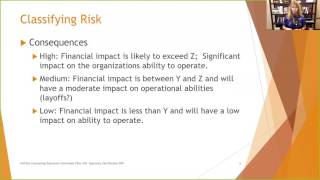
Dr. Dawn-Elise Snipes defines risk as probability times consequence and sets thresholds: high risk is 25% or more in 12 months, medium is 25% in 10 years, low is under 2% in 10 years. She covers common risks in recovery residences like client suicide, data breaches, drug use on premises, and staff burnout, then walks through mitigation steps from identifying risks to documenting policies on HIPAA, staffing, and disaster response.
Questions this video answers
Risk is the combination of the probability of an event and its consequences.
A 25% chance of occurrence within a 12-month period is considered high probability.
Less than 2% chance of occurrence in a 10-year period is considered low probability.
Coupon code 'counselortoolbox' for 20% off at allceus.com.
Chapters
This episode was pre recorded as part of a live continuing education webinar on demand. CEUs are still available for this presentation through all CEUs. Register@Allce.com Counselortoolbox you I'd like to welcome everybody today's presentation on risk management and ethical obligation. A lot of what we talk about with risk management, you know, at least where I came from, I used to think about risk management as slip and fall. But we're going to look at what risk really is and explore the benefits of risk management. Learn how to categorize risk and explore common risks in a behavioral health environment and ways to mitigate them. Now, if you work in a facility or in a private practice, you know, this is really applicable to everybody who works in behavioral health. Risk is the combination of the probability of an event and its consequences. So something that has a high probability with low consequences is less risky, if you will, in terms of the viability of your practice, your organization than something that has a high probability with high consequences. Some examples I came up with high consequences, high probability. You know, I work in a, or I worked in a co occurring disorders facility. We had a methadone clinic, we had a detox facility. We had a lot of different units there. The likelihood of drug use on the premises was really not that uncommon. Whether it was people coming that were visitors or people that were waiting in order to get dosed, unfortunately, you know, it happened and it wasn't something that we were really all that shocked about. There are high consequences though, because, you know, we're a treatment facility. So if they're using on the premises, it could cause other people to relapse. It's bad for our reputation. And you know, there's a lot of other potential harms. For example, if they are using needle based drugs and there are needles left around that people can get stuck by. So there are potential high consequences for that. An assault in an unlit parking lot, you know, assuming steps aren't taken. What we're looking at is if maybe you're getting ready to start a new program and you rent a new facility and you're doing a walk around and you see that this parking lot is not very lit. Well, most of us, regardless of whether it's a behavioral health care center or a hospital or just a parking garage at the airport, we're not going to be walking into an unlit parking lot and feeling very good about it because we know that that is potentially a place where bad things could happen. So if something happened like that, and you know that is typically a target for people of the mindset to victimize others, There would be significant high consequences not only for the person who was victimized, but again for your reputation and potentially liability. Slips on wet floors. Another one. Okay, high probability, low consequences. No toilet paper in the bathroom. You know, the. Fact that when we live in a facility or when we live in a facility, when we're at a facility, there is going to be, there are going to be times when toilet paper runs out. You know, maintenance staff may have not been on top of it. Whoever was in charge of it may not have been Sally on the spot. So it's important to understand that things like this can happen. Now, is it a huge issue? You know, no, it's going to be unpleasant, it's going to be inconvenient, but it's probably not going to have huge consequences for anybody. You know, as long as it only happens once in a while. Electricity goes out in the storm. I don't think I've ever been anywhere. I've been at the gym, I've been at the grocery store, I've been at home and I've been at work. When the electricity has gone out, there is a high probability that's going to happen. Are there high consequences to it? You know, if the electricity only goes out for a short period of time? Probably not in a behavioral health situation. Now if you're working in an intensive care unit, that's a whole different issue. You know, that, that would be really bad mojo, which is why they have backup generators and all that kind of stuff. Low probability with high consequences. Client suicide, major data failure, or clients who are medication non compliant who destabilize and cause harm to themselves or others. So these are all things that we're going to start thinking about in terms of risk. Risk management provides a framework for consistent quality services, Improves our decision making, planning and prioritization, and contributes to efficient use and allocation of resources which helps us protect and enhance our assets, including our reputation. So basically, risk management, we're not only looking at material slips and falls and risks of a physical nature, but we're also looking at anything that could damage our reputation, that could damage our income earning potential. If somebody files an ethics complaint against you, they find that you are guilty, they yank your license, you ain't going to earn money as a therapist anymore. So that's a risk. Likewise, if somebody slips and falls on a wet floor and there was no sign and you had no liability insurance, you could potentially be sued. Not be able to keep your practice open Yada, yada. So we want to look at risk kind of globally. And then you're going to decide from that perspective what's most important for me to take care of and what can I mitigate. Types of financial repercussions. I didn't know what to title this slide. There are a lot of common suits against the agency for medical bills. You know, if they slip and fall and get hurt at your facility, they, you know, it's an icy morning and they're walking up the stairs to get into your facility and they slip and they break their hip. So you could be sued for medical bills. If you've got liability insurance, it'll probably cover it, assuming you weren't negligent. And there again, your insurance company doesn't really want to pay out. So you need to make sure that you're doing your job on your end by marking it as slippery, by putting on salt, by doing whatever you need to do to make sure that people have a safe way to get into your facility and out. Lost wages and earning capacity. You can have to pay for that. You may have to pay for pain and suffering, emotional distress and the loss of ability to enjoy life. Some of that comes in your suits against. If somebody files a suit against you for an ethical complaint, like a boundary violation. But there can also be this sort of personal, personal injury kind of claim. If somebody falls and breaks their hip, property damage, their car gets damaged by a tree limb that was not adequately tended on a tree during a storm, wrongful death. Somebody commits suicide, they look back and they find that you didn't follow up when they hadn't shown up for their appointment or you didn't follow the duty to warn procedure. Punitive damages if there was negligence. And negligence basically says, would another reasonable practitioner have done something different? So you could have suits where you have to pay out for any and all of these things, that's going to be a financial big problem for you. Loss of funding. So if something happens and for example, you are taking Medicaid and you get audited and they find out that you've been doing some kind of shady billing, they can decide that you are no longer a provider for Medicaid, yank that funding. Or you could lose state funding for a variety of reasons. You could lose. If they find that you've been waiving co pays or deductibles. It's possible for insurance companies to say, you know what? You're not on our provider panel anymore. Bye, bye. And if the majority of your clients are from that insurance company that could be devastating. So that's a risk that you want to mitigate, preferably by not breaking the law. Loss of license I talked about earlier, if somebody files a ethical complaint against you or a legal complaint, you could potentially get your license revoked, which would mean you can't earn money for what you went to school for like a bazillion years. For the final one, which is a little bit more loosey goosey is your reputation. As the Internet has become more sensitive, second nature to most of us, people are going to places like health grades, Google, Yelp, Facebook, wherever. And if they don't have, if they don't feel like their needs have been met, wherever they are, they are much more likely to put out negative reviews. When you look at people's motivations and you can think for yourself about how many times if you had really good service somewhere, just kind of been like, well, that was an awesome place, you know, whatever. But if you had really bad service somewhere, you were all about posting a negative review. And you may not actually go through with doing that. But people are a lot more motivated to post negative reviews, to feel like they're getting some of their power back then to go on and post positive reviews. Think about, you know, if you've got kids, how likely are you? Or how frequently do you give them praise for things that are well done, even if it's something that you expect them to do, like their chores versus criticism. You know, a lot of times, and you know, I'm guilty with this, having two teenagers at home, I'll come home and I'll look around and I'll be like, okay, chores got done, great, whatever. Go about my day instead of telling them what a good job they did. And. But when something doesn't get done, you can be darn sure I'm going to notice it. So I try to make an effort to reward the good with the bad. But anyway, loss of reputation, people are going to be more likely, if they're unhappy with you for some reason, to go online to go out and make complaints and be very vocal about it. So it's important to guard against your reputation as much as possible. You're going to have unhappy clients. You know, that's just the way it is. I look at reviews on somewhere like healthgrades.com and, you know, I'll read them and I'll be like, you know, that one sounds like somebody who is just, you know, didn't get exactly what they wanted and maybe it wasn't in their best interest. So I Try to sort out the wheat from the chaff, if you will, when I'm looking at reviews. But not everybody does that. So we want to try to do as much as we can to guard our reputation. Consequences of risk. You know, when you're trying to figure out what you're going to deal with, you want to concentrate on the ones that are high risk, high probability. But what is high risk? Well, high risk generally involves financial impact. Because when you're looking at risk management, you're looking at the solvency of your business and what is going to happen or things that could happen that might actually cause you to shut your doors or not be able to earn a living anymore. So the financial impact of whatever the risk is is likely to exceed Z. Whatever Z is. Now, for an independent practitioner, it may be $10,000. For a large organization it may be a million dollars. But whatever Z is for you, if whatever the damages are, you have to come up with this much out of your proverbial pocket. It would cause you to file bankruptcy, have to close your, close your practice, whatever that's high. Medium. The financial impact is between Y and Z. You know, you don't want to pay out any money, but it wouldn't be devastating and low. If the financial impact is less than Y, it'll have a low impact on your ability to operate. So you know, again, it depends on the size of your organization. But knowing that there are going to possibly be occasions when there is a financial impact or how will you deal with that? And it's not necessarily just paying out to a client. Again, it could be loss of reputation. So if somebody goes on and posts a nasty review about you on every single site they can find and it impacts your business. 10%. What's 10% of your monthly revenue and is that going to cause you to not be able to put food on the table and have to close your business? Probability. Now you figured out how devastating this would be, but what's the probability it's going to happen? The general rule they use is if it's a 25% chance it'll happen in 12 month period, it's a high probability. Now when you're talking about a big agency where they've got, oh, I don't know, 300 people coming through the door a day, you know, that means that things are going to happen probably more often because there's a lot more chance for it to happen, 25% chance in a 12 month period this will happen. High probability. Like I gave the example of the power going out in a storm? Yeah. One in four chance it's going to happen once a year. Not unheard of. Medium chance, 25% oops. Chance not change. It will happen in a 10 year period. So you want to look back historically over your records or over, you know, get some information from other providers, in talk with other people who are in private practice or you know, if you're at a facility who operate a similar facility and say in a 10 year period, how often has this happened? How often have you had a major flood that caused you to not be able to provide services for two weeks while they fix the piping and patch the drywall? Low is a less than 2% chance of occurrence or not likely at all to occur in, in a 10 year period. So some things happen. You're going to look at again the probability as well as the devastation. Like I gave the example of the toilet paper. There's a really good chance that's going to happen. You're going to run out of toilet paper and that's unfortunate and inconvenient. High probability, really low consequences, you know, probably not going to cost you anything at all except for an extra roll of teepee, but you want to weigh those things out. So there are multiple types of risk that we're going to look at, strategic and financial. You want to keep money coming in, so you're looking at your organizational objectives. If you want to provide outpatient counseling to survivors of domestic violence is one of your organizational objectives, great. Where are you positioned in the market? We're assuming that we're going to go with the thought that you're running a thriving business. You're not trying to change and start a new business. You want to make sure that you have cash flow. So you want to make sure that those people who need that service are going to come to you and keep coming. And there's enough of them that will keep coming in. If six other providers open in your area who are going to do the same thing, that's a risk. You know, you always face the risk that you're going to have competition. So you need to plan for that kind of risk. Legal and regulatory issues can also impact you if the law changes. I know back when etherapy first started, you could practice etherapy as long as you were licensed in your state. They have since changed the regulations where anybody who is practicing etherapy can only practice if they are licensed in the state in which they are in and the state in which the client is in. So if you're not licensed in the state in which your client resides. You can't provide etherapy services in most states. Now, I'm not going to say every state because I haven't looked at all 50 state regulations, but that significantly reduced the proportion of people that an etherapist could serve. So when that law changed, they saw their business go way down. Another area of risk that you want to look at is employee risk. You want to maintain an efficient workforce and reduce turnover. You know, look at, you know, if you live in an agent, live in an agency, if you work in an agency, you remember that first week of training that you had to go through, they paid you for that. So every time you've got employee turnover, there's the cost of advertising, the cost of interviewing, the cost of the background screenings, the cost of the training. And then, you know, if they make it through probation, there's that whole probationary period. And then if they quit and you've got to hire somebody else, you have those costs all over again. And you really haven't reaped any benefits. So you want to have a good employee foundation. So you want to prevent workers compensation claims as much as possible. Make it a healthy, safe work environment. Avoid wrongful termination suits. So if you have an HR department score, they should be all over this. But there are procedures you've got to follow when terminating somebody. Otherwise they may come back and find ulterior motives for the termination in order to sue you. So you need to be able to document that paper trail of corrective actions. Burnout. If you have a workforce or even yourself, you know, sometimes we can see a lot of clients and it can get exhausting. So making sure that you prevent burnout in yourself as well as if you have employees in your employees, because if they get burned out, they could negatively interact with other staff members and, or clients, and they may also quit, which either way reduces your reputation and increases your, increases your cost. If you start getting that reputation of being a not so great place to work, then you're not going to get the cream of the crop, employees either. And obviously you want to prevent injury or victimization of your staff. You know, you don't want them being assaulted or hurt in some way by clients. And we all go through training on what you need to do in order to keep yourself safe. When we're dealing with clients and other people, and it doesn't have to be people who are, quote, mentally ill, any person on any given day can all of a sudden become violent for whatever reason that led up to it. You don't know. You know John walks in from off the street. You don't know I'm from Adam's house Cat. You can't assume that everything's going to be hunky dory. So you need to know how to protect yourself and make sure there are procedures in place to protect staff and to protect other clients if they happen to be there. If a client becomes, or a person doesn't have to be, a client becomes violent, starts brandishing a weapon. What are your procedures for handling that? You know, basic risk and safety procedures, technology risk. You want to look at regulatory and legal compliance. This is all HIPAA high tech stuff to prevent a data breach. You want to make sure that you know you have security on all your data. You're maintaining that. But also, like I said in the HIPAA class, you need to make sure that people have access to data. HIPAA stands for Healthcare Information Portability and Accessibility Act. So you need to make sure that clients would be able to access that information should they request it, and that staff can access that information even in the event that maybe you have the server that's on your site just completely blows up. All right, well, all the data that was on that server better be backed up somewhere. So this is what we're calling a disaster. Data failure. All those things you need to have backups for. Even if you're in private practice, if you have electronic health records, if you store client files on your computer, you need to have a backup and it needs to be backed up regularly, at least once a day, if not in real time, in order to prevent any problems. Another problem that can come from data failure. Hard drive on your computer craps out. That's where all of your notes were, all of your intakes. Well, you know what? Insurance doesn't have to pay you for anything that there's no note on. So that's a risk. You need to make sure that you can document what you did in order to get reimbursed, to protect yourself from lawsuits and in order to provide quality care. Patient safety, risk management. This is really more what we're going to focus on today, the physical environment. You want to look around and see, could someone get hurt, could someone get injured, Are they safe? You also want to look at the interpersonal environment is what I call it between clients, how do they interact, how can you make sure that they're safe, they maintain each other's confidentiality. If you do group work, this is an issue. But if you've got multiple clients sitting in a Waiting room. If you've got multiple clients in your facility at the same time, we want to make sure we know how to keep everybody safe. If one should start to decompensate, how do we keep the others safe? We also want to look at the environment between clients and staff. And unfortunately, I've had the occasion to be supervising a staff member who behaved inappropriately towards a client and had to be disciplined. There need to be clear procedures on how staff is supposed to interact with clients and ways for clients to. Where we came from, we called it file grievances against staff members who they believe acted inappropriately towards them in whatever way, denied them access to something or was rude or whatever. Now, some of these, you know, again, where I came from, we called them grievances. Sometimes we would get grievances, and it was like, really, really, it was worth filing a grievance over this. But the person was upset, and coming from their point of view, they felt disempowered. They felt like, you know, whatever happened, we needed to try to figure out how to make them feel a little bit better and feel more empowered. The grievance gave them part of that process because they were able to complain, basically. But in order to prevent them from continuing to feel upset about it, when we needed to make sure they felt like their complaint was heard. Now, we may not agree on the solution, but 99% of the time, and, you know, I don't know if that's the right stat. It's close to it. If somebody feels like their complaint is heard, that de escalates the situation. Even if you don't come to the same exact resolution that they may have wanted. And in the event of a client destabilizing, what are your risk management procedures? If you have a client who becomes suicidal in your office, if you have a client who calls, they don't actually make their appointment and they have become suicidal, how do you handle that? You want to have procedures available, common suits against therapists for patient safety issues. And these are just things to be aware of. Most of them deal with ethical stuff that you're going to look at and go, well, of course. Well, we say that, but we still. Some of the most common suits against therapists revolve around having sex with your clients. And you're like, that's boundary violation 101. What were you thinking? And yes, there's more to it than that. You got to look, you know, what their mental state was and yada, yada, yada. But boundary violations, it's a big one. If you are a supervising clinician, you need to make sure that your clinical staff is doing okay. Regular staff reviews. You know, when I, when I supervised a whole mess of people, we had weekly staff meetings. I was able to check in, I was able to look at paperwork, I was able to make eye contact with my staff and see how they were interacting and doing. So if I noticed that somebody was starting to get depressed or exhausted or act a little bit off, I was able to address it. From a supervisory standpoint, make the referral to the eap. Sometimes just saying, what can I do to help in order to prevent burnout, which often prevents a lot of boundary violations. So look at what can you do to prevent that in yourself and among your staff? And generally attentiveness as a supervisor goes a long way. Inappropriate or excessive self disclosure. This one was a little bit surprising to me that it was a frequent lawsuit against therapists. Not surprising that it happens. I have seen it happen where a therapist, if you're working with a client who has sexual abuse issues and you have survived sexual abuse and you disclose that in order to develop some empathy, that can be, that can be seen as okay. Not all therapists are going to do that, even if they do have that experience. But, you know, you can make a case for that. If the client is talking about something completely unrelated and the therapist interjects for some unknown reason that they survived childhood sexual abuse, the client may be like. And your point would be, at which point the legal community basically looks and says, was this therapist acting in the best interest of the client or trying to get his or her own needs for validation and support met? So being careful about what's appropriate for self disclosure. Dual relationships. Having a business relationship with somebody, having a personal relationship with somebody. You know, again, this is one that we kind of go over ad nauseam in school and every biennium when we, when we renew. But it's important to remember that we wouldn't have to go over it this often if it wasn't something that still frequently happened. So you may want to ask yourself, why does that happen and how can I prevent that so we don't have the same outcome. Using techniques without proper training or licensure, such as hypnosis. You know, there's. It gets really gray in there when you start going from mindfulness to meditation to guided imagery to hypnosis and making sure you don't cross over into an area where you haven't had adequate training. Vital, not only to prevent harming a client, but in a lot of states, things like hypnosis are something you actually have to be specifically licensed for. So you're practicing outside your bounds of competence. Deliberately using incorrect diagnosis to get insurance coverage or other funding. Somebody comes in, they really meet. Adjustment disorder, but in order to get insurance payment, you diagnose them with major depressive disorder. Big no, no. Another big no no, which I am well aware happens frequently if you work at an agency and they get funding for mental health and they get funding for substance abuse and they run out of substance abuse funding, so you switch their diagnosis to one of mental health so you can keep them in treatment. Not okay. Inadequate documentation results in paybacks, wrongful death, another common suit, and breach of confidentiality. Breach of confidentiality can come from either a record breach, not following HIPAA protocols and all the fines that go with that, or even running into somebody in public and, you know, acknowledging them, greeting them, whatever we are, you have to work that out with your patient ahead of time. Especially if you live in a small town, but really anywhere. How are you going to handle it if you run into them outside of the clinical setting? And so they don't feel like their confidentiality is being breached if you say something to them or they don't feel like they're being dissed in some way if they are breach if you don't say something to them. Now remember, as always, if you have questions, you can type them into the chat window and I will respond to them as quickly as possible. Common suits against agencies in general. Sexual harassment. Now that can be staff on staff or staff on client. So just be aware of it. Environment of care. And that's that big garbage one for I slipped and fell and broke my hip or, you know, you didn't take care of the tree outside that had the dead limb and it fell on my car and crushed the. Crushed the roof of it. Improper billing practices. Billing for services not provided. Yeah, it's just unless you did it, don't bill for it. Unbundling means, you know, the insurance company has a rate they give for something like intensive outpatient services. That covers the doctor's visit, that covers the individual therapy and group therapy. But you get more money if you bill for each one of those things individually. No, if you're providing iop, you bill it as an IOP service. And they explicitly say in most contracts that unbundling is a contractual violation and waiving co pays and deductibles. I gave you plenty of links that you can go read about the different legal opinions on that. And there's none of them that are good. So they're all saying whether you're actually on a provider panel or you're an out of network provider, you still have the obligation to collect co pays and deductibles. Even for private insurance. It's not just Medicaid and Medicare anymore. Therapist malpractice. If you do something that another reasonable therapist would have done differently, your agency could be sued. You know, they don't just go after the therapist, they go after the whole agency because the agency has bigger pockets or deeper pockets, I guess. And wrongful termination or civil rights violations is another common suit against agencies based on information provided from other resources. So, you know, do due diligence, conduct an analysis to determine the potential risks in your area. If you're in private practice, you're going to have different risks than if you're in an agency. For example, I'm in private practice, I have nobody else that works in my clinic with me. So if I have someone who goes into crisis at 10 o' clock at night, I'm the on call person. I don't have a backup person. I mean we have the backup of the suicide hotline and 911 and you know, the local hospital and they're given a sheet with all of that. But you know, generally if somebody needs something, there are after hours, there's an after hours number that they can call. Should therapists carry their own malpractice insurance even if they work for a community mental health service center? I have always been told, and this would be something you would want to ask an attorney, get a legal opinion on and generally your malpractice insurance provider can provide that. I have always been told that yes, you want to carry your own malpractice insurance because you don't know that the agency is going to back you. And I hate to say it, it sounds awful. You may love your agency, but you can't guarantee that they're going to look at what you did and go, yep, we're totally behind her. They may be like, nope, it's on her. And then you need to defend yourself. Their insurance company, the agency's insurance company is going to want to get out of paying for it. So I have always been told that it is ideal if you are working in an agency to have your own malpractice insurance. It's also important to understand that most malpractice insurance does not, you know, your private malpractice insurance does not cover you. If you are a supervisor working in a mental Community mental health agency and one of your supervisees does something, even if that person is licensed, does something that is not okay, you could be sued for it. But your malpractice insurance doesn't necessarily cover that kind of liability. So you need to have a special rider if you are a clinical supervisor. So that's being extraordinarily careful. Great question. The short version, I have always been told, keep your own malpractice insurance and if you supervise others, get a rider to cover you in case they do something they shouldn't. Ask yourself, you know, generally when you're in this agency, in this facility, what could possibly happen? And I mean, brainstorm. Even the wild and woolly stuff that you don't really expect to happen, get a whiteboard, write it all up there, and then you can start determining probability and consequences. How likely is it to happen? How severe will the outcome be? How likely is it that it can be mitigated on the forefront? If it's raining outside, mitigating liability means putting a wet floor sign out and, you know, potentially having rugs in front of the door so people can dry their feet as they walk in. That would be one way to mitigate slips and falls. It's not going to prevent them, but it's going to greatly reduce them. What can be done to reduce the impact of this problem and to what degree? You know, whatever the issue is, like I said with the grievances, in order to reduce the impact on our reputation, if somebody was unhappy with something that happened at our clinic, we would have let them file grievances. They would meet with the supervisor, they would hopefully feel like they were heard. If they were not, if they didn't feel like they were satisfied, they could go up to the next supervisor and so on up into the CEO. Once they got to the CEO, that's pretty much where the buck stopped. So they were either satisfied or not. Generally, I can't even think of a time when it. Well, I can think of one time when it got all the way up to the CEO, but generally they felt heard and were satisfied, as satisfied as they were going to be with the outcome with the first or second level supervisor. And what is the potential for exposure or what can't proactively be avoided? Hurricane, tornado, you can't avoid those. I mean, you can have stuff in place in case one happens, but you can't avoid those. So look at the potential for exposure to something like that. Risk analysis is a systematic approach to evaluating risks to business operations and patient safety. Start with one Area at a time. If you try to do everything all at once, you're going to walk around and kind of feel like you're drooling on yourself because it's like, well, there's this over here and this over here. And wait, wait, I forgot this over here. Start with one thing. Go through the environment of care and say, is this safe? Could I fall? If I had a kid come in here, a toddler, Is there any place that they could get into chemicals and poison themselves or get hurt, fall down the stairs? Look for things like that. Identify all possible risks based on personal knowledge and historical research. Like I said, if you haven't been in practice that long, talk to colleagues who are in similar kinds of practices and see what things that they have had happen. Even if it wasn't devastating, what kind of incidents have they had? Classify your risk based on probability and consequences. Develop a plan to address and remediate anything possible. You know, if you can take that risk of risk out of the way, great. Ensure you have a budget for risk funding. And that sounds weird, but even if you're starting in a new office or if you're in a current office, things will come up where you might need to have money in order to remediate a risk or to prevent a risk. Maybe you need to put in a ramp in order to get into your building because now you're a big enough facility where you're required to comply with all ADA requirements or you could be sued. So you need to have enough money to be able to pay for that ramp. Ensure all individuals are aware of their responsibility for risk reporting and management. This is where orientation of staff comes in and orientation of clients. If you see something wonky, let us know. If toilet paper is out in the bathroom, let us know. So who's responsible for what, especially as it pertains to staff, is really important. When there's inclement weather, who is responsible for listening for the emergency radio and if there's a tornado warning, and who is responsible for letting the facility know that they need to institute emergency procedures regularly audit for risk management compliance. We would have a risk manager go around our, around our facility at the agency I used to work at with her clipboard and if you had a extension cord that was in a power strip that was overloaded, you would get dinged. If you had, you know, she would go through and identify all the potential risks. It wasn't a meant to be a punitive thing unless you did it multiple times. It was meant to be an awareness thing. When an event occurs, review whether the policy mediated the risk. So like I said, sometimes things are going to happen. Did your policy, for example, putting out the wet floor sign prevent a worse fall than could have happened, prevent anybody from falling, etc. You may not be able to prevent all risk, but if you can minimize the damage, it's best. Agency that has a written code of ethics, make sure that the staff and clients have a good environment of care. If you have a code of ethics, you know your staff is abiding by the clients are going to be treated with respect and fairly. Carry general liability insurance to protect against people who experience personal injury, slips and falls or whatever, and any kind of damage to property. If another client goes out there and breaks their windows with a baseball bat or there's some sort of act of God, you want to not have to pay for that, you want to have insurance for it, comply with state and federal guidelines and guidelines of payers to mitigate financial risk. If you are doing some hinky billing, let's say, and we're going to assume you had a big agency and there were just some rogue people who went out and did hinky billing, and I know of at least one example of this. The agency was slapped with $8 million worth of fines, had to refinance all of the buildings on their campus in order to pay that and in order to be able to keep taking Medicaid and not have the CEOs and vice presidents go to jail. So it was big, bad, big, bad mojo. So make sure that you know what your guidelines are and you're following them. Go to the level of care guidelines if you're taking insurance to know what, for example, Blue Cross and Blue Shield expects. If you're providing outpatient services, that's pretty cut and dry, intensive outpatient residential gets a little bit more, you know, detailed. Just know that if you're billing Blue Cross and Blue Shield, you know that you're providing the services they say have to be provided. This also protects your reputation. If you know, you found you're found to be guilty of defrauding Medicaid or Medicare or you lose the ability to take private insurance. Not only does it cut into your financial income, but it'll hurt your reputation. Clearly identify staff qualifications and their duties in the environment of care. This reduces frustration, grievances and abuse reports. So, you know, make sure that people know what they're supposed to be doing with regard to handling the clients, helping them do what they're supposed to do, making a emergency plan that way there's no confusion. I find especially in residential facilities when there or places where there's lots of clients at one time, if there's confusion, if there's chaos, clients get really stressed out, which can contribute to problems. And you want to make sure that you have guidelines for termination. If you have qualifications and duties listed in the job description, then when there comes time for a corrective action, you can pull out the job description and pull out the corrective action report and go, you didn't do this, you didn't do this. You need to do better at this and support why there's disciplinary action. Ensure the environment is free from alcohol or drugs by a policy, possibly including contraband search or random drug screens. Now that's controversial. Where I worked at, again, because it was a co occurring facility, our senior management maintained the right to inspect anything on the premises. They could go through your desk because it was their desk, they could go through your office because it was their office, et cetera. And you also had to have random drug screens just as part of the drug free workplace. This reduces your general liability, it helps with your workers compensation rates, reduces the risk of client relapse or overdose, and also reduces needle sticks. If you find that clients have drugs on their possession, you know, you don't want somebody using on the premises, you don't want them dropping needles in the parking lot, somebody else picking them up, getting stuck, bad news. So keep the environment clean, safe, collected report, accurate process, outcome data, intakes, length of stay, successful completion, unsuccessful terminations, the people you kicked out of the program and AMAs, the people who left against medical advice. This helps you with your strategic positioning, applying for funding and your reputation. If you're known legitimately as an agency who most people complete treatment and are clean and sober, or are stable, not depressed, whatever Your facility is 12 months after discharge, that goes a long way to indicating how what the quality of treatment was. And it also enables you to get different types of funding, especially as a nonprofit accounting system must document all monies owed, billing and payments. One of the most frequent things that we see is when patients have a high bill that they haven't been paying on and you start to try to collect, they are more likely to file ethical complaints against the therapist. Not necessarily founded. But we do see a correlation between the unpaid balance and ethical complaints starting to be filed. You have to have a policy to address non payment of fees. This protects your cash flow. You don't want to have every client having a huge outstanding balance. Protects your reputation and it also can prevent client abandonment. You don't want to have a situation where a client has a, you know, $800 balance and you're like, dude, we can't see you anymore because your balance is too big. Buh. Bye. No, that's client abandonment. We need to make sure that there's a policy to refer them to appropriate services. Client rights and emergency procedures need to be in a conspicuous location. This is regulatory compliance. But it also goes to show that you're not hiding anything and you want to support the clients. Make sure your staff is certified and CPR and first aid. If you're in private practice, make sure you are. This goes for, you know, again, reputation. You've got a well prepared staff and regulatory compliance. Most places and insurance providers require it. Staffing plan ensures regulatory compliance. A lot of states dictate your staff to client ratio. In Florida, for example, in residential A, I think it was residential, you couldn't have more than 15 clients on your caseload. I think it's been a while since I worked in Florida, but it was actually in the statute. So you need to make sure you're maintaining that so you don't lose state funding if you rely on that. But you want to maintain compliance and you don't want to have people going out going, yeah, I went there, but I was a number in a herd of people. Every group. There were like 40 people in it or something. Probably weren't 40 people. But if people feel like they're overcrowded, that they're not getting individualized attention, it hurts your reputation. Continuity of care also goes with staffing plan. If you've got therapists changing out every month, every three months, clients aren't going to want to come there. They're going to be like, I can't go to treatment and actually finish with the same therapist. So I feel like I'm starting over again every time. That doesn't help your reputation. Have a clear description of admission criteria for the program, including diagnosis, age and disqualifying issues. You're not going to want to have juveniles in with adults for a whole lot of reasons, but you want to have that written out. Disqualifying issues can be like medical instability or certain criminal charges. It creates a foundation so you have a safe environment for current clients and defense against discrimination suits. One example I had was a client we worked with in one of the places that I worked who had a pretty extensive criminal history with very, very violent felonies. Rape, you know, was one of them. And we denied him access to our residential program. And he decided to call the local TV station, the local Department of Children and Families. He was literally calling the governor's office because we wouldn't let him in. We had a foundation for why we did. We gave him referrals to other places. Unfortunately, they wouldn't accept him either, which is fault in the system, don't get me wrong. But in order that enabled us to have a leg to stand on for why he was not being accepted into our program. Have an appropriate intake process to make sure that people who are coming in are appropriate for that level of care. You don't want somebody in group who can't handle the group situation. Client data is stored in compliance with HIPAA and HITECH regulations. Protects your reputation, protects you against fines and possible other bad mojo. Make sure clients are oriented, that communicates their responsibilities and rights in order to ensure a safe environment and make sure they feel safe and empowered. Have a policy for handling missed appointments to address issues such as client destabilization, suicidality. You don't want a client to miss an appointment. You'd be like, well, whatever, they'll show up next week and have them commit suicide. That's, you know, not good treatment. And you're probably going to be held liable. Client dissatisfaction or your reputation if they drop out because they don't like you. You know, let's have a talk about that. What can I do differently? Can I make a referral for you? You want to make sure you have policies for termination due to client dropout to prevent the complaint of abandonment. You know, make sure you send them a letter with referrals if you can't get in touch with them by phone. And prevent liability for suicide if you've got a client on your caseload that you haven't seen in two months and they commit suicide, they are still technically under your care. So bad stuff. Ensure medication compliance in order to make sure they maintain stability. If they quit taking it, talk to them about why we don't prescribe. So we can't and we can't force them to take it. But we do want to note in the chart if they quit taking any of their medications, why they do and what actions we took to encourage them to talk to their doctor. Have a clean environment. Have a disaster response policy to maintain continuity of care in the event of a data failure or physical disaster. Know how to access data at the remote location and know where to tell clients to go to receive treatment in the event that your agency shuts down because of a disaster or you know, maybe a pipe broke and your entire facility flooded. Well, where do they go for treatment now? We can't just say, well, we'll get back to you in a couple weeks. Have a policy to address handling clients or potential clients in crisis. If the therapist is out sick, you don't want a client to show up. Be in crisis. You'd be like, well, therapist isn't here today, so we can schedule you in two weeks from tomorrow. That's not going to cut it. If the client is in crisis, how does front desk staff handle that? Have a policy to refer clients if the agency or a program should shut down. If you decide you're closing your practice, you need to be able to make sure that you have a policy for how to refer them out. Did you know? Health and safety inspection should include refrigerator and temperature monitoring Every week a material safety data sheet MSDS book should be on the premises and include data on all hazardous chemicals stored there. So if anybody swallows them, you know what to do. Facilities are required by HIPAA to store data backups in a secure location in the event of data failure. Many states have regulatory limits on client to staff ratios and the guidelines for the number of square feet per client. So how much personal elbow room do they have? Level of care guidelines inform the agency what services must be provided at a level of care to prevent possible paybacks. To be effective, risk analysis surveys must be completed regularly and updated as the organization changes. You buy a new building, add a new program, yada yada. Employees should complete a training on emergency procedures annually. It's a good idea to consider having a policy which clients sign regarding suspected drunk driving and or attending treatment under the influence. How are you going to handle that? Who will you call in order to help them? Yada yada. Obviously you don't have to. It is a good idea. Social networking and Internet data by clients or employees has been used in legal cases and can significantly damage a company's reputation. Risk management involves not only professional and ethical risk, but also managing the risks at your facility. You know, environmental care stuff. Risks can come in the form of causing harm directly or indirectly to a person breaking the law, intentionally or unintentionally violating regulatory codes which may cause your facility to be temporarily or permanently shut down, and failure to plan or adapt to funding changes such as, you know, a lot of people are experiencing right now where federal funding gets cut. So how do we keep the doors open? Effective risk management occurs regularly, at least annually for your smaller clinics and is updated with agency changes or addition of new programs. Effective risk management reduces monies required for non mission oriented purposes like paying out on lawsuits, manages reputation and prevents financial catastrophe. And I made it with one minute under the wire. What questions do y' all have? Alrighty, everything should be cool with you Logging into your into your classroom now. The coding issue has been resolved so you can log in, take your quiz, get your certificate and go on to your next question client. And that's awesome. Next class on Thursday is on disaster planning, which happens to be another one of my little favorite topics. So lucky you. You know, I'm looking forward to presenting it. Hopefully you'll get something out of it that you hadn't thought of or known about before. I did when I created it. So you know, I found a lot of things that I actually didn't know about. Alrighty everybody. I appreciate your attendance and your patience and I will see you on Thursday. If you enjoy this podcast, please like and subscribe either in your podcast player or on YouTube. You can attend and participate in our live webinars with Dr. Snipes by subscribing at allceus.com counselortoolbox this episode has been brought to you in part by allce.com providing 24.7 multimedia continuing education and pre certification training to counselors, therapists and nurses since 2006. Use coupon code counselortoolbox to get a 20% discount off your order this month.










