Sociological Approach to Reducing Risk and Building Resilience
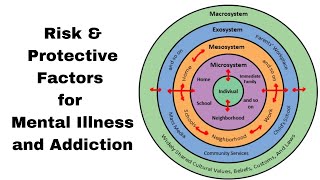
Dr. Dawn-Elise Snipes explains Bronfenbrenner's socioecological model and how it applies to addiction and mood disorders. She maps risk and protective factors across individual, family, school, and community levels, then shows how prevention works at each layer, from genetics and trauma to social support and policy change.
Chapters
Foreign. I'd like to welcome everybody today's presentation on the sociological approach to reducing risk and building resilience. I am your host, Dr. Donnelly Snipes. We're going to define the socioecological model. And if y' all have watched any of my videos or, or taken my classes before, you know that I am a huge F of Brofen Brenner's socioecological model. So we're going to talk about it. We'll apply it to addiction as well as mood disorders and explore different variables in the socioecological model. Finally, we will discuss how this framework can be used in the prevention and treatment of co occurring issues. And you know, I kind of use that as a catchall term for, for addiction and mental health issues. Prevention can take three forms. There's primary, secondary and tertiary. Preventing the problem from happening at all. So let's just take Covid, you know, preventing yourself from getting Covid ever. Preventing a worsening of the problem. So if somebody gets it, preventing them from, for example, having to go to the ICU and preventing associated fallout. In the terms of COVID we want to prevent long term physiological problems from it. When we talk about mood disorders, you know, we want to prevent people from getting depressed. That would be so stinking awesome if we could figure out how to do that if they get depressed and people do, you know, that is a normal emotion to feel depression once in a while. If we want to prevent it from becoming worse to moving to clinical depression or worse yet moving to, you know, severe clinical depression, you know, that is the secondary prevention and we want to prevent associated fallout. People who are clinically depressed are at a higher risk of things like alcohol abuse and smoking as well as the development of a variety of, of stress related physical ailments or worsening of those ailments. So we want to take a multi pronged approach to prevention. The socioecological model explores and explains, tries to explain human behavior and the interaction between the individual and five environmental systems. Now we have to remember, just think about yourself. You don't even have to think, you know, on a macro level, think about yourself. In any environment you walk into, it affects you and you affect it. My best, my best friend from college, she was about the most positive person you could ever hope to meet. When she walked into a room, just positivity and joy filled the room. And even if you were in a crappy mood, you know, there was something about her presence, her energy that affected you. And you know, we want to recognize that we do that in our households. How do we affect those around us? I remember one time when my son was very, very young. He was pre verbal, 16 months or something. I mean, he didn't talk until he was, you know, by my standards, quite old. And now he hasn't gotten quiet. But I digress. I remember coming home one day and I had had a really tough week at the clinic that I was working at and I had been stressed and this day was no different. I came home and I was getting ready to make dinner. I didn't think I was being overly, you know, demonstrative about how I felt or anything. I wasn't yelling or screaming. I was just kind of going about my stuff. But Sean walked into the, the walked into the kitchen and just started ranting. He had his arms above his head. He's like, remember he didn't speak, so it was all dadas, but he was just ranting about something. And the only thing we can figure is he picked up on my non verbals on the energy that I was exuding that particular day, which obviously when he did that I started laughing hysterically and he stopped doing it. But we need to remember the impact we have on our family and the impact that they have on us. So when our children are sick, for example, you know, that is really stressful and that will affect us. So we do want to remember the reciprocal interaction and think about, you know, just be aware. Spend today, ideally every day, but spend today just noticing how you influence your environment and the people around you. When you go in places, if you go into. Well, you can't do it right now with masks, which really frustrates me. I noticed it the other day when I went to Walmart that, you know, with masks on you can't smile at people. You know, I'm not one to start making small talk with everybody, but I usually try to make eye contact and smile at people, especially the people working there, because too often they just kind of get overlooked. And you can't really do that with a mask on. And I was like, really? This is so frustrating. But recognizing how much of a difference it can make to somebody if you are nice, if you come into the office, you know, and somebody you're working with is having a bad day and you happen to say something nice or smile or just bring a positive energy that impacts that person, for example, and then that person goes somewhere else and brings that, you know, slightly more positive energy with them and they may affect somewhere else and it's sort of a ripple effect. So we do want to recognize these Things exploring the model. And I don't know if you can read it Clearly. Remember, the PowerPoints are in the class. You'll be able to download them. You can also search online and, and look at images for Yuri Bron Bre. Yuri Bron Brenner's socioecological model. But in any event, the microsystem. Well, first you have the individual. And every person is unique based on their, their biological gender, their identified gender, their age, their health. You know, I bring a lot of stuff just by who I am, by my experiences, you know, everything. So there's me. And when I interact with my family, you know, I affect them and hopefully positively most of the time, and they affect me again, hopefully positively most of the time. I affect, you know, my peers and they affect me. My family may interact with my peers or the community, you know, so the individual is the core of the system. And then they interact with their family, their peers, their school, their church, and potentially health services. You know, things that are right in their immediate reach. Something that they contact on a regular, daily, weekly basis. You know, these are the things that you're going to have the most influence on and they're that are going to have the most influence on you. However, you know, you have a certain impact on people and on these different systems. And those systems will go out and impact, you know, the larger community and will impact the media and potentially local politics. So we want to recognize how those things happen. And then politics. You know, think about with COVID right now, you know, they're talking about, do we open schools or do we not open schools? That is going to affect families because it'll affect their income, it'll affect families because it may increase their stress if their child or they work in a school and they have to go and expose themselves, you know, and that stress may affect the individuals. So we want to look, it's not just a, you know, reciprocal between like the family and the individual. The individual impacts the family, Family impacts industry, industry impacts the family, family impacts the individual. Same thing with politics. So we want to recognize that there are so many moving widgets, as my old boss would say, that we need to consider, consider in, in order to make sure that people are getting their needs met and to understand where some of the distress may be coming from. It may not be coming from immediately from their microsystem. They may have, you know, a good family, peers, school, health services. It may be something in the, in the exosystem, like politics, that is causing their distress. So we do want to look at those things, think about how the mesosystem impacts the development of mental health or illness and how mental health or illness impacts the mesosystem. So let's go back, actually, we can go forward. The mesosystem, remember, is how the, the interaction between the family, the individual, the family and industry. Individual, you know, family and social services. Individual, family and neighbors. You know, it's how. What you interact with on a daily basis. So if you have somebody with clinical depression or dementia in your family, that's the. We'll say that's the individual, that's the identified patient. How does that affect the family? A lot of times that adds stress to the family because they are caregiving, caretaking, maybe not getting all the resources, maybe having some grief issues to deal with because, you know, the individual is decompensating and, and they're not sure how to help them, and it hurts their heart. Okay, so they have. Now you have this individual who is struggling, a family that is feeling the effects. How does that affect their interaction with their, their employment, their, their job? How does that affect their interaction with social services or the community at large? And then work backwards. How does potentially a lack of social services or mass media that stigmatizes mental illness, how does that impact the family, and how does that reaction filter down and impact the individual? The exosystem involves links between a social setting in which the individual does not have a directly active role and the individual's immediate context. So the exosystem, a lot of times are things that you don't necessarily directly interact with, you know, all the time. It may be your community, you know, that's not something you're necessarily involved in every day or every week or maybe even not directly involved in. You're not directly necessarily involved in local politics, with the exception of when you vote. So, but local politics is on your mind probably, especially right now, pretty much every day. So how does that affect you and your family? And how does your family affect politics? You know, what can you do? Obviously, you know, a lot of people don't take advantage of it, but for politics, for example, you can write to your center senators, write to your congressman, you can write to the president, you. I don't. I'm not sure how many of those actually get read, but you can do it. There are, you know, places online where you can start petitions and, you know, social action in order to empower yourself to make a difference in your community. If that's something that is making you feel, you know, disempowered and you want to change something. The macro system describes the culture, socioeconomic status, poverty, ethnicity, people, homes and individual workplaces are all part of a larger cultural context. When we start identifying, you know, the socioeconomic breakdowns, you know, that is the macro system that we're looking at in this country, for example. But you also have smaller macro systems, if you will, within a culture. You know, a culture has certain beliefs that are going to affect social service use utilization. They're going to affect the family, they're going to affect the individual. Think about how the exosystem, you know, this big culture, even though you don't have a direct active role in it, how does it impact the family and the development or of mental health or mental illnesses? You know, this is one of those that's really pretty obvious right now because we see how politics, we see how, you know, mayors, governors, you know, whomever, the mass media, we see how that is contributing or influencing our jobs, our smaller communities, our neighborhoods, our ability to, you know, have housing, our ability to access certain types of medication. So there is a lot of, there are a lot of ways that the exosystem impacts us as well as, you know, having some of those decisions made for us can make some people feel disempowered, especially if they're coming from a history of trauma. Anytime somebody starts telling them what to do or telling them that they can or can't do something, that can be triggering of trauma issues for people. The chronosystem are events and transitions over the life course as well as socio historical issues that happen. So when the individual, you know, thinking of my kids right now I have, you know, one child that is just got his as and is moving on to upper division. I have another child, my youngest is starting college in August. So those are major transitions. Those are life transitions for my children, but they also affect me because, you know, they're getting ready to, you know, be more independent. My daughter started driving. That was something in the chronosystem that was an expected developmental thing that happened in our family with that individual. And it affected a lot of things. I mean, she's able to drive herself. She drove herself to the dentist today, which was super awesome. But because she was able to access, we'll call it social services, medical services and I didn't have to leave work in order to take her there. So that was, you know, a benefit, it reduced some of my stress and she was able to access the services that she needed. Think about how the attitude of the culture impacts the community, the family and, and again, the development of mental health or mental illnesses. The attitude of some cultures is that mental illnesses are shameful. So a lot of people, if they start to feel depressed, may not seek out help. They may somaticize their complaints and see a medical doctor instead of a counselor or a psychologist. The attitude of the culture can impact the family. If you have someone in your household, for example, who has major depressive disorder, schizoaffective disorder or autism, you know, what does the culture say about that person? What is the, you know, where's the stigma basically is what I'm getting at. And how does that impact the family and what can the family do to impact the culture, to change and to erase that stigma? So let's talk about risk factors and protective factors and what can we do to prevent these things? Pre existing mental illness is obviously a risk factor for the development of additional mental illnesses. Unfortunately, we see either resurgence, you know, multiple major depressive disorders or, or the development of addictions or other things. So pre existing mental illness is a risk factor for the development of more distress. What can we do? Well, ideally, in my happy utopian world, we would start teaching health literacy, coping skills, distress tolerance, psychological flexibility to kids when they are knee high to a grasshopper. Because children can learn these things, we can model these behaviors and you know, they're not going to get the, some of the thought processes right away, but we can start walking them through it. When something happens that they don't like, we can help them identify what their choices are and pick from those choices based on, you know, what would make them the happiest. That's the crux of psychological flexibility. And a 5 year old can do that. You know, maybe not on their own, we need to help them with it, but they are able to understand that. Hypertension, interestingly, and smoking, we'll just put those two together. Well, let's put obesity in there too, as long as we're talking about them. Physiological issues that contribute to narrowing of arteries especially and that contribute to hypertension put people at a much more significant risk for the development of things like dementia. Additionally, anything that causes widespread inflammation, which they found that obesity is associated with inflammation as well as hypertension that is also associated with the development of depression in systemic inflammation is positively correlated with depression. If we help people, help people be healthier, get their body where it is, you know, functioning optimally, which means that HPA axis is not overactive, it's not throwing out extra cytokines and causing systemic inflammation, then they are going to be at less risk of developing mental health or addiction issues or any physical health issues for that matter. As a matter of fact, and you know, I'm going off the beaten path again today. You're surprised, but our immune system, our immune system is significantly impacted by our stress levels and by inflammation and by that HPA axis. When our HPA axis, our threat response system, our fighter flight response, when that is in overdrive, when our body senses stress or threat, the HPA axis is activated. When that's activated, immunity goes down, cytokines go up, inflammation goes up. Guess what? That is not what we want if we're trying to avoid getting things like Covid. I'm not saying that positive health practices will totally prevent you from getting the flu or getting sick, but we do know that there is a significant negative correlation between or no positive correlation, depending on how you want to look at it. When you have better health behaviors, you have better health and better mental health. When you have crappy health behaviors, you have worse health and the risk of worse mental health. Chronic pain is another thing that activates that HPA axis and contributes to people having depression, anxiety and other mood disorders. We want to help people figure out how to address chronic pain. And there are a lot of treatments out there and I've done multiple videos on non pharmacological interventions for chronic pain. It's not reasonable to think that we will never have pain. You know, as we grow, as we move around, as we experience life, we're going to have bumps and bruises and muscle strains and occasional headaches. You know, that's going to happen. But for people who wake up every morning and they've got something like rheumatoid arthritis and they are in chronic pain day in and day out, we need to help them figure out how to cope with that. What can they do? And some of that is going to come from their physician and some of that may come from their cognitive appraisals and their cognitive tools for dealing with that pain. But when people, even people with chronic pain, when they feel empowered, when they feel like they have some level of control over their pain, that hpa, HPA axis, that threat response goes way down. We want to increase efficacy, we want to increase people's sense of personal empowerment. Low self esteem is a risk factor for most of your mood disorders as well as the development of addictions, helping people develop self esteem, you know, and that sounds easy, but it's really not. You can't have them look in the mirror and go, well, I'm good enough, I'm smart enough, and gosh darn it, people like me 20 times and bada bing, they are suddenly, you know, feeling good about themselves. We need to help people identify what is good about them. A lot of aspects of our culture teach people that if they have a high self esteem, they are narcissistic or they are gloating. We want to help people find that happy medium, that fine line between having good self esteem and being self confident versus being cocky or narcissistic. We want to help people understand the difference. You know, cocky narcissistic people tend to not have empathy, whereas somebody with high self esteem can feel good about themselves and not need other people's validation all the time. If I can look in the mirror and say, you know what, I'm a good person and recognize that, you know what, not everybody's gonna like me and, and that's okay, and really believe that, and that is a huge issue. A lot of times self esteem issues go back to poor attachment relationships from childhood. And we may need to address some of those issues. If your client never felt like they were able to please their parent, able to get that person's approval, then they may be trying to still trying to get that approval from surrogates, so to speak. We need to look at what behaviors are, are the person doing, is the person doing that tell us that they have low self esteem? Why do we think that? And what function do those behaviors serve? If the person is constantly self deprecating, you know, what, where, why do they do that? What's the benefit to them of that? And you know, if they are constantly seeking or if they get very anxious, if they feel like there may be rejection, you know, we want to look at the function that serves. You know, when people start feeling that way. A lot of times, as I said, it can be traced back to prior rejection, especially you know, early abandonment and poor attachment issues. So we need to help them develop a sense of who they are and that they are okay. And there are a lot of books on that and I have a lot of videos on self esteem. But that is one thing in addition to coping skills that we can really help people with. Substance use messes up your neurochemicals. So people who have mood disorders are at higher risk for substance use, but people who, especially people who misuse substances are at a much higher risk of the development of at least situational mood disorders. And when I say situational, I mean, you know, when you start detoxing, when you quit putting those drugs into Your body, the neurochemicals are all out of balance. So there is going to be a time, and generally we say one to two years, while the brain and body heal, that the person may have symptoms of clinical depression or generalized anxiety disorder. We need to be aware of those because a clean person who has clinical depression probably is not going to stay clean very long. We need to make sure that we're addressing all of the issues. A history of trauma is strongly associated with the development of mood and addictive disorders, as well as the development of certain pain syndromes and autoimmune issues. But, you know, that's down in the weeds. We can't prevent trauma, unfortunately, it happens. We can help people feel empowered. We can help give them the tools to deal with. You know, for example, right now a lot of people are feeling very traumatized and they've done studies from prior SARS outbreaks that have shown that there are significant portions of people who develop trauma related symptoms for 18, 24 months or longer after the epidemic was actually brought under control. So we know that people are at risk right now. What can we do? Well, remember that trauma is, happens when something occurs that disempowers somebody. It takes away their sense of safety, it takes away their sense of personal power. So one of the things that we can do to help people is to help them recognize what they have power over. What can they do to protect themselves? What can they do to feel safe right now? And that's where you start. From a trauma informed perspective, where you start. We don't want to re traumatize, but one of the things that maintains a lot of trauma symptoms is this perception of unsafeness. So we want to help people figure out, you know, from, you know, toddlers all the way up to grandma and grandpa, how can we help them feel safe and feel connected right now? Genetic vulnerability we can't do anything about. But we do want to educate people that things like addiction and depression do seem to be transmitted at least partially in the genes. It doesn't mean that people who have a genetic marker are going to develop a particular problem. It means they're at risk and they could develop it. If somebody knows they've got a genetic vulnerability, then paying attention to that. I come from a very, very long line of addicts and alcoholics, so I know that somewhere deep down in there, there is probably some genetic vulnerability to substance, substance use disorders in my, in my DNA, somewhere. Therefore, I steer clear of the stuff, you know, and that's a personal choice, but that is a personal Choice I made because of health literacy. And we can help people recognize, you know, where they may have some susceptibilities and figure out tools that they can use or choices that they have that they can choose to make in order to prevent the development of depression or anxiety or you know, you know, psychosis. For example, a lot of people don't have their first psychotic break until they are in their 20s. So if somebody knows that they have a family history of schizophrenia, you know, there are steps that they can take to protect themselves potentially from triggering that. Now, it's not a be all, end all, but there are. And it all goes back to proper health behaviors. Reduce stress, eat healthy, get enough sleep. You know, it's amazing how much proper health behaviors are the foundation of good physical and mental health. Inappropriate coping responses, including violence and aggression, and even risk taking and impulsivity like we were talking about before class, including non suicidal self injury. You know, all of these things can not only indicate that there's a problem, that there's depression or anxiety or schizoid personality disorder or you know, something, some sort of mental illness or addiction, but they can also contribute to the development of other mental illnesses or addictions. We do want to recognize these. We can help people learn coping responses. Distress tolerance, psychological flexibility, acceptance and commitment, therapy. You know, there are a lot of tools that we can help people develop so they can respond in a way that will help them use their energy in a meaningful, purposeful way to help them move towards a rich and meaningful life. Violence and aggression. You know, obviously that behavior is telling me something that is fight or flee, the person is feeling threatened. So in addition to having appropriate coping responses, they need to be able to get out of their emotional mind so they can, you know, stop the tunnel vision so they can evaluate what their choices are, which is where those distress tolerance skills come in so handy. As well as understanding what their triggers are for violence and aggression and anger. Why is it that certain things make you feel threatened? And what are responses that you can pre plan in order to effectively respond without aggression, but in a way that you feel? Guess what? Safe risk factors also include rebelliousness, rejection of pro social values, lack of peer refusal skills, being bullied early and persistent problem behaviors, early sexual activity, peer rejection, academic failure, and lack of information on positive health behaviors. When people are rebellious. Remember, behavior is communication. I'll say it again, behavior is communication. What is that behavior communicating? If you look at Erickson's stages for, you know, tweens and teens and late adolescents, people are Developing their identity. So there is going to be an element of rebelliousness. But when that rebelliousness starts crossing. Boundaries, crossing culturally accepted boundaries, negatively impacting their, how they interface with school, with work, then that is when it becomes a problem, a rejection of pro social values. Obviously this is going to indicate that there the person may develop more problems in the future, especially addiction. A lot of times when people reject pro social values, they re, they're rejecting work, they're rejecting friendships, they're rejecting, you know, all of the conventions of your community and, and your larger culture. Then you know, that tells you something. Why are, why are they rejecting it? What are they saying, saying and what values are they embracing? And what does that mean, you know, why are they embracing certain values? And we want to look at it in terms of communication. Being bullied is another one of those things that we can work to intervene with. Unfortunately, I haven't seen any great evidence based practices that seem to, you know, hit the mark for really stopping all the bullying and understanding all of the bullying. So there is no panacea out there. But we can help youth develop skills for interfacing with people at school, for interfacing with the community. Because guess what, there are Karens everywhere every. And you know, people are going to be bullied, you're going to be bullied at work. It's an unfortunate fact of existence instead of. And so we need to teach people how to cope with it. What are their options to deal with this particular bully and what does it mean that this person is bullying them? You know, social media is so just saturated with bullies because there's the disinhibition effect where if you're not looking at somebody face to face, a lot of times you're more willing to say or do things that you wouldn't normally say or do. So we see a lot of bullying in, you know, people who are trolls, I guess is what they call it now on social media or among, you know, teenagers who are just horrible to each other. Sometimes, sometimes they are just amazing to each other, but sometimes they can be really horrible to each other on some of these social media platforms. And debriefing with youth, you know, what does that mean when you know somebody is ugly to you online? You know, what does that mean about you that Jim Bob said this on your Instagram feed and helping them depersonalize some things that may be not about them? You know, it may be more about Jim Bob and recognizing that academic failure is another place that we can really provide a lot of intervention and this, you know, goes along too, with employment failure, underemployment, and unemployment. When people are not able to succeed according to community or cultural standards, it takes a huge toll on their self esteem. But people fail for different reasons. People may fail through no fault of their own because, you know, the economy's failing, or they may fail because they didn't have the resources to learn certain skills before they got to a certain place, or they may fail because they've got undiagnosed learning disabilities or mood disorders that are preventing them from being able to concentrate and focus. We want to look at academic failure as a symptom and figure out, what is it? What is this academic failure communicating to us? What in. In what way is this person struggling? We don't get up in the morning and go, hey, I want to fail today. You know, this is not something the person wants. So we need to identify what's going on with them and, and provide earlier intervention for a lot of people that may be struggling. And a lot of times, you know, thinking about that model, it may not be in the individual. They may not have a learning disability or adhd. Maybe they've got caregivers who were fighting all night long so they didn't get any sleep, or they come from a household where they're super impoverished, so they haven't had anything to eat since lunchtime yesterday. You know, there are a lot of factors, or maybe they're living in a neighborhood where there are gunshots outside their window all night long or periodically, so they don't feel safe, so they don't get good quality sleep, and, and even though they may have food in their belly, and then they come to school and they're exhausted and they can't focus. We need to get outside of just focusing on the identified patient and ask ourselves and the person, you know, what is contributing to your inability to get the sleep, the nutrition, the whatever you need in order to. And the love and the safety. Think of Maslow's hierarchy. You know, is there anything that's preventing you from getting those needs met? And if there is, you know, that's a really good place to intervene. And if there's not, then we start looking at internal factors. We also need to provide information on positive health behaviors. Youth don't get the whole ne idea of the importance of, of sleep. You know, kids want to stay up, they want to stay up late, and then they got to get up early, they have. Their alarm goes off and they're dragging their happy butt out of bed or not. So happy but at 5:30 in the morning to get ready for the bus and they've had five hours of sleep. Even high schoolers still need eight to nine hours of sleep in order to clear out the adenosine so they can focus during the day and they don't feel sleepy and exhausted. Sleep is so important. Nutrition is so important. Nutrition also helps bolster our immune system so we have our bodies able to respond to, you know, viruses and bacteria that we may come into contact with. Protective factors, positive health and wellness behaviors. I know I sound like a broken record. Exercise. Exercise increases oxygenation. It helps get oxygen into our system. It helps it function more efficiently. It helps give us energy when we are adequately oxygenated. Exercise helps release some endorphins. Low, low intensity exercise actually helps reduce cortisol levels. And when I say low intensity, I mean like walking. Exercise also can help get rid of some of the kinks and you know, pain actually if you don't overdo it. Exercise can actually serve to help with pain reduction. Nutrition is super important for providing the building blocks for the neurotransmitters that we need to feel happy. It's also important for providing your body the energy and the building blocks it needs to make hormones and repair tissues. And diabetes control. Super important. Uncontrolled diabetes is associated with the development of depressive issues as well as dementia. So we do want to make sure people are controlling their diabetes and then the all important sleep, that is when your body rests and repairs and it helps set your circadian rhythms. So all of those hormones that help keep you awake and help you feel happy and help you get to sleep and make you hungry and your libido and everything else, they're all secreted at the right time. Bonding to a pro social culture helps people. We are, we have a hormone that is designed to promote, guess what? Connection it's called oxytocin. So helping people bond to a culture, helping them develop a positive, healthy support system is a huge protective factor against, you know, mood disorders as well as the development of addiction. And they've also found that bonding and social support or the elimination of loneliness, you know, if you want to think about it another way, is a protective factor against dementia. Participating in extracurricular activities is a huge protective factor because when you're doing it, you're probably engaging with other people, you know, so you've got that pro social culture thing going on. It also provides a sense of self esteem, a sense of accomplishment and it helps keep people busy so they're not sitting around you know, focusing on all the negatives or whatever. Social competence and a sense of well being and self confidence are hugely important. When we feel good about ourselves and we feel like we are comp, we're competent, we're able to effectively interact with other people, our relationships are going to be stronger, which means we're going to get more support, which means we have less anxiety and less, a lower sense of isolation or a greater sense of connectedness. However you want to say it's, we can teach these skills we need. They found that I believe in the study that I highlighted here, they found that 40% of children entering school did not have basic social competence skills. Okay, that's a big issue. If we have skills, if we have children entering school who don't have good emotional intelligence, who don't have the ability to, to articulate their feelings, their wants and their needs, if they don't have the ability to be assertive, then they're probably going to struggle in that environment. So we do need to make sure that we're providing, you know, basic social competence skills. We need to make sure that we're developing a sense of self confidence in children as they grow by providing them with small achievements. You know, we're going to fail at things sometimes. I'm not saying make sure that they succeed at everything. I'm saying provide them self confidence so when they, they do have successes that they can look back on and go, I did that. But they also have failures that they can look back on and go, I got through that. We want to make sure they have positive future plans. You know, they see, they want to get through school, they want to be a, you know, astronaut, even though that may not be likely. You know, a lot of times little kids want to be astronauts or paleontologists. Okay, you know, those are future plans. Great health literacy. We can increase that in youth by providing them access to peer reviewed, you know, good places, usually the.gov sort of domains that help them get information about healthy living. We also want to foster negative attitudes towards substances and substance use. Unfortunately, the adolescent, and I say that largely, you know, anybody under 24, the brain is still developing and it's much more affected by the use of substances and by exposure to trauma because it's still, it hasn't finished developing yet. We do want to promote, you know, the notion of sobriety, at least, you know, into their, to their legal ages. Prevention strategies are designed to promote attitudes, beliefs and behaviors that ultimately provide the person with healthy coping skills so they can effectively feel, interface with the Community and deal with the, you know, society at large, that things that they may disagree with, things that make, may make them angry or frustrated or anxious. You know, we need to help them develop the coping skills to deal with that so it doesn't negatively affect them. Awareness of positive health behaviors and effective interpersonal skills. Specific approaches may include education and life skills training provided in the schools through the media. Remember, we're talking how that, you know, exosystem can actually be used to positively influence the individual. You know, I remember when I was growing up, we had those little minutes like CBS would have this, you know, public service message and we had after school specials. And there were all kinds of ways that the media was influencing the individual and influencing the community. And also having community centers or library workshops where we can communicate some of these things, we can teach some of these skills, make information available. A lot of times libraries may have a specific shelf set aside where each month they highlight something important like diabetes awareness or, you know, healthy pregnancies or something. You know, each month they change the focus so people can come in and learn and they don't have to feel awkward about trying to navigate the Dewey decimal system. The second level of the the socioecological model examines close relationships that may increase the risk of experimenting with high risk behaviors or developing mood disorders. The person's closest social circle, including their peers, partners and family members, influences their behavior and contributes to their range of experiences. Peer and family risk factors include family reinforcement of negative or unhealthy norms and expectations. What kind of message are you sending as a family about what's important? Not necessarily what you say, but what do you do? You know, what are your children seeing? What are others seeing? Early sexual activity among peers, ties to deviant peers and gang involvement. Family members not spending much time together, parents that have trouble keeping track of youth, lack of clear rules and consequences, lack of consistent expectations and limits, family conflict or abuse and loss of employment. You know, these are all risk factors. Some of them we can't do anything about. We can help people develop assertiveness skills. We can help people tap into social service resources should they happen to be in an environment such as one where there's domestic violence, where they can tap into resources for safety. We can help educate the community about the importance of, you know, family time. So, and, and what families can do, because a lot of families have no idea what family time means or what to do. It's like, what do we do with each other? Okay, we can sit around and watch Netflix. Well, you know, that's better than nothing. But, you know, what else can you do during family time? Especially once kids aren't 4 years old and want to build blanket forts anymore. We want to help people nurture and develop close family relationships, which oftentimes involves teaching everybody effective communication skills. We want to encourage them to have relationships with peers that are involved in pro social activities, you know, going out as a family and volunteering and can be a great activity. Consistency of parenting Parents that encourage education. Parents and families and even communities that model how to cope with stress in a positive way. They model how to deal with things that make you feel upset instead of, you know, result resorting to violence or aggression. What are things that you can do that help you feel empowered and help you cope with your distress? Families set clear expectations and limits. So there are rules. You know, believe it or not, children want rules. And when we have clear expectations, even in an adult household, it reduces stress. Reducing stress reduces the risk of the development of depression and anxiety and addiction and those sorts of things. So if you're living with roommates, you know, what are your expectations? You know, if you are a resident assistant, we were talking about this before class, you know, it's important that you know, the university sets expectations and limits, but as the resident assistant, a lot of times in the dorms, you are responsible for enforcing those expectations and limits. So recognizing that it's not just your family necessarily, you also have to figure out how to set and maintain your own expectations and limits. Supportive relationships with caring adults beyond the immediate family are encouraged. That really helps as a protective factor for youth. But developing those supportive relationships, even in adulthood, is also really important. Sharing, and I use the term family, but sharing household responsibilities, including chores and decision making, is really important because that encourages communication and empowers people to feel like they have a voice in that household. Peer and family interventions are designed to improve self esteem, identify norms, goals and expectations, foster problem solving skills, develop structure and consistency, and promote healthy relationships. If the family is healthy, it's going to improve the health of the individual. If the individual is healthy, it's going to promote the health of the family. And a healthy individual and family are going to be able to bring more positive things to the community. School risk factors include lack of clear expectations, academic and behavioral lack of commitment or a sense of belonging at school, high numbers of students that fail academically, and parents and community members that are not actively involved. It is so important, as if you're a school counselor or a teacher or even a parent, that we help students or Help the school figure out ways for students to have a sense of belonging at school. And for those who are failing, to really look at what are the reasons, what is contributing to that academic failure and start addressing those issues. On the community level, we want to engender positive attitudes towards school, which means having teachers there that really want to be there and love teaching. It makes such a difference. Regular school attendance, communication of high academic and behavioral expectations, goal setting, academic achievement and positive social development are encouraged. So youth are taught how to set goals and how to achieve. They're taught how to study, they're taught how to learn from their mistakes. A positive instructional climate that enables students to have the opportunity for leadership and decision making and a school that is responsive to students needs, including some of those basics like tutoring, safety, food. You know, those are real big ones. Community risk factors include looking at your schools, your workplaces and your neighborhoods and identifying factors in those areas that may be contributing to people's distress. We want to help people develop a sense of connection to their community and reduce rapid changes in neighborhood organization. We don't want people moving in and out every six months. We want to address high unemployment, develop strong social institutions, you know, community centers, libraries, thing places that people actually want to go instead of just, you know, brick and mortar buildings that are there because the government says they need to be. We want to encourage monitoring of youth's activities and encourage balanced media portrayals of safety, health and appropriate behavior. Address misleading advertising and make sure that alcohol and other drugs are not readily available to people who are underage. Prevention strategies for the community are aimed at reducing social isolation, improving economic and housing opportunities, and increasing the accuracy and positivity of media messages. So as clinicians, we can really do two of these. We can help people reduce their social isolation and increase the accuracy and positivity of media messages. We want to improve the climate, processes and policies within the community, school and workplace in order to be more responsive to the needs of the individual and the family. The sociological model identifies how the individual impacts and is impacted by not only their own characteristics, but also those of the family, peers, community and culture. Prevention can take the form of preventing the problem, preventing a worsening of the problem and preventing associated fallout. You know, one of the interventions, for example, if somebody goes on medication, you know, let's take a. The law enforcement culture. I've worked with law enforcement for decades, I can say that now. But taking medication for somebody who is a, an active law enforcement officer is often highly stigmatized. So their culture, the culture of law enforcement contributes to people not wanting to seek counseling and people not wanting to take medication, even if they need it. Which means you've got the individual who is often struggling and feeling like they don't have any options and their depression gets worse. And we we've seen unfortunately lately an increase in a significant increase in law enforcement suicides. So we want to look when we're talking about culture, we want to remember that it's not just the American culture. We want to look at other cultures that influence the individual and how that might cause a worsening of problems or how that might prevent people from seeing seeking help. Any change in the system will have an effect on all other parts of the system. So if we make a positive change in politics, if we make a positive change in the media, then we're probably going to have reciprocal positive changes on the communities and the individuals. Addressing addictive and mood disordered behaviors requires a multi pronged approach to help the individual, to help their family, and to help the community all provide get the resources that they need to support the individual's recovery. Alrighty. Are there any questions? If this podcast helps you help your clients or yourself, please support us by purchasing your ceus@allce.com or getting your agency to sponsor a direct link to the on demand. CEUs for this podcast is@allce.com podcastceus that's allceus.com podcastceus to sponsor an episode of Counselortoolbox and reach over 50,000 clinicians per week, go to allce.com sponsor thank you.










