Understanding Diagnosis Part 5 Happiness Isn't Brain Surgery Episode 30e
Doc Snipes explains why concentration problems and hopelessness often stem from fixable things like poor sleep, bad nutrition, or medication side effects rather than depression alone. He walks through practical fixes: better sleep habits, staying hydrated, eating regularly, breaking tasks into smaller pieces, and managing pain.
Chapters
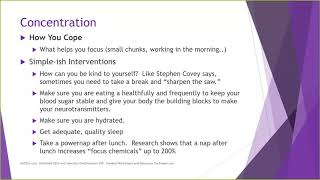
Welcome to Happiness isn't Brain Surgery with Doc Snipes. This podcast was created to provide you the information and tools Doc Snipes gives her clients so that you too can start living happier. Our website, Docsnipes.com has even more resources, videos and handouts, and even interactive sessions with Doc Snipes to help you apply what you learn. Go to Docsnipes.com to learn more. We're going to continue in this section talking about understanding symptoms and if you remember from the prior episodes, symptoms can mean a variety of different things. Low energy can be attributable to not getting enough sleep, to being pregnant, to being depressed, to having low thyroid. There are a lot of different things. It doesn't necessarily mean that you aren't necessarily clinically depressed or that you don't have enough serotonin. Sometimes symptoms of depression can be caused by other things, such as things as simple as not getting enough sleep for an extended period of time, or maybe the side effect of a medication that you're on. In this section we're going to learn about the causes and interventions for poor concentration and hopelessness and helplessness. So the first one that we're going to talk about is trouble concentrating and when we're tired, when we're depressed, when we're sick. So there are a lot of different situations in which it can be difficult to concentrate. You know, I don't know about you, but I know when I've got a sinus infection, you might as well hang it up. I'm probably not going to be on my A game. The neurotransmitters, hormones or blood sugar imbalances caused by lack of sleep, poor nutrition or excess stress can cause difficulty concentrating and making decisions, which leads to feelings of helplessness causing you to second guess yourself. Because I know when I'm looking at something and I'm like, crap, I've read this four times and I don't even remember what I read. I am never going to get finished. You know, that's a little bit of hopelessness and helplessness, not overwhelming. But as those things add up, it can contribute to a bad mood. Now again, that doesn't necessarily mean you are clinically depressed. It means you may have some depressive symptoms. And whether it's depression the diagnosis or depression the symptoms, you can address them. So don't get stuck feeling like if you have depression, you're going to be depressed forever. No, we need to look at what's causing the depression, what's causing the neurochemical imbalance that is causing the difficulty concentrating, maybe low energy and other things. Why do we do this? Energy conservation? If your body is struggling just to keep going, it's not going to divert energy to higher order thought processes unless they have a direct impact on your survival. So again, think about when you're sick. Your body's trying to get better, so it's not devoting a whole lot of resources to making memories and helping you focus on that 17 page report your boss just gave you or whatever else. It's important to understand everything that we feel. Everything that happens generally has a reason. So we want to look at what's the reason and what can we do about it. One of the things I tell people is when they're having difficulty concentrating, identify things that help them focus. Some suggestions might be breaking things into small chunks. When I'm having a really foggy day, I'll break things into 20 or 30 minute chunks and then I'll get up and I'll walk around for a second, I'll get refocused and I'll do something else. Likewise for me, my energy is the highest in the morning. After about 11:30, I'm kind of toast. You know, I start at like 6, so that's decent amount of work before I start getting tired. But I know my highest energy levels are first thing in the morning, so anything intensive that I've got to concentrate on should probably be done then. Other simple interventions for concentration is being kind to yourself. Like Stephen Covey says, sometimes you need to take a break and just sharpen the saw. So if you can't concentrate, you can either sit there and read that same paragraph seven more times and still not get it, or you can put it down, do something else and then come back to it when you're a little bit sharper. Make sure you're eating healthfully and frequently to keep your blood sugar stable and give your body the building blocks to make your neurotransmitters. Now frequently will depend on the person. That's something that your medical team and you need to decide how often you should eat in order to make sure your blood sugar is stable and you can focus and concentrate. My husband, for example, has hypoglycemia. So so if he goes too long without eating, he turns into a great big old cranky pants. So it's important that he eats relatively frequently and healthfully. If he eats pancakes in the morning, I can guarantee mid morning he's going to be a grump because that just spikes his blood sugar and then it falls really Fast again. So it's important to understand how your body works and what things are going to help you focus. Breakfast. They've done lots of studies that breakfast eating in the morning helps get your body jump started. It says, okay, it's time to wake up. And it helps people concentrate and learn better. It doesn't mean you have to eat a huge breakfast. But there have been a lot of studies that have shown that it is important to at least prevent hunger. And when they've looked at school students, those students who were sitting in second or third period and were hungry and their tummy was growling, they were not able to focus on work. So help yourself focus. Make sure you're adequately hydrated. A 1% dehydration and you don't even notice that. That's way before you start getting thirsty. A 1% dehydration can lead to difficulty making decisions and making memories. So concentrating. So it is important to, to make sure you're staying hydrated. If you drink caffeine, that is not hydration. Caffeine is a diuretic. So if you're drinking caffeine, you need to increase how much other fluid you know, water, preferably that you drink. So carry around a water bottle with you. It's easy to sort of mindlessly sip on a water bottle and a lot easier to get your water in than if you get a 16 ounce glass and you're like, okay, I got to chug this now. So sip on it throughout the day, it'll go a lot faster. You'll probably drink a lot more water. Get adequate quality sleep. When you're sleep deprived, you're probably not going to be able to think as clearly. Your brain chemicals are kind of foggy. They didn't reset and rebalance the way they were supposed to. So you may need to make sure you get better sleep the next day if you're going to sharpen the saw. I mean, think about your computer. If your computer is booting up and you hit something and stop it in the middle of the boot up process, it's enough to get it up. But you know, you didn't let everything continue to load. So things are going to be a little bit buggy throughout that entire session until you just reboot the whole thing. So this is what sleep does for us. Sleep is our reboot. And if you don't get enough of it and it's kind of like trying to start writing in a document before the computer's fully finished booting up. Take a power nap after lunch. Research shows That a nap after lunch increases norepinephrine, one of your focus chemicals, up to 200%. It doesn't mean 45 minutes or an hour. It means 15, 20 minutes of relaxation. And after you have lunch, when we eat, our body goes into rest and digest. So after you eat, when it goes into that period, you start feeling a little sleepy. If you allow yourself 15 to 20 minutes to just kind of close your eyes and take a power nap, it's likely you will feel sharper when you get up and start moving. That's not true for everybody. You know, I personally don't find power naps overly helpful, and I tend to feel a little bit groggier after I take them. But the research says it should help you focus more. You need to know your own body. So we didn't spend a lot of time on concentration and decision making because that is sort of a symptom of other symptoms like not sleeping well enough. You know, sleep disturbances and feeling hopeless and helpless and blah. And unmotivated lack of concentration kind of goes along with it when your happy chemicals and motivational chemicals just aren't there. So we've talked about how to increase those through sleep and nutrition, sometimes medication changing your thoughts so you're not focusing on the negative and draining your energy all the time. So we move on to hopelessness and helplessness. And this is one of the key features of depression, what we call depression. And we all feel hopeless and helpless at times. You know, something happens, you know, you experience a loss or whatever, and it's just like it may feel like the world caved in on you for a second. People may say things like, I can't go on like this anymore. Nothing ever seems to work okay. You know, I think we've all said something like that at one point or another. So we need to stop, figure out what's going on. What's our brain telling us? In a way, the brain is saying, you've been trying to fight this for so long and there's no way you're going to ever win. Diminishing return. So I'm taking all your motivation and all your energy and I'm going to store it up and you're just going to have to sit back. I'm benching you because there's no point continuing to try to fight this fight. Well, most of us say, oh, you are not benching me, and try to fight it anyway. And then we have no energy, no motivation. You see where this is going? All right, so we don't want to go there when all of this happens, when you're feeling hopeless and helpless, your brain chemicals are out of whack, you have too much stress stuff going on and not enough relaxation, happy stuff. Normal relaxation chemicals like serotonin and GABA may be insufficient for some reason. And you know, yes, you can take medication, but that's kind of like, you know, trying to fix a plumbing leak by just increasing the water pressure, you know, yeah, you're getting better pressure in the house, but it's still leaking. And you know what, that leak is going to grow. So you probably need to figure out where the leak is in the water line and fix it. So it's important to figure out what's causing this imbalance. Causes can include poor nutrition. So check what you're eating. Are you eating well? Are you ODing on caffeine and nicotine and other stimulants like diet pills, pre workout supplements and are you working out too much? Some people can over train, which can contribute to all of these symptoms that we've talked about. Lack of quality sleep can cause a sense of hopelessness and helplessness because you're fatigued and it feels like everything takes ten times more energy and it can be exhausting. And you may feel like you're never going to be awake again. Negative thinking patterns can also keep you stuck. If you're constantly telling yourself this will never get better and this is hopeless and I'm helpless, this, then you're going to stay there and you're going to continue to perseverate. One of the things you can do when you have negative thoughts like that is, you know, if you tell yourself this is never going to get better, decide that you're not going to have an extreme attitude like that and go, this is awful right now. What can I do to try to improve the next moment in the past when I felt like this? How have I improved it in the past when this hasn't been a problem? What was different in the past when I felt like this, what did I try that didn't work because we don't want to do that again either. Chronic pain can cause a lot of people to feel very hopeless and helpless. And I've been there, you know, I'm with you. So going four, six, eight weeks where you're not sleeping through the night because you're waking up in excruciating pain, not only does it disrupt your sleep, but it feels, you know, it's so frustrating that your doctors can't do anything to fix it. And you know, it's just a, you've got to go through physical therapy and wait for things to kick in. It'll get worse before it gets better. All those things that they tell you and you're just like, but I just want to sleep. All I want is the pain to go away for even 30 minutes and I want to sleep. So it's important to figure out when you've got chronic pain, what you can do to best manage it for yourself and what you need in order to feel hopeful and empowered to take charge of your life. You may never be completely pain free, but what things do you have control of in your life? And what can you do to manage the pain to the best of your ability? The use of opiates can also cause hopelessness and helplessness. Opiates make your brain trigger a lot of dopamine and endorphins and, you know, really good stuff that's good for pain killing and stuff. But then when people stop taking opiates, their pain, what normally wouldn't really bother them actually hurts because their body's not making natural endorphins. So they may feel overwhelmed and hopeless and helpless. It may feel like they're going backwards because now everything seems to hurt. The good news is as soon as your body starts making endorphins again, your pain tolerance will go back up. Opiates also tend to mess with other neurochemicals in the brain that are responsible for anxiety, depression, those sorts of things. They can, when you're on them, temporarily relieve anxiety or depression. But when people, when the dose starts to wear off, people tend to find that they feel even more anxious or depressed. What is the function of hopelessness and helplessness? Well, it's your body's way of signaling that something may be wrong when you're feeling like, oh my gosh. When you're feeling like you can't breathe, it may be your body's way of going, dude, you need some help. Something needs to change. So how do you cope? What helps you feel empowered? What are you hopeful about? What are your goals? And what can you do to start achieving those goals? Make a plan. You're going to feel a lot more empowered and hopeful if you know that, okay, tomorrow I'm going to do X. I always feel more empowered when I make a list in the morning of what I need to get done at the office that day because it keeps me on task. And then at the end of the day, I can look back and go, hey, I got my whole list done. Or 70% of it. So encourage yourself to have goals to look forward to. That's part of hope is having something to look forward to. Identify three things you can do today to start making things better, whatever that means to you. How can you start making your situation better so you feel more hopeful and happier? Other simplest interventions Simpleish interventions. Identify things that give you hope or make you happy and do one of those each day, whether it's watching videos on TV or working in your garden or playing with your kids. Whatever it is, identify the things you do have control over and those are the things you're going to focus on. Get adequate sleep. I know I keep saying it. It's important. Drink at least eight glasses of water and eat a relatively healthy diet. Water helps flush out toxins that may make you feel sluggish, may increase pain. It can help reduce inflammation. And eating a healthy diet can do the same thing. It can help reduce inflammation. It can also help your body have the building blocks it needs to make the neurochemicals so you can feel happier and motivated. Push that norepinephrine out, Talk with a friend and create a plan to get unstuck. Sometimes when we're stuck, we. We just can't even see a way out of the quicksand. So calling a friend and going, you know what? This is the situation. What do you think I should do? Or can you help me figure out what the next steps are can be very helpful. They can be a sounding board for you. Imbalances in norepinephrine, serotonin, GABA and or having your threat response system activated for too long can cause feelings of hopelessness and helplessness and just general stuckness. When you're feeling distressed, you tend to focus on the things you can't control and the stuff that is stressing you out instead of focusing on what you can control and all the other things that are going right in your life that you have to be grateful for. Encourage yourself to walk the middle path by focusing on your end goals, what you have control over, and those things that give you hope in your life. If you like this podcast, you can subscribe on your favorite podcast player or join our community and access additional resources@docsnipes.com.










