Do you feel purpose is important in a brand?
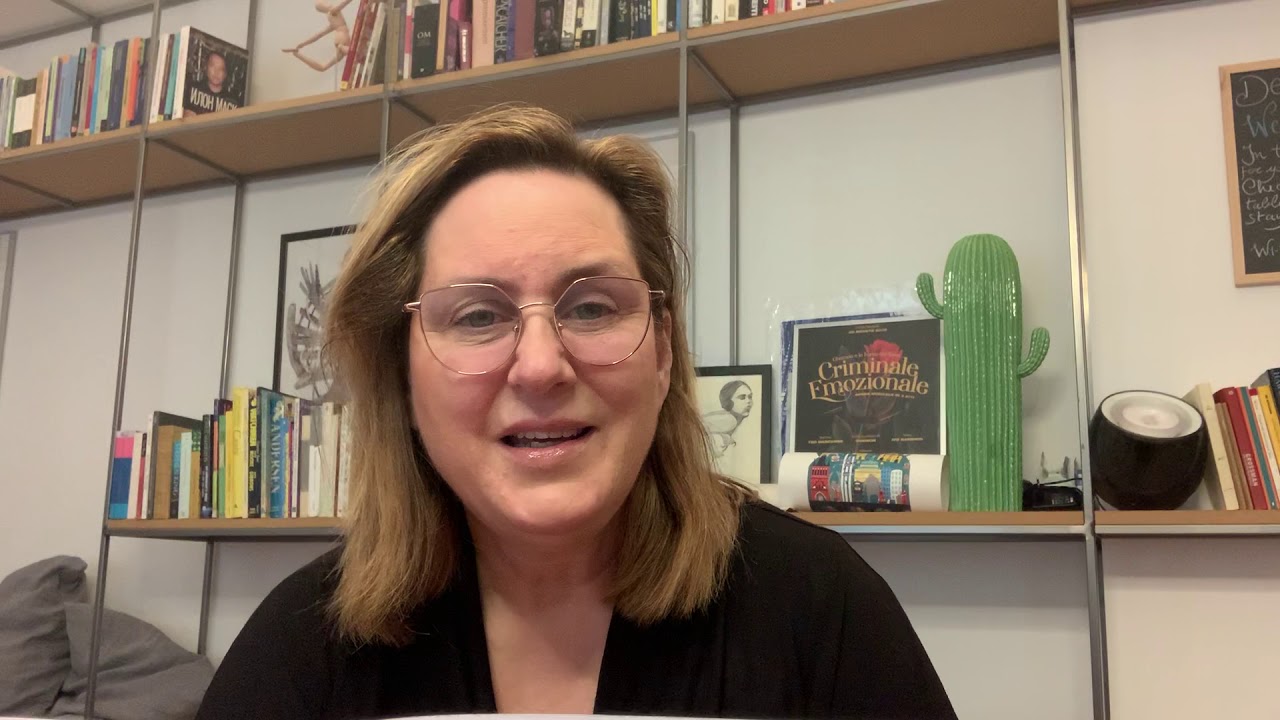
In this reflective YouTube monologue, business strategist Donna Brown discusses Thomas Ordol’s talk on brand resilience in transformative times. She frames resilience as a flexible, fluid quality that allows brands to breathe with change while staying true to themselves. Central to her argument is purpose, which she describes as a guiding North Star and rudder that helps brands navigate uncertainty. Donna critiques superficial mission statements, urging deeper layers of purpose that inform every product or service. She illustrates this with a Kodak case study, showing how attachment to a single delivery system (film) caused a loss of purpose, whereas a focus on facilitating human documentation could have sustained relevance. She emphasizes the shift toward humanizing brands, cultivating community, and moving beyond transactional marketplaces. Technology and new platforms are presented as tools that expand brand freedom and enable innovative delivery models, exemplified by a Paris bakery’s pandemic response. Throughout, Donna stresses embracing change, fluidity, and adaptability— likening resilient brands to bamboo that bends with the wind. She concludes that purpose, resilience, and flexibility together empower brands to become integral, human parts of society.
Chapters
Hi, I'm Donna Brown. I'm a business strategist and a visionary and creator, and I work with CEOs, small enterprises, and brands to shift the paradigms around the purpose of business and help them create and bring to life the greater expression of their brands and the purpose of their brands. So I couldn't be anything but happy to listen to Thomas Ordol The Chief Strategy Officer at Landor and his talk about brand resilience in transformative times. I love this. I actually listened to it a few times and I took some notes and I'm going to try and follow along. My handwriting is lousy, so I'm going to have to squint or something. So the first thing I want to mention is the word resilience. This is a very powerful quality that we rarely talk about. And as individuals, we all know multiple stories and Even if we watch them on Goldcast, but I'm sure we know people who have been through trials of some kind, of crises, of sometimes challenges, and they have come through that better people and changed with more depth and less afraid to show who they are and more willing to step into something that is meaningful to them. And I feel that this resilience and this way of coming back from big challenges is also available to businesses. We've had this idea that a business would be able to define itself into this box of what their brand is and what their brand isn't. But like anything, everything, like anything human, there's a certain amount of fluidity to that. And it doesn't mean turning your back on yourself, but it does mean understanding how to sort of breathe with what's going on and move with what is happening in the world while remaining true to yourself. And so I feel that this resilience, this quality of resilience, which to me always implies a certain amount of flexibility, right, in that coming back and moving with what is going on, is something that's very interesting for companies because most businesses and brands don't think of themselves in that way. They think of things themselves as very fixed. And that has proven to be not true. So really the core of Thomas's talk is purpose, is all around purpose as the center for guidance. And what's really interesting is that this is just coming forward in businesses and with brands. It has existed with a few, but it's really coming to the forefront now. And The question is, is this too metaphysical? Is this something that we shouldn't be talking about? But the truth of what— or for my truth anyways, and I think this is the proof, is also in all the examples that Thomas gave during his talk, and I'll put the link to that below so you guys can go and watch that afterwards. I hope you finish with me first. Is that anything that is, let's say, spiritual, that sense of purpose is really something you would put in the spiritual realm, is actually extremely practical and is our guiding light and does shine a beacon for us and does give us that course that we can follow and that helps us know whether we're on course or off course, right? This is a shining light. And that people are talking about purpose now more openly in businesses doesn't mean that it's true now. Using the word, something about it being suitable for these times. But the truth is, these are always— it's always been true. It's just become necessary at this time. It's always been necessary, but the necessity of it has become impelling, let's put it that way, compelling. And so it's showing the truth of the importance of purpose rather than creating a new truth. And so in this time, we need to show our purpose. It's in all times you need to show your purpose, and this time you'll have more of a chance to express it. That's my understanding. It talking about, uh, you know, what companies do best. And for me, what a company does best is a reflection of their deeper purpose. It's, it's like, it's an end, it's a result or a symptom of their purpose. It's not, oh, we make these things really well, therefore we must have a purpose. And I think we're all being invited to go inwards and to go a little bit deeper into the meaning of what is the true significance of what we're doing. And the people who, the companies that are exploring this, the brands that are exploring this will and are willing to go layers. And I feel that there are different layers to purpose. I think a lot of people will stop at a very superficial layer, sort of what they also call like a brand mission statement, or some people call an only statement, but there's more to it than that. You can go deeper than that. And I'm looking forward to it when people are, when brands are willing to make these sort of bigger claims and show up in the fullness of who they can become. And I think that when you— Thomas was also talking about pivoting. Well, this has been the huge word, right? Everybody, like, that was the— everybody was using the word pivot till all of a sudden people were saying, please don't say that word anymore. I'm tired of listening to it. But the truth is, is that I feel that if you have a purpose, a core purpose, and you understand what your purpose is, and it's a much deeper purpose, I feel, than that, as I said, that most people express, your original brand or your, the products or services that your brand were, was producing or offering were a form of expression of that purpose. In this new situation, they were given the opportunity to express that same purpose in a different context. So the purpose doesn't change. It's the expression of the purpose that changes. For me. And so I'm inviting all those brands who have done things that have, that seem to them to be pivots, maybe dictated also out of financial necessity, to really look below the surface, to go below again. It's like if I was doing this over here and that over there, what does that actually mean? Who am I really? What is it that we really do? And so I always make the example of Kodak, Kodak film. The people who, of course, they make other things, but with their film, they got, they got a little bit confused and they confused the system of delivery, film, with what their actual purpose, as their purpose, for what their actual purpose is. And for those who are old enough, you'll remember Kodak Moments. The agency that created that, and I'm sorry, I don't remember who it was, realized that people were capturing all these important moments, these very emotional moments in their lives, sunsets, engagements, first days of school, getting a puppy, laughing with your best friends, retirements, all the things, right? And so if Kodak had taken the time to understand that they were really facilitating the document, the visual documentation of the human experience, That's really what they did. They wouldn't have been so attached to the actual support system, which is film. It could have been anything. It could have been bubble gum if bubble gum had that ability. And so that's how they lost, they lost their way and they became attached to film and they weren't able to, even though they did start in digital with digital cameras, they abandoned that because they felt they were turning their back on themselves. But they weren't. They would have turned their back They turned their back on their purpose. And so if their purpose was to facilitate humans in the documentation of their life, their experience, and of the world, they could have still been at— they could still be at the forefront of visual artists, of digital and beyond. We don't know what's coming next, but if they had kept that firmly in mind, they wouldn't have been afraid of of one support, one delivery system as opposed to another. And so I hope that that makes sense for you guys as an example. And they were talking about here, was also talking about cultivating your community. And this is really interesting because that sense of belonging and interests and building relationships and not as a marketplace. So And marketplace is a very transactional thing. I want to make these things and I need somebody that has to buy them. And that's kind of the way it's been. Now, all of a sudden we're being asked to show up. Brands are being asked to show up as humans, right? As the humanization of brands is what's happening and the marketplace and the humanization even of humans. And that's another topic for another video. Because I'm already a little bit over time and I have some still some stuff to cover. But clients before were seen as a company wanted to make something, sell something, and make a profit. Therefore, they needed a client. Now we actually have, and we dress that up, and you know, brands dress that up any number of ways to make people feel warm and fuzzy to buy their things. Now they're being asked to actually care about their people first and foremost. And I'm not saying that we're all terrible and horrible, so please forgive the ex— you know, I like to speak in extremes to get to make, you know, to make my point. But now you're really being shown that you need to look after everybody, you know, all of that person. You're not allowed to show up and say, you know, even though you're micro-niching and I'm saying I just make— I make this pen and we only make pens, and so whatever else that person does doesn't matter anymore. It's not true. It has actually never been true. But now you're being called out on the fact that you haven't been doing this. And so the brands that will do well are the brands who will think about the person, why they're writing. You know, I'm talking about the pen, why they're writing. What is it that they're going to say? What does it mean to them to be able to write something? What does it mean to be able to write? So you can see how all of a sudden where that brand that makes pens has a place in the world. So with, through literacy, through cultivating, you know, the form of human expression through writing. And what else can you do? There are people who make crazy drawings with just with big pens. So, and I don't want to, again, I digressed a little bit, but you can see how all of a sudden, if I look at my purposes and I want to engage with the entire human being that is, and in all of their complexity and all of their inconsistencies and in all of their own search for purpose, that all of a sudden the conversations are a lot different. And thank goodness for that. I'm— and I hope that there's no going back from that because I personally feel that that is the future. That's the future of all brands. And it's the future of how society as a whole will move forward as other structures are becoming less, um, and institutions are becoming less relevant and less efficient. Uh, brands have the possibility to really become, as Thomas was saying, a gathering place. And where other things are spoken about, just not, you know, I'm coming to a place that makes tennis balls just so I can talk about tennis. So companies are being invited to me to see, to brands to be an intimate part of society as part of the fabric of society, not something that sort of provides products or services to the society. So they're being asked to show up in, as I said, in a way that's a lot more human. So what else did he say here? Yeah, that they're expected to show up as a whole. He started talking a little bit about technology and all these platforms and all the different things that are available to us. And I feel that this is also where brands and human beings really are asked to show up. You're asked to— we have so much more freedom than we think. We can— I do something that feels like it's hard and fast, I can go create something that's virtual. I I have a little teeny tiny bakery. I can create a delivery system. So there's a great bakery in Paris and where all the big pastry places were shut down, they were delivering like crazy and they made 8,500 deliveries in lockdown because they, they, they already had a system in place and they decided to serve people with the small number of things they did. And they created an amazing platform. They created amazing visual experience as well because their photos on Instagram, their photos and Instagram stories about the deliveries and the doors of Paris and the views of Paris completely empty were just breathtaking. So people followed them just to follow them, and then they ended up buying their stuff. And Thomas mentioned change. Well, change is the nature of all things, right? And when brands are being invited to change, I really feel that it's come— we can be more complex than we think. Let's put it that way. Brands can show themselves to be a little bit more complex and multifaceted. Before, we were kind of like all one color. We were all this or all that or all one flavor. And change is really part of, you know, as I'm sitting here, certain cells have died and other cells have been, have Multiplied. Same with you. So we're not even the same people from the beginning to the end of this video. Why would, why would our businesses have to be so inflexible and rigid? And I think that this is the fluidity of life and the fluidity of our experiences is actually a beautiful change. So while Thomas was prospecting this for the next 6 months to 2 years, for me, it's a new way of thinking. It's not a new normal. It's a new way of thinking because I have all of a sudden we're having to put into our way of thinking as brands, how flexible can we be? If this is what we're doing now, what will happen if I have to change again? So it's not just this period. I would posit that we're actually being invited to and encouraged to, not so gently possibly, to becoming more flexible, more resilient, more adaptable. More like a little bit more like bamboo, right? Of being able to move with the weather and with the tides and with the winds and with everything that's going on. And so he was saying there's this, the balancing, the paradox of balancing being true to who you are and change. I, it's because change is inevitable. We're not the same people every day. We're not the same people year to year. Even brands evolve over the years if you look at them. So if you embrace this quality of change, this quality of being open to exploring who you could become by understanding your purpose, that allows you so much more freedom than if you think you make buttons or pens or shoes. And it's that that's going to make the huge difference in the businesses that are— and the brands that are willing to go there, willing to go there and explore what that actually means. And how that will change their relationships with their, with the people they interact with, how it will change their relationships with the society that's closer to them and a little further removed. And I feel this is a, a really exciting time. And so your identity, uh, again, is not a fixed thing. The person you were when you were a teenager isn't the person you are today. They're the same, but there's definitely, there are definitely differences, right? The root is the same, but there are definitely differences. So again, you know, he also talked about practicing the possible, and I feel that this using the bringing to coming together of all these qualities of resilience and flexibility and fluidity and a greater understanding of your purpose does give you— he called it a North Star that helps you navigate uncharted waters. I would also say it's also that rudder. It's also the rudder that helps you follow that North Star. It's both. It's the rudder and the stars. So it's how you are now, how you are in this moment in time, and how you behave as things change and as you meet the waves of these uncharted waters. And it's also, it's also that sets the course for how— for who you are. So I hope you found this interesting. Unfortunately, I've gone way over the length of what Thomas did, but I hope you found it worthy of reflection, and I'd love to hear your thoughts. Bye for now. Thank you, Donna.
More from Donna



HEART OF BUSINESS: Business as the New Frontier of Personal and Spiritual Development