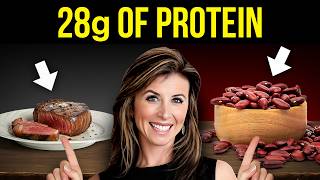
A PhD nutritionist (Dr. Ashley Lucas) explains differences between animal and plant proteins for muscle growth and weight loss, focusing on amino acid quality (especially leucine), calories-per-protein, digestibility, and evidence from acute MPS and longer-term training studies. She argues animal proteins are generally higher-quality (more essential amino acids and leucine per calorie), making muscle gain and fat loss easier, while plant-based diets can work but usually require higher total protein, combining sources, supplements, and careful planning. The video also includes commercial CTAs for Dr. Ashley’s products and services.
Questions this video answers
Over 11,600 people collectively; £480,000 (stated by presenter).
1.6 grams per kilogram per day (≈0.7–0.75 grams per pound).
To match leucine from 4 oz beef: ~3.5 cups of beans = ~760 calories and 136 g carbohydrates; 4 oz beef listed as ~240 calories and 0 g carbs.
12 weeks of identical resistance training in untrained/beginner participants (reported in the video).
Plant proteins required ~25–35% more total grams to match the muscle-building signal of animal protein (per Robinson et al., 2021, as cited).
We hear it all the time. Plant proteins are just as good as animal proteins. But is this actually true? When you look at the amino acid quality, the calories required, the real muscle growth outcomes, I don't know. Today we are going to break down the science in a way that finally makes this easy to understand.
Hey, really quickly, if you're interested in hydrating yourself optimally and want to do it in an efficient and effective way, I created an electrolyte plus mix just for that. It's called Dr. Ashley's Electrolyte Plus Creative.
I know.
And it's crafted with essential electrolytes, vitamins and minerals for maximum absorption. With patented forms of zinc and vitamin C, it supports immune and adrenal function. Plus chromium picolinate regulates healthy blood sugar levels while helping to curb those cravings. Say goodbye to headaches and fatigue. Visit drashleywellness.com and use code ASHLEY10 for 10% off your first purchase or 20% off your first subscription order with free shipping plus enjoy. 30 day money back guarantee. Now back to the episode.
Welcome to the Dr. Ashley Show. I'm Dr. Ashley. I'm a PhD nutritionist and a registered dietitian and the owner and founder of PhD Weight Loss and Nutrition, where to date we have helped over 11,600 people collectively drop more than £480,000 nationwide. And my goal with this channel is to give you the information you need to create positive change in your own life. So let's talk about animal protein versus plant protein. Let's start by discussing the protein quality of each. Now, protein quality is about the amino acid profile and the availability per calorie, right? So which ones have the most amino acids, especially the essential amino acids. Essential amino acids are the amino acids which are the building blocks to protein that we need for muscle synthesis. They are the ones that our body can't make, so we have to get them from the outside. That's why they're essential. And then we want to get the biggest bang for our buck. So what type of protein is going to provide us the most protein per calorie? Now, animal protein specifically typically contain a higher proportion of these essential amino acids. Like protein from beef, eggs, chicken and fish, all of these contain the essential amino acids in the right ratios and in a more concentrated, easier to use form. This gives you and your body the easiest time to get what it needs. Now, these protein sources also deliver more leucine. And leucine is the amino acid most responsible for triggering this muscle protein synthesis. Leucine is an Amino acid that acts like a light switch to building more muscle. More leucine equals more stronger muscle building signal in the body. Animal protein gives you more leucine per bite than most plant proteins. Now I wanted to share with you a comparison between animal protein and plant protein when it comes to not only calories and carbs, but also when it comes to leucine. Because we more and more research is showing us that the most important component of this high quality protein is leucine. Now you need far more calories from a plant protein source to reach the same amino acid density found in a small serving of animal protein. Now I have a specific example with lots of numbers down here and I'm going to read this to you. To reach the total amino acids found in four ounces of beef, you you'd need about two and a quarter cups of beans, which is more than double the calories and carbs. But to match the leucine, remember that amino acid that actually switches muscle building on you'd need about three and a half cups of beans. Three and a half cups of beans is 760 calories and 136 grams of carbohydrates. That's compared to just 240 calories, zero carbs in four ounces of beef. That's why plant protein and animal protein are not the same thing in your body. Now if you feel like navigating protein quality and calories and metabolism and all the things required to drop weight is totally overwhelming, well that is exactly what we take care of inside PhD weight loss. If you feel like a customized personalized approach guiding you on exactly what, when and how much to eat and the exact sources of protein to give you your biggest bang for buck would be helpful. Then you should Definitely check out myphdweightloss.com if you are listening to this on a podcast platform, just go to myphdweightloss.com and we will guide you to give us a call and schedule a free fat loss strategy session with one of our nutritionists where we will discuss your health history and figure out what type of program, length of program will be supportive to your body. If you are watching this on YouTube then it's even easier. Just head on into the description and click the link for my PhD weight loss to learn more. Now I wanted to dive into the research behind animal versus plant based protein and we're going to start with the short term studies and what they show. So protein researchers look at something called acute muscle protein synthesis or mps. What this means in simple terms is how fast does your body start building muscle right after you eat the protein? And across dozens of studies, the key finding is that animal proteins are more anabolic, gram for gram. Anabolic means building up like adding bricks to a wall, which is really what we're doing when we're adding muscle to the body, right? Brick by brick, gram by gram, we are building muscle. And this is why animal protein wins short term, because there's higher essential amino acids. We talked more leucine, it's more digestible and it's usable by the body. Now, there is an exception. Soy kind of meta analysis show that soy protein can look similar to whey in very controlled lab settings. But most individual studies still show that whey produces a stronger muscle building response. Like the best type of protein shake, for example, or protein powder you can create a shake from. If you're trying to gain muscle is whey protein. And it's because of all the reasons I shared above. So then after looking at the short term research, we want to dive into the long term research and training studies because this is where things get pretty darn interesting. And this is where people get confused because the results seem surprising at first. So looking at two major studies here, we looked at a completely vegan diet versus an omnivore diet with mixed animal proteins. Now looking at the completely vegan diets, they were supported by soy or fungal based proteins. Now these fungal based proteins are actually pretty popular. They're also called mycoprotein. And these guys are grown in a giant fermentation tank, like in a lab, kind of like brewing beer, and then processed into chunks and patties. So this is a lab grown plant protein. It is heavily processed and it's often used in vegan meat substitutes like corn products that you can find in the freezer of most stores. And corn. I don't mean C o r N, I mean Q u o r n. Okay, so we're looking at folks who followed this type of diet versus the omnivore diet, where it was mixed animal proteins. They were taking in the same amount of calories. They each had a similar total protein intake of 1.6 grams per kilogram per day, or 0.7 to 0.75 grams of protein per pound, if you like to think of things per pound like I do. And then they also had identical resistance training program. And it was over the course of 12 weeks. And the main finding was that both groups gained similar muscle size and strength. Now what this really means is that when you take untrained people like the folks in this study and give them a lot more protein than they're probably used to consuming and force them to lift weights for the very first time they grow no matter what they eat. These are called newbie gains. It doesn't mean that plant and animal proteins are equal in the real world. Now there were quite a few other limitations and nuances that I think it's important to understand around this commonly referenced study. So again, they were untrained individuals. Beginners grow easily. Even low quality protein looks good enough on paper. Satiety wasn't measured. Plant proteins generally make you less full, which affects real world adherence and hunger control. And oftentimes in the real world world, we end up eating more calories and see weight gain. Total protein was pretty darn high compared to most folks diets. Most vegans do not hit 1.6 gram per kg per day in real life, which is why the results often don't match the studies. And then number four, there was no testing in elite athletes. Highly trained athletes do show differences in performance and recovery from plant based versus animal based. And then lastly, many plant proteins are now ultra processed, right? This lab grown genetically modified novel proteins. If we're looking to follow a natural whole food based diet, and we are following a vegan and vegetarian plan, we just have to be super careful about ingesting a ton of these ultra processed foods to get our protein quota. Now there was a study done in 2021 by Robinson et al and it was a pretty high quality data set. The study clearly showed that plant proteins required 25 to 35% more total grams to match the muscle building signal of animal protein. And even when matched for total grams of protein, animal sources produce a stronger anabolic building response. There's a lot of other evidence and meta analyses showing that whey outperforms soy for muscle gain, fat loss and strength. Digestibility scores consistently rank animal proteins the highest. That again means that your body can utilize the protein much more effectively and efficiently. So you know the bottom line is that you can make plant protein work, but you have to eat more, you have to digest more and you gotta supplement more. Now for most people watching this video, here's what actually matters for your goals. Number one, if you prefer animal protein, then you are getting a higher quality protein with fewer calories, fewer carbs and more essential amino acids. It simply makes achieving your goals easier. Now number two, if you prefer plant based eating, you can still build muscle if you eat more total protein. Combine different plant sources, supplement and you've got to train consistently. I will say that if you are plant based and you have weight to drop, it's much more challenging to do so because the plant based protein sources are higher in total carbs, higher in total calories and you're just it's harder to get into a deficit and maintain your protein targets. Most folks who do lose weight on a plant based diet also lose significant amounts of muscle which is not ideal. Now if you are somewhere in between the two, you have the most flexibility. You just need to make sure that you still prioritize total protein and you got consistent resistance training throughout your week. Now, no matter what type of diet you are following plant based, animal based, a mix between the two, keeping your blood sugar stable throughout the day is really important for consistency and for ultimate results. If you feel like your body has been struggling with this and you experience blood sugar highs and lows or energy crashes or cravings throughout the day, that is a good sign that blood sugar swings could be secretly sabotaging your health. If you find that your body seems to respond well to supplementation, then you should definitely check out my supplement called Glucocut plus from Dr. Ashley Wellness. It is an amazing combination of compounds that I specifically put together for folks who are dropping weight or maintaining a weight loss successfully. It includes compounds that will help to support fat burn, will preserve your muscle mass which is key as we continue to age and help to support steady blood glucose values. If this is of interest to you and you are listening to this on a podcast platform, head over to doctorashley wellness.com or or if you are watching this on YouTube, just head on over to the description. We'll include a link there to Dr. Ashley Wellness and a special discount code. Now guys, your body is adaptable, it's intelligent and it's responsive and it's amazing how our bodies can survive off of most things we put in our mouths. Like does it ever surprise you that we could be full plant based, full carnivore, we can eat ultra processed foods and not that our body thrives off of all of these things but it, it can kind of survive. It wants to work for us, but protein quality does matter. You want to make sure that you're consistent with good nutrition. Training matters even more. So making sure that you can choose a pattern that feels sustainable and fuels your body well and it keeps you moving forward is key in all of this. Now I would love to hear your feedback, your thoughts. What do you think of animal protein versus plant based proteins? If you are watching this on YouTube. Please drop your comments, drop your thoughts below. If you are listening to this on a podcast platform and you want to be a part of the community and a part of the conversation, come on over to YouTube and drop your thoughts in the comment section. All right, you guys, I hope that this was helpful. Remember, you've got to step up to make the change. Lead with your heart, train your mind, and do not negotiate with your body. I'll see you next time.