Burn Visceral Fat FAST...Simple Habit Change
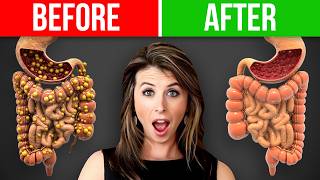
Dr. Ashley Lucas shares five food habits to reduce visceral fat: use saffron, turmeric, rosemary, and cinnamon; eat low-glycemic fruits like blueberries with protein; prioritize non-starchy vegetables and clean animal protein; get omega-3s. Intermittent fasting and electrolytes are optional additions.
Chapters
What if the foods that you eat could do more than just burn fat? What if they could help your metabolism? If they could protect your skin, support your heart, and even help you detox your liver? Well, in today's video, I am going to jump into the top five foods that do exactly that, all based on cutting edge science around fat loss. So stick with me as I talk about the foods that will help you fight inflammation, that will support your metabolism and help you shed weight and actually keep it off for good. Five the way I'm Dr. Ashley Lucas. I am a PhD nutritionist and a registered dietitian. I am the owner and founder of PhD Weight Loss, where to date, we have served over 11,600 people nationwide, collectively dropping more than 466,000 pounds. And my goal with this channel is to give you the information you need to actually drop the weight and keep it off for good. So let's dive in to these top five foods. So first of all, why do these foods matter? Why do the foods, foods that you choose day in and day out actually impact your health? Extra weight that we're carrying around. We know this is not just about appearance. We've talked about in previous episodes the impact of this excess fat weight that we're carrying, specifically that fat around your belly. If you're looking down and you can see this fat on your belly, that's called visceral fat. It's the deep fat that fills the organs, wraps around them, squeezes them tight. After a while, this fat gets in there. It grows its own blood vessels, it gets its own oxygen supply, and it starts to secrete a ton of inflammatory hormones. So if you want to burn fat, if you want to heal your metabolism, you really have to focus on specific foods and fully collapsing that deep belly fat. Now, if you have never heard about this deep belly fat, this visceral fat and that it's hungry fat and that it works against you and that it's almost like a tumor and all it wants to do is get fatter and fatter as fast as possible. Then you should check out my other episodes and I will link a few of them into the description here so that you can dive into the science with me behind the visceral fat. Now, also, when we have a lot of visceral fat, we have lots of inflammation. When we're eating specific foods that drive the belly fat, it's going to drive insulin up. Insulin is a hormone that promotes fat storage. We don't want to have chronically high insulin levels and a lot of us do, especially if we're struggling with excess fat weight. This can drain your brain, it can lead to cravings and more fat storage. When we focus on the right foods at the right time, it's going to help lower insulin levels, it's going to boost fat burn, and it's going to help ultimately protect long term health. Now if you feel like you would love a customized meal plan that tells you exactly what, when and how much to eat throughout the day for your specific body that help reduce insulin and that will really fight that belly fat once and for all, then you should definitely check out PhD weight loss. This is what we do for people all day, every day. Just head on into the description, click the link where you can learn more. The best way to get a hold of us is to give us a call and we're real people. At the end of the phone line, give us a call and we'll book a consultation with you, a fat loss strategy consultation with one of our nutritionists and we will tell you exactly what to do to get started. If you head on to that link, you'll see 1200 plus near 5 star reviews and I would recommend that you read some of those because those are real people just like you. I was just on there. That's why I'm mentioning this before I hopped on to record this video and the words that people are saying there are truly amazing in regard to the transformation that they're experiencing. Okay, let's dive in to the top. Foods. Number one is a mixture of herbs and spices. We don't think often much about herbs and spices. We think that they just might flavor our foods, but they actually have a lot of beneficial compounds. The first one of mention is saffron and research shows that it helps to lift mood, it fights depression, it also lowers blood pressure. I actually got some saffron myself at a farmer's market like two weeks ago. And you know, you've probably heard of saffron rice. Not that you want to cook and eat a lot of rice, but you can stick these threads of saffron into some hot water, make an infusion and drink it. That's what I do. Just a few threads of it. And some people do have an allergy to it there. They can be sensitive to it. So I would just try like one thread and see how your body deals with it. If it's fine, then maybe two to three threads. From an Eastern medicine angle. Saffron is used to move stagnant blood and help to release emotional blockage. It's Thought to help ease anxiety and sadness, which can explain some of its mood boosting effects. So saffron there is worth a try. Turmeric is another one. You've probably heard about this when we talk about reducing inflammation. It has been shown to protect the brain. It has been shown to reduce plaques linked to Alzheimer's disease and can help with skin. It also has been shown to just kind of warm digestion, purify the blood and support the liver, which is key when it comes to fat metabolism. Other herbs that can be really helpful are rosemary, sage and thyme. I actually get rosemary and sage tea individually and they are beneficial for helping to improve memory, sharpen focus, protect against against brain fog. If any of you are in perimenopause or menopause listening to this, we all need as much support as we can help to sharpen our concentration. Also, sage has been known to help kind of clean off, dust off your vitamin D receptors and just allow the body to utilize vitamin D more efficiently and effectively. Cinnamon is another herb that you have probably heard around blood sugar stabilization and support. It's shown to help with that as well as reduce cravings and support insulin sensitivity. Cinnamon also is considered warming and helps to strengthen our spleen qi, which is the system that governs digestion and energy and sugar handling. So all things blood sugar related, garlic and oregano are helpful when it comes to supporting immunity and fighting off infections. For garlic specifically, if you get a clove and you press it and you let it sit for a few minutes before you cook, the crushing of it helps to release this compound called allicin, which is the enzyme, the compound that helps to support strong immunity. Oregano. Oregano oil is so extreme. If you ever tried oregano oil that has been shown to fight off bad bacteria and viruses, I have a neighbor who will take some drops. By the way, I highly recommend that you dilute it. He likes to use a little bit diluted in water and gargle with it. It is so, so super spicy. So I am sharing this with you with a word of caution. Lastly, ginger is helpful to some research shows to support metabolism and accelerate fat burn. We know that it's supportive of digestion. If you're feeling nauseous, you can get some ginger root and grate it. Those ginger candies, although tempting, are just full of sugar. So I would recommend getting the actual root and utilizing that as tea or in your recipes. All right. Food number two are low glycemic fruits. They help to support the brain and the body. They've Got a lot of antioxidants. I've talked a lot about antioxidants and what these good guys do is they go into the body and sequester free radicals. Free radicals are caused as a result of a lot of stress, oxidative stress, injury, illness, aging, chronic exercise. If we've got an environment that might be toxic, we are producing more free radicals and those anti just help to pull those up and get rid of them. So blueberries research has shown to delay cognitive aging by two and a half years and help to build new nerve cells. Raspberries and blackberries, higher in fiber, lower in sugar, so you're going to have less of an insulin spike when you do consume them. Pomegranates, which are my kids very favorite for some reason, I think it's super odd. But the season is coming and they just cannot wait to get pomegranates. I say that if they're over like dollars and 50 cents they're gonna have to buy them theirselves. It's still expensive, but I figure, gosh, at least it's got some antioxidants in there and help support their pomegranate consumption. They are rich in anti inflammatory compounds, helpful for the skin and arteries, for the prostate. In you men I would say my last favorite fruit on this list, I'm including it. But I'm also going to share how I would suggest consuming it would be apples. When you consume apples, the caveat is essential. Smaller apple, not this huge honey crisp apple that's the size of your head that gives you enough carbohydrates that you really need for an entire day. So think small apple, the kind of apple size of apple rather that you would put in your kids or grandkids lunchbox, you know, a tiny little apple that you're going to consume with some kind of protein and fat combination. So it could be like an apple and a string cheese for example. The pectin in the apple is helpful for digestion. More fiber in the apple and the berries and other fruits say like bananas and mango, those more kind of starchy, high sweet fruits in general. These fruits that I mentioned have lots of vitamin C, anthocyanins that help to protect, collagen your skin, brighten your skin, support liver detox. So these are great foods as long as you're consuming them in moderation and you're consuming them with a healthy fat and healthy protein. If you are a PhD client and you're listening to this, always talk to your coach for their specific guidelines on which foods you're focusing on and which foods you're not focusing on. Because in your journey, there are going to be foods that we play with that we pull out for a short time and that we push back in at certain times. So make sure you're chatting with your coach to get your specific customized guidelines. All right? Food number four is if you're consuming carbohydrates, you want to make sure that you're going to consume the same smart type of carbohydrates. These are the carbohydrates that have much more fiber and less starch and sugar in them. So these would be like your non starchy veggies, your green leafy spinach, arugula, romaine lettuce, cucumbers, bell peppers, mushrooms, broccoli, cauliflower, brussels sprouts, zucchini. If you are looking for a little bit more carbohydrate, I would recommend going toward acorn squash or butternut squash squash. The fiber in these veggies can be helpful as prebiotic fuel for the gut bacteria. Remember that the good bacteria that you've got in your gut needs food, and it feeds off this prebiotic fiber that you're getting in these veggies. Helps to lower inflammation and support your fat loss. In general, the better gut we have, the more clear skin, the more balanced hormones, and the better liver detox, which again, we need if we want to have fast and effective fat metabolism. 5. Food number five is clean protein. Eating adequate protein, which the majority of us are not doing, especially as we age, helps to repair, strengthen, and protect your body. So when I talk about high quality, clean protein sources, I'm looking to animal protein sources, if you're open to it. Wild fish, lamb, turkey, chicken, beef. Red meat is not a heart disease maker. It is not going to harm your heart. Consuming red meat. The research around this is totally bogus. So if you enjoy red meat, enjoy it. The thing is, is if you're eating fatty cuts of red meat, you want to make sure you're not pairing it with french fries and soda. Because it's the french fries, the bun, the soda that's doing the damage to your heart, not the actual red meat. Omega 3s in salmon, if you can get salmon or some kind of good fatty fish in your diet, one to two times a week will help lower blood pressure, will help improve cholesterol, and helps to protect memory. 93% of people are deficient in omega 3s, which leads to higher omega 6 levels. When these ratios are off, it's not Good for the body. It leads to inflammation, it shrinks the size of your brain, it's going to promote weight gain. So in general, we want to focus more on our high quality animal protein sources and getting those omega 3s in there when we can. Lastly, as a little bonus, if you want to focus on fat burn and just allowing the body to regenerate its itself, fasting can be helpful. It's not necessary. So if you feel like fasting is not for you, I would listen to your body. But if it's something you want to experiment with, then do so. I actually did a really big deep dive in the topic of intermittent fasting. I explain it, I talk about how and methods and action steps that you can take to actually start fasting. And I'll include that link to that episode in the description here. So just go over, click it and you can learn more. In general though, fasting helps to trigger autophagy, which is basically like a spring cleaning for your brain and your body. It can help to reduce insulin and burn fat, support your liver. It can sharpen focus. Men specifically seem to do really well with fasting. You ladies listening to this just have to be aware. Sometimes it's easier at different parts in the menstrual cycle as well. And I talk about that in the longer episode around fasting. So check it out. You don't need to do anything extreme if you're just beginning to trial intermittent fasting. Or you could elongate that to 16 hours and just go from there. I've talked to quite a few PhD weight loss clients where they have enjoyed fasting and I've talked to just as many who do not love fasting. So please listen to your body now. One thing to note, when you are fasting, it's very important to make sure you stay hydrated. You want to make sure that you're drinking adequate water and water actually isn't enough when you're fasting. You need electrolyte, specifically salt and potassium and magnesium. So what you could do. It's not going to get you all the electrolytes, but at least you'd be getting some salt in There is some water with a sprinkling of sea salt in there. You could squeeze some lemon, that would be just fine. It would not ruin or knock you out of your fast. Another thing you could do is consider adding electrolytes into your water. I included an electrolyte plus mix that includes all of the key electrolytes in their most highly absorbable forms, along with pure way vitamin C which is a patented form of vitamin C that your body can actually absorb, and Cromax, which helps to stabilize your blood sugar levels and will help curb cravings, which I find is really helpful when going through a fasting period. So if you think that an electrolyte mix like this might be helpful in your health journey, then just go ahead. Go into the description, click the link for Dr. Ashley Wellness, and you will get a special discount code. All right, you guys, I hope you enjoyed this episode. Please subscribe so you don't miss another video. If you have any any questions on these foods, or if I didn't list a food that you think should be in this list, please drop that in the comments below and I will be here to read and respond. All right, you guys, see you in the next video.
More from Dr.





If I Was Over 50 & 30 Pounds Overweight, This Is Exactly What I'd Do to Burn Belly Fat


