How to Fix Bloating FAST...DEBLOAT Tips
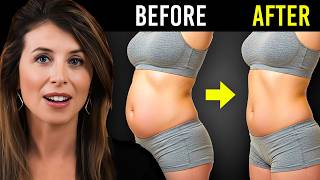
Dr. Ashley Lucas breaks down why you bloat: fermented carbs, swallowed air, stress slowing your digestion, constipation. She recommends ginger, fennel, and peppermint, and says to skip legumes and high-FODMAP foods. Movement, water, and stress relief help too.
Questions this video answers
Over 11,600 people.
More than 466,000 pounds.
PhD nutritionist and registered dietitian.
October 31, 2025.
Glucocet Plus.
Chapters
Bloating happens to everyone. It's normal. But if it leaves you feeling puffy and gassy and uncomfortable, you do not have to live with it. In this video, I'm going to show you the reasons why bloating actually happens. Like what's going on in your gut and the foods and habits that can help fix it so that you can feel lighter and energized and back in control with your body. I'm Dr. Ashley Lucas. I am a PhD nutritionist and a registered dietitian. I'm the owner and founder of PhD Weight Loss, where we have helped over 11,600 people dropped more than 466,000 pounds nationwide. And my goal with this channel is to give you the information you need to create true positive change in your own life. So let's talk about the topic of bloating and why it happens in general. Gas itself isn't the enemy. It might feel like it, but it actually is pretty darn normal. However, you shouldn't have a ton of gas. It shouldn't be something that you're just living with and you're like, oh, this is a part of life. Like, most people who have a really strong gut and are eating the right foods for their body do not have a lot of gas. Like, it's pretty darn rare. Now, what happens when you do have gas, that it's your gut bacteria fermenting leftover food. Let's say we have the yeast in a beer. The yeast is fermenting the hops in there and it causes gas. And when you open the beer, you have the gas and you have the bubbles. Like, this is basically what's happening in your gut. So if you are feeding the wrong bacteria in your gut, basically you're giving the wrong type of food the bacteria in the gut, then the gut is going to become stressed and sluggish and overloaded. The food's going to be in there for a longer period of time and be at higher risk of fermenting. And therefore you're going to have more gas. So this happens often. If you've got poorly digested carbs, think beans. Wheat processed junk is basically a bacterial buffet, which is going to lead to gas and discomfort. Another way that you could be creating more gas in your system is by swallowing air. So if you eat fast and you're swallowing extra air as you're eating through straws, if you're drinking a lot of soda or carbonated beverages, if you're chewing a lot of gum, it can just pile on extra bloat if you're super stressed. When you're stressed, it actually slows motility through the gut. Like I said earlier, the food is going to be in there longer, it's going to sit longer and it's going to have more time to ferment. Just like the bread that's being made at the bakery, right? They stick that yeast in that bread and they let it sit there, it ferments, it produces gas and bubbles and it lets the bread rise. That's what's happening in your gut. Or if you're constipated, it literally traps the gas and the pressure in the system and it's super uncomfortable. So if you are constantly bloated or if you always have gas, it's usually not just bad luck. It's actually your diet or lifestyle that's working against your body. So let's dive into foods that relieve bloating. You know, some of us think that the answer is actually eating more fiber. It makes things worse for a lot of people. What we want to do instead is we want to stick with foods that are easy to digest, these low fermentable carbs, and we want to support natural motility so that the food is not staying in the gut for too long. Certain foods that can help. Ginger. Ginger helps to speed gastric emptying. It relieves gas pain. Ginger in supplement form. You can actually get ginger in a supplement form, like in a capsule. I'm not a huge fan of the ginger chews and candies just because they're so high in sugar. My preferred route of getting ginger in is using ginger root and just shredding it or grating it and putting it in hot water and making an infusion out of it. Fennel seeds can also be helpful. They wax the gut wall and calm inflammation. You can also get peppermint, peppermint tea, not the peppermint candies. Preferably helps to soothe the gut and relieve cramping. And then real foods that don't produce a lot of gas, Number one are eggs. They're protein rich, they're highly bioavailable, which means that the digest them pretty easily. And they don't cause gas for most people unless you have a sensitivity or allergy to them. Fish and seafood is another type of food that doesn't cause gas. Nutrient dense, easy to digest, zero fermentation is possible. Or meat, animal protein like beef, chicken, pork, lamb, these are basically zero bloat foods. They're just efficiently absorbed in the small intestine and just leave very little for the Bacteria to ferment. Now, if you are struggling with bloating or GI discomfort and you have tried a lot of things and you just don't know what to do, I urge you to check out PhD weight loss. We will create for you a customized meal plan guiding you on exactly what, when and how much to eat. And we will help you with your GI distress. I actually had a client write to me and share with me that she had bloating for years and was so, so uncomfortable, had done all the different things she was told by her physician, by different functional medicine doctors and nothing seemed to fix it. But when she went on this diet after three weeks, her bloating was gone. And her goal seeing us was to drop weight, not to thinking that she would improve her gut. But you guys, when you do drop excess fat weight and reduce inflammation, you will see your gut bacteria shift in alignment with that. So again, if something like this interests you and you are really struggling, check out PhD weight loss. Just go ahead in the description and click the link for my PhD weight loss dot com. And the best way to get a hold of us is to give us a call and you will get real people on the phone and they will schedule you with one of our nutritionists so we can dive in and create a plan specifically for you. Foods that make bloating worse, number one, are legumes, beans, lentils, chickpeas. These foods are loaded with a starch or sugar called oligosaccharides. Your gut cannot break them down without heavy fermentation. Like they have to ferment these foods to break them down. It equals gas city. Now if you say no, Dr. Ashley, I'm not getting rid of beans. I have to eat beans. Well, number one, you can't count beans as your protein source. That is just not allowed. They are not a protein source. They are a carbohydrate source. So now if you still say, well Dr. Ashley, I'm not letting beans go. They have to be a part of my diet. And you're getting adequate protein from other sources then. And a hack to reduce the fermentation is to soak or pressure cook them. But even then a lot of people do better limiting them. I'm not a fan of beans or chickpeas. Another food group that can give a lot of people trouble are high fodmap foods. Fodmap foods also have specific type of carbohydrates in them that can cause a lot of fermentation and gut pain. Specifically onions, garlic, wheat, dairy and certain fruits and veggies are huge bloat triggers in sensitive people. Foods that you would not think, I mean, onions can give people a lot of trouble. Another food group is processed carbs and sugars. When you feed the body these types of foods, it's actually feeding and propagating the wrong, the bad gut, bacteria and yeast. When you do this, they're going to multiply and you're going to see worsening gas and significantly increased cravings. Another food that you want to avoid is high salt. Junk food. Salt isn't the issue, but when you got salt with the fat and the carbohydrates, it makes you retain water, giving you this kind of puffy feeling. Even if that food doesn't necessarily result in a lot of fermentation, you're still going to feel very puffy and bloated and not comfortable in your own body. Now, there are certain lifestyle factors that can either fuel bloating or fix it. Ones that fuel it are constipation, usually from not enough water or not getting enough magnesium, or not moving enough. Did you know that dietary fat is actually the first stimulus of a bowel movement? So you want to make sure, if you are quote, unquote, dieting and reducing calories, that you're getting adequate fat and adequate salt? Because those two things are going to help move the food and move your bowels so that you can release what you need to release. So dietary fat and salt, not fiber. Stress. Stress is another thing that can worsen bloating. Cortisol slows digestion, and your gut literally freezes under pressure. So as much as you can, even if your life, I fully understand this, but if you are stressed, if you can take a few deep breaths and sit down and be mindful when you eat, you're going to benefit your body significantly. And I know I need to take my own advice, but we're gonna sit down when we eat and take a few deep breaths and really mindfully eat. And like I said earlier, habits that result in swallowing more air is obviously gonna cause more bloating. So drinking a lot of soda or carbonated beverages, chewing gum, eating fast, nervous habits, all things that are going to cause more air to go into the stomach. But what can be really helpful are the opposite of these things. The great news is that getting your body up and moving will significantly help to reduce bloating. So if you can, after meals, specifically get up and move 5, 10, 15 minutes, go for a walk, preferably outside, you're going to have significant benefits reducing the bloat and reducing blood sugar, improving insulin sensitivity so you will feel better the rest of the day. If you feel like you already do this and you already get your body up and moving and you still are experiencing blood sugar highs, you're still struggling with insulin resistance, you're still struggling with some bloating, then you could consider supplementation to just give you the edge. That's actually why I created my capsule product. It's called Glucocet plus and it really helps to speed your metabolism without the thermogenic effect of fat burners. For example, it's not going to cause any kind of jitters or heart palpitations, it's just through natural chromium picolinate and in a slim from ginseng to support the body and metabolism. If you think that something like this would be helpful, you should Definitely check out Dr. Ashley Wellness will provide you with a special discount. Go look at the reviews. The reviews are amazing. People really find it beneficial in supporting blood sugar and helping to reduce cravings. Supporting fat metabolism during fat loss. Just go into the link in the description to learn more. All right you guys, I hope you enjoyed this episode. Please drop your thoughts below. Do you struggle with bloating? If so, you are not alone. We are a community here, so if you feel comfortable with it, drop what you're experiencing in the comments below. If you have found the secret to bloating, I want to hear about that too. Let's all learn from each other. So put your thoughts in the comments below and I will see you in the next video.
More from Dr.





If I Was Over 50 & 30 Pounds Overweight, This Is Exactly What I'd Do to Burn Belly Fat


