Ranking Anti-Inflammatory Foods from WORST to BEST
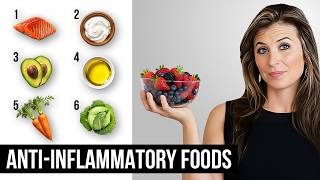
In this 45‑minute YouTube episode Dr. Ashley Lucas (PhD Weight Loss & Nutrition) argues that most people treat the symptoms of inflammation with supplements while ignoring the root cause: excess visceral belly fat. She begins by defining acute versus chronic inflammation, then systematically ranks seven contributors to chronic inflammation from least to most impactful: (7) environmental toxins, (6) artificial ingredients and unhealthy fats, (5) poor sleep, (4) chronic stress, (3) a high‑sugar, refined‑carb, seed‑oil‑rich diet, (2) chronic over‑exercise, and (1) excess visceral fat, which she describes as an “inflammatory organ” that secretes IL‑6 and drives diseases such as type‑2 diabetes, cardiovascular disease, autoimmune flare‑ups, and severe COVID‑19 outcomes. Dr. Lucas shares a personal anecdote about infected root canals that masqueraded as hidden inflammation. She then outlines anti‑inflammatory foods (colorful vegetables, berries, high‑quality animal protein, omega‑3‑rich fish, healthy fats, nuts, seeds, fermented foods, green tea, coffee) and practical lifestyle interventions: 30‑minute daily brisk walks, resistance training, short high‑intensity interval sessions, sleep hygiene, stress‑reduction techniques, cold exposure, sauna, and proper hydration. Throughout she intersperses client success stories (reversed sleep apnea, eliminated migraines, avoided knee surgery, reduced autoimmune symptoms) and promotes her PhD Weight Loss program. The episode ends with a call to action for viewers to comment, review, and implement the presented strategies.
Chapters
One of the most common things I hear from people dealing with chronic health issues is this. They're doing everything they think they should be doing. They're taking turmeric, they're taking curcumin, they've got their fish oil, their anti inflammatory supplements. Maybe they're even taking Tylenol daily for joint pain. But despite all of this, they are still having migraines, their joints still ache, they're still dealing with brain fog, fatigue, digestive issues. They feel inflamed all the time and nothing seems to touch it. And what really breaks my heart is that most people have no idea they're focused on the wrong thing entirely. Now, what I want you to hear right from the start is this. The struggle is not because you're not trying hard enough. It's not because you need to take a better supplement. It's not because your body is broken. What's happening is that you are treating the symptoms of inflammation, but you're not addressing the root cause. And here's the truth that most doctors don't tell you. If you're carrying excess fat weight, especially around your midsection, around your belly, you have an inflammatory organ living inside your body that's secreting inflammatory chemicals 24, 7. No supplement on earth can override that baseline level of inflammation. See, your fat cells, especially the ones in and around your belly, aren't just passive storage. They're not just hanging out there going for a ride. They're actually very metabolically active. They're like little factories pumping out inflammatory hormones called cytokines that travel through your bloodstream and impact every system in your body. This is chronic, low grade inflammation and it is the foundation of nearly every modern chronic disease, cardiovascular disease, type 2 diabetes, autoimmune conditions, arthritis, even cognitive decline. So today, I'm going to go ahead and rank the causes of inflammation in your body from least impactful to most impactful and reveal the number one cause that science tells us is driving the majority of chronic inflammation in the body. And more importantly, I'm going to show you how to address it. Hi, I'm Dr. Ashley. If this is the first time you've come across one of my videos or episodes, I'm the owner and founder of PhD Weight Loss and Nutrition, where to date we have served over 12,500 people nationally. Collectively, we've helped people drop over £500,000. And my goal with this channel is to give you the information you need to actually create positive change in your own life. And if it has to do with fat loss, to keep it off long term. But more than that, my goal at PhD is to focus on reducing inflammation and increasing energy. Because when inflammation drops, everything else improves.
Hey, guys. Quick interruption to the Dr. Ashley Show. After a decade of helping thousands shed pounds, I realized the need for an electrolyte mix tailored to support lean muscle mass and metabolic needs. People always talk about electrolytes for different sports or lifting weights, but what about for weight loss? It's a marathon of its own.
Drumroll, please.
Introducing Electrolyte plus, your marathon champion. Packed with patented ingredients for optimal absorption, it fuels metabolism, supports adrenals, and stabilizes blood sugar. Say goodbye to those headaches and lightheadedness. Visit DrAshleyWellness.com and use code ASHLEY10 for 10% off your first purchase or 20% off your first subscription.
Order with free shipping, plus enjoy a
30 day money back guarantee.
Back to the show now. If you're dealing with chronic inflammation right now, if you've tried supplements, medications, cleanses, and nothing seems to work, you're not alone. And there's a reason for that. I've actually created a detailed program that addresses the root cause of inflammation through metabolic repair, not just symptom management. If you're watching this on YouTube, I put together a detailed video for you outlining a strategy you can use. I put a link to more information in the description. Now, if you're listening to this on a podcast platform, just go to myphdweightloss.com to learn more. All right, let me walk you through the science, because once you understand what's actually causing inflammation, everything changes. So let's get into it. Before we rank the causes of inflammation, let me quickly define what inflammation actually is. A lot of people who come into PhD weight loss, you know, I'm talking about inflammation, and they're asking, what actually is inflammation? Well, it is primarily your immune system's natural response to foreign invaders. Think pathogens, injuries, toxins. And it's not all bad. In fact, we need it. A acute inflammation, like inflammation that happens after an ankle sprain or a cut from a knife when you're cooking in the kitchen, is actually protective. Let's use the example of you spraining your ankle. Well, when you do this, your white blood cells release inflammatory chemicals into the blood around the tissue. The swelling, the redness, that's your body trying to keep the injury contained to one area so that it can heal most effectively and efficiently. If you step on a nail, your body doesn't want those toxins spreading throughout your entire system. So inflammation Keeps it localized. Even a fever is a form of inflammation, right? Your body is raising its temperature to fight off infection. So if my kids have a fever, I try my very best to let the body run its natural course and not give them Tylenol when at all possible. Now this is all good inflammation. That's your body protecting you. It's healing. But here's where we get into big chronic inflammation. Chronic inflammation is when you have persistent low level exposure to irritants and your body starts attacking healthy tissues. This is what you see in autoimmune conditions like celiac disease, where the body attacks the colon when you eat wheat or ulcerative colitis. Hashimoto's where the body attacks the thyroid. And this chronic inflammation doesn't just come from autoimmune conditions. It comes from environmental toxins, chronic stress, poor sleep, processed foods, and most significantly, from the fat mass that you're carrying on your body, specifically in your belly area. So now let me rank the causes of chronic inflammation in your body from least impactful to most impactful based on what science tells us. Number seven. Environmental toxins. These are things like mold, chemicals in your household, cleaning products, fragrances, body care products like deodorant, shampoo, toothpaste. On a lot of the podcasts where I bring in guests, they often talk about the importance of having clean personal self care items like deodorant, shampoo, things you put on your face. These do contribute to inflammation, especially if you have sensitivities. And I do recommend reducing your exposure. Where you can. Now, a resource I love is the Environmental working group. It's e w g.org you can search any product and see how it scores. If it's above a 1 or 2, there are likely significant toxins in there and you should consider switching. When I started on this journey myself, I put everything that touched my body or my kid's body into this app and it was mind blowing. Now here's the thing. Environmental toxins are lower on the list because their impact is smaller compared to what's coming next. Number six is artificial ingredients, artificial colors and flavorings, msg. All of these create low grade inflammation in the body, especially when you eat a lot of them and you eat them consistently, which most of us do, at least in the us. Sugar, processed meats like bologna, Spam, anything cured with nitrates can be inflammatory. Trans fats. Those are man made fats found in packaged foods that can sit on a shelf for years. Think Oreo cookies, Wheat Thins. Let's see what else. Oh Unfortunately, I used to really love dry powder creamer to put in my coffee or tea. Highly inflammatory vegetable oils like safflower, cottonseed, sunflower. They're cheap for food companies, but they're loaded with omega 6 fatty acids, which are inflammatory. Instead, you want to look for foods preferably made with avocado oil, coconut oil, or even animal fats like lard or tallow. Again, these matter. They're a driver of inflammation, but not the biggest driver. All right, number five is poor sleep. I was actually just talking to my husband about sleep and the importance of it for brain health, metabolic health, just our overall well being. We do have to focus on sleep. Sleep is huge for reducing inflammation. When you don't sleep well, your body can't repair cortisol stays elevated, your immune system weakens, your sleep environment matters. You want it cool below 65 degrees. You want it dark. So if you can see lights coming in from the outside, you want to make sure that you have curtains over those windows. You want it to be quiet. Make it a sanctuary. But even if you optimize sleep, if you're carrying excess fat, specifically around the belly, you're still dealing with a higher baseline inflammation than those who don't have the belly fat. Number four is chronic stress. Chronic stress keeps cortisol elevated, which is directly inflammatory. And I've talked about this in a lot of previous episodes. Actually, I have many episodes on sleep and stress, and I'll make sure to link them in the description here on YouTube. Now, acute stress we talked about is fine. We need cortisol to respond to threats. But when stress becomes chronic, it wears down your body. Meditation, breathwork, journaling, prayer, yoga, getting outside, whatever helps you manage stress is critical. One of my favorite breathing apps that I've been using actually recently with my 12 year old who tends to have a little bit of anxiety is called othership. It's great for breath work, great guided meditation. So that's something that you could check out. But again, stress management alone won't eliminate inflammation if the root cause is still present. Number three is diet, processed foods, sugar, refined carbs. Now we're getting into the bigger drivers. Sugar and refined carbs, like highly refined grains and the addition of seed oils. I find that these are the trifecta. Sugar, processed grains and seed oils. Oh my gosh, together they spike blood glucose, they have higher omega 6 levels and they just lead to more inflammation. That's why pasta, bread, crackers, cereals, anything that comes from a box or bag and lives in your pantry and could live there for quite a while, contributes to chronic inflammation. Sugary beverages like soda juice, even if it comes from fresh fruit juice, is going to spike your blood sugar and is not healthy for you specifically if you're carrying a lot of belly fat. Sweet tea, alcohol, energy drinks are all really inflammatory. Alcohol unfortunately is essentially poison to the body. I'm not saying to never drink, but let's be transparent. Let's say what it is. It really does not serve the body. So then what should you eat to reduce inflammation? Anti inflammatory foods, which I talk a lot about on this channel, include colorful veggies, purple cabbage, raw grated beets and carrots, Radishes, bell peppers, greens, berries are amazing. Loaded with antioxidants, higher in fiber, lower in sugar, high quality animal protein coming from your beef or poultry, chicken, turkey, seafood, eggs, full fat or maybe low fat Greek plain yogurt are really great and low inflammatory omega 3 rich fish like salmon, mackerel, sardines. Man, I keep trying sardines by the way, and I hope someday my palate changes. I watch my husband and he'll stick a can of sardines with some primal kitchen mayo, which is a great brand of mayo by the way. Definitely when you're eating mayonnaise, as a side note, you want to make sure that the fats in there are healthy. Avocado oil is going to be the best healthy fat in your mayonnaise. And labels are super tricky and they make me very frustrated because that's just marketing hype. They'll say that the mayo is olive oil. Go look at the ingredient list of an olive oil based mayo and you will see that the primary ingredients in there are some kind of soybean or canola oil. And then they add olive oil at the end. And when you're looking at an ingredient list, by the way, they put it in order of the amount contained. So like the first three ingredients on an ingredient list is what you are primarily eating. So anyway, that was a tangent, however, I don't love sardines, but if you do, good for you. Add in some of that mayo and that is a delicious meal for your brain and for your metabolism. Healthy fats that we want to focus on are avocado, olive oil, coconut oil, tallow if you like it. Nuts and seeds can be incorporated in a low inflammatory diet. If you're not super sensitive. For some people they either can cause some gut distress, they contain lectins and phytic acid and for some that is triggering to their GI system. And for a lot of People, they are a trigger food. What I mean by that is once you start eating those salted nuts, for example, and you can't stop, or you go to the peanut butter jar or the almond butter jar or the cashew butter jar, whatever it is, and you keep going back for more, that is a food that at least right now is not serving you. Chia seeds or Zen basil seeds are a really great source of omega 3s and prebiotic fiber. You could add that in to your smoothie if you like that. And fermented foods like yogurt or kefir sauerkraut, the probiotics are great for gut health. Green tea and even coffee are really helpful anti inflammatory foods. Now, diet is massive, but it is still not number one in this list. Number two is chronic cardio or over exercise. And this surprises some people. Most people think that exercise is always good and movement is good, but there is a curve to it just like anything else, right? If you drink too much water, you could actually die from it. It's just to give you example, if you don't drink enough water, that's not good either. Now, same thing goes with movement. Being sedentary is unhealthy, but being over exercised is also unhealthy. And I say this from personal experience. I went from hours and hours of years of dancing. I was a professional ballet dancer and I danced like crazy eight hours a day. And then I thought, oh, to hit my body composition goals, I needed to then go take a spin class over exercised. After I retired from dancing, I thought that I needed to punish my body in some other way. So then I took up cycling and I would ride my road bike outside about 250 miles a week. Still, I was over exercise and I came down with shingles funny enough. And I was struggling with just putting on excess fat weight because my body was trying to protect me. Chronic cardio. Spending hours on the bike like I was, or elliptical or running marathons, doing excessive cardio every single day actually increases inflammation in the body and hence my shingles. Your body interprets that as chronic stress. Cortisol stays elevated, you break down muscle and inflammation goes up. Now here is what works better. And I Learned this myself. 30 minute brisk walk every single day. Not 5 days a week, but 7 days a week. Resistance training, lifting something heavy, your body weight or weights, whatever that is, you need to overload your muscles. High intensity interval training. Some people refer to it as hiit. This is short bursts of intense effort followed by full recovery. Here's an example you could get on a stationary bike, but you can do this on a treadmill, you can do it on the road, you can do it in the pool, you can do it on a rower. But here is just an example for you. Warm up for five minutes, then sprint for about 30 seconds max. You could even just sprint for 10 to 20 seconds, but some period of short burst. So let's say you sprint for about 20 seconds, then you are going to rest for about 30 to 45 seconds, right? So it's like a one to two ratio of work to rest. So if you sprint for 30 seconds, then you would go easy for about 60 seconds and you're going to do that about five times. That's it. So what you're going to be done in about 15, 20 minutes or so, right. Not two hours. We're done with that. This supports muscle, it reduces inflammation, it boosts your metabolism, it helps with your VO2 mats, and it's going to support ultimately longevity. So over exercising is number two, but there's still one cause that ranks higher. And now before I dive into number one, I want to share with you one overlooked source of inflammation that I didn't put in here, but I feel the need to share it with you because it was a significant source for me. I was experiencing a flare of migraines and I could not figure out why. My nervous system was just on high. I eat well. I follow all of these factors that I am sharing with you here today. And I just could not figure out what was causing the inflammation. I ended up going through a long circular journey. I ended up getting a cone beam scan on my teeth. And a cone beam scan is just a specific type of X ray that most dentists can do. And it's different than the usual X rays you would get when you go for your cleaning or your yearly dental exam. And I found that one, or actually both of my root canals were infected. The majority of root canals do become infected at some point and you might not have symptoms. I had no dental pain, no tooth or gum pain. And the only way that I was able to find that sorts of inflammation was through that cone beam scan I had this summer. Both of my root canals pulled and I have not had a migraine since. So I just wanted to share that with you in case you feel like, oh, my gosh, I'm doing all these things. I don't have this excess belly fat and I still can't figure out where the inflammation is coming from. So check that out. Now, number one, the biggest source of inflammation coming into the body. If you're struggling with this is excess fat mass, the belly fat. Here it is the number one cause of chronic inflammation in your body, your fat mass. That visceral belly fat is what it's called, and it's an active inflammatory organ. Most people don't understand this, but you can take all the turmeric in the world, or you could take tylenol, and it's not going to touch the baseline level of inflammation coursing through your body because of the fat that you're carrying in that belly. Now, here's what's happening. At a cellular level, your fat cells produce small proteins called cytokines that communicate with your immune system. Some cytokines promote inflammation, others resolve it. But fat cells, especially the belly fat, that visceral fat, overproduce a specific inflammatory cytokine called interleukin 6. Imagine your belly fat cells like those little chlorine tabs I used to see in my pool as a kid. You know, you drop one tiny tab in the water and across the entire pool. That's what I want you to imagine your fat cells do. They secrete interleukin 6 into your bloodstream and it dilutes throughout your entire body, impacting every organ, every system, no matter what you do. This chronic low grade inflammation is the foundation of type 2 diabetes, cancer, cardiovascular disease, insulin resistance, metabolic syndrome, autoimmune flare ups, joint pain, and arthritis, cognitive decline, all of these things. And if you need more proof of how powerful this inflammatory effect is, look at what happened during the COVID 19 pandemic. So COVID 19, like any severe viral infection, can result in an exaggerated immune response called a cytokine storm. You probably remember the news talking about this cytokine storm caused by COVID 19. But here's what we saw. People who were carrying excess fat, especially those who were obese, had a much higher baseline level of inflammation because their fat cells were already secreting Interleukin 6. So when they got Covid, their body didn't just have a normal immune response, they had this exaggerated response, a cytokine storm. Because their baseline level was already so high, the body just couldn't tolerate that level of inflammation. And we saw severe outcomes, hospitalization, even death, disproportionately in people carrying excess fat weight. Covid made it tangible, it made it visible. But this inflammation has been there all along. This is why when clients at PhD weight loss start losing fat, they don't just lose weight, they lose inflammation. This is what it's all about, remember, reducing inflammation and increasing energy. And when we reduce inflammation, everything else improves. There's just no way around it. I've had my clients come in and tell me they reversed their sleep apnea and got rid of their CPAP machine in just a matter of weeks. Their chronic migraines disappeared. Their joint pain, the pain they thought was just from aging, completely went away in six weeks. And they didn't need knee surgery. This one man was referred to us by his orthopedic surgeon. His name was John, because he thought that he'd need knee surgery. He was in so much pain. Six weeks later, no surgery needed. Autoimmune symptoms, things they thought were permanent, reduced by more than half. Like they were amazed because they thought it was coming from their autoimmune condition. But it wasn't. Energy and stamina skyrocketed. Menopause symptoms vanished, all because they reduced the fat mass and therefore reduced the baseline level of inflammation. So here's what you do. Step number one, drop the excess fat weight, especially if you carry it around the belly. That's your number one priority. Step number two, follow a protein forward diet, animal protein, if you're open to it, because it's the most bioavailable and supports muscle mass, which is your main predictor of metabolic health. Step number three, eat within your carbohydrate tolerance. Not everyone needs to be keto or Atkins, but we all have a unique threshold. When you exceed it consistently, blood glucose spikes, so does insulin, and inflammation follows. Step number four, avoid processed foods, sugary drinks and excessive alcohol. Step number five, manage stress and prioritize sleep. Step number six, exercise smart. Walk daily. Lift weights. Do short, intense intervals. And some bonus strategies if you want to add more. You feel like you're already there and you want to do something. Additional cold exposure, like a cold plunge or a cold shower for three to five minutes. Saunas are really great. Actually, the most research is around sauna. It improves circulation, it helps to detox, it reduces inflammation. Of course, meditation or breath work. We talked about hydrating. Well, I start every morning with at least 16 ounces of lemon water and put some sea salt in it. Now, here's the key point I want you to remember. Inflammation is not something you manage with supplements. It's something you address at the root. Your fat mass, especially the belly fat, is the number one driver of chronic inflammation in your body. When you reduce the fat, you reduce the inflammation. And when inflammation drops, everything else improves. There's no way around it. You'll see improvement in energy, pain levels, brain fog, sleep, mood, metabolic health, weight loss isn't just about looking better. I think it has very little to do with that, really. It's about living better. Your body is not broken. It is responding to the signals that it's receiving from what you're eating and from your environment and your lifestyle behaviors. Those three things. When you change the signals, everything else changes as well. If you're listening to this on a podcast platform and you got value from this episode, please leave a review. If you're watching this on YouTube, drop a comment below. I want to hear what you're going to implement to reduce your inflammation or the things you've already done that have helped you. Because your story can likely help someone else in this community. Let's learn from each other. Thank you for being here. Thank you for taking care of yourself. Remember, you got to step up to make the change. Lead with your heart, train your mind and do not negotiate with your body. I'll see you on the next one.
More from Dr.





If I Was Over 50 & 30 Pounds Overweight, This Is Exactly What I'd Do to Burn Belly Fat


