The Fastest Way to Boost GLP-1 Naturally (No Prescription Required)
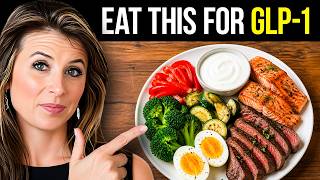
Dr. Ashley Lucas explains how to boost GLP-1 naturally without prescription drugs. Eat 30-50g of protein first at meals with soluble fiber, add fermented foods with Akkermansia bacteria, include healthy fats, and get 7-9 hours of sleep. These five strategies teach your body to produce more of the hormone that controls hunger and blood sugar.
Chapters
GLP-1 is having a moment. Have you noticed? Like, it's in every headline. I think every conversation about weight loss actually includes it. It's pretty darn amazing. It's mind-blowing. It's in the bloodstream of millions of people in the form of a weekly injection. I actually think someday soon it's gonna be like fluoride in our drinking water. And I do understand why to some extent. When this hormone is working well in your body, hunger signals are much more clear. Hunger quiets, blood sugar stabilizes, fat starts to move, people start to feel like, "Oh my gosh, something's happening," and the whole relationship with food shifts in a way that feels like a relief. Now, the headlines are significantly underplaying aspects of it, as usual. You know, your body does already make this hormone every single day, and there are specific evidence-backed ways to increase how much of it you produce starting with your next meal at zero cost with none of the side effects that come with the medication. So today I'm going to walk you through the fastest and most impactful ways to boost natural GLP-1 production in order of how quickly they move the needle and how significant that shift can actually be for you. So by the end of this video, my goal is that you will have a clear practical framework you can start using right away. Now I'm Dr. Ashley Lucas. I'm a PhD nutritionist, a registered dietitian. I'm the founder of PhD Weight Loss, where we have helped to date over 12,800 people drop more than 480,000 pounds collectively using a natural— you guys, a natural— metabolic-first philosophy. My goal here is to always give you the real science in plain language. So I want to start with a quick foundation on what GLP-1 actually is and why it matters so much. So GLP-1, it's stands for glucagon-like peptide 1. It is a hormone primarily produced in the cells that line your small intestines and your colon, meaning that it is produced, oddly enough, in your gut. When it is released, it does 3 important things. It signals to your brain that you are full and satisfied. This is going to help reduce your appetite. It's going to quiet food noise. It slows gastric emptying, which means that it slows the rate at which your stomach releases food into your small intestine. Everything slows down, which extends the feeling of fullness and smooths out blood sugar fluctuations. I remember early on when we didn't really realize the impact of GLP-1, you know, my husband is a physician and he comes from a surgical background, and he was talking to his friends who were still operating. They were saying that they actually have to have people be NPO for longer, meaning that you can't take in food before a surgery longer than 12 or 24 hours, the usual standards, because people on GLP-1 still had food in their system for a longer period of time. And when they were going through anesthesia, they were aspirating on the food that was still in their gut. I mean, it's crazy to see the impact that these medications have by mimicking this specific hormone that the body already makes. And the third mechanism, when GLP-1 is secreted naturally in your gut, it stimulates insulin release in a glucose-dependent way. So what I mean by this is when your gut naturally secretes GLP-1, it only triggers insulin when blood sugar is actually elevated. And this, you guys, is a far more elegant and precise mechanism than a medication can fully replicate, because your body knows when and how much is appropriate, right? And the drug does not, right? It's kind of like hitting the head with a hammer. It's like this massive punch rather than this precision that the body knows how to do naturally. When GLP-1 signaling is working in your body, you eat an appropriate amount, you feel, uh, genuinely satisfied, and you move on with your day without food taking up mental space it shouldn't. When it is impaired, when GLP-1 secretions are impaired from years of blood sugar volatility, from poor gut health, from chronic undereating, or a high-sugar diet, or maybe all of these things likely put together, hunger becomes disproportionate. Cravings are going to feel more out of control, and your brain keeps signaling and sending food signals even when you've eaten enough, right? So I want you to understand that this is not a character flaw. It is a disrupted signaling system. And most importantly, the main thing I want you to take away from this is that it can be restored. Now, if the feeling of hunger just never going away sounds exactly like your experience, if food noise is constant and cravings feel louder than your best intentions, like matter what you do, that could be a GLP-1 signaling problem. And it is what we address at PhD Weight Loss every single day, and we do it naturally. So if that's something that interests you, you should click on the link in the description to learn more and connect with one of our amazing nutritionists. So let's get into the 5 fastest natural GLP-1 boosters, starting with the most powerful. Number 1 is, you guessed it, protein, specifically high-quality animal protein consumed at the beginning of your meal. Protein is the single most potent food-based trigger for GLP-1 secretions that we have identified in the research, hands down, to date. When protein, and particularly the amino acids from animal sources like eggs, chicken, salmon, beef, Greek yogurt— when these amino acids reach your gut, reach the lining of your small intestine, those gut cells release GLP-1 rapidly and in meaningful quantities. The key detail that most people miss is the order of eating. So you want to make sure you consume protein before carbs at the same meal because this has been shown in a lot of studies to produce significantly better GLP-1 response. It's been shown to have bigger impact on blood sugar stability and a bigger impact on hunger regulation than eating those same foods in reverse order. So this is free, it's an immediate change you can do, and you want to make sure that you eat the protein on your plate first every time. So if you are dining out, you want to make sure that the bread basket, for example, is not the first thing you stick your hand into. Maybe you tell them, keep the bread, don't put it on the table at all. That's usually what I do. Or you can keep the bread if it's that important to you, but eat your protein first. For quantities, you want to aim for about 30 to 50 grams of protein with your first and last meal of the day. The true amount depends on your body size, your gender, how much muscle you have, but that's just a good generalized idea. Now, these two anchor meals, the first meal and the last meal, are the most important because your overnight fast followed by your first meal— you could think of it as setting the metabolic tone for the entire day. And the last meal supports muscle synthesis and hormonal repair through the night. So really, you need to get a good amount— I call it a bolus of protein— with the first meal and last meal, and it just signals to the body, okay, we're good, we've had enough protein, we can start to build and maintain muscle. Number 2, second thing that allows the body to increase GLP-1 secretions naturally is fiber, specifically soluble fiber paired with that protein. Soluble fiber is the type of fiber if you were to stick it in a glass, it would absorb the water. It's not like the type of fiber that's more like sticks and leaves, if that makes sense. Like if you stuck a stick in, in a glass of water, it would have fiber in it but not absorb anything, right? So this type of soluble fiber slows slows the movement of food through the digestive tract, and it just extends the time that your gut wall is exposed to nutrients. And when you have this occur in your body, it also extends the window during which GLP-1 is going to be secreted. Now, the best sources of this are more of the like non-starchy veggies, bell peppers, zucchini, mushrooms, cucumber, broccoli, cauliflower. These are all also— I love them because they're low glycemic, which means that they add fiber, they add micronutrients. Without the blood sugar spike that would immediately counteract your GLP-1 efforts. So we want to make sure we keep those blood sugar levels stable throughout the day. The protein and the fiber combo at every meal is one of the most consistent and well-documented natural GLP-1 strategies in the literature right now. Number 3 is fermented foods, and this is the one that surprises a lot of people, but you probably know by now that the gut microbiome, which is the community of bacteria living in your digestive tract, directly influences is how much GLP-1 your gut cells produce. I was just at this big longevity conference over the weekend, and everyone was focused on the impact of your gut. It really matters what kind of gut microbiomes are inhabiting your intestines, because certain bacterial species, when well-established, actually enhance GLP-1 secretion and improve sensitivity of the gut cells that release it. Fermented foods, you know, feed and diversify that microbiome. So these foods would be like, uh, sauerkraut, kimchi, kefir, fermented pickles, plain fermented Greek yogurt, fermented salsa, fermented beets. You can make fermented anything at home if you want to, but you want to add a small amount of one or two of these to a few of your meals. And when you're eating it, you want to take like a bite of your regular food and then a bite of the probiotic-based foods and kind of mix it in the gut is the goal. And you want to start to shift that gut environment, and you can do that within weeks. You know, it doesn't have to be anything dramatic, but like a tablespoon of fermented food with each meal will make a huge impact in your overall gut microbiome, which will ultimately impact the amount of GLP-1 secreted and therefore your total weight. At this conference, we were also discussing the different types of bacteria that impact GLP-1 secretions the most, because there's going to be thousands of different bacteria in the gut, that there are a few specific strains that have been shown to really be the bigger players in GLP-1 secretions, and the main one is Akkermansia. And I was so excited to hear this because I knew this and I had done the research, but it's just really good to see the most prominent physicians in the longevity space talking about what I actually created in my most recent supplement. So if you feel like you want to take a natural approach to supporting your GLP-1, even if you're on GLP-1s but you want to support the naturally at the root cause, then you should consider checking out my newest supplement. It's called GLP-1 Gut Longevity Plus, and in it I included Akkermansia, the special strain of probiotics shown to impact GLP-1 secretions in the gut, eriomin, which is a citrus bioflavonoid, research showing 37% increase in GLP-1 secretions, mixed with the strongest, most potent antioxidants to support your cell health, mitochondrial, and longevity, and these are grapeseed extract and resveratrol. So go to drashleywellness.com, there will be a link for it in the description. Use code ASHLEY10 to get a special discount. Definitely check that out. Number 4 is dietary fat, and consuming dietary fat is one of the most surprising, controversial things when it comes to nutrition, right? We have been told for so long that if we eat fat, we get fat, it causes heart disease, it increases cholesterol. It's just bunk, you guys. Healthy fat consumed with meals slows gastric emptying as well, which is the rate at which your stomach releases food downward through the gut. This again extends the time food spends in the gut and therefore, now you've learned, extends GLP-1 secretion. Avocado, extra virgin olive oil, butter, heavy cream, coconut oil, the fat in a well-marbled delicious piece of meat— these are not things to minimize or fear. When I talk to clients at PhD Weight Loss, they say, oh my gosh, I can eat fat, fat, and they're so excited. Now, dietary fat is a part of how your fullness system functions. The low-fat dietary advice of the last few decades did, you guys, such enormous damage to people's ability to regulate hunger naturally. And one of the mechanisms behind that damage is right here. When you remove fat from food, food moves through your digestive system faster. GLP-1 secretion is reduced, and you are hungry again sooner. Eating fat appropriately is not indulgence. And if it is indulgence, it's great indulgence, right? It is biology. We need this healthy fat. And number 5, there's no way out but through lifestyle factors. When you have increased stress and/or reduced sleep, you are going to see GLP-1 secretions reduce. So if you want to give your body the best chance at naturally increasing GLP-1, you want to make sure that you're managing stress stress and you are getting adequate sleep, like 7 to 9 hours a night of sleep is your target goal. And coming up with some kind of stress management technique, participating in it for, I'd say, at least 10 minutes a day to start. That could be getting outside in the sun within the first 30 minutes of waking. You guys, that's very important for helping your circadian rhythm. We talk about that a lot. It could be meditation, it could be prayer, it could be journaling, it could be going for a walk after meals, which will be a double whammy because we know when we move our body after meals, we get to reduce our blood sugar levels. So I want you to focus on sleep and stress. If you want to do a deep dive on the research behind stress and sleep, if you feel like that is your number one thing you could focus on, head on over into the description and we'll include links to other videos on those topics for you. The big picture here is this: the medication works by delivering GLP-1 from the outside. What we're building together today through these 5 strategies is just a body that produces it abundantly from the inside because the gut environment, the food signals, the bacterial community are all aligned to support that production. One of these approaches creates dependency, the other creates capacity, and capacity is what you take with you for the rest of your life. And that is my goal for you. Now, I want to address something I hear from people regularly, which is, this sounds like a lot to manage, and I understand why it feels that way at first, but I I promise you it will get easier, and I want you to consider what you're actually doing when you implement these 5 things. You're eating protein at every meal, which you probably enjoy, which makes you feel full, which you need to do if you are over the age of 40. Your primary focus is maintaining muscle mass. You're also adding some veggies to most meals, non-starchy ones. And guys, remember that beans and corn are not a vegetable. These non-starchy ones don't require elaborate preparation, but they're real veggies with lots of micronutrients. And then on top of them, you're using real butter or real olive oil. When you get olive oil, ideally like in a glass jar and a darker glass jar, it's going to help it stay fresher and not oxidize and go rancid. And you're going to use these real oils instead of sprays and substitutes. You're adding maybe a spoonful of fermented food to a meal here or there, like just put some sauerkraut in your fridge, or maybe Bubbies pickles. I like that brand, tastes really good, my kids love it, you're gonna love it if you like pickles. Now You're potentially adding a well-formulated probiotic supplement if you want to. None of these things are dramatic. Taken together, they're a complete reconfiguration of the hormonal environment inside your body, and this is really what makes them powerful, right? It's not complexity. I understand complexity is the enemy of execution. We need it to be simple, and we need to be consistent. Consistency wins over and over again. Consistency is what we need here. Now, when your own GLP-1 signaling is restored, you're going to find that your hunger becomes trustworthy again. You can trust the signals that your body is giving you. You eat, you feel full, you stop, not because you're forcing it, but because your body, your biology, is telling you the truth. Finally, the, the food noise will quiet. The evening cravings that felt impossible— by the way, you are not alone— but they're going to start to feel manageable again, and then they're going to start to disappear altogether. You're not fighting your hunger anymore. That is the goal. You're working with a body that has been given what it needs to regulate itself. That is what freedom from food noise actually feels like, and that is my ultimate, very ultimate goal for you, is food freedom and to empower yourself to understand that you can make this change and it does not require a prescription to get there. And if it does for a short time, it doesn't forever. My goal is that you're not dependent on something from the outside forever. If this video helped you understand your body's own GLP-1 system just a little bit better, I'd love for you to subscribe so you can catch what's coming next. And if you want to go even deeper, I have a full video walking you through an entire day of eating specifically designed to maximize your natural GLP-1 output from breakfast all the way through dinner. It includes every meal, every combination. It's practical. I made it super specific because that's what I would want, and I hope— I think you're gonna find that it's really useful. I've linked it right here, so go check it out and I will see you there. Remember, you've got to step up to make a change. Lead with your heart, train your mind, and do not negotiate with your body. I will see you next time.
More from Dr.





If I Was Over 50 & 30 Pounds Overweight, This Is Exactly What I'd Do to Burn Belly Fat


