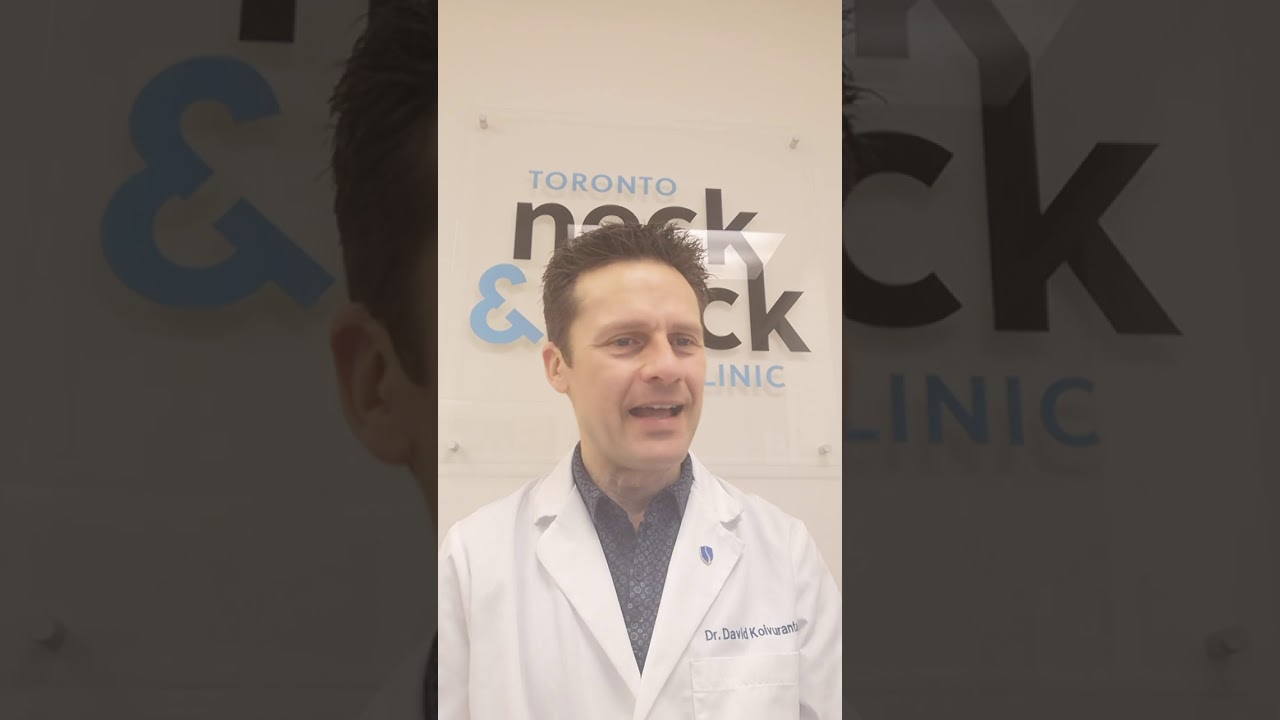
In this 6‑minute daily health update, Dr. Dave (Dr. David Koivuranta) of the Toronto Neck and Back Pain Clinic presents six recent, peer‑reviewed research findings that have practical implications for everyday wellness. He begins with a disclaimer that the video is informational, not a medical diagnosis, and invites viewers to request a written copy. The six topics are: (1) nocturnal blood‑pressure spikes in men are linked to higher Alzheimer’s risk (Hypertension, Feb 2021, >1,000 men, 20‑year follow‑up); (2) vegetarian diets require careful monitoring of vitamin D and calcium to protect bone health (Journal of Nutrition, Jan 2021); (3) initiating exercise later in life can improve cognitive function by up to 14 %, with women gaining greater benefit (Economics and Human Biology, Dec 2020, >16,000 older adults); (4) new fathers experience anxiety symptoms at rates roughly five times higher than the general male population (Journal of Psychosomatic Obstetrics & Gynecology, Feb 2021, meta‑analysis of 23 studies); (5) noisy, low‑green‑space neighborhoods delay teen sleep onset and impair cognition (National Heart, Lung, & Blood Institute, Jan 2021); and (6) excessive smartphone use is associated with musculoskeletal problems in the neck, shoulders, arms, and back among university students (Work, Jan 2021). For each finding Dr. Dave offers brief, actionable take‑aways—monitor night‑time BP, ensure adequate vitamin D/calcium, stay active, acknowledge paternal anxiety, consider environmental noise/green space, and take regular breaks from devices. He closes with encouragement to stay engaged with the clinic’s daily video and written updates.
Chapters
Hello everyone, it's Dr. Dave. Hopefully you're all doing well, enjoying your week, staying healthy, being careful out there. Coming at you on behalf of the Toronto Neck and Back Pain Clinic with your Wednesday daily health update for March 10th, 2021. I'm gonna share with you 6 areas of health and wellness today based on the latest research and literature. Somewhere around this video you can magically read through all 6 areas. However, if you would like a copy, you can DM us on social, send us an email to the clinic, and/or give us a call We'd be happy to get that to you. Not going to treat, diagnose, prevent, or cure any illness or disease with our time together today. However, you just never know what your body is capable of when you start making decisions based on some supportive health and wellness information. So keep digging, keep looking, and stay well. It's time and effort always well spent when it comes to your life. There is an article here on, in the journal Hypertension, February 2021 that looks at Alzheimer's risk increasing if a man's blood pressure rises at night. So, uh, that's a specific kind of tracking of that blood pressure, and not just being high, but even if it's high or low but gets higher at night, there could be a correlation with the onset of Alzheimer's disease based on this data collected from over 1,000 men over 2 decades. So you may want to look into that just for interest's sake. The Journal of Nutrition, because what we eat is so valuable to our well-being, January 2021, they looked at switching to a vegetarian diet, but then cautioning you may wanna be careful about your vitamin D and calcium intake. So if you switch to a plant-based diet, you wanna make sure that calcium and vitamin D intake are adequate because chronically low levels of those can be detrimental to your bone health, and we want to keep those bones healthy. Vitamin D and calcium also very active in other ways in the body. So, uh, definitely want to ensure you're getting enough of those. And now that the sun is peeking out a little bit longer and a little bit stronger, uh, we can take care of some of that vitamin D requirement very naturally. Economics and Human Biology, an interesting combination for a journal or a report that came out in December 2020, looked at exercise and fitness. But again, not just for the body, not just for the heart and lungs, but how it affects your thinking skills. This may be motivation for me to do some, even do some more exercise than normal. An analysis of long-term data concerning over 16,000 older adults found that individuals who started exercising later in life experienced improvements in cognitive function by as much as 14%. They have found that physical activity has a potential direct protective effect on cognitive decline and dementia, and women actually benefit more than men. So If you're active now, but maybe not as active as you could be, or if you're not active now and you start getting active, especially if it's a little bit more in the second half of your life per se, then it may really help with that quality of cognitive function and maybe creating a decline in any kind of onset of dementia, which would be cool. So another good reason to stay busy and active. Anxiety, according to the Journal of Psychosomatic Obstetrics and Gynecology, February 2021, can be common among new dads, probably common among families in general. It's a challenging and beautiful time, but sometimes even the happiest things can be a little bit anxiety-provoking. A review of findings from 23 studies suggests that about 10 and 10.7% of new dads experience anxiety-related symptoms, and that's a rate nearly 5 times greater than is typically seen in the general male population. But, um, that may be interesting to read and there may, you may go a little more in depth into that. But, um, dads, you can rest assured you're doing a good job. Just be your best self and, uh, your children will benefit from simply even that effort. And, uh, just know that being a dad or a mom is not always easy, uh, but you are gonna do the best that you can and it's okay. All right. Um, noisy neighbors. In a noisy neighborhood could hamper teen sleep, according to the National Heart, Lung, and Blood Institute, January 2021. Of course, those teens are probably pushing the limit sometimes on the amount of sleep, or maybe not. It depends how long, uh, your teen might be sleeping in, or if you are a teen, how long you're sleeping in. But in areas with more noise pollution and fewer trees and parks, uh, those teens take longer to fall asleep than their peers from quieter, greener neighborhoods. So for adolescents, the harms of insufficient sleep are wide-ranging and include impaired cognition with their thinking skills and engagement in antisocial behavior. So the findings from this study suggest that the neighborhood noise and green space may be important targets for interventions, especially in those cases. And finally for today, on your Wednesday, from the journal Work, January 2021, they looked at smartphone addiction and musculoskeletal problems. Questionnaires completed by university students revealed that excessive smartphone use is associated with an increased risk for musculoskeletal issues in the neck, in the dominant hand and arm, as well as the upper back and lower back. Far-reaching effect from using these, um, in these technological gadgets of ours, a cell phone specifically here, smartphone, um, but also probably from tablets and other such, uh, things we can hold in our hands for long periods. So we just want to watch how we're doing that and take breaks probably as often as we can. All right, so, uh, enjoy the rest of your Wednesday if you're seeing this on a Wednesday, and enjoy yourself whenever you happen to come across this daily health update. Know that we have them for you, the video format, Monday through Thursday, and on Fridays. And along with those videos on the other days, we always publish a written format for you as well. So stay tuned in, turned on, tapped into some good information, and it'll support you on your journey in creating those great experiences you want in your life every day, because your life does happen through you, including your body. And when it's healthy, you're just more likely to have more fun each and every day staying well. So keep up the good work, enjoy yourself, and I'll catch up with you tomorrow for the next daily health update on Thursday. Take care.