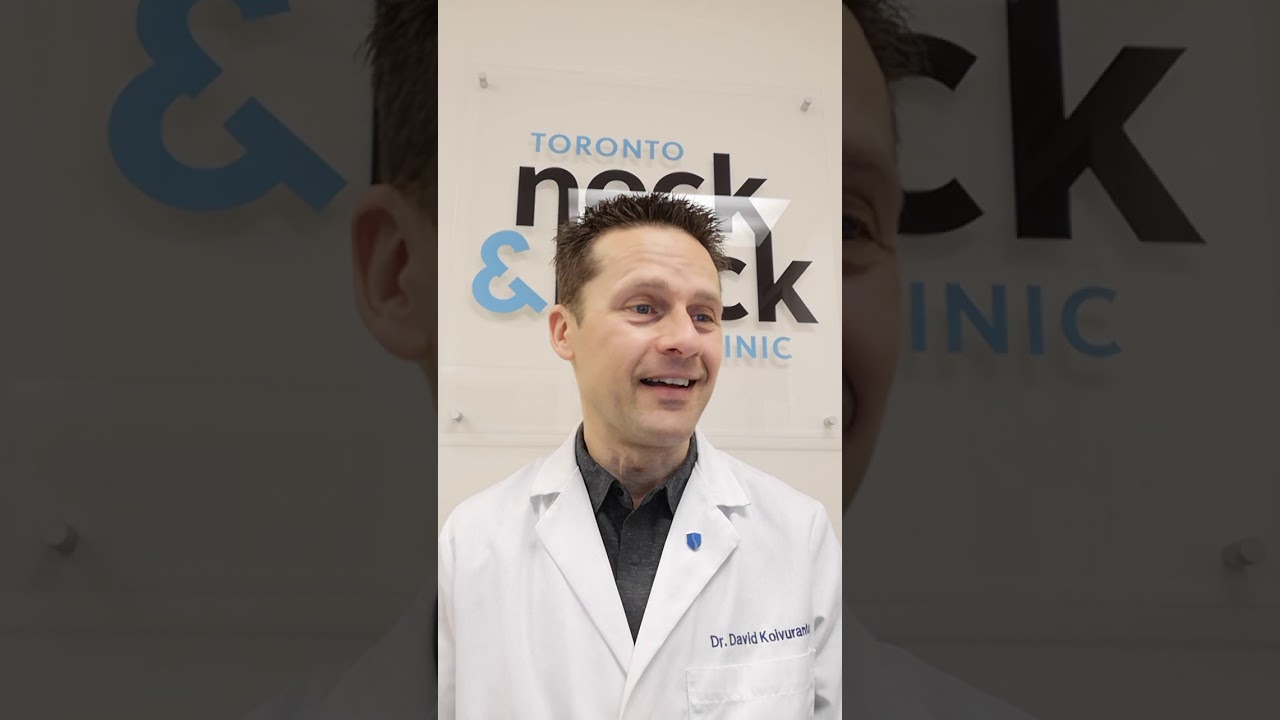
In this March 17, 2021 daily health update, Dr. David Koivuranta of the Toronto Neck and Back Pain Clinic delivers a concise, motivational briefing covering six evidence‑based health topics. He begins with a disclaimer that the video is not medical advice, then highlights recent research: (1) a February 2021 American Heart Association study identifying obesity as the most common risk factor for diabetes; (2) a March 2021 Journal of Cosmetic Dermatology report linking low vitamin D levels to adult acne and recommending testing; (3) a December 2020 Experimental Gerontology study showing that adherence to a Mediterranean diet improves memory and thinking in older adults; (4) WebMD’s February 2021 workout‑success guidelines emphasizing consistency, realistic goals, social support, timing, and patience; (5) a February 2021 George Washington University briefing on reducing workplace distractions through single‑tasking, planning, and limiting social media, noting the cognitive cost of interruptions; and (6) a January 2021 BMC Musculoskeletal Disorders analysis of 35,000 low‑back‑pain patients revealing frequent comorbid musculoskeletal complaints and advocating a holistic, integrated paramedical approach (chiropractic, osteopathy, massage, acupuncture, reflexology). Throughout, Dr. Koivuranta frames the information as practical steps listeners can take—checking vitamin D, adopting a Mediterranean diet, setting fitness goals, focusing at work, and seeking comprehensive care for back pain—while maintaining an encouraging, supportive tone. He concludes with a brief preview of upcoming updates.
Chapters
Hello everyone, it's Dr. Dave. Hopefully you're all doing well, enjoying your week. You made it halfway, congratulations. Coming at you on behalf of Toronto Neck and Back Pain Clinic with your daily health update for Wednesday, March 17th, 2021. Happy St. Patrick's Day. No green anywhere to be seen and no luck coming my way, but hopefully it's all coming your way. And we'll share some health and wellness luck with you maybe through some of our research and literature today. As always, we'll share with you 6 areas of health and wellness somewhere around this video. You can read through all 6 areas, and if you'd like a copy, you can DM us on social, send us an email, give us a call. We'll be sure to get that to you. Not gonna treat, diagnose, prevent, or cure any illness or disease with our time together today. However, when you stay plugged in to some of the sharing that we provide and the caring that you're looking for, uh, each day you can start heading in the direction that you'd like to go in if you're not already. And if you are and things are going well, we will provide you momentum to keep that direction going. So good on ya as always for being here. The Journal of the American Heart Association, February 2021, says that obesity is the most common risk factor for diabetes. And you can read through that on the health update as well. The Journal of Cosmetic Dermatology, March 2021, talks about the connection between vitamin D and acne, and that adult acne, there may be a connection between low vitamin D levels. Good to get those vitamin D levels checked with your yearly or biannual, biannual, every 2 years, right? Physical. In Ontario, you do have to pay a little bit extra to get that done, but doesn't hurt to see where those levels are at. Talk to your doctor. According to the Experimental Gerontology Report, December 2020, Mediterranean diet can help thinking skills later on in life. They looked at a group of 500 older adults, and the researchers observed that those who most closely adhered to the Mediterranean diet An eating pattern that's focused on eating fruits, vegetables, nuts, fish, olive oil, and whole grains while avoiding red and processed meats, dairy, saturated fats, and refined sugars scored higher on assessments of their memory and thinking skills. One of the most researched diets in the world perhaps, and certainly one that we espouse here to help get even inflammation down or to promote healthy inflammation in the body when people have neck and back pain, but has a lot of positive side effects. It's one of the most well-rounded diets in the world, perhaps. Good to look into, might be a good fit for you. Of course, talk to your doctor and/or a nutritionist, especially a holistic nutritionist and/or naturopath. Workout success tips according to WebMD, February 2021. Quite often when you search anything health-related, you'll come across WebMD. Sometimes they have some good tips. To get the most from a fitness routine, they say that, uh, you should be consistent, Set some realistic goals, exercise with a buddy, have a plan that fits your life, follow your body clock by working out when you have the most energy, and be patient with your results. So good to have a short-term goal, an idea of what you're working on currently, but also to have a long-term goal so that you can readjust your goals, and once you accomplish something, you still have something to work towards. So it's nice to set up that plan, but then it's the actionable items, it's the implementation on a regular basis that really creates the results. So don't be hard on yourself, it is a journey. It never ends taking care of yourself, including the fitness. You will see some changes and improvements, but just know that the process is a lifestyle approach. It's just like eating broccoli. You don't eat it once and benefit your whole life. All right, there's always an ongoing level of effort, commitment, and process there, but it can be fun and enjoyable. Just find something you enjoy to do, hopefully. And one of the things that may help is avoiding distractions. According to the George Washington University, February 2021, they recommend the following to reduce distractions at work. Focus on a single task, like, um, versus multitasking, and it can reduce productivity and result in sloppy work. Maintain a planner and work calendar to free your mind of the stress of remembering appointments, and limit social media usage as it interrupts creative work time and productivity. Some reports say that while you're focused on a task, if you are interrupted, it takes a certain period of time, many minutes, sometimes up to 20, I think, depending on the nature of the disruption, for you to get fully refocus. So multitasking, one report some time ago noticed that it was akin to the same level of brain function as someone who had somehow been exposed to THC. So that's just something I read. So I'm sharing it with you. Just saying. Multitasking. I think if there's nothing on the line, this is personal opinion, and you need to get some things done, that maybe multitasking can be efficient and effective depending on what's in the mix. However, if there is something that needs to get done efficiently, quickly, and with good quality, you cannot beat focus. Be like a laser beam and get those things done. And the other thing you want to have laser beam focus with is low back pain. And when you focus on a proper treatment approach and you engage and embrace it and follow the steps, sometimes doing less than actually doing more, you can actually get better. The BMC Musculoskeletal Disorders journal, January 2021, 2021 talked about not only low back pain, but people with low back pain typically have other musculoskeletal complaints. They looked at 35,000 patients with back pain that lasted 4 weeks or longer, and those ones usually had at least one other area of discomfort, quite often the neck or the extremities, the arms or legs. Past studies have shown that issues in the lower back can contribute to or be the result of dysfunction elsewhere in the body, underscoring the importance of a thorough exam when a patient seeks care and that each issue may need to be addressed to achieve a satisfactory outcome. Sometimes working locally can help with relief where the pain or the discomfort of the problem seems to be. However, working regionally and having a more holistic, probably a broad-based approach and assessment that involves how that whole body is connected and working with habits and patterns is maybe a better long-term resolution so that low back pain doesn't recur and potentially become chronic. And that's the mainstay of some of the paramedical services, is that integrated kind of holistic approach and knowing that yes, we need to get relief, we want to get it efficiently, but what can we do to ensure that that relief is not temporary and that we're actually dealing with the cause or source of the problem? And that can sometimes be away from where you're feeling the discomfort. Hard to believe, sometimes hard to embrace, but when you follow that strategy and you do get the results, you quickly become a believer. And that's the experience with most patients when— and clients when they go to a paramedical provider. Chiropractic and included, but that also includes osteopathy, massage therapy, acupuncture, and the like. I apologize if I've forgotten anybody. Reflexology. There's just so many out there, and all of them bring something beneficial to the table. So, um, the bottom line is do get as good as you want to get by finding and obtaining the services that make the most sense to you and following them as closely as the person you're working with is suggesting to get the results that you would like. Week, right? Seems like a very safe approach to me. All right, that's your daily health update for Wednesday, middle of the week. Get excited, it's warming up, people in the northern hemisphere. So, uh, weekend is coming soon, you're almost there. We'll be back tomorrow, Thursday, with your last video daily health update for the week. We'll give you a written format on Friday, and, um, I hope you have a great rest of your Wednesday, and we'll see you tomorrow. Take care.