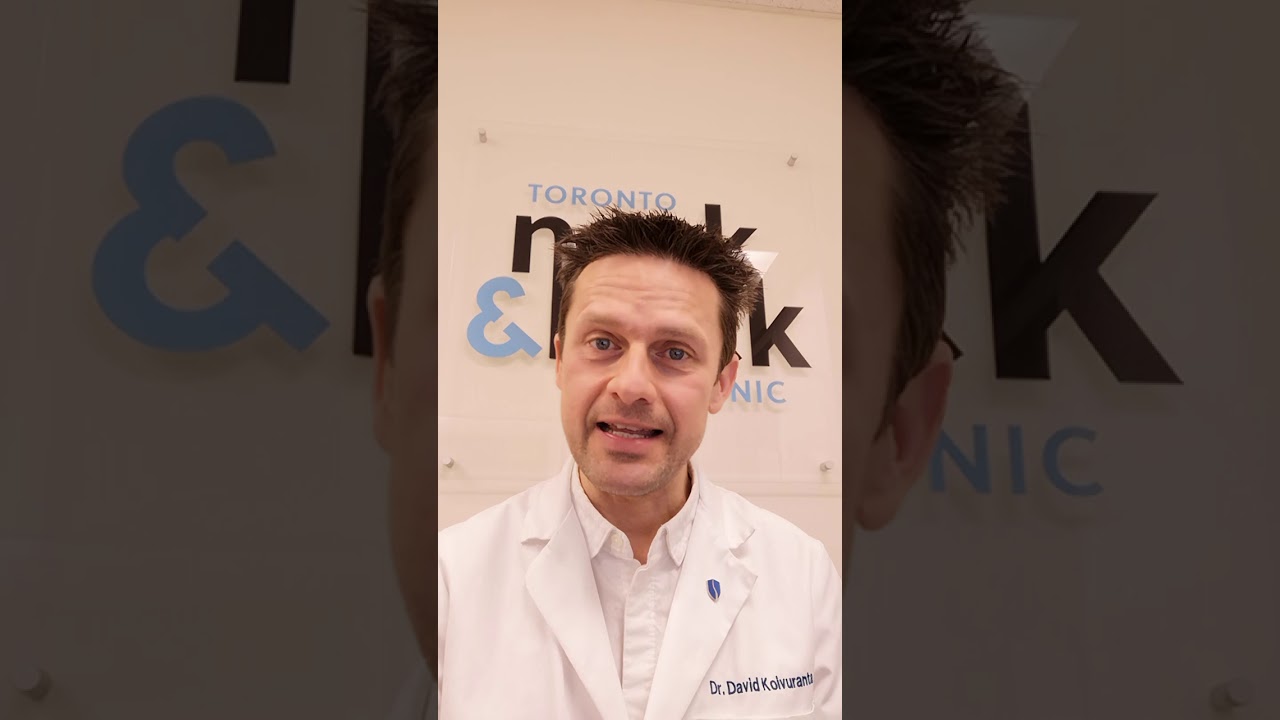
In this concise daily health briefing, Dr. David Koivuranta of the Toronto Neck and Back Pain Clinic reviews six recent research findings that have practical implications for everyday wellness. He first notes a Journal of the American Heart Association study linking certain meat types to an increased risk of dementia, and then highlights an Alzheimer’s Research and Therapy report suggesting the ketogenic diet may support cognitive function in Alzheimer’s patients. Next, he cites a Brazilian national health survey showing that roughly 29% of adults experience frequent sleep problems, with risk factors such as smoking, alcohol misuse, inactivity, hypertension, and excess weight. Complementing this, an American Journal of Men’s Health study demonstrates that an eight‑week workplace physical‑activity challenge improves both sleep quality and duration. He then turns to adolescent bone health, referencing a Korean National Health and Nutrition Examination Survey analysis that found vitamin D deficiency in teens is associated with lower bone mineral density, underscoring the importance of vitamin D, calcium, and vitamin K for building peak bone mass. Finally, he discusses a Brazilian Journal of Physical Therapy study revealing that 1 in 5 adults suffer chronic back pain, identifying older age, smoking, obesity, insufficient sleep, stress, arthritis, and work‑related musculoskeletal strain as key risk factors, and stresses the value of accurate diagnosis, appropriate chiropractic treatment, adherence to recommendations, and seeking second opinions. Throughout, Dr. Koivuranta offers practical lifestyle suggestions, encourages proactive health management, and invites viewers to request a written copy of the update.
Chapters
Hello everyone, it's Dr. Dave. Hope you're all doing well, you had a great start to your week and having a fun Tuesday today. Coming at you on behalf of the Toronto Neck and Back Pain Clinic with your daily health update. It's Tuesday, March 9th, 2021. Gonna look at 6 areas of health and wellness today together with you. Somewhere around this video you can read through all 6 areas, and if you would like a copy, you can DM us on social, send us an email, or call us at the clinic, and we'll be sure we get that to you. Not gonna treat, diagnose, prevent, or cure any illness or disease with our time together today. However, we might just be able to support some of those thoughts, decisions, and actions you're making when it comes to your own health and wellness every day, in which case we can help support some good outcomes for you, whether you're trying to make some improvements and/or just trying to stay healthy, because it is a full-time job and you're just the person to do it. So good on you for being here. Uh, there are some meats according to the Journal of the American Heart Association, February 2021, that are linked to dementia risk. And you can read about those in the health update. The other thing they're talking about when it comes to dieting is the ketogenic diet or nutrition. And Alzheimer's Research and Therapy report, February 2021, says that the ketogenic diet may help Alzheimer's patients. So some good cognitive function support there today, either by including some good nutrition strategies like ketogenic diet or avoiding some things you maybe don't want to eat, like some meats. All right, so again, you can catch those two on the Daily Health Update. The Collective Science and Health Report, February 2021, looked at risk factors for sleep difficulties. Getting a good night's rest is always a good idea. They use data from a national health survey conducted in Brazil, and researchers report that about 29% of adults experience sleep-related problems on at least half of their nights of sleep. Risk factors for sleep troubles include smoking, alcohol abuse, lack of exercise, high blood pressure, and being overweight. So of course, working on those lifestyle factors may improve your sleep, and with improved sleep, it'll probably be easier to work on those lifestyle factors. And, uh, that's an upward health spiral, which is what you want to create in your life, versus the downward health spiral that so many North Americans face, uh, day in and day out, unfortunately. You can work out to sleep better as well, according to the American Journal of Men's Health, February 2021. Following an 8-week workplace challenge to increase physical activities of employees, the researchers observed that participants who increased the number of minutes spent engaged in any intensity of physical activity reported improvements in both sleep quality and duration. So, uh, improve some of those lifestyle concerns. And maybe some of your other habits, and then increase some of that activity that you like to do, or find some activities you like to do, whether it's exercise or otherwise, and your sleep could very well improve, which would be amazing. And while you're sleeping, your body can take care of all its different parts at the cellular level and the tissues, including your bones. According to Nutrition Research, March 2021, analysis from that of data from the Korean National Health and Nutritional Examination Survey regarding over 1,000 adolescents revealed that teenagers with deficient or insufficient vitamin D levels had lower bone mineral density than their peers with healthy vitamin D status. So of course we know vitamin D is one of those things that helps, along with calcium and vitamin K, to ensure that our bones have the appropriate amount, type, and availability of that density that we need to be healthy for our whole life. And you want to build your peak density. The reason it's important adolescence is you build that peak density by your late 20s, and maybe by age 30, give or take. And then after that, it's a question of losing the least amount. So that's why ensuring those healthy bones are taking formation in the teen years, in adolescence, is so valuable. And vitamin D, apparently, according to the research and literature, plays a valuable role with that. Finally, statistically, on a sad note perhaps, but also back to Brazil, where the Brazilian Journal of Physical Therapy looked at back pain, December 2020, they found that 1 in 5 adults chronic back pain. So questionnaires completed by over 1,300 adults revealed that 20% had chronic back pain. Further analysis identified the following risk factors for chronic back pain: older age, smoking, obesity, insufficient sleep, stress, arthritis and rheumatism, and a history of work-related musculoskeletal disorders or repetitive strain injuries. Doctors of chiropractic often address those concerns with specific treatment and exercise and nutritional recommendations. So I've seen statistics as high as 30+ percent, uh, about 80% of the population will have back pain at some point in life, and about 40% of that 80% becomes a chronic pain situation. And although these other factors are obviously important, the research says they are, and they could lead to those cases of chronic back pain, we also know that often misdiagnosis and undertreatment can also lead to chronic back pain. So getting a second opinion, following through on treatment recommendations, being patient, because not all back pain is fixed just like that. Sometimes knowing exactly what the cause or source of that back pain is can allow for a treatment plan that can be followed through with to ensure that not only does it feel better, but it's going to stay that way in the future. So you want to make sure, um, you follow through and have a good diagnosis and the right type and amount of treatment for that back pain, okay? So those are your areas of health and wellness updates from the research and literature today. And we'll be back tomorrow, middle of your week on Wednesday, with some more great information for you. So we'll look forward to chatting with you then. Until then, keep making those good choices, create some great experiences, and take care of yourself. We'll catch you next time. Bye now.