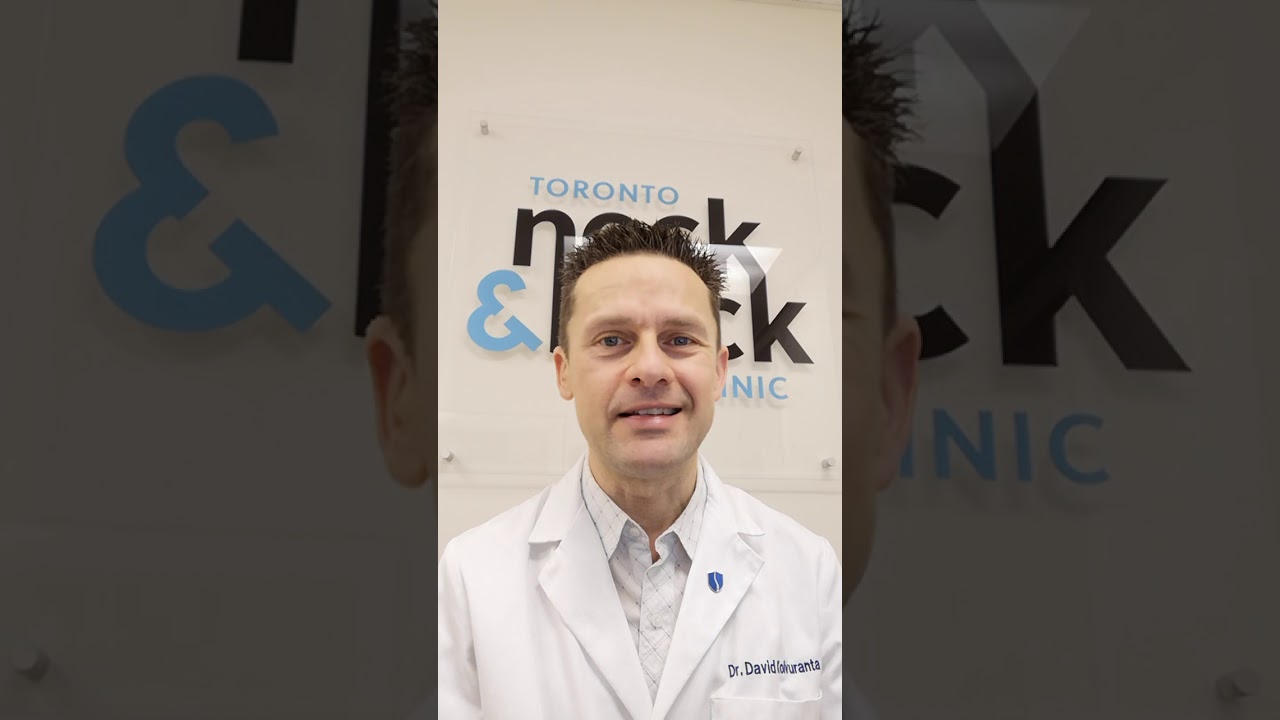
In this 10‑minute YouTube monologue, Dr. David Koivuranta (Dr. Dave) delivers a Monday health‑wellness briefing for patients of the Toronto Neck and Back Pain Clinic. He frames the segment as a motivational “reset” for the week, emphasizing that the information is educational—not diagnostic or therapeutic. Six recent research findings are highlighted: (1) a BMC Medicine study linking sedative use to increased falls and fractures among dementia patients; (2) an Annals of Epidemiology report connecting depression with higher diabetes risk; (3) an American Heart Association assessment showing two‑thirds of adolescents’ calories come from ultra‑processed foods; (4) a Medical Journal of Malaysia survey revealing one‑quarter of elementary students experience headaches, neck/shoulder pain, back pain, or eye strain after prolonged device use; (5) an American Journal of Physiology article demonstrating that high‑intensity interval training (HIIT) improves vascular function more than moderate‑intensity exercise in type‑2 diabetics; and (6) a South African Journal of Physiotherapy trial indicating that high‑velocity low‑amplitude manipulations (chiropractic adjustments) and muscle‑energy techniques effectively reduce chronic low back pain. Dr. Dave intersperses each point with practical take‑aways for viewers—ranging from medication caution, mental‑physical health monitoring, nutrition guidance for teens, screen‑time ergonomics, exercise recommendations for diabetics, to manual‑therapy options for back pain—while maintaining an upbeat, encouraging tone. He closes with a call to action to share the video, stay proactive about personal health, and look forward to the next daily update.
Chapters
Hello everyone, it's Dr. Dave. Hopefully you're all doing well, you enjoyed your January weekend. Coming at you on behalf of the Toronto Neck and Back Pain Clinic with your daily health update for Monday, January 25th, 2021. Hope you enjoy it and you're looking forward to a wonderful week. Gonna look at 6 areas of health and wellness today. As usual, somewhere around this video you can read through all the areas. If you'd like a copy, DM us on social, send us an email, call the clinic, we'll be sure to get that to you. Not going to treat, diagnose, prevent, or cure any illness or disease with our time together today. However, starting a new week, another Monday, we can refocus you, your thoughts, your actions, and decisions around your health and wellness every day just by you simply tuning in, tapping into, and plugging into some health and wellness information based on the latest and greatest in the research and literature. Some factual information that may not even pertain to you, but just because you're hanging out, it will give you a good push in the right direction, set up a positive energy and vibration around your own health and wellness, which is what we need when we're trying to navigate this crazy world of ours on a daily basis to have those great experiences we're trying to look for. So that's why you're here. Good job for being here. That's why we're putting it up for you every day. Spread the word. So, um, BMC Medicine came out with an article November 2020 about sleeping pills and how they're linked to falls and fractures in dementia patients. So you can check out that correlation in the hard copy. Um, there's also some talk from the Annals of Epidemiology December 2020 about depression being linked to diabetes. And that's why it's a reflection or an extrapolation. You can read through that one on your own as well, but important to take care of all our different areas of health and wellness that make this body work. If we look at teens and their diet or nutrition, according to the American Heart Association, November 2020, they did an assessment of 5,500 adolescents and it revealed that nearly 66% of them, that's like two-thirds, of the, oh, sorry, nearly 66% of the calories, 2/3 of the calories consumed by teenagers come from ultra-processed foods such as chips, cookies, candy, soft drinks, and ready-to-eat products. So very high caloric count, very low nutrient value, and not the greatest source of energy or food nutrition for us, especially those developing teens, not good for the body, not good for the mind. So if you have a teen somewhere in your life, you may wanna share some of that perspective with them and help them create a strategy to improve some of the options they may be coming with towards each day. And while you're talking to them about that, you may also want to, maybe on a separate occasion, don't overwhelm them, but talk about the physical problems associated with device use in our children still. The Medical Journal of Malaysia, November 2020, did a survey of 569 elementary school students and revealed that 1 in 4 experienced physical discomfort following prolonged electronic use with the most common complaints being headaches, neck and shoulder pain, back pain, and eyestrain. Now imagine how that's probably increased recently as more students are opting in for virtual learning at home to help protect themselves and their families from the current pandemic, but also because many areas such as ours are in lockdown and the schools are indeed closed with everybody spending more time on those devices. So we want to watch how they're using it and ensure that they're balancing it out with as many breaks and other physical activities as possible. Quick bursts of exercise may benefit diabetics, according to the American Journal of Physiology: Heart and Circulatory Physiology, November 2020. In that article, they look at high-intensity interval training and how with type 2 diabetics, they get better improvement or more improvement in blood vessel function with HIIT, their HIIT exercise, than from longer duration and less intense exercise. So that's good to know, especially if someone close to you or yourself has diabetes, developed diabetes, in life. Finally, the South African Journal of Physiotherapy, October 2020, looked at common manual therapies to reduce chronic low back pain. The results from a recent study included 10 chronic back pain patients, and it showed that both high-velocity, low-amplitude manipulative therapy, like a chiropractic adjustment, as well as muscle energy techniques, are effective interventions for reducing pain and improving joint function with chronic low back pain. And using a combination of those therapies, uh, will help to reduce pain and disability in patients with low back pain. And we see that every day here, gratefully, thankfully, at the clinic. So if you or someone you know is looking for some help or some direction with that low back pain, there's definitely some self-care you can do, the exercises, the stretches, many other forms and techniques involved. However, to address that specific low back spinal dysfunction component, chiropractic adjustment might just do wonders. So there's your daily health update to start your week on a Monday. I hope you have a pleasant day. Go out, share some smiles. You can do it. It's gonna be a great week. Take advantage of it and get out there and make a difference and try and keep yourself foremost in your mind when it comes to your health and wellness as well so you can get all those other things done that you wanna get done during the week, all right? When it comes to health and wellness, you can't go wrong being a little bit greedy and a little bit competitive, and that will support the people around you as well when you take care of yourself. So good on you for being here, and I hope it pays you dividends now and in the future, all right? Enjoy. I'll catch up with you tomorrow. Take care.