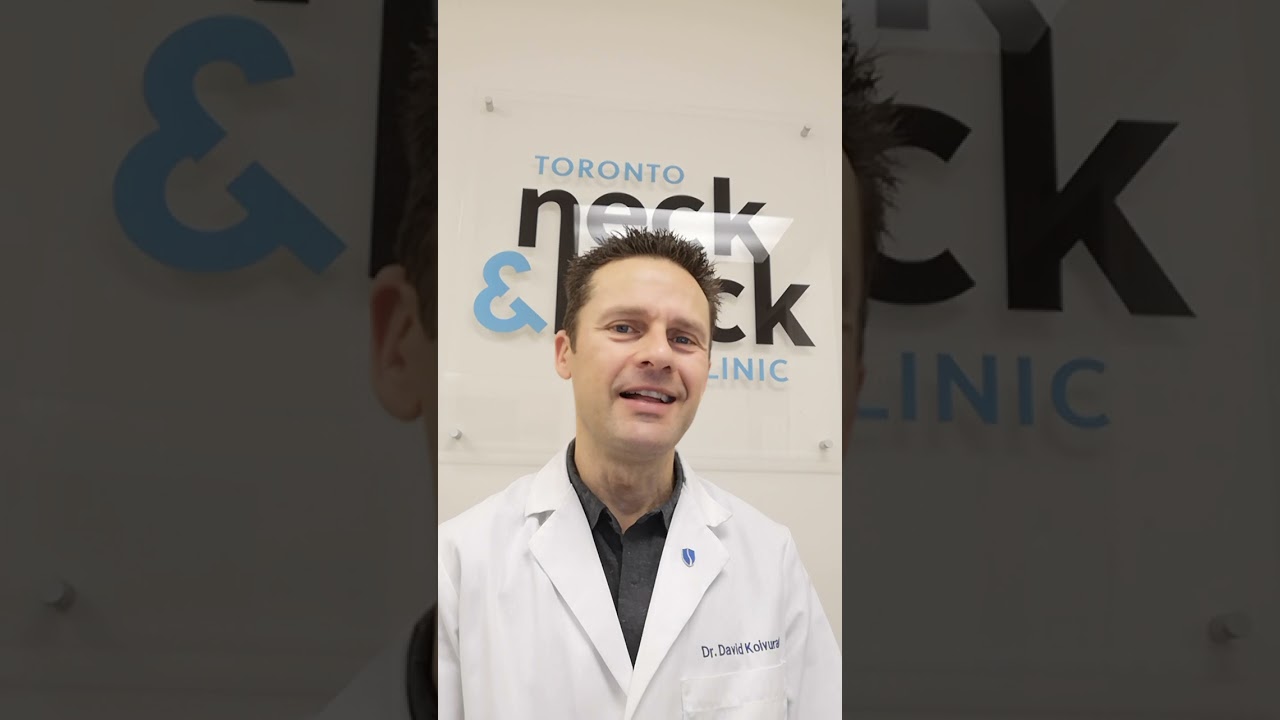
In this November 2021 weekly health update, Dr. David Koivuranta of the Toronto Neck and Back Pain Clinic reviews recent research and offers practical wellness advice. He highlights a Taiwanese study linking neck injuries to a 90% increased risk of carpal tunnel syndrome, emphasizing the importance of neck assessments when hand symptoms appear. He then discusses a small In Vivo study showing that adding joint mobilization to conservative care improves pain, range of motion, muscle strength, and walking ability in knee osteoarthritis patients, underscoring the value of manual therapy for joint health. Drawing from an Entrepreneur article, he lists broad lifestyle recommendations—laugh, socialize, manage stress, exercise, keep learning, eat well, relax, and attend routine health checks. He cites a Journal of Experimental Social Psychology finding that viewing leisure time as waste correlates with lower happiness and higher anxiety, urging non‑negotiable leisure for mental well‑being. A BMJ study is referenced to suggest that mentally demanding jobs may lower dementia risk by reducing harmful brain proteins, reinforcing the benefit of cognitive stimulation. He also shares a Nature Sustainability study indicating that children and teens living near woodlands are 16% less likely to develop behavioral or emotional problems, promoting nature exposure. Finally, he warns about child injuries from toppled furniture/TVs, citing Injury Epidemiology data (≈19,000 ER visits annually, half involving head/neck injuries) and advises anchoring heavy items to prevent accidents. Throughout, Dr. Koivuranta balances evidence‑based insights with actionable tips, encouraging proactive health monitoring, regular movement, mental engagement, nature contact, and home safety.
Chapters
Hello everyone, it's Dr. Dave. Hopefully you're all doing well, having a wonderful start to your November. Coming at you today on behalf of the Toronto Neck and Back Pain Clinic with your weekly health update for the first week of November 2021. I'm going to share with you some of the latest and greatest in the research literature from the past couple of months when it comes to your health and wellness, some tips and just some interesting facts and figures. And we're not going to treat, diagnose, prevent, or cure any illness or disease with our time together today. However, we'd we may just share something that gets you thinking about your own health, your own decisions today about your health and wellness, and maybe for those around you as well. So always time and effort well spent hanging out with us on the weekly health update. Injury to your neck— a person's neck can increase the risk for developing carpal tunnel syndrome, according to the journal Archives of Physical Medicine and Rehabilitation. That's from August 2021. They looked at data from the Taiwanese National Health Insurance Research Database, and the Individuals with an injury that affects the function of the neck may have up to a 90% increased risk for developing carpal tunnel syndrome. The finding adds to a growing body of research showing that interference of nerve function along the course of the nerve in the arm from the neck can elevate one's risk for carpal tunnel syndrome. So when you have some symptoms— numbness, tingling in the arms, hands, and fingers— good to get those arms, hands, and fingers checked, but you may want to also have an assessment of the neck done to to make sure that nerve right from the top to the bottom of that arm is working the way that it's supposed to, interference-free. So that's a good suggestion for those of you that have maybe injured your neck even, and it feels fine or you have recovered, but it doesn't hurt to have it checked to make sure you restore the function, to make sure everything is sitting and moving right, to decrease the likelihood of future complications from something that has seemingly recovered and feels better, but may not actually have recovered some of the function that it needs to stay healthy. Switch from the spine to the knee. In Vivo, June 2021, talks about a small study that included 15 patients with osteoarthritis of the knee, and it found that adding mobilization to a conservative treatment therapy plan resulted in a greater improvement with respect to pain, range of motion, hamstring peak muscle force, and walking ability. Of course, there are many manual therapists who are well-versed in the conservative care of knee osteoarthritis, and that may include the use of mobilization and/or manipulation therapies to help with the function of the knee. So you want some knee relief, there might be some wear and tear, but if you can improve the alignment, the structure and function of that knee, it could slow, stop some of the wear and tear potentially, but hopefully initially of course help make it feel better and keep you doing what you need and want to do every day. And that story about knee function goes well for most of the joints and parts in your body. You just want to keep them sitting and moving right as long as possible. So good to get them checked. Definitely if they're sore, there may be a component— quite often there is— of something not sitting or moving right. But even if they're not sore, it doesn't hurt to get checked because manual therapists can determine if something isn't sitting and moving right, maybe before it even becomes problematic or symptomatic. The journal Entrepreneur, September '21, talked about some general tips to stay healthy, um, and in top shape. They say find ways to laugh, be more social, manage stress, exercise regularly, continue to learn, eat a healthy diet, make time to relax, and make sure to get routine health checkups and screenings. All good stuff. Sometimes we just need a reminder and/or some motivation to get out there and continue pursuing the support of what our body's trying to do every day, take care of itself. And, uh, it really doesn't need any help. It just doesn't need the interference. So some of our efforts go towards making sure we're not getting in the way of our body being healthy and well. And sometimes trying to get that activity into our life and maybe even rest or take some downtime can actually make people feel guilty and affect their mental health. According to the Journal of Experimental Social Psychology, August 2021, individuals who feel that leisure time is wasteful tend to be less happy and more depressed, anxious, and stressed than their peers who enjoy their free time. Good to make some non-negotiable time in your schedule for you to be able to either go do something that you love or want to or have meaning to do and/or just chill and not feel bad about it. You definitely deserve it. And if we really thought about it, you probably need it. We all need it. And our bodies just do well with some rest even during our waking hours, especially if some of us aren't getting enough sleep during the time that we're trying to get some rest. So, um, we are busy during the day as we just talked about and maybe trying to look for some rest, but we also want to stay engaged. It's Good to be doing something meaningful. And the British Medical Journal in August 2021 said that if you have a mentally challenging job, it may actually help prevent dementia. They've discovered that a mentally stimulating job can reduce levels of specific proteins that block brain cells from forming new connections, which may help postpone or even prevent dementia. They say that this is an important study and it adds to the body of research that suggests cognitive stimulation is good for the long-term health of the brain. While the jury is still out on the exact lifestyle recipe for dementia risk reduction. There are things we can do today that may decrease our risk of cognitive decline as we age. Eating a heart-healthy diet, exercising regularly, and staying cognitively engaged are just a few. So if we want to stay sharp for as long as possible, uh, it's good to have some stimulation to our brain, positive activities, not only with our bodies but also with our minds and the things that we engage in, think about, and do. Every day. So try and have fun with your work as best you can. Um, interestingly, uh, getting out and exercising or having activity is good because of the movement component and the stimulation we just talked about, even to our nervous system. But where we do it can have an effect, and even how we live. And this is an example with young people from the journal Nature Sustainability, July 2021. They talked about living near woodlands and how that can promote mental health. The recent study looked at over 3,500 children and teens, and they found that participants who lived near woodlands were 16% less likely to develop behavioral or emotional problems over the following 2 years. That finding adds to a growing body of research that regular exposure to nature can provide a number of physical and mental health benefits. I think during the last, uh, 18 months to almost 2 years now, people have been getting out into nature a bit more because it was one of the things we could safely do with everything that was going on. And it very well was good for us. And hopefully that trend continues with people getting out and doing some hiking, some walking, being in nature, maybe camping, and just experiencing some of the beautiful parts of the world we have that are less urban, perhaps more rural. Finally, one tidbit that comes up almost every year at some time during our health updates based on different research and reports. This one from the Injury Epidemiology Report, August 2021, is about toppled furniture and TVs and how that sends children to emergency rooms. They did an analysis of federal data in the United States, and that on average about 19,000 children are treated in the emergency room each year for injuries associated with toppled over furniture and TVs. According to researchers, nearly half of these injuries are to the head or neck, and the majority of accidents involve children younger than 6 years of age. Some families may not think that heavy furniture or TVs can tip over, but they do, and when this happens, the injuries can be very serious and even threatening. It only takes a few seconds for a child to pull out a drawer to climb up, causing a tip-over. By taking a few minutes, few minutes to anchor furniture and TVs in your home, you can prevent these injuries from happening to children in your life. So the little package that comes once you've assembled everything, the headache of putting together what it might be and/or getting it delivered and installed, you want to make sure you do that last step before you equip whatever it is or you use whatever it is you might be putting up and ensure there's an anchor anchor placed into the wall so that has zero chance of falling over. We, we don't really realize sometimes what interesting thing can occur when we're doing what we do on a daily basis, especially with children. And if, unless we're really creative, we might think, we might not think that anything would happen or could possibly occur that would cause that thing to tip over or fall or come unlocked or dislodged from where it is. But believe it or not, it does and it can. So good to use those anchors. Just a good safety tip. All right, so that's your weekly health update for this week. Hope you enjoyed a little bit of information, a little bit, some things to think about, and hopefully you're doing well. Enjoy the end of 2021. Yes, it's coming quickly. Stay warm, take care of yourself, and be well. We'll catch up with you next week for the weekly health update. All the best.