
Weekly Health Update by Toronto Chiropractor Dr David Koivuranta in Davisville.
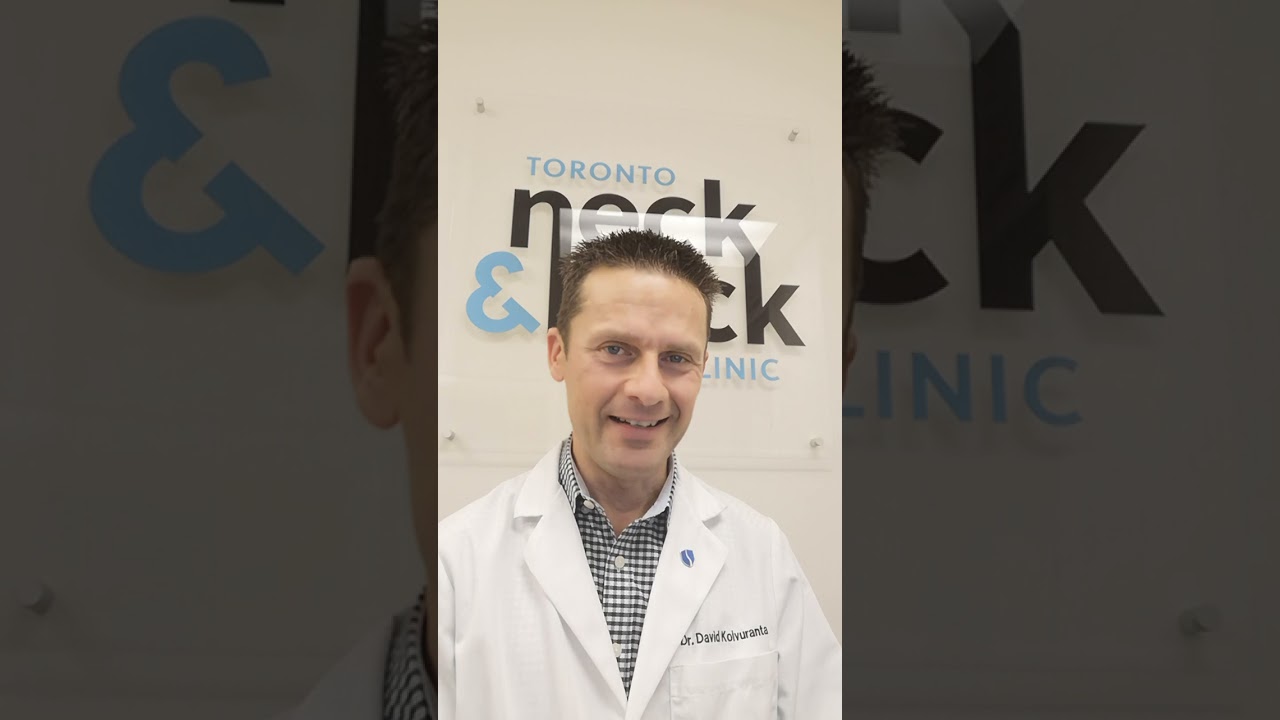
Dr. Dave Koivuranta reviews recent research on supplements, diet, neck pain, and adolescent health. High-fat diets increase gut dysbiosis and atherosclerosis risk, while the Mediterranean diet supports heart health. About 90% of high schoolers experience back pain, with lower rates among more active teens.
Chapters
Hello everyone, it's Dr. Dave. Hope you're all doing well, staying healthy, enjoying each and every single day as best you can. Coming at you on behalf of the Toronto Neck and Back Pain Clinic with your weekly health update for sometime here in October. I think we started the week of the 18th, so we're going to look at some of the interesting news, research, and literature over the past few months when it comes to health and wellness. We'll have a bit of a vitamin focus today, uh, We have some information on your gut and diet, and of course some neck pain and back pain, especially in teenagers perhaps. So a little bit of that kind of focus. Not gonna treat, diagnose, prevent, or cure any illness or disease with our time together today. However, the purpose of the weekly health update is to give you an opportunity to listen to a little bit about something in health and wellness that might stimulate your own thoughts, decisions, and actions so that you can support the those things you'd like to create when it comes to your health and wellness, whether that's to improve or get something better if need be, and/or simply trying to keep things as well as they can be. Of course, your health is always a good investment, never any time or money wasted when you're trying to make good of what your body's capable of when it comes to taking care of itself. And you might even learn some things that help take care of those around you if need be. So one of the things we're going to look at is vitamin C. We all know about it, we've all heard about it. Our body doesn't manufacture it. It's an essential vitamin vitamin. Sufficient intake is associated with reduced risk for chronic disease, iron deficiency, gout, high blood pressure and heart disease, improved immune function, and some protection against age-related declines in memory and cognitive function. That comes from the Healthline report, July 2021. So you will get enough if you eat some good fruits and vegetables. Uh, some debate about whether or not to supplement, as has always been and probably will be the case. Water-soluble, so your body doesn't store relatively benign and can pass through. So you may want to do your own research, talk to your qualified healthcare provider to see whether or not vitamin C is something you need or want to add to your routine. Readily available in most pharmacies, so you can even talk to the pharmacist if you like. But if you really want to try to customize, individualize, and personalize any of these approaches today when it comes to supplementation or diet, you may want to talk to a nutritionist, a holistic nutritionist, and/or a naturopathic doctor can help steer you in the right direction. So for example, this might be a more specific recommendation from the American Journal of Clinical Nutrition, July 2021, about omega-3s and how they benefit the baby's brain. According to a study that included over 1,500 mother-child pairs, a low intake of omega-3 fatty acids during pregnancy may be associated with lower white and gray matter volume in the brain of the child. The findings suggest that sufficient omega-3 fatty acid intake is important for fetal brain development. So very interesting information there. And of course, if you're looking to conceive, if you are expecting, and/or you have some little ones in the house already or in your world, you may want to again do some research, talk to a qualified healthcare provider, and get some help to ensure that you're accessing the nutrients from your diet that will help get these essential nutrients, omega-3 being one of them as well, into your diet. But also if supplementation might be of benefit. Can find out, but always good to put it specifically into your situation. Vitamin D is another one, and we know it's good for our bones and maybe some other things, including reducing the risk potentially of young onset colorectal cancer. Following an analysis of data from the Nurses Health Study II, researchers report that a daily vitamin D intake of 300 international units or more can cut an individual's risk for colorectal cancer before the age of 50 years. In half. That's from the journal Gastroenterology, August 2021. So good to know, especially if you have a family health history of colorectal cancer, more common typically in men, and, uh, it's happening younger and younger. And this younger onset may have a link to vitamin D to some extent. It's not the sole factor, but it could be playing a role. So again, good to talk to your doctor and to Vitamin D is one of the things you can have assessed in terms of its levels. There's always debate, as there were with vitamin C and with omega-3, probably, as to whether or not even if it's low that you need to supplement. Believe it or not, some people would argue, um, but it is up to you to do the research, the groundwork, the legwork, and then work with someone to help you with your perspective on how that may or may not be concerning to you or perhaps someone in your life. Next supplement we'll look at are B vitamins, and they can help keep your brain healthy. According to Nutrition Reviews, August 2021, a review of data from 95 published studies found that supplementing with a B vitamin complex can slow cognitive decline in older adults. So certainly B vitamins are very good for the nervous system, and, um, this brings to light— we can extrapolate some information by looking at these 4 supplements that we just talked about— that at different stages of development, our own growth and development, and different stages of what might be a health concern that develops, or we may be predicting for the future. We may want to change our protocol through life as to what supplements we're taking or which ones we might be interested in. And again, that's where the navigation can get a little bit tricky, but still very worthwhile. And you may want to work with a healthcare provider in that respect. Once again, teamwork is always good so that it can be customized, individualized, and personalized. Personalized to you. So there's— it's very important to know that there may be options that exist that can make a difference for you and the people in your life. There is research and literature to support whether or not those options might be of value. So again, it comes down to the consumer to decide whether or not they want to pursue those things. The reason we'd want to work with someone again is to customize it, personalize it, and individualize it. However, there's also a strategy with the amount and the quality of those supplements that if we just simply go to purchase retail as a consumer ourselves, we may not be making the most of the strategy that we're hoping for based on what we're trying to achieve. So getting some confirmation on that would be valuable. Next, we're going to look at the journal Science, August 2021. They found a link between high-fat diet, gut bacteria, and heart disease. So a recent study, um, they looked at a high-fat diet, and it can cause inflammation that damages intestinal epithelial cells and can impair the function of energy-generating mitochondria, causing the intestinal cells to produce more oxygen and nitrate. These modifications to the environment of the gut make room for harmful bacteria to grow that release a metabolite that is converted to trimethylamine N-oxide in the liver, and that promotes atherosclerosis. The researchers write that it was known that exposure to a high-fat diet causes dysbiosis, which is an imbalance in the microbiota favoring harmful microbes, but they didn't know how or why that was happening, and they show one way that diet directly affects the host and promotes the growth of bad microbes. Alright, so if, if you're wondering if we should stay away from some of those bad fats and some high-fat diet, It could be good reason to, not just because of weight, and we know that it affects the likelihood or the increased likelihood of heart disease and atherosclerosis. But now we have a mechanism for that. So the science would support that we wouldn't want that to happen because blocking or creating damage to the lining of our blood vessels causes problems. Alright, so no heart disease, no high-fat diet. The Mediterranean diet, which might be a good alternative if you do have a high-fat diet, can also improve cognitive function according to the journal Clinical Nutrition, August 2021. The Mediterranean diet is an eating pattern focused on eating fruits, vegetables, nuts, fish, olive oil, and whole grains while avoiding red and processed meats, dairy, saturated fats, and refined sugars. Following a review of data from the Predimed Plus study, researchers report that seniors who followed the Mediterranean diet for 3 years experienced moderate improvements on executive function and memory assessments. So good for your heart and good for your brain, this healthy diet of ours. We'll take a switch to a more chiropractic, uh, focus perhaps with neck pain and the Physiotherapy Theory and Practice, uh, report from August 2021 looked at the differences in traumatic versus non-traumatic neck pain. They did examinations on individuals with either whiplash-associated disorders or non-traumatic neck pain., and revealed that whiplash-associated disorder patients experience neck pain that is more intense and more widely distributed and exhibit more restricted neck range of motion and experience a greater degree of neck-related disability compared to those with non-traumatic neck pain. So doctors are trained in the diagnosis and management of both traumatic and non-traumatic neck pain, and, uh, there may be different treatment mechanisms that will help focus on the variety of sources of where that neck pain will be— have come from, as well as expectations in terms of outcome and prognosis, so that a person can follow the appropriate steps to recover their health and wellness and their function and get feeling better as efficiently as possible. So good to know that sometimes our neck pain develops just with repetitive use over time, our hobbies, our habits, our work. But other times there's indeed a macro trauma, a blunt for some kind of impact on the neck, like in a whiplash situation, either from sports, car accidents, slip and fall, or other similar traumas. And how those, uh, kinds of pains and problems are approached, uh, can vary depending on the cause or source of that onset. The Lancet Child and Adolescent Health Report, August 2021, looks at too much screen time and how that affects teen mental health and wellness. New research suggests that spending more than 2 hours a day using electronic devices can have a harmful effect on an adolescent's mental health, especially among teenagers who don't exercise. Now, there is some research out there that says the screen time, even in, um, an amount greater than 2 hours, isn't necessarily detrimental, and it may be based on the quality, uh, of that and how that quantity is spread out, perhaps. So there's still a lot of variables, a lot of unknown, but we do want to, like everything else that we get exposed to, enjoy, uh, the benefits in moderation so that even what is good for us doesn't turn into something that's detrimental. And certainly a part of that may be also how we engage it with our ergonomics, our posture, but also what we're watching, and then again how long we're watching with or without those breaks. And maybe without a fitness routine, that impact can be even greater, according again to this research and literature. Finally, back to those teenagers for back pain. According to Minerva Pediatrics, June 2021, they looked at over 200 high schoolers who filled in questionnaires, and it revealed that almost 90% experience back pain at least once during their lifetime, with a reduced incident of incidence observed among those with a more active lifestyle. The finding is important because teens often become more sedentary as they age, which increases the risk of poor health outcomes, including future episodes of back pain. Sometimes our habits, our strategy in life early on, even though we don't feel or notice the direct implications of it are setting the stage for future issues, problems, implications to our health and wellness. And back pain is no different. Sometimes we'll be on in life and living and all is going well until one day we seemingly wake up, bend over to pick up a pencil, put on our sock, go to do an activity that we've done every day, say in the yard or in a sport, and suddenly we have pain and we wonder where it came from. Of course, humans are very temporal and we enjoy cause and effect. We look at what we've done recently, if that onset has happened recently and we want it to coincide with something we've done or something that we know may have had that impact. But the reality is it could be a combination. It could either have been purely from the past and been building up over time and/or multiple events over time that have created that back pain that then shows up. Most commonly, that scenario— those scenarios play out in non-traumatic cases, or if there was a history of trauma that seemingly felt better but created a change in function that surfaced its head later. And then of course there's those traumatic varieties, which we're more likely to be able to create a cause and effect scenario from. We know when they happen because there was an event, but that doesn't preclude the fact that underneath the surface there may have already been a problem that, that trauma then brought to the surface. So some interesting variables there to know and to talk about and to get a good health history with your healthcare provider when you go get treatment for that back pain, because the type of resolution you're looking for may depend on some of those questions and answers about your health history, as well as an exam to find out how well that area is actually sitting or moving now, along with what is causing or the source of the pain, and in this case, back pain that we want to resolve. All right. So take care of yourself in as many ways as you can. Get as much sleep as you would seem appropriate for your life and eat well, healthy diet. Get out there and stay active, move around and have some fun. Be happy every day as best you can. And you're already ahead of the game if you you can do those 3 things. But if you need help, do go out and seek it. There's many good healthcare providers out there. Life is short, you wanna enjoy it to the fullest, and it means having a healthy body, mind, and soul. All right, so hopefully our weekend— weekly health update helps support some of that for you. Thanks for tuning in. We'll be back next week with that weekly health update for ya. In the meantime, take care and stay well.
More from Dr.

What to Expect at Your First Chiropractor Visit | Here Is Exactly What Happens on Visit One

4 Signs Your Back Pain Is Serious (See a Chiropractor NOW) #neckpain #chiropractor





Can Back Pain Go Away in One Visit? Chiropractor Explains #backpain #neckpain

How Long Does It Take to Get Better? Chiropractor Explains #neckpain #backpain


Why Your Neck & Back Pain Keeps Coming Back | Chiropractor Explains #backpain #doctor

Toronto Neck and Back Pain Clinic | Midtown Toronto Chiropractor #backpain #chiropractor #toronto