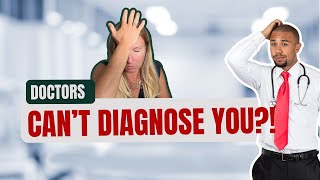
Dr. Diane Mueller explains why doctors miss diagnoses in multi-system illness like chronic fatigue and fibromyalgia. Standard tests have a 67% false-negative rate. She recommends investigating Lyme disease, mold toxicity, hidden infections, and toxic metals with clinicians who use specialized testing.
Questions this video answers
67% ("The first, most common line, like intro test that people are given has a 67% chance of a false negative according to one study.")
Chapters
What to do if your doctor says they do not know what is wrong with you? I'm chronic illness expert Dr. Diane and today we're going to answer this question. So, so many times what happens is people have such a wide variety of symptoms from headaches and migraines and chronic fatigue and fibro and insomnia and joint pain and on and on and on and on and on. And oftentimes there's scary neurological symptoms. So what tends to happen in these situations is people get MRIs, people get CT SC, people get a lot of basic blood work. And maybe there's one or two small little things out of balance. Maybe your white blood cells are a little low, or maybe you have a slight, very slight elevation of a liver enzyme, but it's super minor and you're basically told that there's nothing really going on. And maybe given a watcher weight or maybe there's some small change on imaging and you're basically told it's not disease, you can't label it as a disease. And basically the doc's like, well, it's either in brain is sometimes what people are told, or I don't really know what's wrong with you. So what do you do in these situations? This is when you want to think about disease processes that are very, very systemic. Things that can impact the nervous system, things that can impact the circulatory system. Remember, our nerves and our blood runs through our whole body. Every organ, every tissue, every cell has a impact by our nervous system and by our blood flow. So we want to think then large scale, what are types of can actually cause that level of widespread illness where you can have so many different symptoms. This is where Lyme disease comes in. This is where mold illness is, where other chronic hidden infections, toxic metals and more come in. And the biggest thing is you want to make sure you're getting proper testing. The first, most common line, like intro test that people are given has a 67% chance of a false negative according to one study. And we also see that from a mold illness perspective, most people are tested for mold allergies when it's not a mold allergy, when people have systemic nervous system inflammation, systemic circulatory system problems, systemic widespread inflammation from mold, it's not an allergy, it's from the mold toxins building up in your body. So this is where we need to start thinking. If you're told, I don't know what's wrong with you, your body is talking, your body is the check engine light, your body is that that alarm that is going up, the symptoms are the alarm that's going off that says something needs to be checked. So if you're finding that you are working with somebody that's saying I don't know, then the answer is make sure you find somebody who can run tests that are out of the box that are going to help you find the answers that haven't been found yet. Make sure to show up for my next master class, which you can find in the show notes, in order to ask me questions and get more information and get educated on other ideas of what could be going on with you. I hope you will join me and please do subscribe so you get more videos like this. I'll see you soon.