Dr. Diane Mueller (survivor of mold illness and Lyme disease) describes the frightening neurological-like symptoms of mold illness, shares her own severe experience and isolation, and offers emotional validation plus practical hope—emphasizing that most cases are reversible with the right environment, nutrition, supplements, and removal from mold exposure. She encourages acknowledging emotions, seeking support, and cultivating hope during recovery.
Chapters
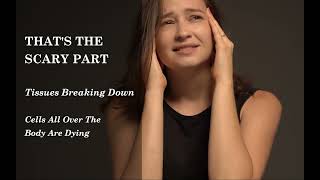
Hey, everybody. Dr. Diane Mueller, Survivor of mold illness and Lyme disease. And in this video, we're going to talk about mold and emotions. Now, one of the things that I think is super important to talk about with this topic is the fact that this is scary, right? Mold illness and the symptoms, I think are some of the scariest things, because they look oftentimes like neurological diseases like ms, it can feel like Alzheimer's and dementia can feel like really, really scary things. When I was in the height of my mold illness, I couldn't walk up and down stairs. Sometimes I'd have to be carried. I thought I was dying. Like, at one point, I just figured I would move to deserted island and, like, rent a cheap hut someplace and just live out my days because I was so sick. And so it was really, really, really scary. And there's so much misinformation out there that makes it even scarier. But here's the scary thing. The scary thing is what's happening to you if you have mold illness and is because your nerves are being inflamed, is because other parts of your body are being inflamed. Tissues are breaking down, cells all over the body are dying. That's the scary part. Now let's move to the better, more hopeful part, which is most of the time, almost all of the time, this is reversible. The body is amazing at healing when we give it the right environment, the right things to heal, the right supplements, the right nutrition, the right mindset, and making sure we're not in a moldy house. So if you're feeling scared and you have mold illness or you have the symptoms associated with moldness, such as depersonalization and brain fog and pain and so many other things, it might feel like you're dying. And first of all, I want you to validate your fear, to, like, actually acknowledge the fact this is real, real freaking scary. There's, like, I think, no way around that for most of us that have gone through this. And what's even crazier about it is most people that go through this most of the time are largely alone. Like, most of people in social circuit, like, in my social network, nobody else had gone through mold illness. Nobody else knew what it was like to be scared to that level every day that I was dying. So I would make sure, you know, one of my messages over and over with this is, be compassionate to yourself. Cut yourself some slack. Make sure you're really talking to yourself as nicely as possible. Your fear is warranted. It's probably inaccurate because you're probably not dying. Like I said, when you find the right treatment, when you really find the root cause, the body is amazing at healing itself. And your fear is valid. It's very, very scary to go through these symptoms and all of that. So start with, you know, one of the things I tell people to consider is start with acknowledging your emotions. Start with just letting them have a voice. Like, if you're scared, it's okay to be scared. I would also encourage you to be hopeful. So to go through your fears, to vent to somebody, to have somebody hold you while you cry, to journal, to cry in the bathtub, to cry yourself to sleep, to whatever it is, get it out. And then also take some time to be hopeful about the fact that people do reverse mold illness all the time. And even when there's very scary neurological things happen, there's a lot of times this is fully recoverable. I was so sick, I thought I was dying. I am now in my 40s. I run, I snowboard, I do things that were completely off the table for me. I feel great almost every day of my life. And I have tons of energy. And you can do it. So acknowledge those emotions, allow them to be. And also work as much as possible to find that beacon of hope inside that helps you through those hard days, that really helps train your body and your cells that there is hope for healing, there is hope for recovery. I'm Dr. Diane. Subscribe to this channel. If you've enjoyed this and I'll see you.