Dr. Diane Mueller (YouTube video) explains detoxification for mold-derived mycotoxins and toxic metals, emphasizing that the liver excretes many toxins into bile which is largely reabsorbed (~95%), creating enterohepatic recirculation. Binders are presented as key tools to capture bile-associated toxins in the gut and prevent reabsorption. She names and characterizes several binders: cholestyramine (pharmaceutical, broad-spectrum), activated charcoal (preferably coconut-husk derived; binds certain mycotoxins and metals), chlorella (binds mold toxins and metals but may be contaminated if not third-party tested), and zeolite (binds trichothecenes, metals, ammonia, and bacterial endotoxins). Practical recommendations: combine binders for broad coverage (molds, metals, bacterial toxins, pesticides/glyphosate), use reputable/purity-tested products, and titrate slowly to avoid inflammatory Herxheimer reactions from detoxing.
Chapters
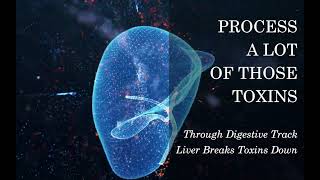
Hey, everybody, it's Dr. Diane Mueller again. Welcome to this particular topic on mold and on toxic metals. In this particular video, we're going to talk a little bit about detox and about the good and the bad and some of the things you should be thinking about. So when we're detoxing from mold, from the toxins from mold, as well as the toxins from metals, we process a lot of these toxins through our digestive tract. So our liver breaks the toxins down. The liver puts the toxins in into the bile. The bile goes into the small intestine, and eventually, if things go well, we end up pooping out our toxins. How wonderful is that? Now, what is possible and actually common? We reabsorb about 95% of our bile and our toxins are attached. Right. So we reabsorb the bile, we reabsorb the toxins. What winds up happening is they recirculate and recirculate and recirculate. So binders are really important. And I'm going to talk about some different binders here today. Binders are things that will bind the bile and bind the toxins. So you actually do poop out your toxins and you don't reabsorb them. Awesome. So the most pharmaceutically well known binder is called cholestyramine. It basically binds bile and therefore binds the toxins. And it is the widest spectrum of the toxic profile that it can bind. There's something called affinity, which means attraction to. So binders have certain attractions to different toxins. Right. And when binders have attraction to these toxins, they bind to them. And so you want something that has the ability to bind a lot of different toxins, or you want to combine binders to actually create the same effect. Cholestyramine is a very wide spectrum toxin binder, so it covers most toxins. Another very wide spectrum binder from the natural spring perspective is activated charcoal. Activated charcoal is a binder. It works best to get activated charcoal from coconut husk. But activated charcoal will bind things like trichothecene xenorelone. These are mycotoxins. In addition, this particular binder will also bind toxic metals. Now, it's really great to also add in something like chlorella. Chlorella is a binder that will also bind both toxins from molds as well as toxins from metals. One of the things with chlorella is it is grown in the sea. So even if you get organic chlorella, if they're not testing it to make sure it doesn't have metals in it because obviously the sea has a lot of metals. You can actually be retoxing yourself when you're trying to detox yourself. So you want to get really good brands that third party purity test their chlorella to make sure you're okay there. You're not poisoning yourself while you're trying to get other things out. Zeolite is another great toxin. So zeolite will bind trichothecenes, which is a toxin from black mold. Zeolite will also bind metals really well. It'll bind ammonia very well. And a really cool thing that zeolite does is it binds toxins from bacteria. Certain bacteria that are in a category called gram negative bacteria will release toxins called endotoxins or lipopolysaccharides. Endotoxins and lipopolysaccharides are very toxic to the nervous system. They actually slow down detoxification. They can cause brain fog, joint pain, a lot of other symptoms. And in order to get them out, we can use things like zeolite to help to bind to the toxins effectively. There's other binders out there, but these are some of the basics that you will see. You're going to go the natural route. It is best to combine a few of these binders to make sure you are combination covering broad spectrum. You want to make sure you're getting your molds, you want to get make sure you're getting your metals, your bacterial toxins and then you want to make sure you're getting pesticides and herbicides and other toxins that we come across glyphosates from our genetically modified products. So all of these toxins have their effects. So the more we can do wide spectrum binding, the more we can get toxins out. It's also important to include in here that you should not feel bad when you detox. If you feel bad, you're going too hard and too fast and you want to sl slow it down. Feeling bad also called herxheimer. Doing a detoxification process is really unfortunate because it actually causes inflammation. So if you detox too fast, you can get inflammatory processes in your body to occur. So that's it for now on detox. If you like this information, please subscribe to this channel for more. I'll see you next time.