Dr. Diane Mueller explains how mold and toxic metals accumulate in the body beyond what it can eliminate, causing chronic fatigue, fibromyalgia pain, migraines, and brain fog. She notes a hypothesis that Alzheimer-type plaques may form as the brain's response to toxins or infections, and stresses that proper urinary and blood testing can distinguish between the two.
Chapters
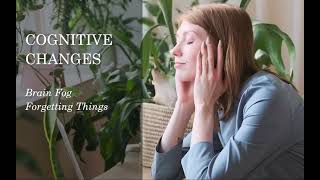
Hey, everybody. Dr. Diane Mueller here. And in this video, we're going to talk about mold, toxic metals, and how you're going to know the difference between them, as well as symptoms that we see with these types of situations. So as a reminder, it's really important to understand that when we're talking about toxins, really we're talking about all toxins, meaning that there's a level where our burden of the amount of toxins from our environment, from our food, from the air, from our water, from life, get higher than our body can actually deal with. So it's a problem of math where we have more toxins coming in than toxins going out. Now, while this video, we're talking about metals and mold, really, all toxins can contribute to a lot of different problems. Now, when we have mold or metals in the body, the symptoms can be so widespread that it's very common that things get missed. So common things that we see with symptoms really include things like chronic fatigue syndrome, fibromyalgia pain, like joint pain, muscle pain, neck pain, headaches, migraines. Headaches and migraines are really in particularly common with mold, but they can happen with metals. Also. We see all sorts of cognitive changes. So we can see changes in the brain. We can see brain fog. We can see situations where we are just forgetting basic things. Where are our keys? Where did we do this? What did we actually talk about with that person the other day, any of these types of things? Also, it's interesting to understand that certain neurological conditions, for example, like Alzheimer's, where we have these plaque buildup leading to things like this type of dementia, plaque has been shown this. Alzheimer's type of plaque has been shown to actually have a level of detoxification as well as a level of antimicrobial properties to it. So there's an element where there's a theory, at least in medicine right now, that plaques in situations like Alzheimer's may sometimes form due to toxins or infections or things actually making their way into the brain and the plaques form is almost this compensatory mechanism of the brain trying to figure this out and get these things out. And the brain basically essentially makes a mistake making these. Trying to get these toxins out, trying to trap these toxins. And instead we get this situation where we develop something like Alzheimer's. So good time to consider mold, toxins or metals is if you have a lot of other symptoms in your body. So these types of situations, these types of toxic buildups can be the great mimickers. They can really look like a lot of other things. So if you've had lab testing done and you've run a lot of other basic, you know, situation, a lot of other basic tests, and you're like, gosh, I still have symptoms. I have autoimmune disease. I have these headaches. I have this digestive issue. I have this pain. I have this fatigue. I have this hormone imbalance. And nobody can really tell you why it's really worth looking at mold or metals. Now, how do we tell the difference? Really, we tell the difference because of testing. So you want to make sure that you are appropriately testing for these types of diseases using urinary tests, using blood tests for things like metals. Some of the urinary tests for metals are also. Okay, we talk about that in another video. And so you want to definitely consider testing, because we don't know for sure. Like anything, we don't know for sure if we have these things and we have this buildup unless we do these tests. They're very, very important tests because that can tell us, do we need to go down this treatment line or do we not? So if you're liking this information, please subscribe to this channel where you see a lot more about detox, about mold metals, Lyme, other chronic hidden infections, and more. Again, I'm Dr. Diane. See you next time.