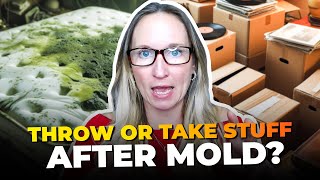
Dr. Diane Mueller explains why mold sensitivity varies widely between people and why mattresses are especially risky because they're porous and retain spores. Even after cleaning your home, lingering spores on belongings or in your body can keep symptoms going.
Chapters
Hey everybody, welcome back to my channel. We're talking about mold illness and living in a moldy home and what to do about your things. I'm Dr. Diane Mueller Mueller, chronic illness expert, and a big thing that comes up when people discover that they have mold in their body and mold in their home and they have to go through this wide, nasty, long process of essentially getting rid of the mold from their home in order to heal. One of the things that comes up that you'll hear a lot of different people talk about is getting rid of furniture, cleaning everything, wiping down everything, washing things, getting rid of porous things. And I can tell you from a standpoint of how diligent that you have to be, it really depends. I have worked with patients with mold illness where when they say if they have a box of items that they have not wiped down and cleaned off from any mold fragments that were in the air that they got exposed to. I have patients where they open one box, they'll get a whiff of this, and all of their symptoms will come back. So I've seen problems to that level, and I've also seen situations where people don't clean all that much and they're just fine. So really, it depends upon your level of sensitivity and what, how low that threshold of exposure to mold needs to get for your body to heal, which is different for each and every person. So it is advisable, I find, for most people to wash as much of their stuff and wipe down as much of their stuff as possible because, and get rid of what you can, because you don't know until you know if you're going to be somebody that is super hypersensitive or not. So The most important things though, I find, are mattresses. Getting rid of mattresses because they can house those mold spores and we sleep on our mattress, right? We spend so much time on this, on this, this thing that could allow us to be breathing in those mold spores over and over and over and over again. So this is definitely a costly thing for sure, but it's not as costly as losing your health. And I know like so many people want a direct answer, and this is as direct as I can give because it really does depend again on the uniqueness of you and the level of sensitivity. But another thing people can do is get, you know, wipe down and do your best with most of the things. And if you're still finding that you're reacting, as long as you know there's no mold growth in your house and you've run the appropriate tests for this and you're still reacting, there's a very good chance that the mold spores are in your body and you're reacting to the spores themselves. And it's still on some sort of material that you have not thoroughly cleaned or gotten rid of. So I hope that helps. Remember, if you have direct questions, you can always come to my clinic where we will help you. You can join my group education program where you can get direct access to work with yours truly in a way of education where we essentially teach you about all these things and support you through question and answer. So check out that and so much more in the show notes. I'll see you real soon. Mm-hmm.