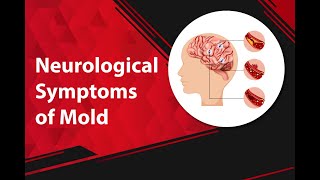
Dr. Diane Mueller (YouTube) explains how mold exposure—particularly inhaled mold toxins—can cause neurological symptoms by entering the brain via the olfactory route or through a leaky blood–brain barrier. She describes contributing factors to BBB leakiness (high cholesterol, chronic infections, bacterial LPS), downstream effects (reactive oxygen species, neuronal death, possible plaque formation similar to Alzheimer’s), and depletion of glutathione as an antioxidant. She notes emerging light/sound therapies (early animal work), emphasizes removal from moldy environments and detoxification as practical steps, and urges early evaluation for mold in neurological illness.
Chapters
Hey, Dr. Diane here, talking today about neurological symptoms of black mold and of mold in general. And we're going to talk a little bit about the mechanism behind how mold causes neurological disease. And this can be really scary, right? This topic of the neurological system being affected is really, really scary. But luckily, where we are with research is we do know that nerves regenerate. They can regenerate. And there is a point where, of course, there's so much damage that it's very hard to reverse things. That's why it's really important to take these types of symptoms we're talking about very seriously and work with a professional like myself to help yourself as soon as possible. So one of the things that will happen, so when we breathe in mold toxins, there is a direct route from the olfactory bulb, the safe, the smelling area of our body, into the brain. So the mold toxins get right into the brain. That's one way they get into the brain. Another way they get into the brain is when we breathe them in. They get into our lungs, they get into our circulation. And many people have blood brain barrier disease, which is where the brain actually becomes leaky. And the blood brain barrier is designed to basically keep things out that we don't want in the brain, like toxins. And so what can happen for people is when they breathe these toxins in, when they circulate through the body, if the blood brain barrier is leaky, then they get into the brain that way. Well, the. The blood brain barrier becomes leaky for a lot of different reasons, but even some very basic things can create that. For example, high cholesterol has been shown to actually create blood brain barrier disease. Chronic infections, such as urinary tract infections, or hidden things in the gut, like small intestinal bacteria, overgrowth, or other microorganisms will release something called an lps, a lipopolysaccharide, which is a toxin of itself. So if we have a chronic uti, chronic E. Coli infection, a c, any of these types of things that the bacteria that are involved in those situations will actually go to the brain, cause the blood brain barrier to be leaky. And when that happens, we get the toxins from our circulatory tract entering the brain. Because the brain is leaking, they're not supposed to be there. So when it comes to neurological issues with mold, one of the big issues is we get these toxins in the brain, and, and what winds up happening is we create a ton of reactive oxygen species, we take a ton of these free radicals, and these free radicals as the body is trying to neutralize them, what winds up happening is we get neuronal death. The nerve cells start to die. Another thing that can happen is we can actually get plaques build up. So, like, plaques that are seen with Alzheimer's, for example, have been shown in some studies to actually have a immune system response. They have an immune component of them to them. So the idea with the plaques and some of the theory behind the plaques right now is that when our body is making these Alzheimer's plaques, it's doing that because it's actually trying to trap an infection or a toxin to basically get rid of it. And of course, the whole process goes haywire. We get too many of these plaques, and all of a sudden then we have Alzheimer's. Right? But it's actually the body trying to protect. Protect the brain against something that is, you know, it thought was worse, essentially. So with a lot of other neurological diseases, one of the biggest problems is that we get this neuronal cell death. And we oftentimes see with conditions like Parkinson's and Ms. And other cognitive types of diseases that we have a lowering in the brain of glutathione. Glutathione is a huge thing that we use for antioxidants. So it reduces the toxic stress, the free radical stress on the brain and helps with the neurons. But for a lot of people, they're using so much of that glutathione to detoxify that they. They just. They just can't keep up with the production. So it really is very, very important. There's some really cool studies, actually, even on light and on sound, that are really showing that, wow, we can actually even do things with some of these therapies. Some of these. Some of these light and sound studies are just on animals so far. But we're actually seeing some positive things for things like plants. Plaque reversal, which is very, very exciting. But it's still, you know, some of this research is still early. So while I do believe that we are going to find better and better research to help heal from some of these diseases, we still want to catch them and see if there is a mold cause as early as possible. So a lot of other causes for neurological diseases, mold is definitely not the only one. But it's a really important thing to rule out because it's a pretty, in the grand scheme of it, simple solution. We get out of a moldy home, we get out of a moldy building, and we start detoxing the mold from our body. And we see that we can get a lot of healing to happen in the brain and in the neurological system. So whether it's just simple brain fog all the way up to Alzheimer's or Parkinson's or Ms. Or als, or whether it's any of these types of things, any dysautonomia, we definitely want to consider a mold impact to this. And largely it's through the reaction of these reactive oxygen species of leaky blood brain barrier and of neuronal death, the that is leading to some of these types of situations. So I know it's scary. Like, I always, you know, get nervous when I'm talking about things like nerve cell death. Right. Because that sounds very, very scary. But just remember, be your own advocate, try to have hope and just do your due diligence with making sure if you have these symptoms, you are doing the work to look for things like mold very, very early on. If you need any help or resources, please do check out my office. You can see information about the work I do to help people with mold illness here in the show. Notes. And please do subscribe to the channel. This has been helpful to you and I'll see you next time.