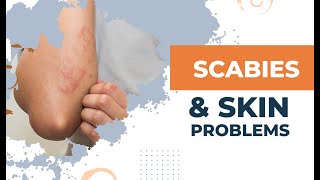
Dr. Diane Mueller explains scabies as a highly contagious Staphylococcus infection requiring prompt treatment, and describes how toxin buildup can cause skin rashes when elimination pathways like bowel function are blocked. Skin scrapings identify the infection; systemic spread causes sepsis.
Chapters
Hey everybody. We're going to talk about skin infections now. And oftentimes when we're dealing with Lyme and mold and chronic infections, it's not uncommon to have skin changes. Skin changes can be anything from acne to lumps and bumps. And one of the things that can happen sometimes is toxins can come out of the skin. Right when we're so backed up from toxins in our body and we're trying to get them out, and especially if you're not, not having bowel movements, this can actually lead to toxins coming out of your skin. And that's where we can get certain skin rashes and eruptions and that sort of thing. Now I'm Dr. Diane. I was recently on the Microbes and Mental Health. I was a co host for the Microbes and Mental Health Summit. So I'm answering some questions that came up related to Lyme and mold on that summit. And one of the things that came up was the question on the skin infection scabies. Now scabies is a infection that typically is a infection with the bacter staph. It's highly, highly, highly contagious. You're going to want to treat it right away. And one of the concerns has been for somebody of like, well, how do I know that this is enters the bloodstream? So if infections like this get in the bloodstream, you guys typically this is life threatening. So like if it's in the bloodstream, yes, you will see that. But you're probably going to be getting that lab test in a hospital because if an infection like this is in the blood, that's really where it's going to be set. Sepsis, where your blood is really infected. And this is a life threatening type of thing. So most of the time when you have skin types of conditions, if you're trying to figure out if there's a microbial cause, more commonly things like skin scrapings are done where they actually scrape the skin. They look at microscopically what is there. And that's one way of diagnosing it. Because yes, you can get these things in the blood, but you're probably not going to be just going to your primary care doctor if that's the case, you're going to be at the emergency room. So you know, when you're really looking at skin stuff, we want to consider doing things like skin scrapings to actually see if there's a microorganism and if there's not, that's where we really want to consider with chronic infections and toxins. We want to consider the fact that we're so toxic and this can happen, that the body has to get things out of the skin. And this is actually good, right? When we're that toxic, we basically want to get things out of the body in every which way we can. We want to get things out of the stuff through the stool, out through the urine, out through the skin, out, you know, through the sweat, through the breath. Like, even deep breathing can get toxins out. So we want to make sure we're taking advantage of all of these different organs of elimination to make sure we're really doing our due diligence to get these. The toxins out. Because toxins. And you guys have probably heard this example before, toxins are kind of like this load, right? Where it's like, we have a cup. Every drop of water that goes in that cup is a toxin, and then we have symptoms when that cup is overflowing. So the more we can take the drops of water and get them out of the cup, the more we can be in the world and the environment and not be triggered by a perfume, where we're like, wow, we. We're so chemically sensitive that we smell gas, we smell perfume, and all of a sudden we have a headache for two days, right? Those types of things happen because our cup is so full. So, like, that tiny little bit throws us over the edge. So we really need to empty the cup so we're more resilient to our environment, to life, those sorts of things. So hopefully that answered some of the skin questions. Please keep your questions coming. Please do subscribe to this channel if it's helpful, and please don't keep me a secret. Share me with your friends if this is helpful for them. Find information about me in the show notes and. And I'll see you next time.