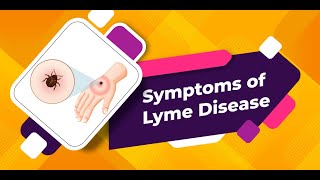
Dr. Diane Mueller explains that Lyme disease can present acutely (fever, target rash) or remain asymptomatic then later cause chronic, multisystem disease — "the great mimicker." Textbook presentations often include pain and neurological problems (e.g., POTS-like symptoms, numbness, tingling), but chronic Lyme can cause diverse symptoms including fatigue, insomnia, brain fog, hormonal and thyroid/adrenal issues, fibromyalgia-like pain, cardiac symptoms, and shortness of breath. She advises testing for Lyme when patients have diseases of unknown origin or syndrome diagnoses (e.g., chronic fatigue syndrome, IBS), warns that common standard tests can yield many false negatives, and recommends working with a Lyme-literate doctor.
Chapters
Hey everybody. Dr. Diane here. And in this video, we're going to talk about symptoms of Lyme disease. Now, Lyme disease is the great mimicker. So there are textbook symptoms and there are non textbook symptoms. So acute Lyme oftentimes looks like a fever. Some people get a target lesion type of rash. Some people, though, after they infect Borrelia, the bacteria that causes, causes Lyme disease, after they're infected, they have basically no symptoms at all. And the Lyme disease burrows in their body, it goes dormant and it comes out later in life in more of a chronic situation where it causes so many different diseases. So the chronic situation of Lyme disease is where Lyme is truly the great mimicker. So in textbook, from the textbook definition, most people wind up having pain. Most people wind up having a neurological problem where maybe it's pots, like where they change from postural change and their blood pressure goes down and their heart rate goes up and they feel dizzy and it's very, very uncomfortable, or neurological things like numbness and tingling, neurological things like Ms. And Parkinson's, all these variety of things. So textbook wise, many people have neurological things or pain or both. But that being said, like I said, it's a great mimicker. And because it has the ability, because this bacteria has the ability to burrow, to hide, it has this corkscrew like shape which allows it, like a corkscrew, to go through our tissues really easily. And because of that, because of its ability to transfer throughout the body and because of its ability to hide and invade the nervous system and how our nerves are connected throughout the body, we can see symptoms that are so widespread. So we can see insomnia, we can see fatigue, we can see brain fog, we can see hormone imbalance, we can see thyroid problems, adrenal problems, we can see fibromyalgia, we can see cartilage problems, we can see exercise issues, we can see heart palpitations and other heart symptoms, shortness of breath, we can see all sorts of different things in so many different organs. So sometime when you're thinking about chronic Lyme, one of the things to consider is if whatever your symptom is, if you've done the basics, like let's say you're fatigued and you've ruled out thyroid stuff and you've ruled out adrenal issues, and you've ruled out nutrient deficiencies, and you're sleeping fine and you're hydrated and you're eating well and you're like, why the heck am I still fatigued? This would Be an example of a good time to make sure you are getting tested for Lyme disease. So Lyme disease testing is a different topic. We talk on another video of this channel. So make sure you look for that because that is on here. And the idea though with this is like if you are finding that you have a disease of unknown origin, right? And if you get a label, like if you get a label, for example, like chronic fatigue syndrome, chronic fatigue syndrome, anything that's a syndrome, irritable bowel syndrome, Chronic fatigue syndrome. Syndromes are basically diagnoses of exclusion. It's basically saying you're tired, we don't know why, right? So if you get a syndrome diagnosis, we definitely want to consider that Lyme could be role. Be playing a role. And the testing that you want to get is I really encourage you to check out my video on testing because not all testing on the market is the same. The most standard test done in conventional care. There's one study that actually shows that that test has a 66% chance of a false negative. Meaning if you do that Test there's a 66% chance that if you have Lyme, it's going to come up negative. So not a very good standard of care test. So watch our video on on testing as well. And like I said, just really think about you can. If it's a disease of unknown origin and you can't figure it out and you checked out some of the basics and it's like, why is this happening? Consider Lyme disease. Get Lyme disease tested. Work with a Lyme literate doctor. If you're looking for help, definitely see us over at my Lyme doc. There's information in the show notes about this. If this was helpful, please do subscribe and we'll see you in the next one.