Anktiva | Cancer Immune Stimulation Isn't Enough Without This?
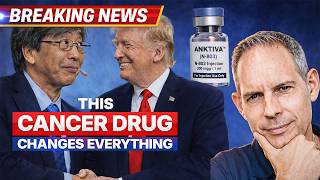
In this extensive YouTube monologue, Dr. Dino Prado (founder of Envita Medical Centers) introduces Antiva (also called Entiva/Intiva), an FDA‑approved IL‑15 super‑agonist cytokine for invasive bladder cancer. He traces the drug’s corporate and political back‑story, explains how IL‑15 differs from traditional chemotherapy by being cytotoxic and activating natural killer (NK), CD8 T‑cells, and dendritic cells. Prado argues that the drug’s true power lies in precision oncology: using multi‑omics, transcriptomics, immune profiling, and spatial biology (thousands of biomarkers) to select patients, design micro‑dosed, direct‑to‑tumor chemo‑immuno‑precision injections (described as “fracking” the tumor), and combine Antiva with adjuvants, phytotherapeutics, apheresis, and PD‑1 inhibitors. He emphasizes the need for extensive testing, custom drug compounding, and blood‑cleaning procedures to manage tumor‑lysis syndrome and to build long‑term T‑cell memory. Throughout, he claims 25 years of clinical experience with thousands of patients, predicts Antiva will become a blockbuster, and urges viewers to ask their doctors about immunotherapy, consider off‑label use, and subscribe to spread the message of precision oncology.
Chapters
This is one of the wildest cancer stories of our time and happening right now with the promise of a new cancer drug, Entiva, that would help patients with all kinds of cancers. Here's the background on the history of this new drug. A doctor helps bring a breakthrough in chemotherapy called abraxane. It gets FDA approved in 2005 and the company behind it, Abraxas, gets bought out for about $2.9 billion. The doctor's name, Dr. Soon. You've probably seen him on a ton of interviews. Now fast forward. He's built a drug activ. The exciting part isn't what you think it is because this isn't standard chemotherapy. This is immunotherapy with the ability to kill cancer. Cytotoxic, not just cytostatic. But the story gets even deeper. He's got brushes with Washington, D.C. there were reports that Dr. Soon met with President Trump. Trump, during the transition had discussed national medical priorities and possible health leadership roles. So Trump working here to try to bring cancer into the new era with Dr. Makary, the new FDA commissioner, to try to break down some of the bureaucratic hurdles allowing some of these drugs to get to the market f faster with speedier approvals. This is all going on because Dr. Soon has contacts in D.C. as a billionaire and also as a drug developer. Now we're going to get into this money, medicine, politics. But the most important part, why is this drug pretty interesting and exciting and a new immunotherapy weapon for cancer? And you're going to hear a lot of things online from PhDs and doctors who are focused on on label usage. I'm going to talk to you about how in the right combinations, this could work on many solid tumors to help patients. But before we get started, as I always like to say, make sure you work with a doctor before you change any medical care. Many believe that this antiva is the cure to cancer, but it's not being covered for insurance because it's only been approved for invasive bladder cancer by the fda. But it's an immunotherapy. And immunotherapies usually have a pretty widespread usage beyond one cancer. And the key here is that it helps to shut down cancers by killing them, not just managing them, which we see with a lot of smart drugs. But this immunotherapy, like many others we have used in decades, can be used off label in a precision mechanism when the environment fits to help many cancers. I believe this is very true because of the way it works and the way that cancers work. I'm Dr. Dino Prado, founder of Envita Medical Centers, and I hope this episode gives you a lot of information about Antiva so you become like an expert in knowing how to use it on and off label. And really the excitement behind this IL15 super agonist cytokine, which is what we'll call it here in a minute. And I want to tell you that the work that we've done is real clinical experience. This is not just my opinion from a published study of a drug, but our clinical work with thousands of patients really working on the edge of precision oncology, we're able to target care for patients. So that's the insight I want to give you today. In this episode, we're discussing all things activa immunotherapy, which represents one of the new ways to kill cancer, as another immunotherapy model. Now, it's been a long time since we've got a cytokine. Back in the day we got something called IL2, which is used for kidney cancers, but also immunotherapy that can be used off label. It's been used in cell culture work to build cancer cell vaccines. Has a lot of usages in helping grow the immune system, but this is another one. And actually in Europe, we have other cytokines that are in studies that haven't been approved yet under research, because they're used in cell culture work. So in the world of immunotherapy, when we build natural killer cells, dendritic cells, T cells, lack cells, all these different combinations to attack tumors, which we've been doing for about 20 years now, you can use these different types of cytokines to augment growth and expand cells. I'm going to give you a very different insight than you, however, I believe that these drugs can be really powerful breakthroughs. And the key is getting the right education out there and looking at it from the right perspective. Not just theory and what people know about it from reading a few papers, but the actual real patient care, where immunotherapy has to be customized on the patients. And it's going to come down to testing, because if you have the right testing, you can see how the treatment will best work, modify it in ways to help it be more effective. So Intiva could be a powerful addition to patients care when you map out the tumor, immunoprofiling and spatial biology, which is what we do. And the problem is this isn't happening in oncology. There's no immunoprofiling and spatial Biology that's in some clinical trial where they're looking at one marker. Here we're looking at over a thousand markers. You've heard me say this multi omics, next generation DNA, that's hundreds of markers, then transcript nomics, thousand plus markers, then immune profiling with spatial biology. All this information allows us to make drugs in our pharmacy, on label, off label, microdose, combining them and delivering them oftentimes direct to tumor, which plays a big role in making the immune system more able to recognize the tumor and fight the cancer. So after this episode, you'll kind of be a semi expert in immunotherapy and in precision oncology, which really changes the game. So what's antiva and really what it is is an IL15 super agonist. It's a cytokine, it's a man made cytokine. Now Dr. Soon was pretty smart here because he used this issue that was happening in bladder cancers. BCG was on shortage and sometimes you couldn't get it. Now BCG is like a toxin that creates like an immunotherapy that helps your immune system kill cancers like bladder cancer and actually others as well. But IL was able to kind of get, I think fast tracked and moved here a bit because we needed another drug that we can commercially make and have access to worldwide to help with these invasive bladder cancers that weren't responding. So oftentimes when you work on a drug approval, you look for one way to get in and you want to develop a drug that you can make millions, you know, thousands of ampoules, sell them all over the world. In fact, some of these machines can make about a thousand ampoules, you know, every 10 to 15 minutes and then ship it all over the world. And this drug costs 35,000 an ampoule. So it's a big drug coming to the market and they're trying to move it. But like all immunotherapies, you can't be blinded to the one type of cancer. It works. But you have to understand the tumor microenvironment, you have to understand the information inside the tumor and then custom build the treatment. That's what we're going to get into. So on April 22, 2024 was born, a new approved drug, Antiva, which has gotten a lot of response. And this is to help people that were unresponsive to BCG. Dr. Soon knew that there would be a bigger market for this because he was stimulating the immune system. And oftentimes when you have immune modulators that stimulate the immune system. You can go after many cancers because most solid tumors, when the immune system recognizes it's game over, it'll kill it. Like I mentioned, this drug is big and it will, I think, eventually become a blockbuster drug over time. And it's getting a lot of media because he's doing the rounds on all the podcasts and talking, creating a lot of excitement. I think that's great because I'm a big promoter of immunotherapy. I think that's going to be the way we end cancer. But let's remember that it has to be the right fit for each patient. So what are cytokines? This is a cytokine super agonist. This is like the messenger that helps your dendritic cells. So what are these? A dendritic cell is like a detective part of the immune system. It gets the fingerprint, the mug shot, all the fragments. So in a tumor, all the antigen information, the damps, associated molecular patterns, all this stuff, and it passes it on to the T cells, natural killer cells, and the immune system so that it can do its work, meaning now it has the right information to go after the tumor. But here's the big question. Why will this drug not work on everyone? How do we make it work on more people? Because we already know it's a super drug for stimulating the immune system. But how do we give the information to the immune system so it's not only supercharged, but has all the right data to go after the tumor? So how do we assist the immune system? And so this is what I'm talk most doctors look at, especially in the area of immunotherapy targeting based on major histone compatibility1 or whether the ID badge is visible on the outside of the tumor. Inside the tumor, the T cells are exhausted. These are all important. We have all kinds of things happening in the immune system. But if we can go inside the tumor and frack it like you're fracking oil, if you will, when you're drilling for oil, you're cutting through the earth and squeezing high pressured water to get the oil out. We can do that in a tumor in almost a way that's called like an invisible surgery where we use chemoimmunoprec injection in the process to deliver the medicine so that the tumor opens up in lysis, releases all the data to the immune system, removes the cloaking mechanisms at the same time. And antiva now could be a supercharged drug because now it has all the information and now it can expand the NK T cell Memory, et cetera, and help the immune system work in the short term. And when we add phytotherapeutics and adjuvants, we can help build more memory T to get a longer term response. See, that's precision oncology. So how did this all happen? It starts with correct testing. We can't be FL blind. We need all the data. So unfortunately, old school or standard of care, Oncology, I like to call it, uses maybe 24 data points. Tumor marker biopsy imaging. That is not the answer. We need full transcriptomics, we need immune profiling with patch biology. Now we have thousand plus markers and we can activate the immune system, recognize what the pathways are of the cancer. We're able to custom build the medications so we can deliver them directly to the tumor. And this is where Intiva comes in. Once we've released this information into the body, the T cells know what they're looking for because they have all the information that and these dendritic cell amplifiers, if you will. This IL15 super agonist, which is Antiva, gets the DCs operating to move all the NK activity. And we're going to have beautiful tumor kill. And you got to know what to do with that because once you start killing a lot of cancer, which we've done many times with our patients using immunotherapy, you have to clean out their blood. So you're going to get so much tumor kill when your immune system's moving that you need to clean out the blood. So this is step one to really how to make Antiva, a supercharged drug that can work on many, many cancers. You're going to have to use a tool called apheresis. You're going to have to the blood through plasmapheresis because when you get so much tumor die off, you get this tumor die off syndrome. You're going to get lots of inflammation, lots of debris going throughout the body. So once you've done the SIPI chemo immunoprecision injection with a microdose antiva, if the targets are right off label, you can get the immune system stimulated beautifully. You're going to get so much tumor die off. You've got to filter the blood, clean it and then oxygenate it and reset the inflammatory pathways and use the right phytotherapeutics to create T cell memory. So you go from a short term response to a long term response. How do we know that? We've been doing this for 25 years. And that's the real secret of precision oncology is putting it all together. So not only do we have a IL15 super agonist in Antiva that works on NK cells, CD8, T cells, proliferation, helping even things like PD1 inhibitors become more effective. But you don't know if you need those or not if you don't have the right testing. So some patients who may recognize immunotherapy think of PD1 inhibitors, but they only work long term on 10% of the cases according to Frontiers in oncology and they 10 extra months of life. But if in this case you had a high saturation of PD1 and this has occurred and the tumor is dying now you can add the PD1 inhibitor directly to now help the NK cell finish the work and get rid of all the cancer cells at the same time. Making sure you're cleaning the plasma, oxygenating the blood, changing the inflammatory pathways and giving the immune system long term medicine that is needed for immunity, which are phytotherapeutics, nutrients, enzymes that are key for the immune system to understand long term memory. So yes, IL15, great. It mimics the dendritic cell, it helps with this trans presentation, it makes a big difference and it helps these detectives of our immune system getting our natural killer cells and T cells moving with the right fingerprint. And that's where Intiva is powerful. It can help with NK cells T cell activation, helping them mature. And it gives you that boost, particularly when patients have what's called a weakened immune system or exhausted. Like you've already done a lot of chemo, you've already done radiation, you've done other immunotherapies, your immune system is just exhausted. This helps us to go after the cancer on again. So here's the key. I love the Chicago Bulls basketball team of the year of Michael Jordan. I use what was called the triangle offense. So I'm going to use this analogy to help you better understand how Intiva could supercharge the immune system. Think of it this way. You've got this thing that's working on NK cells, CD8T cells, and it trains them and it also with the right adjuvants, can help with memory T cells. And I say right adjuvants because there are phytotherapeutics that can enhance more T cell memory for longer term responses. So now you have the trifecta. And just like the Chicago Bulls and Michael Jordan did in the day, we and that's the goal of the immune system. And so that's why you get this beautiful effect. We can take cold tumors, they'll be Altering in their mutations. We can turn those on by fracking the tumor with chemoimmunoprecision injection, Getting the right treatment using the catheter the size of a hair, going through the blood vessel to the tumor, or a pericutaneous injection and then opening up and lysing the tumor right in its microenvironment. See, when you give IV chemotherapy, less than 5% actually makes it to the tumor. Here we're getting 95 to 100% right to the tumor, but with the ability to open up all the data in the tumor and spill it out so the natural killer cells and dendritic cells can now see everything. And now antiva can supercharge the NK cells, T cells, memory cells, and with additional phytotherapeutics, we can get a better longer term response on many cancer types. So this is the key. It's not just, hey, we're going to give antiva, hope it works, it gets to the area, yes, it'll give some help, it'll extend some life like immunotherapies do. We've seen this with PD1, but there's a lot of information hiding in those tumors. There's a lot of data. Neoantigens, damage, associated molecular patterns, tumor, that data that's in that tumor. And we can change that environment. And the reason I'm saying this is because we currently build cancer cell vaccines outside the body. Natural killer cells, T cells, lack cells into the billions, dendritic cells, we type them, we type them with the right markers, put them back in, and we get beautiful tumor kill. And see, this IL15 super agonist or antiva is going to help us to get even more kill in the patients. With the right targets, it's these combinations that makes all the difference. We can downregulate the tumors, kill them, get the immune system to recognize them, recharge the. And why is this important? Immunotherapy, in my opinion, is the key to getting rid of cancer. It's the first and last offense. So if you don't have immunotherapy on board, you're basically managing the cancer often and you're not killing it. Even when you do chemo and radiation, it relies ultimately on your immune system to get the damage, associated molecular patterns and the right doses. And the tumor fragments and the neoantigens, the information, the fingerprints on that tumor over to the T cells and K cells and do their work. And so sippy allows us to accelerate this tremendously with almost like an invisible surgery and A catheter the size of your, and then you come out with a band aid. But you're delivering all the medicine right to the tumor. And you can even deliver micro doses of the immunotherapy. You don't need full doses because you're right at the tumor region. And once the natural killer cells, dendritic cells, T cells, have this information, they're able to go out in the body and kill cancer cells in other regions because of the way the immune system works. It's giving the right information. And the immune system can pass the blood brain barrier. It can get to regions that other areas can't. That's why getting the immune system, our police, our snipers, to recognize the cancer is the key. And this drug step forward, it's opening up the world in standard oncology. More to immunotherapy. Now PD1 inhibitors started to do that. You started to see oncologists talk more about immunotherapy because of PD1 inhibitors. Not early on. We were using them a long time ago on and off label. And we recognize their limitations. In the same way, you're going to see this drug slowly creep before people access it. And the problem is because they're not seeing this dynamic model of immunotherapy that is used in precision oncology. This is so important because we're removing that invisibility cloak for cold tumors and we're helping this information move through throughout the body so we can shut down the cancer. But we're not doing it randomly. We're doing it with testing and targeting and direct to tumor. See this information I'm sharing with you today, in my opinion, this is what brings an end to cancer. It's these correct combinations to get these tumor fragments, antigens, damage associated molecular patterns to the immune system. Otherwise a lot of these immunotherapies will be very expensive. They'll circulate around the body and they won't get the kill and the memory development that we want them to have. We'll get a short term response or maybe nothing. But if we know how to run the triangle often like the Chicago's bulls did back in the days of their championships, we can get a real nice tumor kill throughout the body and we can get it sustained. And we can get T cell memory if we know how to use the combinations on, off label phytotherapeutic and cancer cell vaccine targets to work well. Now let me tell you, this drug is going to sell. It's going to grow all over the world and it's nice when a pharmaceutical company makes a drug that's in an ampoule that they can sell. Ideally this would be done more in a cancer cell vaccine, but it would be too boutique, very not as profitable for the pharmaceutical company and it wouldn't allow so quickly and effectively around the world. And one of the other things I think they're going to try to push for this, which I've seen some of the interviews, is the use of these IL15 super agonists to help with viral infections because. And K cells go after what, viruses and tumors, they do both. So they're going to be using these for people that have difficult to treat viruses. And this is pretty interesting because it's the mechanism of why I love natural killer cells so much and T cells and lac cells and dendritic cells because it's the concert of our immune system that really makes a difference in getting cancers to sh in the body. So antiva is critical. Think of it like a dendritic cell, but in a man made cytokine that has messaging and it's going to be the detective. It's going to pick up that, you know, fingerprint, mug shot information, pass it to the immune system, stimulate the immune system so we can help the immune system get all the information of the tumor and go after it. Then using integrative care, we need to help get memory T cells so we get longer term response and filter the blood. Because as you're starting to kill cancer cells, you're going to have to apheresis that blood, clean it out, remove all those tumor fragments, infl inflammatory markers, all those things that can turn your immunotherapy kind of sour, keep them in check so we get the longer term response and we get what we want by resetting the body's oxygen, resetting the body's cytokine pathways and its immune modulation systemically, all while also addressing what the cause of the cancer might be if it was infectious, chemical, heavy metal, et cetera. So antiva's cool. I think it's exciting. It's very powerful. It's going to really push the conversation of immunotherapy that. You've been watching my channel I've been talking about. It's going to really push for people to understand how immunotherapy works and ask your doctor the right questions. Doctor, are we using immunotherapy on my cancer? What are we doing to monitor my cancer? Are we using on, off label, repurposed treatments to help stimulate my immune system to fight Cancer. And that's really going to get good things happening in the world of oncology. And I'm very excited about that. And it's going to help us to use multiple combinations where patients need it, where they need PD1s or integrative agents or adjuvants, that's going to help us tremendously improve the long term immunotherapy response. We're getting out of guesswork, we're getting into targeting, and we're using the best combinations to help people. We're going directly directed tumor. So we're fracking it like we're drilling for oil, getting all that data out so the immune system can see it. And then we're giving the immune system the correct immunotherapies to do the work of strengthening, attacking, and going after the tumor. See, this is the power of cancer immunotherapy. And very exciting. I hope you liked this episode. And it kind of opened up your eyes to this idea of a smart bomb or a smart part of the immune system working. Well, if people have weakened immunity like lymphopenia from chemo or this can help strengthen that or give them a better environment for their dendritic cells, if the dendritic cells have the right information. So now you understand where this could fit in in a very exciting way in helping patients to respond to immunotherapy, where they were told, well, there's no other treatment here, or the immune system's not working as part of a treatment that is like a concert, custom designed for the patient. You can see how cancer treatment can greatly improve and make a big difference for patients who often were told there was nothing left or this other treatment couldn't work, or you're really not a candidate for immunotherapies because they're looking at it passively. And there are way too few doct the world that do deep testing and immune profiling and spatial biology and transcriptomics and then look at the data to custom build treatment. That's what you want. Because this is going to tell you how to make an tiva work right for you. So you're not just taking a medication that right now isn't even covered by insurance for most cancers and getting it to circulate around your body without doing what you really want it to do more than a short term kill response. Move it to a long term response by putting all these combinations in place for your best outcome. So that's how you should look at this drug. Now. Not everybody will be a candidate and it's not going to work on everybody. But this is how you maximize precision oncology. So we get, you know, 80% responses instead of, let's say, 30 or whatever the number might be. We're gonna see it working much better. And the reason we know this is because we've been doing immunotherapy for two and a half decades, and we understand it like the back of our hand and how these combinations can really, really help patients. So I hope this episode was helpful. Now I'm gonna ask you to help me because we realize that 90% of you that are watching this have not subscribed. But I'm asking you to subscribe, not just to help the channel, but to get the word out on precision oncology that people are in the one size fits all. And by you subscribing, it helps the YouTube algorithm push this all over the world so we can help doctors, patients, really see these new ideas and concepts to excite them into a new world of cancer where we're not stuck with a one size fits all model. And precision oncology can happen for people around the world. So we can have more people live and less people die. I hope this episode was helpful. And may the Lord bless you on your journey to healing.










