The Hidden Cancer Connection Nobody's Talking About with GLP-1
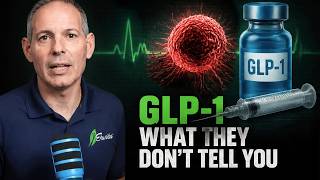
In this monologue Dr. Dino Prado, founder of Envita Medical Centers, explains how GLP‑1‑based drugs (e.g., semaglutide, tirzepatide) influence cancer biology by modulating insulin, glucose metabolism, inflammation, and mitochondrial function. He reviews the metabolic basis of cancer (Warburg effect), cites a 2024 JAMA cohort showing a 17% overall cancer risk reduction and larger reductions for endometrial, ovarian, colorectal, and breast cancers among obese patients on GLP‑1 therapy, and notes potential rare adverse signals (kidney, uterine, thyroid cancers). Prado discusses micro‑dosing tirzepatide as a supervised longevity strategy, then shifts to natural, drug‑free ways to boost endogenous GLP‑1: 16:8 intermittent fasting, a clean low‑carb, high‑protein diet, fermented foods, resistant starches, yerba mate, and allulose. He emphasizes key metabolic biomarkers (LPIR, A1c, fructosamine, CRP, homocysteine) for monitoring insulin resistance, recommends mitochondrial nutrients (CoQ10, PQQ, magnesium, electrolytes), and suggests wearable devices (OURA ring, smart watches) for real‑time glucose, HRV, and blood pressure tracking. Throughout, he frames metabolic health as a central lever for cancer prevention, alongside heart disease, diabetes, and neurodegeneration, advocating a precision, individualized approach.
Chapters
What happens when you boost weight loss with metabolic intelligence to outsmart cancers? We're talking today about GLP1 inhibitors. Why does this matter? Have you noticed that everyone is talking about the Ozempic and Manjaros lately? These GLP jabs or shots that are used for weight loss, they're called the miracle weight loss shot. But here's what almost no one is talking about. Since cancer is a metabolic disease, how do these medications change cancer and going beyond just shrinking the waistline? And we're going to talk about these today and go into some detail. They can reshape how your body talks to cancer, cancer, inflammation and aging itself. But there may be a better and a more natural way to accomplish this. I'm Dr. Dino Prado, founder of Envita Medical Centers, and For the last 25 years, we've helped cancer patients who have failed some of the top hospitals across the country by targeting with precision with metabolic intelligence. So we're going to get into that and how to shut down the cancers using lots of data points and targeting and custom designed care. And not just a one size fits all. But when we're talking about metabolic disease, we can bring in all the horsemen. Diabetes, heart disease, Alzheimer's, type 3 diabetes, Alzheimer's, dementia, and we can talk about cancer because it's linked to that. So these GLP1 drugs, how do they really work? We're going to go into that here in a minute with their metabolic effects on cancer with cancer being our focus today. And how can we microdose these? A lot of integrative doctors across the country will use like a microdose triazepatide to help promote longevity without the crash. And some of these patients don't even need weight loss. They're just using it as kind of a way to get lean and energetic and improve their metabolism. And if done correctly, under the good supervision of a doctor, that's okay. But I think there's a better way and we'll go into that here in a little. So how do we activate these metabolic pathways naturally with maybe no injections or additional drugs? Because when we're doing cancer treatment, we do want to deal with the metabolic side, which is part of prevention and care, and the inflammation side at the same time build targeted treatments for the cancer. So the hidden power of the GLP1 inhibitor, this is a one of the top selling drugs in the world and you've heard about it all over the news. I think even President Trump was trying to get a discount on this in his prescriptions that he's working on because they're so popular. But these GLP1s, they can slow down the sugar spikes. Because remember, sugar is one of the things that feeds cancer, also feeds inflammation, metabolic disease, visceral fat, fat around our waist, these are all inflammatory things. They can calm our appetite, restore our metabolic health. And all that's linked to insulin. Insulin is the key here, not cholesterol, insulin, and it's naturally occurring in our body. So how do we help this GLP1? Because we have them in our body naturally. But here's the twist. Cancer cells, they feed on sugar. So if we cut the sugar and the refined carbohydrates out of the diet, maybe add a little intermittent fasting, 16, eight, we're going to already get some great metabolic benef improve organic whole foods that are organic, that are high quality proteins that are non toxic. And all of this is going to have a huge benefit. But the reason that metabolic health is so important to cancer, particularly sugar, is, and I've said this before, is if you look at a PET scan, you can see where the cancer lights up in the body. And that's because of the fact that the molecules that we use to light up these dyes in a PET scan are glucose. Like they're almost just like sugar. And so they light up wherever the body is by using a dye that's like sugar and then doing the imaging. So this is nothing new. In 1970, 1931, Dr. Warburg won the Nobel prize demonstrating that cancer cells go to fermentation, they go to getting their energy from glucose instead of oxygen, where they produce their ATP cellular energy. So when we look at insulin, in a way we're kind of looking at how much is the body using glucose as a form of energy instead of the mitochondrial ATP energy of oxygen. And that's really at the core of what we want to fix on the metabolic side of cancer. Now I said this before, cancer is bimodal. It has a metabolic side that we want to shrink and get rid of. But it also has a mut at the cancer level when we treat it. And specifically we want to use an immunotherapy centric type care. In 2024 study in JAMA followed 1.6 million adults with obesity. And these were all on GLP1 inhibitors. And what they found overall is a 17% lower overall risk for cancer. That's not bad. But you have to think these are already obese inflammations going on. There's other toxicities. So just by reducing their eating alone and getting rid of some of the toxins from their food, they're going to see some benefits. So I don't want to give all the importance to the GLP1 inhibitor, but I do want to talk about how this affects overall health. Cancer loves this sugar that loves inflammation to grow. When we look at the specific types of cancers that were most affected by using the GLP1 inhibitors, there was a 25% decrease in endometrial cancers, a 47% decrease in ovarian cancers, and a 30 to 40% decrease in colorectal cancer. And even in breast cancer, we see improvements because breast cancer cells often have more insulin on their receptor sites, meaning they're feeding more from sugar. So you can see that really it's not just these canc, but all cancers have some of this metabolic pathway from sugar. The GLP1 medications help reverse some of that terrain, lower the insulin, reduce inflammation and improve mitochondrial health and efficiency. So that's why they're getting a lot of positive press. But I'm not suggesting that we use GLP1 inhibitors in this manner. I think we can do a lot with diet and exercise, intermittent fasting, and I'm going to give you some natural hacks you can use to can help you get the GLP1s increase without any medication. The very first thing you want to test to look at how insulin may be impacting you is a test called lpi. Lipoprotein insulin resistance. This predicts your metabolic risk. It's more important than cholesterol. Everybody's focused on LDL and cholesterol. You need LDL for immunity, you need LDL to help your hormone production. But you need to look at your insulin and glucose. So there's other tests you can run. A1C hemoglobin, fructosamine, C reactive protein, inflammatory markers, you can look at these. But insulin is the big player here. And here's what we need to do. We need to improve our diet. You've heard this many times before. I'm not telling you something you haven't heard. Get rid of all the refined carbohydrates and sugar. Sugars increase all the farm to table. Organic, healthy fruits and vegetables with a focus on proteins, Grass fed beefs, organic products that are clean and eliminate the refined carbohydrates. That's going to help us create a diet that's healthier, and I've talked about this in the past, but also healthy gut microbiome with fermented foods, lots of kimchi, sauerkraut, these kinds of things. Colorful Produce which gives diversity because 70% of your immune system is in your gut. And I don't want to just talk about the effects of GLP1 without focusing on two aspects, the insulin part, but immunity, Immunity is really important long term for cancer. And one of the things I want you to see is that one of the tips you can use if you want to reshot your insulin is you can take a few day fast, could be two to three days. Go on wild caught because it's cleaner. Sardines, anchovies, salmon, vegetables, clean out the diet, drink water, see how that works. Because now you're feeding on healthy fats, you're helping the body get rid of the sugars out of the system and decreasing some of the inflammation and giving a mitochondria kind of a jump start. So when is less more? Here's what we've seen. Micro dosing for longevity has been really powerful with things like triazepatide, these GLP1 inhibitors and lots of my colleagues that use it. When you do them in high dose, people get nausea, fatigue, muscle loss, they get all kinds of problems. But when you micro dose it, you can get a lot of the benefits with far less risks of side effects. But I think there's even more to it. In 2023, True Metabolism reported low dose triazepatide improved insulin sensitivity and lipid metabolism while minimizing side effects. Both animal and human Data also show GLP1 activity helps rebalance gut microbiome, increase good bacteria such as Akkermansia. So you've heard me talk about, that's the important probiot that helps with immunity and cancer. So it helps with that which supports insulin control and reduces inflammation. So think of it not as just a solution, but under the supervision of a doctor. These things can be done. You could do a low dose tirzepatide and see how you benefit. If you have a good functional medicine doctor working with you and testing all these other things. Otherwise I like natural approaches which we're about to get into. At the same time, I'm going to give you a tip to fuel your mitochondria because your mitochondria is your powerhouse. This is where you make all the ATP energy and you want to do it through oxygen, not sugar. So I like here to increase our plant based minerals, enzymes, magnesium, CoQ10PQQ and electrolytes. You can see these. They'll feed your mitochondria, give your mitochondria energy. These nutrients give the mitochondria a push. They Help fight fatigue, burn fat, keep your immune cells moving and this helps you to help live a better, healthier life. So let's get on to my part that I want to talk about. Nature. How does nature help us with GLP1 that mimic these medications without the toxins? One of them that I like is something called yerba mate and the other one's allulose, which is a so to speak, synthetic natural sweetener. And I'll talk about in a moment. Your body already produces these GLP1s naturally after meals. So let's see if we can enhance these with a few natural approaches. The first one is going to be a 16:8 intermittent fasting window. Build your meals around these clean foods. I mentioned organic farm to table. Gourmet immunity I like to call it, and build your body's good health. Fermented vegetables, gut microbiome. But then consider yerba mate. Now I had a professor of mine who used to drink yerba mate, the organic leaf, in hot water and then use one of those stainless steel straws to drink it and sip on it. And the GLP one, according to frontiers and endocrinology, improve your sense of being full and they lower your post meal glucose. So this is a nice little biohack. So this is a drink you can do that can help you, but it's also rich in polyphenols and can calm chronic inflammation. So yerba mate is traditionally from South America and you need to find a good organic source. And none of these products that are loaded with sugars and other things, you want a clean source that you can brew the tea, it is caffeinated. So if you have sensitivities to caffeine, start slow. It has lots of antioxidants and usually gives patients energy. So there's a benefit in it. But it gives us a natural GLP1 without any drugs and without any medication. The second one I like is allulose. This is a rare natural sugar. It lowers blood glucose and insulin. We've seen this in studies published in Nutrients, reduces fat storage and stimulates GLP1's release. So commercial allulose is typically made from fructose, which is derived from cornstarch through an enzymatic process that converts the fructose into allulose. You can see it in nature in things like figs and other things like that. It can stimulate your GLP1, but it tastes like sugar. So be careful because when you use these sugar alternatives, as many have noted, you can get GI upset. So if you don't Have a problem with it, go for it. It can be very helpful. Start gradually, but if you're sensitive to it, that's okay. I wouldn't do anything that makes your body feel gassy or inflammate or has any kind of difficulty with digestion. So but these two things you can use, you can intermittent fast clean up the diet, get rid of the sugars, add a little yerba mate allulose to mimic GLP1 naturally, boost the quality polyphenols in the diet. And if you're going to eat starch, look for starches like cooled potatoes which are resistant, or green bananas, or fonio, which is this fantastic African grain that you can heat up. It's like a cream of wheat. These resistant starches can be helpful in the gut, given in the right quantities, not too much, but they can be very helpful and they can help your gut microbiome flourish. Amplify your GLP1s naturally with these combinations of taking some of the things like yerba mate allulose, a good clean diet and these healthier starches. So because we've seen even in these studies how much it can help with certain cancers, also a downside to any drug, some studies have noted that there can be an uptick in kidney cancers or uterine cancers with some types of GLP1 inhibitors or a rare thyroid cancer. This is why you I like micro dosing if you're going to do it, being under the care of a doctor if you need to do that. But my favorite way of doing these things is naturally using the body's natural ability to heal, adding some of these things that I mentioned before and changing the diet so that you have good health. If you're already using a GLP1, make sure to protect your muscles, good muscle training, adequate protein in the diet and get some supportive foods. Make sure you eat high quality protein and nutrient dense foods which can help your metabolism and stay healthy. Now why is this important? Because whenever we're talking about the horseman cancer, heart disease, diabetes, type 3 diabetes, with Alzheimer's, dementia, we want to decrease inflammation, improve immunity, adjust nutrition and get the body healthy. Getting cancer, metabolic roots goes all the way to insulin. Decrease your refined carbohydrates and sugars, improve your inflammation throughout your body, and you're going to give your body a better chance of not just fighting cancer, but preventing it. And that's what today's episode was, is to discuss how we can use the improvement of our body's response to insulin and insulin resistance to getting us where we want to go. So let me leave you with this. Run the LP test, look for your insulin resistance. This is more important than LDL to me. Look at C reactive protein. You can run also a 1C hemoglobin that looks at long term glucose in the blood, homocysteine. But focus on these things, get the metabolic part in good health. Put these things into AI and put them to work for you. Now I'm going to leave you with this great tip. There are devices now that we have coming out at like the OURA rings and smart watches that check for glucose and blood pressure and do all kinds of things like heart rate variability and sleep. You can wear these for several weeks and as you're eating you can see the impact on your sugars and get your food to give you nice, balanced, healthy lower levels of glucose, not the high spikes. And this is going to go a long way to improving those other lab numbers that I just asked you to look into and get tested. This combination is good because everybody is different. You want to dial in the precision to yourself, to what you need, to what's best for you. And the way to do that is to use these types of smart watches and smart devices so that you can monitor glucose, blood pressure and see the way you're eating and the way you're feeling. Now you really can biohack yourself into some really good health. Build the immune system, build longevity, control. That insulin, I think that's the big epidemic all over the world is these high insulin related foods, refined carbohydrates, fast foods, processed foods, seed oils, inflammation, this is causing the problem. So if we can clean these things out of the diet, we're always going to improve and feel better. I hope this was helpful and may the Lord bless you on your journey. Journey to healing.










