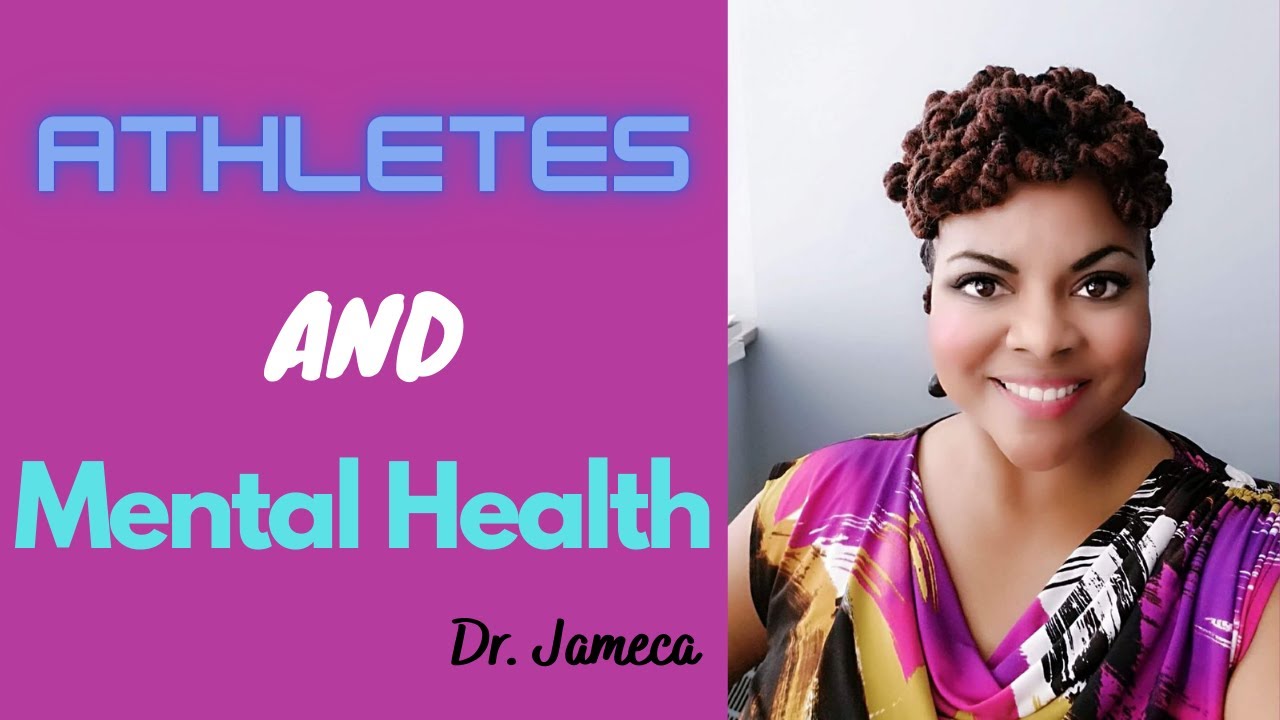
In this solo video, mental‑health clinician Dr. Jameca Cooper examines why conversations about athletes’ mental health have surged in recent years. She highlights high‑profile cases such as Naomi Osaka, Simone Biles, and Michael Phelps to illustrate the issue, then attributes the rise to two main forces: (1) a broad decline in stigma surrounding mental illness, and (2) the COVID‑19 pandemic, which amplified stress and disrupted athletes’ usual coping mechanisms through heightened uncertainty. Dr. Cooper outlines the intense, unique pressures athletes face—including relentless competition, media scrutiny, audience expectations, and public criticism—that differ from those experienced by non‑athletes. She expands the focus beyond elite Olympians to include college, high‑school, and younger athletes, urging greater attention to mental‑health support for all sport participants. The video concludes with a reminder to view her other content on personality disorders, reality TV, and mental health, and a call to subscribe.
Chapters
Hi, this is Dr. Jameca Cooper Cooper. Thanks for tuning in. Make sure you hit subscribe to this channel for more information on personality disorders, reality TV, mental health, and a little bit of everything. Today we're talking about athletes and mental health. I'm sure by now you've all noticed some of the latest stories that came out around the Olympics about Naomi Osaka and Simone Biles as they were competing in the Olympic Games a few weeks ago. One of the things that we've all heard before from athletes like Michael Phelps is that he's very open about talking about his struggles with depression, his suicidal thoughts in the past, and he's very open about talking about how he's dealt with all of that. So that has definitely added to the conversation conversation about mental health among athletes. But what we've seen recently with Naomi Osaka and Simone Biles is that these women have really been struggling with their mental health. You can look at them on news, um, conference interviews and see that they are really having a hard time dealing with everything that has been placed on them as a competitor. And we don't know what that is, right? We're not athletes, but What we can see is that if we look at their struggles versus what we've probably seen in the past 15 years from other athletes, there has been an increase in conversations and comments and statements about mental health. So for me as a mental health practitioner, that is definitely a good thing. For the athletes, definitely not a good thing. So when I think about why things have changed over the past 10 to 15 years, I would say it really boils down to two different reasons why there's been more conversations, more exposure for mental health among athletes. And one of those things is there has definitely been a decrease in the stigma of mental health. And that's just not in the athletic community, that's all over this country. If we were to compare, um, and do a survey or questionnaire of people all across this country and ask them like, how serious, um, do you think the stigma of having a mental illness is, people will rate it as being not very serious now in 2021. But if we were to look at the numbers in say 1990, 1995, and even before that in the '80s, you would see that there was definitely a much bigger stigma having to deal with mental illness. In other words, people didn't talk about it. People didn't want to be associated with it. People didn't want to admit that they were suffering from depression or anxiety or definitely PTSD, alcoholism, any types of substance abuse, insomnia, you name it, sexual disorders. None of that was talked about openly in the '70s, '80s, and, and definitely the '90s. Only since 2000 have I noticed that that's been different. So again, the first reason is the decrease in the stigma and talking about mental illness. The second thing that I think has greatly impacted these, these athletes is that the pandemic— the pandemic has really impacted all of us, but what the pandemic has done for most people is it has increased their levels of stress, and it's really kind of made their coping mechanisms go awry. So whatever they did before the pandemic to cope, it doesn't seem to be working the same for them during the pandemic. What the pandemic added for all of us is this whole level of uncertainty, and people don't really deal well with uncertainty. So when you add in that added piece of uncertainty on top of the stress levels that people already have in their lives, it's really created a bit of chaos for people. So These are my two reasons for why there's been an increase in talk about mental illness among athletes. They deal with so much pressure already, just the competition, the training, the expectations, the media, the audience, the audience's reactions, expectations, the things that are said to them on a daily basis. These are things that would not be said to any of us on a daily basis because we don't have the same type of following that they have. We don't have to deal with the boos and the insults that they have to deal with, and they have to keep going and keep doing their sport. It's a lot. So definitely very sympathetic and empathetic for all of them. But if we want to focus more on how to help athletes, because not just Olympic athletes suffer with this and this stress level, there would also be college-level athletes, high school athletes, and even those younger than that. So let's turn the attention on to looking at mental health in this population. Make sure you pay attention to other videos on this channel that talk about everything having to do with mental health, as well as reality TV and personality disorders. This is Dr. Jameca Cooper. Make sure you subscribe, and thanks for tuning in.