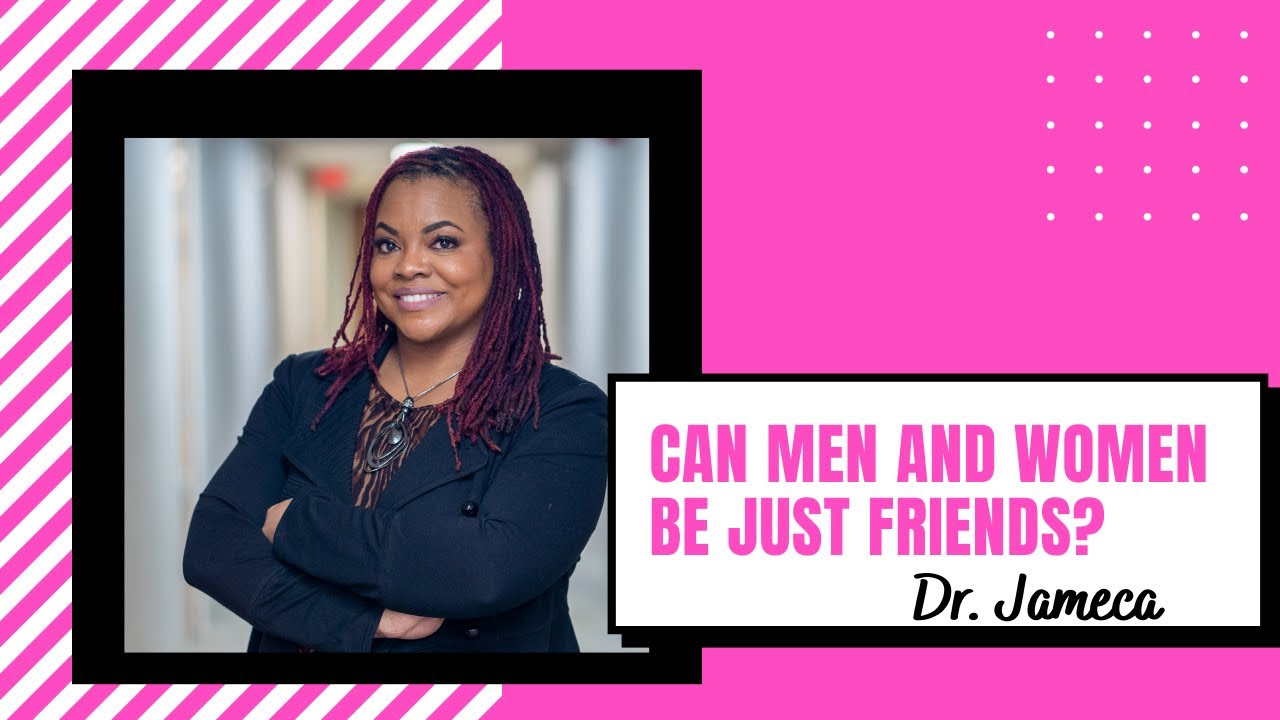
In this solo commentary, Dr. Jameca Cooper critiques Steve Harvey’s public assertion that adult men and women cannot maintain purely platonic friendships without sexual interest. She outlines the mixed reactions among men—some agreeing, many disagreeing—and examines how Harvey’s hyper‑masculine persona reflects broader patterns of objectifying women. Cooper argues that the lack of visible, non‑sexual male‑female friendships, especially within many African‑American families, contributes to the belief that such relationships are impossible. She highlights the emotional maturity required to sustain platonic bonds and laments that Harvey’s perspective reveals a personal and cultural deficit in this area. Throughout, Cooper calls for open dialogue, better role‑modeling, and mental‑health‑focused conversations to bridge gender misunderstandings and foster healthier inter‑gender connections in the African‑American community.
Chapters
Hi, this is Dr. Jameca Cooper, and I wanted to take a moment today to talk to you about the recent comments that Steve Harvey made about male and female relationships. So his statement says that he does not believe that as adults, men and women can be just friends, so platonic friends. Without any, um, sexual interest, uh, or activities. Um, so what's interesting is that men have really responded to his comments in various ways. I've heard some men that say that, "Yes, it's true," but I've also heard larger numbers of men say that this is not true and not accurate for them. In other words, they believe that women and men as adults can be friends and there doesn't always have to be these indiscretions that are going on or sexual activities that are being involved in their relationships. So I wanted to talk about this because I think this is really an important topic, um, just in the society right now, but also in the African American community, because it really speaks to the relationships between men and women in our communities. And it's an important conversation because I would hope that these type of conversations would open up lines of communication and strengthen the relationships so that each side can better understand the others. So I think some of the issues that are involved in his statements have to do with perceptions and views on masculinity. And apparently, based on what he's saying, is that as someone he would probably consider himself to be a very masculine or hyper-masculine male with very typical air quote views about the opposite sex, I think he's speaking for people like that. So in other words, people that also are very masculine and are strongly attracted to women. But what I think he's conveying more than he realizes he's conveying is how he has objectified women over the course of his career. Because only a person that objectifies women and can see women as simply objects or aspects to be used and to be used to be, to make the man feel better, Only a person who feels that way would have that view. Because if you have been raised in a family where you have seen healthy relationships between men and women that don't involve sex, then you would definitely know and feel that that was a possibility. But so what he's telling us with his statements more than anything is that in his lifetime, he hasn't seen examples of that. In other words, he doesn't believe that it exists. And he's also telling us that it has not existed for him in his life, which I think is a very disappointing fact as well. Because as a middle-aged adult, men and women should be able to be friends. They should be able to be platonic friends. And it should not have to be the type of scenario where they're only friends if the man is waiting in the wings for the woman to have interest or become available. Because that's just— it doesn't mimic what happens in real life. In real life, there are people that you might go to high school with or college with or work with that they're really just your friend. Nothing has ever happened between you and them and nothing ever intends to happen. Um, that should be the norm. I think if you're raised in families where maybe your parents or specifically your mother has modeled to you that she has had male friends where nothing sexual was a part of that relationship, then that to you would seem like it's okay. So lots of times in African, in the African American community, that is not always modeled and we don't see that a lot. So I can see why he would then be the personality that he is today and still having that same view that this is not possible. So in other words, just because it hasn't happened or occurred in his life, he believes that it can't occur in anyone's life in that context. The other thing that I would say that Steve Harvey is telling us by his statement is that he doesn't really possess the emotional maturity to engage in relationships with women that don't involve sex or some other types of indiscretion. I think that's rather disappointing for him to be a middle-aged African-American male and has never had that experience in his life. Um, so of course he feels like it's not possible if he hasn't had it, but I think it's sad that he doesn't see that as a possibility because I hope what we're raising is a generation of young people that feels as though it's, it's wide open. They can have relationships with whomever they choose to, and sex should not have to be a part of that relationship. Um, so I think it's just really opened up the lines for a really interesting conversation about this topic, and I hope that we can continue to talk about it because it's relevant and and the African American community, because we need to know how the other side thinks. We need to know what's important to them. We need to know some of the challenges and barriers that we have regarding male and female relationships so that we can mend these challenges, right? So again, my thoughts on Steve Harvey. Please subscribe to my channel for more information on current events, celebrities, and of course, mental health.