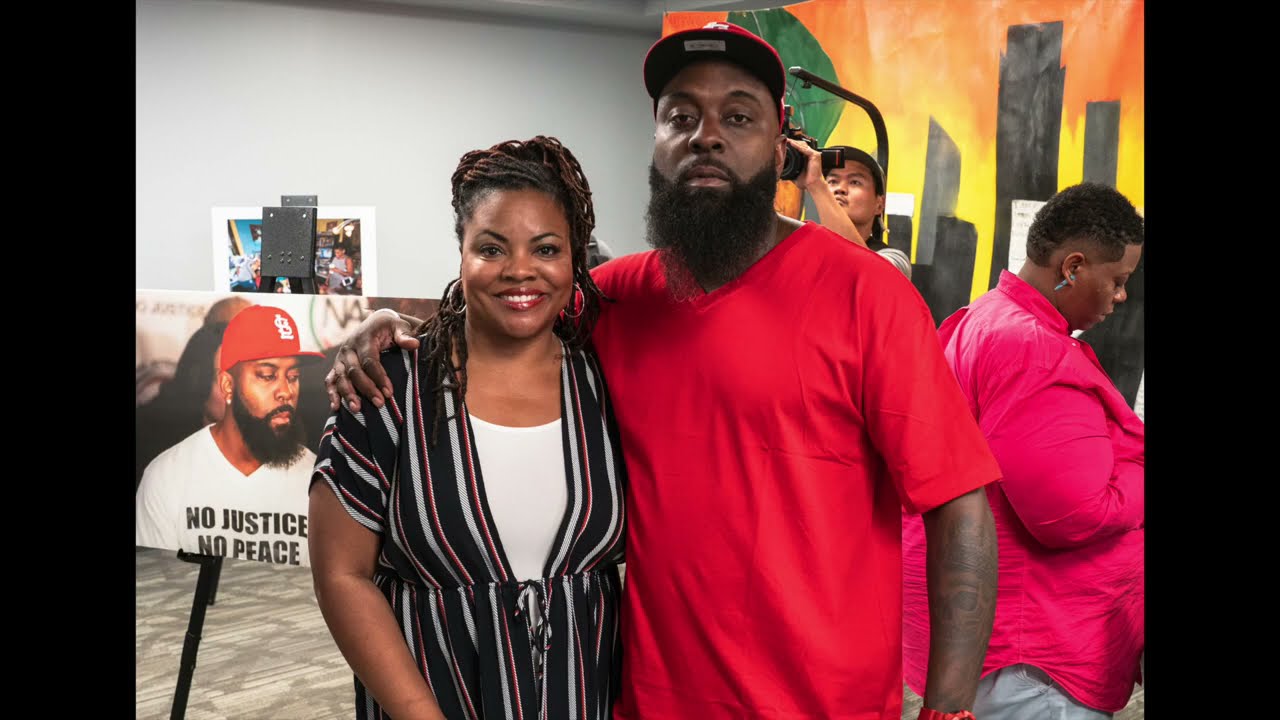
In this video, psychologist Dr. Jameca Cooper discusses the psychological impact of police brutality on African American communities, framing the conversation around the five‑year anniversary of Michael Brown’s shooting in St. Louis. She cites a recent study showing that police shootings are associated with an average of 1.7 additional poor‑mental‑health days per year for African Americans—a disparity not observed among white Americans. Dr. Cooper explains what post‑traumatic stress disorder (PTSD) is and outlines its key symptoms—anxiety, withdrawal, hyperarousal, and irritability—linking them to the trauma experienced after police‑related violence. She then proposes three reform strategies: (1) trauma‑informed policing training for officers, (2) community policing that fosters positive interaction and trust, and (3) stronger legal and policy mechanisms to hold officers accountable, using the Michael Brown case as an example of current failures. Finally, she poses a reflective question about whether mental‑health professionals can effectively treat the trauma that stems from systemic racism and the lived experience of being African American in the United States, affirming her belief that they can.
Chapters
Hello, I am Dr. Jameca Cooper, your favorite psychologist, and today we're going to talk about post-traumatic stress disorder, psychological trauma, and police brutality among African Americans. So one of the things I want to start off by saying is this weekend in St. Louis is the 5-year anniversary of the shooting of the unarmed teen Michael Brown. So even in the past 5 years, there's been lots of talk about police reform, but there have also been lots of other cases where unarmed African Americans have been shot by police and killed. In this case with Michael Brown, as of today, nothing has been done to Officer Darren Wilson, which means that he is still alive and free to live his life without there having been any repercussions other than him being removed from the force regarding his actions. So let's talk a little bit about what the impact of these type of situations are on the African American community. And I want to point to a study that has come out a couple of years ago that looks at data among African Americans and says that overall the shootings damage the mental health of African Americans. So again, no-brainer, that's one of the things we already knew. However, the study did point out some other good information. It says that African Americans have reported more not good days as far as overall mental health, which accounts to on average 1.7 more days a year of not good mental health. And when you look at that and compare that to white Americans, there is no such effect. For that traumatic injury. So one of the things we also need to look at is what is trauma? What is post-traumatic stress? Uh, post-traumatic stress disorder is a psychological disorder that people like me, other psychologists, use to diagnose people we see in practice as having experienced some type of traumatic event. What are some signs of post-traumatic stress disorder, or what we call PTSD? What are some signs of that? Some of the things you can think about would be things like anxiety. So being anxious or stressed about leaving the house, being anxious or stressed about getting in the car to drive to work, or maybe being anxious or stressed about simply going to work. So anxiety is one of the signs. Another sign can be withdrawal. So withdrawal from certain situations like work, or maybe in the past you were a really upbeat individual and like to go and hang out with your friends, but now after this traumatic event, you no longer feel up to that. So withdrawal from, from things that you would have used to find interesting. Another sign or symptom would be hyperarousal. So this would be someone that you describe as being jumpy. So they might jump at the sudden noise, or they might jump at something falling on the floor. So things that most of us wouldn't startle so much to, but these people would be on edge a lot. So we call that hyperarousal. Another sign or symptom of PTSD is irritability. Now irritability is a little bit different than overall angry. So a person that irritable appears to be on edge and appears to be the type of person that can be easily set off. So some people might describe that as angry or mean, or it could also be a symptom of depression. But most often when I see that in my patients, it is a sign of underlying PTSD. So when I look at the big picture, the big picture is African Americans have been psychologically traumatized by some of the events recently with police brutality and killing of unarmed African Americans. So what can we do about that? So there are some big things that can be done in police reform. One of those things are looking at more trauma-informed policing. So we can begin to train our police officers across the country on what is trauma. So how do they, in fact, play a part in causing trauma? How can they avoid causing trauma to others? Um, so just overall trauma-informed policing and training. Number 2, another thing that can be done is what we call community policing. So this is the policing where officers might, instead of just going out into neighborhoods looking for bad people, they would ride around neighborhoods and maybe have ice cream with the children. They might visit schools. They might just sit on the porch and talk to older adults in that neighborhood. By doing this, this is a way that they can really begin to know and understand the lives of the people in the communities that they represent. And then a third thing is simply having law and policy that hold officers accountable for their actions. So in the case of Michael Brown and Officer Darren Wilson, again, nothing substantial was really done to him. So we have to change that so that officers have to be held accountable for their actions, and in turn, maybe they're going to be more likely to think about some of these things before they do them. So I want to ask all of us, do you think mental health professionals can effectively treat the psychological trauma that is caused by simply living as an African American person in this country? Can they? I think they can.