You can’t heal what you hide #therapy #mentalhealth #psychology #healingjourney #selfgrowth
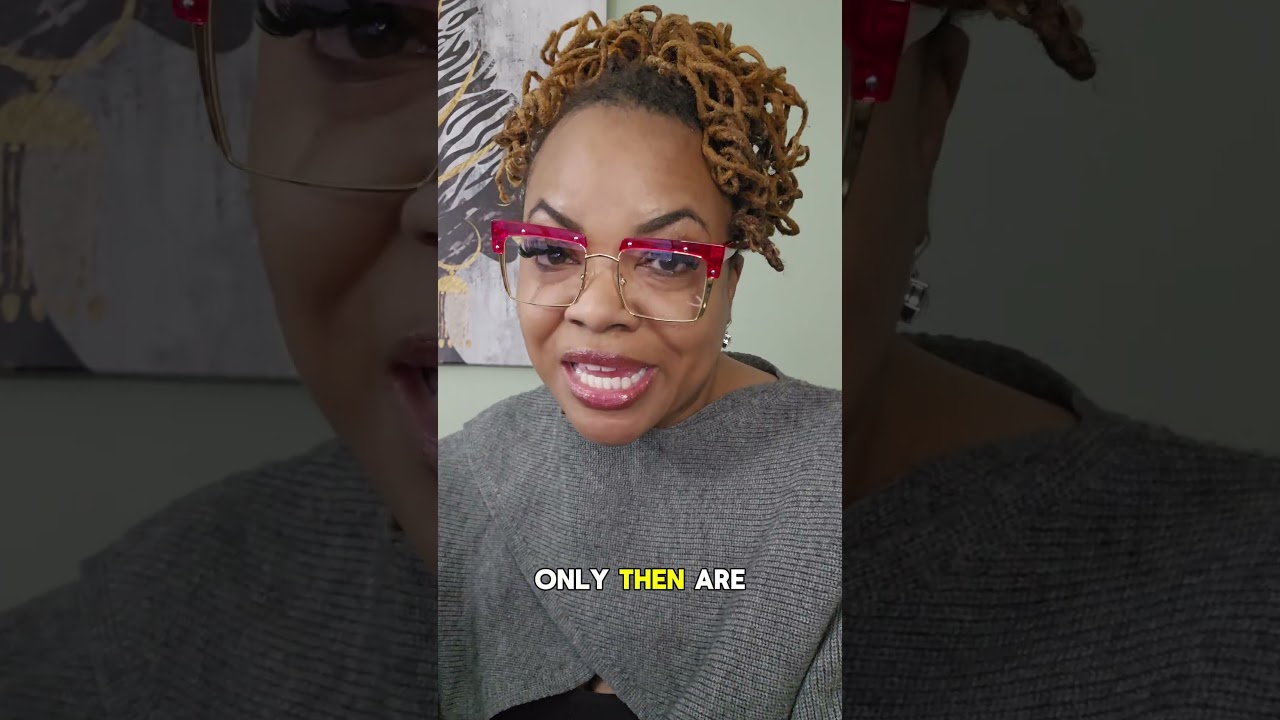
In this monologue, a psychologist with nearly 25 years of experience urges people entering therapy to be completely honest with their therapist. Using a primary‑care doctor analogy, she explains that withholding information is like missing a tumor that has been growing for years—if the clinician doesn’t have the full picture, they cannot diagnose or treat effectively. She extends the analogy to romantic relationships, stressing that clients must disclose their own actions and patterns, not just blame others, so the therapist can identify triggers, histories, and underlying issues. The speaker warns that half‑truths put the therapist at a disadvantage and set the client up for failure, leading to stagnant or superficial outcomes. She also differentiates between clients who simply want to be heard versus those who seek genuine growth, noting that therapy without a growth goal will not produce lasting change. The overall message is a call for full transparency to enable meaningful healing, pattern recognition, and personal development.
Chapters
More from Dr.

Parents, what’s the first thing coming out of your mouth? #spoiledadult #toxic #consequences #petty

Most people don't understand what boundaries actually mean #boundaries #psychology #mentalhealth

Now who you talking to like that? #genx #genxparents #gentleparenting #parentingreality #parenting

It’s my birthday! 💃🏾🎂 My knees asked for a quiet celebration. I declined #birthdaygirl #genx

Is this healthy parenting or not? #parenting #boymom #childdevelopment #scaries #genx


What most true crime fans misunderstand about behavior #truecrime #humanbehavior #psychology




80s kids had ONE rule: be home when the streetlights came on #genx #80skids #parenting #nostalgia