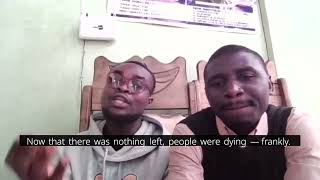
Dr. Céline Gounder speaks with a health expert about the Ebola outbreak spreading to major cities in Congo. The virus is now in urban centers like Goma and Bukavu, which means faster transmission. Without immediate action, schools and hospitals will close, health workers will get infected, and the virus will cross borders.
What do you wish people in the US could understand about what's happening there?
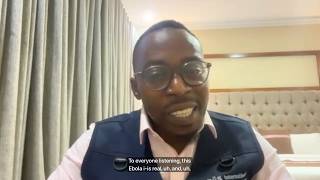
To everyone listening, this Ebola is real, and it's kind of moving fast. Once it reached Goma and now Bukavu, which are major urban areas, it means the transmission will likely be more. What is needed is more trained Ebola specialists. To be able to expand isolation capacity in key strategic locations across the country, have fresh stock of personal protective equipment to protect health facility workers and avoid disruption of regular health services, which is one of the things that worry me the most. So there is a need to quickly intervene. The only way to stop this outbreak is through strict infection control, rapid isolation, and full participation of the community that we are serving.
What does Goma look like a month from now?
I can only guess what would happen. There will no longer be public gatherings. They will be stopped. Churches, mosques, including schools might be stopped. There might be more healthcare workers affected. And meaning more health facilities stop working and more fatalities related. There might be increase of cross-border transmission even beyond this region. So I think everybody's contribution is needed for that not to happen.
What are you most needing from countries like the US to help with the response right now?
I think that the message is there is for everyone to act now before it's too late.