Ben Mattingly, MD, on How to Live, Learn, and Explore the World
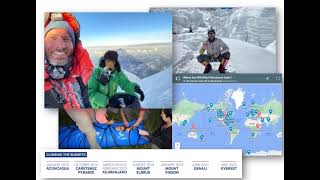
In this long‑form interview, Dr. Chris Stout talks with Dr. Ben Mattingly, a wilderness‑medicine physician, mountaineer, and co‑founder of Wild Med Adventures. The conversation begins with Ben’s personal origin story – a teenage pregnancy, early marriage, and a drive to prove himself – and follows his path from medical school in Massachusetts to a formative year in New Zealand where he first taught wilderness‑medicine courses. Ben describes how he leveraged that experience to create the first wilderness‑medicine fellowship at Bay State Medical Center, detailing the logistical, financial, and curricular challenges of building a new academic program. He then explains the genesis and growth of Wild Med Adventures, a for‑profit adventure‑education company that offers CME‑accredited courses in remote locations (Guatemala, Mongolia, Russia, New Zealand, etc.). The discussion covers the mechanics of obtaining ACCME accreditation, tailoring curricula to different specialties, and the importance of repeatable yet adaptable course frameworks. Ben shares how trip planning incorporates medical risk assessment, medication kits, communication strategies, and participant mix (physicians, nurses, EMTs, PAs). He outlines funding models for the fellowship (hospital shift coverage, departmental budgets) and the evolution of wilderness‑medicine fellowships nationwide. The interview also delves into Ben’s extensive climbing résumé – the Seven Summits, Denali, Everest, and Antarctic expeditions – highlighting specific incidents (Everest ice‑fall line, Denali unguided ascent) that shaped his perspective on safety, risk‑taking, and team dynamics. He reflects on interdisciplinary learning during expeditions, how exposure to other specialties sparked research ideas (e.g., high‑altitude pulmonary edema and pulmonary‑hypertension therapies). The conversation turns to advice for listeners who want to start similar programs, emphasizing clear target audiences, basic wilderness‑first‑aid modules, pre‑trip medical planning, and the value of personal passion. Ben offers a forward‑looking view of wilderness medicine, noting growing public interest, expanding evidence‑based guidelines, and the need for hemorrhage‑control education. The episode closes with practical ways to connect with Wild Med Adventures and a reminder of the host’s nonprofit, the Center for Global Initiatives.
Chapters
Living a life in full is a conversation you always wanted to have with that person who gave an amazing TED Talk or the author of one of your favorite books, or that inspirational Olympian you always wanted to know more about. It's graduate level conversations with those making a difference in the world and in the lives of others. This show brings you new ideas and approaches so that you can live a life in full. I'm your host, Dr. Chris Stout and I hope you enjoy this episode. This episode is brought to you by the nonprofit I founded, the center for Global Initiatives. The center is an all volunteer organization so there are no salaries and thus all tax deductible donations can go to the work. While our key country partner is in Tanzania, our work is global and generally focused in the areas of education and healthcare. We also help others to get their nonprofits started or augment others project based initiatives. It's our goal to open source humanitarian intervention and to help make it easier for others to do more good in the world. We are proud to have been ranked a great nonprofit every year since 2011 and to have achieved a Platinum level rating by Guidestar Links. In this episode's show, notes will take you to published articles on our outcomes, number of helpful tools and downloadable resources which are all free always. Please Visit us at CenterForGlobalInitiatives.org and be sure to watch our video at Patreon.com DrChrisStout to learn more. Thanks. Welcome to another episode of Living a Life in Full. I'm your host, Dr. Chris Stout. If you know me and my background then you know that I enjoy adventure travel, extreme and endurance sports and in combining interests to mutually enhance an experience and honestly, to be efficient. I'm big on multiple birds with one stone, so to speak. Going on climbs and adding a fundraising aspect led to the creation of summits for others, to the founding of a kindergarten in Tanzania and actually my non profit center. When I went on medical missions with the Flying Doctors of America, I would combine some sort of adventure travel with it as well. Since I was already in some remote locale when I was invited to give a talk, I'd bring my family along when possible and we'd all enjoy not just time together, but also opportunities to explore and to learn. And of course there are those weirdo challenges of mine. But I digress. In the context of the aforementioned, I have found a kindred spirit who has dialed it up a notch to an amazing new level. Dr. Ben Mattingly, along with his wife Jennifer founded and own Wild Med Adventures he's also the founder and former director of the Wilderness Medicine Fellowship Program at Bay State Medical center and former assistant professor at the University of Massachusetts Medical School's Department of Emergency Medicine. Ben has a passion for the wilderness and has traveled throughout the world, including a year working in a small ER in New Zealand. With his father, he summited Mount Rainier, Denali and Vincent Massif in Antarctica. And in 2023, he summited Everest and completed his goal of tackling the seven summits. He's taught wilderness medicine while climbing the highest mountain in Mexico. And in Guatemala, he summited the highest peak in Central America. In addition to mountaineering, Ben rock climbs, scuba dives, backpacks, and is a triathlete, skier and off road and extreme sports enthusiast. He served as the team doctor for an American Hockey League team and has been active in wilderness medicine and medical education throughout his career. Ben has twice been awarded the Outstanding Teacher of the Year by his emergency medicine residents and he's taught wilderness medicine in over 10 countries. Ben holds a special interest in wilderness injuries and high altitude medicine and is an active Advanced Wilderness Life support instructor. Ben, welcome to the show. It's great to have you on.
Yeah, thanks for inviting me.
So, boy, talk about living your life in full. You're kind of the poster boy for doing so. We were even just talking about what you've been doing off mic just before today's show. And you also do it in service to others. Maybe we could start with your origin story, like what drew you into medicine and then what, to specialize in wilderness or pardon me, emergency and then sub specialize in wilderness medicine.
Sure. Yeah. I think I've had kind of a winding path, so I should say born and raised in Kentucky and honestly didn't know anything about wilderness medicine. I think we had spoke about this before, but I had the unexpected positive pregnancy test from Jenny when we were in high school. So this all started off with teenage pregnancy at age 16. And I think, you know, people handle stresses in one of a couple different ways. One is to kind of give up and think that your life's over. And the second is, is to prove everybody wrong. They said, you just ruined your life. And to go on and say, you know what, I can do whatever, it's going to take a lot of hard work, but I'm going to go for it. So, yeah. So my wife and I got married. I was 17 years old. No one in my family had been west of the Mississippi. I never flew in until I got to medical school. So that was sort of the Start.
Wow, you made it for lost time.
I actually did some talks our high school because I think the point is, is that you've got to believe and you can sort of know what you want. Doesn't mean it's going to be easy. But sometimes we, we have things that happen to us that affect us in different ways and it's how we respond to those that kind of create the paths of our lives. So yeah, so my wife and I, we drove out to the Grand Canyon before the Internet. I don't remember. I think we were like 18, 19 years old and we took our son and we just wanted to see a snow peak mountain and go to the Grand Canyon. And so we drove out west. And I think that sort of opened our eyes that we wanted to be different and kind of see the world. I didn't know what I wanted to do. I thought I'd probably be a teacher, you know, a professor. And I had shadowed. There's no one in my family in medicine. And then while I was in college, I'd always done well in school. I shadowed a few physicians and one really struck out that was just super down to earth. And his patients all liked him. He kind of had this wild hair and he was super energetic and I was like, I think I could do that. And I also wanted to be different because I felt like I had more in common, you know, coming from a small town with the people than I did the physicians. To be honest, you know, I thought sometimes they thought they were better than people or something. I wanted to be a little bit different. So yeah, so I went to medical school and then we decided to go to Massachusetts and try something different out of, out of our home state for residency. And that was kind of the beginning, right? So we kind of always wanted to travel and do those things. We just didn't have the money or the time. So by the end of medical school, we had three children. You can imagine, you know, a 26 year old Kentucky boy going into Massachusetts, showing up in the neighborhood with a ten four man. And when I got there, I'd always love doing things outside. So I was always into adventure, racing and running and all the, you know, rock climbing here in Kentucky at the Red River Gorge during medical school. And I remember telling all my classmates they were all going out and doing all these things. I was like, you just wait, one day you're going to have young kids. I'm going to be traveling the world. But yeah, so then, you know, I think, you know, not to go on and on But I think, like, little weird things happen in your decisions that you make. You know, I think a lot of people put them on pause or, I'd love to do this, but it's not the right time. Or maybe when I'm finished with residency or when I have money or when I retire, and I think take the opportunity to just say yes. Occasionally, it changes your life. So, yeah. So two years after residency, I stayed in Massachusetts to do academics, and I literally came home from a bad night shift, and we sat down with our family, and I think. I don't know if I saw a commercial or where this even came from, but I was like, you guys want to go to New Zealand? They're like, you're always doing crazy stuff. You're not going to do it. No, I'm serious. If you take off of your school tomorrow, let's go to New.
Wow.
And literally, my chair, who was a great, great guy, Dr. John Santoro. What a great friend and a mentor. And he said, then you got to do what's right for your family. You'll always have a job here. Go do it. And so that led us to New Zealand. And while we were in New Zealand, I, I. The couple of the guys I was working with, some of it was just chance, but they were doing some of the first wilderness medicine education outside the United States, and I was able to teach with them. They said, you'd be great. You do all this stuff, like, help us teach. And I helped run one, the first advanced wilderness life support course outside of the United States.
Wow.
So that kind of set my path towards wilderness medicine. When I finished residency, I think there was only one fellowship in the country, and that was out of Stanford. So when I came back to the program, what was that?
Was that Eric Weiss at Stanford?
Yeah. So Eric Weiss was at Stanford, and he ran that program for a while. Oh, God, I'm going blank. There's another. He wrote Paul Auerbach was the original founder of that program and then also was big with the Wilderness Medical Society as well. But, yeah, and Eric Weiss was involved with that program.
Gotcha.
So when I came back to academics, they said, listen, if you want to stay in academics, what's your niche going to be? And I was like, well, I just came back from New Zealand. I said, I want to start my own wilderness medicine fellowship. I said, give me a couple years. I'll write up, you know, all the logistics and the, you know, I had to figure out all the numbers as far as how to pay the fellows and all that. Stuff. So it took a couple years. I took, I needed to be stronger in mountaineering, so I took a mountaineering course and then, and then started the first fellowship at Bay State Medical Center. I think we were maybe like the 8th or 9th in the country at that time. So that just kind of. Right, sometimes your choices, you make just a random conversation at the dinner table kind of lead you down this crazy path.
I love that.
And so when I took that mountaineering course, I did it, you know, just by myself. It actually was out in Nevada and the instructor, a couple people canceled, so it was just me and him and I, you know, so I really loved combining the endurance part and the planning. A little different than rock climbing where you get sort of an immediate, you know, adrenaline rush. So maybe I should say. But so when I got back, my dad was 60s and he didn't do that course. He's like, I'm not learning that I'm too old. And I came back, I said, let's go climb Raniere. And he's like, I didn't even do the course. I was like, I can teach you everything you need to know. Buy the gear. I think another example of just like, you're never too old necessarily. You just, just take some chances, you know, and, and go out. So he did. And we, me and him and my friend, we went unguided up Rainier. And that was sort of the beginning of a 10 year climbing addiction for me. So, yeah, later that year I had my first fellow. He was a, a friend, he was a resident. And he said, man, if you start the fellowship, I'll be your first fellow. That was Joe Schneider. And so I saw a medical course down Climanic and Kagua. And so we signed up and my dad went with us and we went and climbed the highest peak in South America. And I became really good friends with, you know, Andy's mountain guides. You know, I think it's all these, and the way you, you treat people and the experience you have. And hey, will you be our medical lead teaching? We want to climb Carstens Pyramid. I've never heard of Carsten's Pyramid, but I'll do it. So that led me to Carsten's pyramid, which is in West Papua, which is the highest peak in Australasia. And then things, just one thing leads to another. I met a guy there, Chris Emre, who was an awesome person, very humble vascular surgeon out of the uk. He's done most of the research on frostbite. We became really good friends. He's like, well, Ben, you should run Antarctica sometime and I'll help teach. And we should climb, climb the highest peak there. And I kind of kept that in the back of my mind. And I met another guy who was a medic who had been in Afghanistan, who had just came back from Russia and gave me some contacts and said, you should go climb Elbreth as well. And I was like, all right. Oh, man. I think the seven summits had kind of. Taken hold at that point. We took our daughter, my wife and I went, my dad went as well, and we climbed that. I think that was like 2,000, probably 15 or 16. And then, so then I quickly figured out how to go to Russia, that was in 2016, and climb Mount Elbrus with the recommendations from a friend I'd met on Karsten's pyramid. And, you know, when I started, when this was all taking place, we started Wild Med Adventures. And Wild Med Adventures is basically an adventure medical education company that my wife and I started. And when we were first teaching in New Zealand, we kind of always thought, man, wouldn't it be fun to do our own thing and go anywhere we wanted in the world and, like, you know, really put into, really have a vested interest in people's experience. And then when I started the fellowship, you know, it really kind of sealed the deal as far as us starting our own company because we wanted our fellows to be able to go anywhere in the world and help us, you know, teach. Because when you first start a fellowship, it's hard to get into some of these societies, you know, they give you a 20 minute talk at a hotel conference or something. But I really wanted to help plan expeditions.
Yeah.
So, yeah, like, for example, like one of my fellows, like, I want to go to Mongolia. And I was like, all right, give me like a month, you know, like, so we, like, we're going to climb the highest peak in Mongolia. But then they got to think about, all right, we got 18 people, where's the nearest hospital?
Right?
Where's what communications are we going to use? What kind of medications do we need? What injuries are we going to see? You know, do we need to take medicines for everybody? How much weight can we carry? So there's a lot of things going to the plan that I think is also great for education. Yeah. So like kind of started because I could take things, right? We could travel around the world and really think about the different types of problems and also teach how to take care of them. Yeah.
So how did you get your funding initially for the fellows? Was it grant?
So for the fellowship. Yeah. So again, it's basically they're going to do an extra year of training. So how most of these fellowships work, they're gonna. They're gonna work a certain number of shifts as an attending physician in the hospital. Right. So they would work eight shifts a month, which would cover their cost. You know, and you. You know, I had to run all the different numbers as far as what the department was going to make, how we're going to fund things.
And that was the ed. Emergency.
Yeah, Emergency department.
Got it.
Yeah. So most fellowships initially in wilderness medicine were all emergency after emergency medicine residencies.
Makes sense.
Yeah. And now I think they're probably. And I don't want to misquote, but I think there's probably 30 plus fellowships now. And some of those are offered for family practitioners and also like mid level providers.
Wow.
They have some program like physician assistants and associates as well as nurse practitioners. So it's really grown in the last decade for sure.
And Jenny's a physician assistant, right?
Yes, she is.
When did she get her training? Was that kind of simultaneous to your medical school or how did you guys fit all that in?
Yeah. So Jenny. So she was two years ahead of me in school about a year. Difference in age. So when I was finishing high school, she was in college at that time, you didn't have to have an undergraduate degree to go to become a physician assistant. She got into the program and graduated PA School. Right. A year before I went to medical school. So when I was in medical school, she would work two 12 hour ER shifts on the weekends when I was out of school. Yeah. So we just kind of made it work. I think you just helped. I could do that now. Yeah. So then. Yeah. So she worked in the ER while I was in medical school. And when we moved to Massachusetts when I was in residency, she was doing. She switched and was doing student health, which was nice just for our schedules. A lot of times she would have
the summer off, I bet.
So kids.
Yeah, I want to. I'm going to circle back to the climbing, so let's put a pin in that for a second. But speaking of the wild Med adventure, Genesis. So could you step us through the mechanics of creating a continuing medical education company? Because I know you and I talked a while back. I'm a clinical psychologist. I know the criteria for maintaining your practice license for psychologists varies from state to state, as it does for a variety of other healthcare providers. I know that becoming certified or approved by a state licensing board or a professional organization to provide training that gives you either CMEs for medicine or continuing ed for psychology, for example, is really complex. And they have like. It's a pain in the neck. It's very difficult. There's high standards. So what was it like for you and Jenny? Because you guys cover, you know, so many different types of providers, physicians and nurses and EMTs and others. How did you. How do you sort out all that? And how did that, you know, like where. Where do you even start with that? Because that seems to me it'd be such a daunting task in the early days.
I think a little. It's kind of overwhelming. We first started out with a certification class that we would run, Advanced Wilderness Life Support, which has got sort of a, you know, just like ACLs or PALS or some of these certification courses, you can become an instructor, but they kind of sort out the curriculum. So when we started, we run a few courses. Our very first course was actually in Guatemala. We would run it as an advanced work life support course. We're trying to figure out the accreditation. Our biggest hurdle was trying to get our courses approved for the medical education. And that all has to go through accme, which is, you know, approves your accreditation. So we actually went through the Wilderness Medical Society. But you're right, every single course has to have its own application. And you have to evidence, you know, a big application process to try to figure out. You know, you have to provide evidence as why do people need to learn this topic? Where is the learning? What are the learning points? Where deficit within the curriculum. And maybe people haven't been taught this very well. So you have to have, you know, a whole application as to the timing of your lectures, what they're going to be on.
Wow.
Points they're going to prove. And so that took a while to try to sort out.
Yeah, it sounds like a nightmare. Ben. Jeepers.
What's.
Once you get it, is it just sort of like. Then just groom it and maintain it kind of a thing. You don't have to start from scratch. Every new. New court. Well, a new course, yes, but like redoing a course maybe in a different locale or how does, how does that work? Once you got your beach head.
Definitely. Yeah. I mean it. Definitely. Once you've done it and you need to sort of figured out the framework, you can kind of use that as a skeleton, you know, horses, and then change up the, you know, the articles or the, you know, how to, you know, we would change up some of the application, but mostly that would stay the same because for Us, we wanted the T. We don't want just a generic curriculum that we do on every course. Like if we're going to go, you know, if we're doing a mountaineering course, we want to teach about altitude and frostbite and hypothermia. Yeah, we're doing, you know, off roading. We want to do trauma and head injuries and statistics on, you know, off roading, whether it's dirt bikes or snowmobiles. So we want to tailor that curriculum. And so. And we have a lot of repeaters, I would say about 90%. You know, like we're got a Honduras trip coming up, 20 out of the 22 people we know already, so they don't want to hear the same stuff over and over. Makes it a little harder. So we got to change up the topics and try to make it interesting and keep people, you know, wanting to learn new stuff. So yeah, I think definitely you kind of go through this learning process, you know, trial and error until you sort of come up with a framework that works and then you just got to change it up. You know, we talked about becoming our own sort of ACCME provider, which is another, you know, probably a year to two year long process. And it's pretty started, you know, to be able to become your own CME certifying body. Right now we're a joint provider through the WMS Society, so we still have to do a lot of the, we do the same stuff, but it's through, you know, another company. And so. But that's $15,000, I think, just for the application. And then you got, you know, it's just a whole lot of wow. And I think a lot of it is just putting your head down and just doing it. But it's, there's, there's definitely hurdles.
Yeah. Yeah, gotcha. So I'm going to. This is going to be like a plug. But I have a quote from something that you said a while back and the quote is, we strive to make our courses not only an excellent learning opportunity, but a chance to visit amazing locations with good company and memories to share for a lifetime. And obviously, like you were just saying, Guatemala, like 20 out of 22 or you know, second time X time people that have come back. So that's a good testament to, you know, the, what they, the quality of it and what they get out of it. Your adventure. CME courses are offered and I'm probably going to miss something, but I have a little list here. Mexico, Costa Rica, Austria, Mongolia, Russia, New Zealand, Guatemala, Papua New guinea. In the US and elsewhere and can include rafting, hiking, diving, skiing, climbing, mountaineering and other outdoor activities. So how do you then go about selecting locations, selecting what kind of sports? I mean, I get it, like if it's Mongolia and climbing or something like that, but. And then maybe give us a sketch of like what a typical trip or two might look like. So how do you, how do you pick them? Where do you pick, how do you pick where to go, what sports and activities and then a couple of trip examples.
Yeah, sure. No, mostly, I mean it started out I was, you know, mostly. We were mostly doing mountains. You know, some of it's random, sort of like I feel like my life's kind of in random in certain ways.
Yeah.
We would have people show up like, you've got to run a fishing trip in Alaska. We've got an outfitter. And I'll be like, I'll check it out, send me the details. You know, we're like, yeah, why don't we do that? Some of it's trips I want to do. So like it might be an off roading, but usually we've either checked it out ourselves. So, you know, my wife and I or a friend will go down and make sure that the outfitter is good or it's going to be a recommendation for somebody I really trust. So, you know, sometimes we'll, you know, and then it'll be like, well, why haven't you ran a snowmobiling trip? I'm like, I don't know, I'd love to run a snowmobiling trip. Do you have a contact or where can we go or y' all want to do. And so some of it's kind of random. I think there's certain trips we run almost every year which are sort of like, right. Trip of a lifetime that a lot of people want to kill them in Jaro.
Right.
There's places, maybe Galapagos that people want to see and do or Machu Picchu. So some of those are, you know, some of the trips that we may run every year. And then sometimes we'll do one offs that we're just kind of interested in or our instructors are interested in. And so usually we'll kind of get those logistics down now that we have a little bit of a following. You know, we can sometimes say, hey, we're thinking about going here. Who's, you know, how many people do we have interested? We're thinking about running this. Then sometimes like we just did an off roading trip in Vietnam and honestly I was Like, I'm gonna go either way, so if we have some friends to go with, it's gonna be great. And if we don't, I'm gonna go anyway, so. But, yeah, a lot of times, it's stuff that we're personally interested in. It's places that, you know, we try to find unique places that aren't just a big, you know, hotel on the beach or something. We want some. We want, like, an experience where we really get to feel the culture, and we have sort of off the beaten track and maybe some places that people don't feel safe traveling alone so we can travel as a group, which makes it sort of special and, you know, to us, I mean, in the last three years, my wife and I have ran Kilimanjaro for about a decade, but we were on the last three trips personally running it. We've taken over 110 people to the summit.
Wow.
And only one person didn't make it. And I think the reason being, if you're into mountaineering stuff, it's the team dynamics. You know, they say the number one predictor of success on Denali is your team. And so I think seeing people come together for each other, no matter what their background is, when people get sick, you know, picking them up, giving them confidence and singing and all the things that are involved. And I think the spirit of the climb has made it really successful and unique for people, and we're vested in it, Right. It's not for us. It's sort of a hobby and sort of become part of our job, but we really want to foster the relationship part of it. And I think in medicine, especially after Covid, there's so much burnout, and people are frustrated and tired. And it's a unique way to get out and see other specialties and sort of bond in a unique way. And so it's been really special for us. Like, we don't consider them clients. Most of them have become really close friends. That's, you know, had lots of them have come and visit us on our farm. It's just. It's hard to explain sort of the camaraderie that we forged over, you know, a decade of running trips. And so, yeah, a lot of sort of random. I'm kind of like a. I think in life, I'm kind of like a true emergency medicine doctor. Like, I know I'll, you know a lot about anything and a master at nothing, I think. I like to try everything. I'm an expert at none of it. I love to do it all yeah, that's good. And so we kind of. You know, some of them are pretty unique, like fishing and hunting. And when you think about some of these things, you know, people going in the woods by themselves and how you can increase safety and, you know, I think that we've kind of made a difference in some of those things. Whereas a lot of the wilderness medicine is focused only on mountains. It's like, you know, the outdoorsmen that are fishermen and hunters and going to Alaska to hunt, and the guides don't even ask you if you have diabetes or heart disease. Ways to think about where we're going and how to be more safe. It's kind of cool.
That's a good point. So that gives me two new questions. So do you have a minimum number of go, no go, or does it depend upon the trip? Like, you're just saying, hey, I'm going. If no one else goes, no problem. I'm going anyway. But for the business y side of it, do you have a critical number or is there a max number to say, well, we can't take 50 people or we can't. I guess it varies by the trip. You know, you're not going to have, like, a humongous, you know, climbing party or something. But how do you. How do you do the math of that of, like, saying, well, we gotta. It's. We can't afford to do it unless we have X number of people. Or, you know what? We've gotta have a waiting list now because this one's super popular.
Yeah, no, absolutely. I think every trip is different. You know, like some of our smaller fishing trips or something, we may have a maximum of 10, and some of that depends. You know, a lot of times, if it's not. If. If I'm not running it or my wife, if we're not running it together, I'll let the instructors know, hey, here's kind of the cutoff point and what the costs are. You know, we need kind of like eight to be able to, you know, or we need 10 to be able to get you there free sort of deal. And every trips. Every trip's a little bit different on numbers. I mean, most of ours are fairly small. We have been able to take a pretty large groups to Kilimanjaro, which we've actually was interesting is we. We found that we enjoyed it more with a larger group because some people sleeping. It always leaves 10 or so in the tent to play cards. You know, we play drinking games where we hydrate with water, you know, help with the altitude. And so, and then you can kind of change who you're hiking with. And really you have the time, each person individually. And so we've kind of found that to be a plus. That's one of our larger groups where we can take up to 30 actually. But most trips, especially some of the larger mountains, like I can have a max, like 12 or so. Yeah, each trip depends. You know, I would say we, it's a certification course in the. Where we can. We will have like 10 or 12 instructors and we have the whole camp, you know, 300 acres to ourselves. We can have a little bit larger groups, but 30 is kind of the max. Most of our trips are going to be somewhere between 12 and 20.
Go ahead. Sorry.
Yeah, we just got back from a snowmobile trip and we had 12 people and it was great. Small group, we can do skiing, snowmobiling. And so yeah, most of the group sizes are pretty small.
And so are they. Is the mix of the people there, profession wise, are they like. And again, it probably varies from trip to trip, but is it typically physicians and if so, what kind of specialties? Or is it a mix of nursing EMTs, what have you?
Yeah, so some of our certification courses, like Advanced Wilderness Life Support, where it's only three days and it's in the States, we have a much bigger mix of paramedics, nurses, doctors, I mean all ex baby seals, really cool people that I've learned a lot on the trips from experiences and their expertise. I would say most of the trips are probably physicians. We had a basecamp trip last year which was unusual, I think outnumbered the physicians. So yeah, it does vary. But I would say most of the courses, some of them are kind of expensive, you know, once in a lifetime type of trips. I don't know if, you know, some of the physicians get continuing medical education funds and some of the nurses, I don't know, you know, don't get as much as far as reimbursements and things. So I would say the majority is physicians. And we've had just about every specialty. We've had pathology, radiology, anesthesia, pediatrics. I would say the majority, I think would be emergency physicians and anesthesiologists. For whatever reason, we've had ob, gyn, we've had just about every specialty, which to me makes it makes it that much better because you know, we've sat and done discussions on altitude and I got perspectives of anesthesiologists and from treating pulmonary hypertension in the operating room, you know, you get a very diverse Background of ways that think about things, which has actually opened my mind to lots of different research projects and stuff. It's really kind of a cool experience. And we also. You might be talking about trauma on a dirt biking course, and you've got a general surgeon there to give you his opinion about compartment syndromes and orthopedic talk about certain fractures and the way they would handle things. So it gives us kind of a unique perspective, I feel like, makes it a better learning experience.
That's great. I really like that. So has there been any, like, experience that significantly influenced your approach to medicine and adventures at this kind of a thing? The diversity of specialties and different perspectives, you know, that you can then bring to your own research or your own practice?
Oh, I mean, absolutely. I, you know. Well, I had a couple of things like with high altitude, not. I don't know how much to go into this, but we had theologists, we were talking about, you know, on a trip, actually. We're talking about fishing or hiking or hunting or climbing at altitude. And basically high altitude pulmonary edema is related to the pulmonary vasoconstriction that we all get. So, you know, when you don't have oxygen, the body thinks to shunt blood, so it vasoconstricts. And he was talking about patients that he treats with pulmonary hypertension, which is you want to dilate the blood vessels in the lungs, so we should say. And he was talking about treating pulmonary hypertension in the operating room, which is allopros or prostacycline, which is a direct pulmonary vasodilator. And that's never been studied at altitude for pulmonary edema, which I think could be a huge changing point. Yeah. So, you know, if somebody's listening and they want to work on a project, you know, but, you know, there's things that haven't even been studied. And so I think we're going to see some of these things change. And I would have never known that or thought about that without having a different specialty to suggest some of these things. There's been multiple other incidences where I've. It's made me think outside of the box. And so, and even my own med kit, you know, has changed as far as what I would put in it for hemorrhage control and different things depending on where we're going, what kind of activity we're. We're doing. So, yeah, definitely, it's. It's broadened. It's broadened, you know, my, my horizons as far as how I think about things. And, and so. Yeah, no that's, I love that.
Well I, I mentioned we're going to put, and this is a good segue too. I mentioned we're going to put a pin in, in the climbing. So let's, let's circle back to that. So I'll put this in the show notes because I'm very impressed with your, your, your climbing resume. But. So Ekankongo was January 2013, Carten's Pyram 2015, March 2016 and February 2023. Killy and maybe more in there somewhere.
Yeah, the last couple years.
Yeah. Elbrus was August 2016. Mount Vincent Massif or Mount Vincent in Antarctica 2019, January, June 2021, Denali and then Everest 2023. So that's the pinnacle of then being able to do the seven summits which I am very impressed with. I'm a closet cl. You know, just want to be alpinist myself and done a few of those myself. But to be able to get the grand Islam of those seven is just really tip my hat to you, Ben. That's awesome.
I appreciate it.
So I know from doing some background that you had some misadventures with the Everest expedition. Could you maybe share what happened with that one?
Yeah, I think so. A couple things like I said, kind of lead to, you know, random stuff. So after we climbed Elbrus, Chris Emery called and we went to Mount Vincent and there I met a Sherpa named Namga and was just one of those people you just really love. Right. Just a great human being. And he would just started a company called Grand Himalaya in Nepal. And so when I met him I said listen, in a few years I'm gonna, I want to climb Everest, but I want to do it with you. I don't want to, you know, two hundred thousand dollar ping pong table in my base camp. I want to go with somebody kind of support the, his company and, and then Covid hit and so we waited a few years and I, after Covid, I called him up and we were going to take a, we were going to run a CME trip to base camp and I was going to stay and climb with Nam in Antarctica. And so the unfortunate thing was a couple months before he had a recurrence of esophageal cancer and he passed away a couple of months before we were supposed to head to Nepal. And when I was talking with him, you know, he said, please don't cancel this. My wife will help figure this out. If I'm sick or if I'M not available. But, you know, they don't have health insurance, they don't have life insurance.
Right.
It's meant a lot to him and his family. And so I said, listen, kind of how I did every mountain, it's like, I just want to go and experience it. I didn't have a hard set goal like, like, I'm gonna go to the summit at all costs. You know, I've always kind of been like, let's go. And if things line up and things happen, and then that's the way it is. So I went anyway. And it ended up being his wife's brother, Pimba, who's become a great friend, was my guide and we got to meet his children and his wife. And so that's how I ended up at Everest.
Wow.
And, you know, my concerns, obviously you see it in the media, you know, long lines and is it safe? And it's become more of a, you know, commercialized.
People get drug up it rather than really earn it.
Yeah. And a lot of people want to climb just because it is the highest peak and for whatever reasons. Right. And for me, I'm just kind of doing it for fun, you know, I have anything. And so it does play a little bit of a mental game. So you get over there. You know, my wife and daughter went to base camp with our CME group. And when they left, you know, you start thinking things like, you know, is this selfish? You know, what if, you know, even though they're grown, you know, something happens to you. Just because I wanted to climb mountain, you start to feel those things, you know. Three Sherpas died in the ice fall right before we got there. Oh yeah. And they were on the Imagine Nepal team, which we shared base camp facilities with. And so we got to know a lot of those guys. And so it becomes a lot more real and it's crap, you know, and it's become a lot more crowded. So, yeah, I wrote about that in my blog on the website, sort of about my experiences. So I kind of made some deals with myself. You know, if I get stuck in a long line, I'm going to turn around. If we can't make it to the summit before early morning, I'm going to turn around. You know, you try to have some, you know, always I want to be, but not reckless. You know, I can take chances. We can all die and that things have risk and there's avalanche. Things you can't control, but direct in your life. And so we got caught in a really long line going to ice Fall. The first time Camp one, I told my gap, I was like, man, I had a great experience. I've got to see everything. I got to meet people. But I think. I think I'm done, you know? He's like, did I do something wrong? Like, what are you talking about? Oh, I was like, no, it's just, you know, we were just getting a sweat. I was just feeling good. And then we sat for, like, an hour in a really dangerous section on the Ice Ball. And to me, mentally, it's like, is this worth it? You know, like, good for you. What if I get stuck? Yeah, what if I get stuck higher up? So anyway, I said, he's like, just wait till the morning. You know, Wait till the morning. We wake up in the morning. It's a beautiful day. And I was like, all right, I'm not gonna go back and forth. I want to climb the mountain. These are my guidelines. If I get stuck in a long line, I'm turning around. If causing the ice fall again, I'm done kind of thing. And so, yeah, that we kind of had really. We. We went back down. We spent a few more weeks. You got stronger. And when we went back up the second time, we. We left a little bit earlier, and we hit no lines. And so I kind of went with that. With that plan. And then when we got to, you know, we got all the way to high camp, we really went from Camp 3 to Camp 4, and it was a bit of a line, but it's a beautiful day. It wasn't anything that was dangerous. When we get to high camp, though, we only had about two hours before we had to leave for the summit, so there was, like, no sleep, you know.
Wow.
And when we took off, we kind of leapfrogged people. I was like, man, we're not gonna make it. He's like, do you feel good? I was like, I actually feel great. I. You know, some days you just feel good. Some days you don't feel good. I feel good. Made it up to the summit for sunrise, and I. I don't know if you got a chance to read the blog, but. So as we were coming down, the onslaught of traffic was coming up, and I was like, oh, this is going to be. It's gonna be terrible. You know, we're getting around the step, and you can't really get around people, right? And so there's a line, you know, there's a fixed line that you clip into. And so I kind of got up, climbed up on a little. Maybe three feet off the Trail kind of on a little ledge and I was letting people go around me and I clipped back into the line and a guy around the corner, who I didn't even see fell. When he fell, it jerked that, that fixed line and basically slung shot me off the mountain. Right. I'm hanging there, just realizing like, hey, I'm all right. That's good. Yeah, I feel good.
Wow.
I turned around to put my crampons to climb back up the trail. I put my left leg down. Man, it was like somebody shot my left knee. And. Yeah. So I, you know, luckily I. I could manage and I got up and I was able to get down. It was gonna be a long, long, long down. And come to find out, you know, when I finally got home and stuff, I tore my meniscus and had a lot of bone marathema on that femur. But, you know, it just makes you stop and think, like, if it had been a little harder or I fell a little to the left or a little to the right, you know, if I broke my leg there or a little bit worse injury. Yep, you're dead.
Yeah.
Rescue, you know, so you gotta, you gotta think about those things when you're, when you're, when you're climbing. And I think like other things happen or people are paying to not have to carry anything. People are dropping oxygen tanks. So.
Right.
I think things need to be done. I think they continue to try to regulate it somewhat as far as the number of permits and the number of people. Again, the last thing I want to see is something happen to Pimba because he's trying to take somebody up that really, you know, is. Is not able to. To climb, you know, so, like, they may be going to be time cut offs maybe if you can't get to Camp one through the ice fall in less than eight hours, you know, that's just an automatic. You can't go. Go further.
Yeah.
But I think some things need to be done for the, for the safety of everyone. I know they've limited some of the helicopter access this year. We've got a team going to base camp and so they're trying to do some things right. But there's also money involved and it also does a lot of things as far as community Sherpas and provides jobs for people. So. Yeah, it's kind of a complicated issue. You know, did I have a great experience? Absolutely. Would I do it again? I think I would have to think hard about it as far as. Is it worth, you know, is it worth it?
Right.
But it was Something that. Yeah, I mean, you know, it was definitely an amazing experience. I met amazing people, and we're able to go back every year and. And take a. Take clients to the base camp, which supports, you know, Namga's company and his family, which I'm really. I really love to do for you.
So was your dad on that climb with you too?
Yeah, so he went to base camp with the group. He had decided that he was going to stay with me because we knew a lot of. We knew some folks up there from other climbs. And then he was going to climb Lobache, which is another peak. I think it's like 24,000 misspeaking, which is an acclimation height forever. He stayed. A lot of people were getting sick. Whether they had Covid or they were getting a virus, he got sick. He still tried to climb low when he got. Probably had pneumonia. The altitude wasn't helping things. And so actually evacuated from base camp when his ass got to, like, you know, I'm like, dad, I'm pretty laid back, but when your stats are 48 and you're blue, I think we're gonna do something. Yeah, we need to not ignore this anymore. And he went back after about a week or so at base camp with me, and I stayed in there, you know, four or five weeks or so. You know, he's in seven, you know, the 70s. So, you know, we've got to, you know, it's same like when we climb and Vincent, it's like, you know, we climb Vincent together. Aconcagua, Russia, Kilimanjaro, you know, so we've been on most of the. The seven summits together, and it's. Wow, you know, no matter what happens, you know, it's expensive to go to Mount Antarctica and climb Mount Vince, but it's like we looked at each other's like, no one can take this away from us. You know, no one can take experience and, you know, everything that we got to do together, you can't. You can't take that away. And it's been pretty special. Same with being able to take my kids in some of the climbs and my wife.
Yeah, yeah. The whole family aspect of that just brings a whole nother dimension, like you said, you know, you can't change that. They can't take that away. So correct me if my background research is wrong, or let's dive into it if it's correct, but you had a bit of a challenge on Denali as well, too. But you said it's kind of your favorite climb. Can you share with us what, what that story's all about?
Yeah, absolutely. So Denali, I guess, you know, most of the mountains, you're obviously going to hire guides. You don't know there. You don't have the base camp facilities. But for Denali, especially being in, you know, North America, I wanted to. We wanted to climb that unguided, making all of our own decisions and sort of planning out the climb and the rope work and everything. So we went in 2000. Oh, 19 or 17. 19, I guess. And we had a four man team. It was me, my dad, my best buddy. He was like a brother to me. We grew up together. He's got his PhD in exercise science and his friend. And we hit some worst weather. We thought we would take stuff for 30 days, right? So we're like, we're gonna stay no matter what. We're just gonna hang out. We got crushed. The mountains don't always allow you, right?
Yeah.
You know, probably 15 days. We could barely see our hand in front of our face.
Oh, my gosh. Oh.
Huge storm at high camp. And had to basically crawl off the summit on the ridge. And so, yeah, it was. It's an incredibly beautiful mountain. And so we. We thought about going back for several years and we went. Excuse me. We went back in 20, 21. I guess I don't have my dates in front of me, but. And totally different, like, totally different mountains. Sunshine. My son went that time. We had another team. It was me, my dad, my son, and my best buddy, Clayton. And we were on the summit in like 12 days because the weather was just fantastic. So we moved pretty quick and we learned a lot from our first, you know, expedition. And so, you know, a lot of. A lot of things. Again, going back to making good decisions and trying to be safe is like, the mountain's not going anywhere. You know, you can go back and just as much fun the time we didn't make it. And we have tons of. Of funny stories and. And so I think it's that sort of that camaraderie and just accepting the challenge. But yeah, a lot of people say, oh, you calmed Evans. But probably, you know, my greatest accomplishment would be doing Denali unguided.
Wow.
Unpredictable. You've got to make all your own decisions, do all your own cooking, do all your own navigating, do all your own rope work.
That is impressive, man. Wow.
I think. Yeah. And there's something special about doing something on your own. Right. So, yeah, you know, there's, you know, that I would still say I'm an amateur mountaineer. You know, a lot of the work goes to the Sherpas and some of these true mountaineers that are doing unnamed peaks and things that are out of boundaries and things that have never had a route. Right. There's some really, really technical stuff to climb. And so, yeah, I think that that makes it that much harder and that much more special sometimes when you do things on your own.
Yeah, it's very impressive. I mean, the experiences that I've had with my climbs have always been guided and whatnot. And I know that they can be plenty challenging enough in the physical as well as the psychological kinds of ways. So I just, I really deep respect and tip my hat to you for that.
Oh no, I appreciate it.
So I'm going to circle back now to wilderness medicine and I'm going to be a little selfish because I want to pick your brain about some things that I want to, want to do out loud with you. So I know you're a fellow of the Academy of Wilderness Medicine and that's part of the Wilderness Medical Society, I think. Tell us first of all, tell us a little bit about that. What's, what's, what's that all about?
So a couple of things. Yeah. So when I finished residency, like I said, there was only one fellowship in the country that actually had a specialized training program. That's an additional year of training in wilderness medicine. And that was mostly, you know, that was out of emergency medicine. And so Wilderness Medical Society was formed in the like 1982 or 83. And basically what it was is a bunch of physicians, right, that love to climb, love to travel and said we're doing things wrong. Like we need a society that has an evidence based approach of how to approach mountaineering and mountaineering sickness and make it safer. And people that are going to the jungle and look at more evidence on snake bites and all these different things. And so Children's Medical Society formed 80s I think Paul Auerbach was one of the original founders of that. And so what they offer is a fellowship through their society, which is for really any medical provider along a certain number of hours to say, you know, I've had training in altitude medicine, I've had training in desert medicine, I've had training in jungle medicine. And it gives you sort of some notoriety to, or, you know, some, something to say that I've had a little additional training. And so really anyone can do that. And when I, when I was going to start the fellowship, really there weren't many other avenues. So it's like A almost like a grandfathering in process. You, you know, it gives you some credentials to say you've had some training and you have some background to actually even be able to run a, run a fellowship. And so, so yeah, you can do that. You can sign up on their website and, and you earn, you know, a certain number of hours and you have to have a certain number of experiences and given lectures and some hands on stuff. And there's a whole application process for that and that's through the WMS Society. So a lot of people have went and got their training and their fellowship through the Academy of Wilderness Medicine and not done, you know, an actual fellowship through emergency medicine.
But do your courses count towards any of the criteria with the Society?
Yes. So all of our courses, because of that and because our close relationship with them, all of our courses count for credit towards the WMS fellowship. Yeah. Or what we call the farm. Yeah. So that's a separate application process but we actually log all of our trips. We did do some wellness retreats that we didn't do. But all of our wilderness medicine courses will count towards that fellowship.
Okay.
Percent of that fellowship. So some of the hours have to be done through their society.
But yeah, yeah, that's a win. Win. That's great. So I'm a big fan of Knowles and years ago I took their wilderness medicine course and really enjoyed it and that kind of motivated. I created this thing. It would be embarrassing to show you, but I did a thing called the what I titled the Wilderness Medicine Emergency Soap Note. I published it and I can put links in the show notes for it and stuff. But I thought it was really kind of a, kind of a one. I needed my little prompts and I just kind of did it in the context of a soap note of like a single pager, really small font so I could fit on, you know, duplex copied on one piece of paper. But I like, you know, stuck that in my, like underneath my seat in my motorcycle. I put in my glove box and all of our family, you know, our kids cars and my car and stuff, you know, in case anybody ever saw something, you know, or you know, just all the kind of basics and stuff like that. So. And I had a very dear friend who's also an ER doc and been on the show, Tim Erickson. I worked with him with the founding. There's a center for Global Health at the College of Medicine at University of Illinois at Chicago. He's now moved on to Harvard. Humanitarian. He's also a climber. I mean you guys Are like, you know, cut from the same cloth. Just really fun. Yeah, fun. Impressive. You know, he did acon Congo years ago, blah, blah, blah. And he's also on the faculty of the National Conferences on Wilderness Medicine with Weiss, who we had talked about Stanford.
Yes.
And my daughter and I attended their Big sky conference some years ago and just had a great time. They had stuff. She was still in high school at the time, and they had stuff for kids in junior high and senior high where they could go do their thing while I, you know, went to my lectures and stuff. And it was. They would do, like, courses in the morning and you were off, like, around lunchtime, so you could go hike or go run or, you know, kind of do whatever. And it's. It. I really kind of love that model. And it kind of seems like it's a bit of a variation of kind of what you do with your, you know, with Wild Med in the sense of there's education, but there's also opportunity for camaraderie, there's opportunity for family, there's opportunity to, you know, go enjoy nature and, you know, be out in it as well. So. So that all is teeing up. So I have this nonprofit that I started some years ago, and one of the things we're looking to do is kind of a next phase is what we're calling a Global Ambassadors Program. And the idea is that we would have travel that would be kind of consonant to the educational topics being covered and yield kind of continuing ed credits. So attendees, presumably, most of the people coming would be clinical of some sort and help with their continuing it for their licenses. And it would be probably in the areas of global health and mental health, psychology, behavioral health stuff, humanitarian intervention. And then we'd also do, like, what you guys do of, like, some extracurriculars that would be, you know, of interest and not necessarily anything clinical per se, and, you know, to see things and do things. So what advice would you have for us in starting a program like that? I mean, do we. Is it the issue of, like, getting the CME CEU kind of thing, or where would someone start today with the experience that you've had from what you've done with Wild Med?
Yeah, I think it will depend a little bit on what you think, you know, who you're sort of advertising this to. Like, is it going to be mostly medical professionals or not? I think there's a huge need for, you know, the general population to learn some basics about even just wilderness travel and how to do that safely on a. On A basic level. Right. So like some framework like you talked about with the soap notes, some process whether it's just a wilderness first aid that you could offer along with that course. It kind of depends on, you know, I think you're, you're trying to. Who you see is going on these trips. If you had a lot of medical providers and stuff, I think getting it certified to where they could use their, you know, some medical education credits and stuff would be worthwhile for sure. Okay, so I could. Yes, you know, because we've even thought about like, do you run trips where you just do a wilderness first aid for the general public and go climb Kilimanjaro and get experience, something really cool, but also learn a few things about, hey, what should you, what should you take with you as far as communications or a basic med kit or if something happens? So I guess, and I think, you know, you could figure those things out as far as what you would want to offer. And I think easily, if it was basic wilderness first day, some extracurriculars like how to make a carry evacuate someone, you could easily incorporate those in with not too much work.
Gotcha. I think that's good advice. I think just that the whole general. Because that was kind of, I mean, for me, the clinical psychology doesn't give me a whole lot of training in wilderness medicine. So taking those Knowles courses and things like that was just very helpful. And then also for me, when I would do the flying doctors trips, it was, I'm very obsessive compulsive. I'm very detail oriented. So when we would, every trip we ever did, I probably did a half dozen with them over a ten year time span. I would kind of be the guy because we never had a pharmacist that went along with this, but I would be the guy that would kind of manage all the donated medications. So then I would, yeah, I'd create a formulary. I would, you know, make note of like, well, this is, you know, we need to, to, you know, have clean water. Because this is going to be, you know, we're going to need to mix this or we're going to, you know, blah, blah, blah. Because the docs that need something kind of to, you know, have high throughput of seeing a lot of patients, you know, they don't have time to like, say, well, you know, I need this, you know, antibiotic. And it's like, well, we don't have that antibiotic. Well, what's a, you know, you know, what's a good substitute for that? You Know, so I would do all that kind of work in advance and then just have everything ready for them to be able to do that. So I think the aspects of people that, you know, the whole wilderness medicine thing or getting involved in, you know, doing, you know, humanitarian medical services kind of a thing, you know, there's a lot of opportunity to kind of put some structure to those kinds of things. So I think that's, that's good advice. So.
And pre trip planning is a huge part of the process. Right. People don't see a lot of that when they trip. But, you know, we take medical backgrounds of each person. How many meds do we think we need? You know, maybe one or two might get, get some pulmonary edema. So not everyone needs, you know, a pocket full of dexamethasone. But like, so what do you recommend as the basic med kit for the attendees? What do you have as an emergency? All of that pre trip planning as far as vaccinations and where are we going? What kind of injury patterns is a big part of, you know, that safety process that we go through. You know, just organizing the meds and what do we have as alternatives? That's a huge. That, that is extremely important down the road.
Yeah. And I, I did a lot of travel to some kind of hinky places and stuff. And one of the things that I learned early on, I found a. I don't know if the company even exists anymore, but I got a, a sealed suture kit because I thought, you know, if something happens to me, I don't want, you know, tetanus on top of everything else, you know, or some kind of infection or what have you. So. And it was nice because you could kind of get it through security because it was sealed. It was like, you know, it wasn't like I was going to, to stick somebody with a, you know, a needle or something. So I think, you know, all those kinds of things aren't necessarily, I mean, like, you've learned through experience or I've had similar, you know, kinds of learnings through experience that there's these kinds of things that then you can kind of the proverbial see one, do one, teach one kind of a thing. So that's right. That's good. So you had mentioned like some of these cross disciplinary, multidisciplinary opportunities to work with people in different specialties. And it gave you ideas for potential research and stuff. Do you get your crystal ball out? Do you have a feel for where the field of wilderness medicine is evolving in the years to Come and maybe what excites you about what you see on the horizon?
Well, I think, like, you know, from over, even in the last decade, how much it has changed. And I think what. What I found is people, you know, a lot of people, they may sign up for a trip because they just want to do that trip. And. Or they come. You know, I've had people say, well, we came on this trip, one of the fish, but it was really awesome that we learned a lot as well as. And that's what we hope people take home from it, because world's changed, world traveling. And so people think, well, I don't climb mountains or I don't need wilderness medicine, but that wilderness medicine could be in an airplane, it could be miles in your backyard. And I think it brings the practicality of medicine and thinking outside of the box. Like, we've been trained to take care of this stuff in the hospital, but you remove that hospital setting and it happens in Tanzania that you have to control the scene. Who do I have that can help? You have to coordinate so many different things. And so I think it brings sort of why we went into medicine to begin with and brings it back sort of into the main focus. And people like to do these things. They like to ski, they like to snowmobil, they like to travel, they like to ride off road. And so. And they really don't learn a lot about. About some of those things in medical school, to be honest. You know, sure. How would it be to be a US Trained emergency physician? You go overseas, there's a car accident, they throw you a tourniquet, and you're like, I've never seen one of these before. I don't know how to use. I mean, I think what people realize is that they don't get a ton of training outside of the hospital. Think about things or how, you know, a stick could be used as a splint and how to formulate and carries and all the other. And so I think it's made it really unique. And I think that people are realizing that they want to learn more about that because they're putting themselves in these environments because they enjoy doing it. Or whether they're, whether they're. A team physician or they're just taking their family or they're going with friends or they're taking a college group. I think that we appreciate, you know, I think we're traveling more. I think we're going internationally more. I think we're. We're putting ourselves in environments that have potential to, you know, to have some accidents.
Right, right.
So I think that's continuing to grow. And the awareness of stop the bleed and hemorrhage control and in field medicine, I think is becoming a much more important part. And I think even our guides, which is really fun to see, is like when we're in on a fishing trip or maybe a hunting trip or whatever it may be, is they want to listen in because this stuff happens to them all the time. And that, you know, we've had people say, like, man, I was taking a guy fishing and his defibrillator went off and he went unconscious and I didn't have cell service and I didn't know what to do or wow, you know, somebody got blown off of a snowmobile. They were giving us a case just this last week. They had a client that was racing and collided with another one and he flew 30ft and he was having a seizure and wasn't breathing. And they're like, what, done differently. How could we have prepared? You know. And so I think that's continuing to evolve. I think the, the evidence based approach is starting to evolve. More studies are being looked at, even though a lot of them are small numbers. We're starting to have better travel recommendations and clinical guidelines for some of these wilderness disasters that we're coming across. And so I think that's just going to develop. We're going to have better research, we're going to have better idea of how to treat some of these things.
I love that. That's really hopeful and gives me great excitement because it just makes so much sense to hear you describe that. It's like, yeah, it seems so obvious now, but like to go from what you were talking about with these, you know, starting fellowship programs and things to now it continuing to grow and continuing to have interest in it and people sub specializing and stuff is great. But as well as, you know, just John and Jane Q. Public, you know, being able to learn these kinds of things because stuff happens, you know, people see people are first on the scene at a car wreck or, you know, or when you're, you know, you're out yourself, you know, even, even, you know, just managing yourself if something went sideways, you know, on a hike or, you know, on a long distance run or something. So.
Absolutely. I mean, even just with some of the hemorrhage control stuff, just basic stuff like, hey, for 10 or 15 you can get a tourniquet. Think about farm injuries, tractors, heavy equipment, propeller injuries on boats. Like our kids have tourniquets in their glove box. If you cut if you're the first on a scene in a car accident, there's not a lot you can do without a big fancy hospital right there.
Right.
But, but you can stop bleeding. You know, there's some basic stuff you can do in 15 seconds that might, might save a life. Awareness of hypothermia and changing our hypothermia protocols in the hospital. I think we've had four or five different docs come back and write me for our protocol that I did at Bay State and have changed their hospital and the way they do things and that I love seeing, you know, just the education and the changing of looking at all the different research and stuff is, is how can we have better outcomes and started to do that, you know. Yeah, I think it's.
Well and you know, it also makes me think we have a thing on our website, do you know the Hesperian Society? Does that name ring a bell? They're the ones that write like, where there is no doctor, where there is no midwife, where there is no dentist. Those books, are you familiar with those?
No, I haven't seen. No, they're cool.
Yeah, take a look. Or I can send you the link. And they're, they're. Everything on our website is publicly available and free and downloadable and whatever and we, we have a relationship with them and one of the other. We've used those in a lot of our like historically with the flying doctor stuff and kind of. I learned about them actually through Tim Erickson back at College of Medicine at U of I, where they come in. My gosh. I think the. Where there is no doctor last time I looked and it's been a while, so it's probably much higher than this. It was like available in 45 different languages. And they like to kind of tell you in the front end of the book, if you're, if you're working in an area and we don't have it translated into that language yet, let us know because maybe we're working on it and we can send you the chapters we have. I mean they're just, they're amazing.
Oh, it's great.
Yeah, they're amazing people. And we've got like a med wiki kind of thing and blah, blah, blah. But it's that same kind of thing because I've. A lot of the stuff that we did with our center was work with resource poor hospitals and work with two hospitals in Tanzania still. And we. One of our first trips that I was involved with was to Vietnam and you know, it's kind of like the train, the trainer kind of a thing, too, when you have that kind of opportunity to do that. So it's not just parachuting in and doing something and then leaving them on their own kind of thing. There's a whole educational part of that. So I'll probably stick that in the show notes, too. So, Ben, we've covered a lot of territory. Is there anything that we've missed or anything that you'd like to add? You've been very generous with your time. I could spend all day talking, talking with you, buddy, but I could talk
about mountains for weeks.
Yeah, I know. Same. I know.
So.
So what, Is there anything that we've missed or anything you want to emphasize or what else before we wrap up for today?
No, I think that, you know, I think for people that feel stuck or interested or want to do something is just say yes. You know, I think take that risk.
Good advice.
Find something that you enjoy and you're passionate about, because life is short.
Yeah, yeah, it's short.
And become part of, you know, if you're interested in these things, reach out. Like you said, you've got multiple different context links, and I think involved in it, it really sort of opens your eyes and gives you something passionate to. To. To be able to do. And I think we. We hear constantly, you know, it's just, well, when the kids are grown or when I retire, I'm too old to do this, or I would say that, you know, the time is now.
Yeah, 100%. A lot of times I've given talks where it's kind of that same thing to try and get people kind of motivated and going. And the saying, yes, like you've said, and I refer to it as the pox of the untils. You know, until I graduate, until I get married, until I do this or that. So this is the cure for that pox.
So, yeah.
So what are some of the best ways for listeners to learn more, to connect with you? Take a course, things like that. We'll put that in the show notes. But share with us.
Yeah, absolutely.
What are some of the best ways to do that?
Anybody? Again, my wife and I have wanted to keep it this way. We pretty much run it. We have friends that are lead instructors, but, like, if you call our number, you're going to talk to my wife or I. Right. So we want to keep it that way. We don't want to grow to where it's not just personal sort of experience. But we're on Instagram, we're on Facebook. You know, I don't do a ton on LinkedIn, but you can just go to our website wildmedures.com and I can't explain the relationships that we forge that well, but if you get on Google reviews, just read our reviews, that's the best way that I can sort of explain the experiences from our trips and kind of gives you an idea of how we do things. It's just through our, through our reviews. Now that we've had, you know, we've probably taught thousands of students. Yeah, just reach out and we'd be happy. Whether it's just a question about mountains or med kit, we're happy to help in any way that we can. And we hope to see some folks join us and maybe live one of their dreams.
That's good. Well, I highly recommend it. Highly recommended. Big endorsement. So, Ben, thanks so much. I've been so looking forward to this, getting catching up with you in between climbs and snowmobiling and other kinds of adventures. You really kind of, kind of motivate me and inspire me to say, okay, I gotta kind of up this, up my game a bit here. So thanks so much for taking the time to be on. I've really enjoyed it, brother.
Yeah, thank you. I appreciate it. It's been great talking with you.
As a reminder, listeners can read a summary of this episode and access links to the show notes via my LinkedIn Top Voice Companion article along with past guests as well. I hope you enjoyed this conversation as much as I have, and I hope it will help you and your journey to living your life in full. Until next time, Living a Life in Full is a production of Stout Media, a subsidiary of Gordian Knot LLC. Assistant Producer Gracie Wong Music Dan O' Brien Executive Producer and Host Dr. Chris S.L. out to learn more, stop by our website at Lifeinfull for show notes and please recommend us to your friends and subscribe on your favorite platform. And as for the obligatory disclaimer, this podcast is for general information uses only and does not constitute the practice of psychology, medicine, nutrition or other professional healthcare services, including the giving of medical or psychological advice. No doctor patient relationship relationship is formed. Lastly, and perhaps most importantly, I take conflicts of interest seriously. For all of my disclosures as well as show notes, please see livingalifeinfull.org podcast and my LinkedIn profile. Thanks. And until next time,
More from Dr.

2025 Mercedes-Benz CLE 450 4Matic Cabrio – Owner’s Views After a Year-and-a-Half as a Daily Driver

The Complete Guide to a Successful Everest Base Camp Trek – Post-Trek Debrief

The Complete Guide to a Successful EBC Trek – Post-Trek Debrief: What I Needed (and What I Didn’t)

What Went Wrong Customizing My New 2026 Porsche Carrera T …and what I did about it!

Coming May 1 At the Intersection of High Performance and Fulfillment: A Conversation with Alisa Cohn

From High Performance to Fulfillment: Lessons in Inner Mastery with Jim Murphy

Coming March 19: From High Performance to Fulfillment: Lessons in Inner Mastery with Jim Murphy

The New Humanitarians Volumes I - III:- Inspiration, Innovation, and Blueprints for Visionaries

The New Humanitarians Volumes I - III:- Inspiration, Innovation, and Blueprints for Visionaries

The New Humanitarians Vol I - III: Inspiration, Innovation, and Blueprints for Visionaries - Forward
