How to be Location Independent: Amy Scott Deconstructs the Nomadic Life
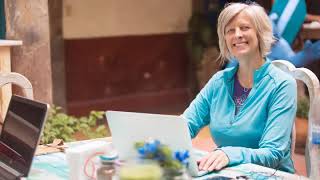
In this episode of the "Living a Life in Full" podcast, host Dr. Chris Stout interviews Amy Scott, founder of Nomadtopia and Nomad Editorial. Amy shares her personal journey from a traditional publishing career in San Francisco to a nine‑month round‑the‑world trip that sparked her desire for a location‑independent lifestyle. She explains how she turned her travel experience into a freelance editing business (Nomad Editorial) and later created the Nomadtopia Collective, an online community for digital nomads hosted on Mighty Networks. Throughout the conversation they discuss practical logistics of location‑independent living: planning long‑term travel, visa strategies, banking and payment solutions (PayPal, TransferWise, Payoneer), virtual mailing services, tax considerations, health insurance, credit‑card travel notifications, housing options (Airbnb, short‑term leases, house‑sitting), outsourcing work, and the emotional and bureaucratic challenges of a nomadic life. Amy also offers advice for newcomers, resources for studying abroad, hostel vetting, and tips for simplifying travel gear. The episode concludes with pointers on how listeners can join the Nomadtopia community and access Amy’s editing services.
Chapters
Living a Life in Full is a conversation you always wanted to have with that person who gave an amazing TED Talk or the author of one of your favorite books, or that inspirational Olympian you always wanted to know more about. It's graduate level conversations with those making a difference in the world and in the lives of others. This show brings you new ideas and approaches so that you can live a life in full. I'm your host, Dr. Chris Stout and I hope you enjoy this episode. This episode of Living a Life in Full is brought to you by ATI Physical Therapy. If you need physical therapy, choose ati. ATI offers exceptional care, trusted expertise and remarkable outcomes customized to your needs. ATI has over 800 clinics coast to coast in 25 states. Want to start feeling better fast? ATI can help address chronic pain or recovery from an injury or surgery expertly, quickly and conveniently. ATI's first program uses a performance based methodology to safely return injured workers to their workplace. FIRST is designed to increase strength, endurance and cardiovascular functioning. ATI's sports medicine provides athletic training services to help athletes get back in the game. ATI has hundreds of professional, collegiate, high school, middle school and club relationships nationwide. ATI also offers a variety of specialty services including home health, hand therapy and women's health. To Learn more about ATI's advances in evidence based practice, clinical outcomes and their innovative new smartphone app, please visit atipt.com welcome to another episode of Living Life in Full. I'm your host, Dr. Chris Stout, and I'm really happy today to have as our guest Amy Scott. She is the Nomad in Chief at nomadtopia and she's going to be telling us a variety of different kinds of things about that and about some really cool trips and things that she's been involved with. So if you're interested in traveling the world in a way that actually works, then Amy is the go to person to answer your questions and we'll deep dive into that in this episode. As for her bio, Amy was an editor at a travel publishing company in the San Francisco Bay Area before quitting to travel the world. She's founded Nomad Editorial to support herself financially while doing so and she went on to create the Nomad Collective, or pardon me, nomadtopia Collective, an online community to support others who are living or creating location independent lifestyles and she hosts the podcast nomadtopia Radio, which I'm a big fan of and I encourage you to listen in. Welcome to welcome to the show, Amy.
Thanks Chris. It's great to be here thanks.
So I'm just super curious. Maybe the way to best start out. Tell us about the evolution of your career or your origin story. What inspired you to travel long term? How did you start? Did you sell all your stuff? Did your family freak out? Tell us how that happened.
Yeah, well, you know, I had a pretty traditional trajectory to begin with, I think. You know, we took a lot of trips as a family when I was growing up, but nothing particularly out of the ordinary. Well, a few three week road trips across the country, which maybe is unusual for some people, but sure. But then I went off to college quickly, dove into literature and the world of publishing and writing and really didn't want to do anything else. So I ended up moving out to California, got a job at a publishing company and thought I was on my way. And, you know, life was pretty good. I wasn't one of those people who hated my job or life was miserable and I had to get out of there. But one weekend I went up to Washington state to visit some family and some older cousins were talking about some of their travels and adventures and they were kind of just starting to settle down, so to speak. And they were like, well, you love to travel, you know, like, don't you want to, like, go to more interesting places? Like do more, you know, quote, while you still can?
Right.
And. And something about that conversation really sparked something for me, and probably not really what they had in mind, but by the time I got back to San Francisco, I said to my boyfriend, okay, here is the plan. I think we should quit our jobs. We should travel for at least six months, you know, this whole thing set up. And which is funny because none of them had done that, none of my cousins had done that. And they didn't outright say, say, you know, you should quit or it needs to be a long term thing. But I just took it to the nth degree for some reason. And from then on, I was really just kind of obsessed with this idea. Luckily, at the time, initially my boyfriend was on board and we started planning this trip. I spent, gosh, I feel like every extra moment I had, you know, researching and reading everything I could get my hands on and found out that round the world trips were actually a thing, and started planning an itinerary, saving money. But long story short, that all took about two, I think was about two and a half years. And by the end of all of it, my boyfriend had decided he didn't want to go and we ended up breaking up. So I took off by myself in 2004.
Wow. Wow, where did you start? How did you pick where you started?
It was partly. So I think to start, I kind of just made a list of places that I'd always been curious about. You know, some of the kind of mythical, you know, top of those, all those travel lists, kind of places like Machu Picchu and the Taj Mahal and then just countries that I'd always been curious about. So I started with a list. And then partly based on geography and partly based on weather, I decided to go south first. Like very far south. So I went to South America. So I flew from San Francisco to Lima, Peru, and did a Spanish immersion course and then went to Machu Picchu and then spent, I think, all told, about three months in South America.
Wow. So at that point you still had like an apartment back in San Francisco or were you.
I had been living with roommates, so I gave up my room in the apartment. Actually had one of my co workers moved in. Oh, well done. I ended up selling a bunch of my stuff to her. And I did keep a storage unit in Oakland because I didn't know. I didn't know how long I was going to be gone. And I also didn't know what I was going to do when I got back. I think, you know, obviously we never know how a trip like this might affect us and how it might change what we want and our goals and our plans. So I wanted to leave things kind of open ended. And so I got rid of. I got rid of a lot of stuff, especially, you know, crappy furniture I didn't care about and whatever. But I kept, you know, my books and I had an old. Well, now it's old. At the time, it wasn't old. I had a stereo that my parents had given me, you know, in high school and stuff like that that I put all that stuff in storage so that I would have it when I got back. But I ended up, let's see, I was gone nine months, I think, altogether, and then made my way back to the west coast and ended up picking up all that stuff and moving to la.
Wow, did your family freak. I mean, here's, here's their little girl going out into the big bad world,
you know, they were surprisingly supportive. Well, I say surprisingly just because I know for a lot of people this is a big challenge with their family. And it really wasn't, I think, for my. I think I've. I think parents have the sense that I have a good head on my shoulders and that I, you know, I know what I'm doing. And, you know, they knew that I had saved a ton of money. They knew that this was something that was really important to me and I wasn't taking it lightly. And yeah, so they were really quite supportive. In fact, they ended up coming to meet me in Southeast Asia on that leg of my trip. So that was really nice too.
Wow. Well, I guess the behavior of taking two, two and a half years to really plan things out and get that put together made them feel like this wasn't some just whim. And, you know, as much as I know you as a person, you really aren't that kind of a know person. You're not flaky. You don't just kind of do things on a lark sort of, so to speak. So. So was Nomad editorial happening while you were traveling then, or tell us about its founding and evolution?
Yeah, I initially my plan was to be traveling, you know, on a purely travel focused trip. So that first nine months I didn't have, I think the most techy thing I had with me was digital camera, my first digital camera, you know, since 2004. So there weren't that many things available.
Sure.
But, you know, I didn't have a laptop, I didn't have any other kinds of tech stuff with me, which was a really nice way to travel. And I do a lot less of that kind of travel anymore. And I, and I miss it sometimes. But yeah, my focus was really, you know, I'm focused on the travel and immersing myself in that experience. And I had the money saved to do that and then figured I would worry about work later when it. When I needed to. And I actually made a point of spending some time in Thailand right near the end of my trip to just kind of debrief, you know, and take some time to like, process everything that I had been through and what this experience had been like and what I wanted to do next. And it was pretty clear to me that I did not want to just, you know, plug right back into my old life, especially in terms of the having to go to an office every day. And I was lucky in the sense that working in publishing, I already knew people who worked freelance. And in fact, one of the copy editors that I hired on a regular basis lived in Costa Rica. She was American, but she lived in Costa Rica. And so I already knew such a thing was possible. And I think having that on my radar from the beginning really made a big difference. So, you know, when it came to, okay, I don't want to go back to an office. So what do I do next? It was pretty much a no brainer to take my existing skills, take my existing network and contacts, and try my luck as a freelancer. So that's what I did. And that's how Nomad Editorial started.
Wow. So were you actually, were you in the States or were you in the traveling mode when you started Nomad Editorial?
The trip was officially over sometime in May, and I have decided that it's officially open for business on August 1st. So I gave myself a couple months to kind of, you know, set back in the U.S. i had to buy a laptop. As I said, I moved to LA because in the course of that two and a half years and breaking up with the other boyfriend I mentioned, I met someone else who lived in la. And so as the trip came to an end, I decided to go to LA to give that a try. And so I had to find a place to live and all of that stuff. So, yeah, August 1, 2005 was my first day on my own.
That is very cool. I guess part of our conversation in this episode will kind of going back and forth between the entrepreneurial aspects of kind of running your own business, which I think are important and fascinating in and of themselves, but then also being location independent and being able to do that. So even I think a lot of times people think location independent has to mean, you know, in another country, but obviously it could be in location independent in different parts of the United States or whatever as well. So in starting that, what was the hardest part of getting Nomad Editorial off the ground on August 1st?
Hmm. You know, I have to admit, I feel like I had a really easy start.
Good, good.
Because in. In the time leading up to that, maybe, I don't know, probably starting in like June, July, I don't remember for sure. I was getting in contact with, you know, my old boss, my old co workers. I'd worked at several different publishing companies. So basically contacting everyone I knew and publishing and saying, I'm available for freelance work, please. H and I remember getting an email on August 1st from my old boss hiring me for a freelance job. Wow. And it was a big job too. I think that kept me busy for probably at least a month. So I was like kind of off and running and having the, you know, having an existing network like that that you can plug into really makes things easy.
Did you have a website or anything? Or was it just basically the warm touch of your personal network?
I did have a website. I built it myself with very basic 2005 HTML.
Yeah, I remember.
Yeah. And so that was an interesting experience, too, right? Like, teaching myself all of this tech stuff that I didn't know, and it was super basic, but it did the job, you know, and for a long time, working with publishing companies specifically, I realized, like, I really. I basically just needed a resume that lived online, you know, and, like, a portfolio of the projects and the clients that I had. It wasn't until I think it was, like, 2010, 2011, that I started to shift my focus to working more directly with independent writers. And then I realized, oh, these people don't know anything about what I do and, like, what an editor does and why you need one, you know. So then I really made some big changes to my site in terms of, you know, providing that education about what I do, how you can work with me, what that looks like, you know, and all of that, which, when a publisher was hiring me, you know, none of that was necessary, so.
And that's still something that you continue to this day. I remember listening in one of your episodes, like, sometimes people almost kind of don't know that about you, but that's still. That's. That's an ongoing interest that you have. That's an ongoing, you know, part of your income streams. Is that correct?
Yes, yes, absolutely.
So with that, then, you, over the more recent years, have really developed a wonderful tribe, an online community that's become the Nomadtopia Collective. So tell our audience and help me understand it a little bit better, like, how does that work and how do community members interact with you and receive support and, you know, where does it live? That sort of thing.
Yeah, well, to start, I'll just say that, you know, the editing was going fine and was able to support my lifestyle, but like I said, I basically just started doing what I knew how to do, and it wasn't like, my life's work or like something I was, you know, I mean, I really enjoy the work, but it's not like, it's not the only thing I'm interested in, let's put it that way.
Right.
And as I spent more time, you know, connecting with other people, working online, and kind of getting involved in that space, I saw a lot more people talking about, like, you know, finding your passion and, you know, those kinds of things. And I was like, well, I don't know if editing is my passion. Like, what am I doing here? You know, and is there something else I want to do with my life? And one of the resources that I had been looking at was talking about, you know, thinking about the things that you could talk about all day. And for me, one of them was just like how I was able to live my life this way, being location independent. It allowed me to move to Argentina and then ended up meeting my husband there, traveling full time, etc. Etc. And so I decided to start Nomadtopia as a place where I could share that information and my passion for this kind of lifestyle. And so that was in 2011 and the collective is my newest venture really under the Nomadtopia umbrella. I think by the time this comes out, it'll have just passed its one year anniversary.
Congratulations.
Thanks. It's going really well. I'm really happy with it. And you know, I wanted a place where people could connect with each other. And there are definitely. Even though this lifestyle is becoming more common, I don't know if I'd say mainstream, but more and more people know about it, more and more people are interested in it. But I think a lot of people, they might be the only person they know, like in their, you know, close circle of friends and family that has any idea about any of this. And you know, their family might not be as supportive as mine was and they just don't know who to talk to. Right. About the challenges and the logistics and setting everything up. So that was a big part of it for me was bringing those people together. And you asked about where it lives. Yeah, we're using a platform called Mighty Networks which has been amazing. They are actually fairly new. I think they started, I think they started in early 2017 maybe and I joined up with them in August of 2017. So it's been really cool to be involved with something from the early days. And the people involved are really hands on, really responsive to ideas and feedback and I mean, even in the year. Actually, you know what I think I just saw yesterday online, I just realized that it's like exactly one year ago that I signed up, like created my network on their platform and it's changed so much since then for the better. So that's great. And I really wanted something that was not on Facebook. I also have a free Facebook group, but I think there's so many distractions on Facebook and then they're trying to get you to join other groups when you are trying to look at one group. And you know, actually the founder of Mighty Network said something really interesting that resonated with me is that when you're on Facebook you're kind of trying to do and be like 10 different people at the same time. Like you're connecting with, you know, a friend from high school and then you're posting something about your business and then, you know, someone who lives down the street sends you a message about something and it's like you're constantly having to wear different hats.
Right.
And in this kind of situation where you have a network that's dedicated to a specific topic and a specific community, you can really, you know, you put on that hat and you walk in the door and you can have a conversation on that topic, which I really love.
Yeah, I think that's a point well taken. There's been such, I think, evolution and maybe devolution on other kinds of social media platforms where it's hard to maintain a brand. It's, you know, you can establish it, but then it's like, like you said, you know, there's, there's different audiences and maybe not all of your audiences, not all your high school friends maybe are interested in traveling the world, so to speak. So I think that, that makes, that makes very good sense. So with your travels, where, where all have you gone?
Well, I tend to travel very slowly and so I'm not one of those people who, you know, is on a, on a mission to go to every country in the world or like hit 20 new countries every year or whatever. So my list arguably is fairly short, but. That's right, exactly. Like, I've spent most of the last three years in Mexico, so. And even within Mexico I haven't moved around very much. So I know a couple areas of Mexico quite well. But then like, I haven't even been to Guatemala and it's, you know, just right there.
Yeah.
So it's, let's see, where have I been? So on the round the world trip, I started in South America, I went to Peru, Bolivia, Chile and Argentina, then stopped back in the US briefly and then went to India and then to Southeast Asia. I've since been back to India, so I've been there twice. And then Southeast Asia, I've also been there twice. I've been to Malaysia, Thailand, Vietnam, Cambodia, Laos and Indonesia, mostly Bali. And most of my Europe travel was actually in the early days, like with my family. We took a Europe trip when I was in high school and then I took a couple, you know, like 10 day vacations when I had a regular job and that was all I could get. So I've been to kind of just the, the biggies in Europe. I've been to England, France, Italy, Switzerland. Spain. I think that's it.
Yeah, I think that oftentimes is the the way that these things evolve, it's sort of like you do the easy ones first and you kind of, you know, get used to just being in some different culture that's kind of similar, but, you know, not. Not hugely difficult to get to and not, you know, necessarily dicey situations with, you know, in country travel and things like that. So most all of those. Those trips and travels were solo too, right?
It's been a mix for sure. 90% of my round the world trip was solo. I did have a couple people come meet me at different times. Most actually, I think all of my Europe travel. Well, except for England. England was actually part of my round the world trip. I was on my way home, but all the rest of Europe was with family or with my boyfriend. Oh. And then also more recent years, I've been to Honduras and Costa Rica and Nicaragua.
Wow.
So, yeah. And then ended up spending. Oh, and then Uruguay because I ended up living in Argentina and taking lots and lots of visa runs to Uruguay.
Yeah, we're going to talk about visas in South America. I've got some questions for that. So.
Okay.
Well, that's wonderful. And again, I think the aspect, you know, there are those folks that are kind of running around trying to tag a country and. Really? Yeah, that's cool. That's fine. That's their thing. But I think the aspect of, like, what you're doing, which I kind of think of as, you know, deep travel, that you really get to know the fabric of the. Not just the country and not just the city, but like the neighborhood, you know, the, the area that you're a part of and you start to develop relationships with those people and you go to the same market and you, you know, you see each other. You know, you start to see, you know, familiar faces, so to speak. And I think that's really, you know, kind of, kind of part of that. And I guess, you know, there's a lot of. We'll get into resources and content and stuff and we'll put a lot of things in the show notes. But like, one of the things that got me started and I guess others as well, was like Ro Potts book Vagabonding. And I think.
Yes.
Yeah. You know, I mean, it's. That's sort of like the primer, you know, for this kind of thing. And I think, as I've heard and read in other places, like, you know, Tim Ferriss, the author of the quintessential book Four Hour Workweek, and certainly great ones since then, I think was very much influenced by, you Know, a bag of bonding. And I guess one of my questions for you is, like, from your perspective of being nomadic, like, can you help, like, sort out and sift the differences between, like, being nomadic versus being location independent versus, like, what Chris Gillebeau would do with, like, travel hacking of inexpensive ways to have nice trips, you know, those kinds of things. How do. Or do you see them as sort of like Venn diagrams and there's little overlaps between various and sundries of those or how do you think about those things?
Yeah, that's a good question, I think. Yeah. The idea of a Venn diagram, I think, is a good one because, for example, there are lots of people who are location independent, which means that they could technically work from anywhere. Some of those people don't ever go anywhere. They might not even realize that they could maybe go somewhere else. Right. Like, they could be a freelancer. They could just work from home for an employer, whatever the situation might be. And then from there, I think there's like, subsections of the group of location independent people who do something different with that flexibility. So maybe they just take longer trips once or twice a year. Maybe they live in another country full time. Maybe they're traveling full time in their own country or abroad. So there's a lot of different things, things that location independence can allow you to do and, you know, depending on one's preferences and priorities and abilities and what have you budget, all of these things that can take a lot of different forms. And then there are people who are really attached to being a nomad. And like, the term digital nomad in particular seems to. It's like if you say you're a digital nomad, but then you don't really travel that much, it seems that you get shot in some circles. You get shot down.
They take your. Yeah. They take your union card from you. So, yeah. So with, like, back to Tim's book, like, are there certain things that perhaps you or people that are part of the collective outsource as a location independent entrepreneur, or do you kind of all manage it yourself or how do you deal with those?
Cut out quite a bit. So I'm not sure I got the whole question.
Oh, sorry. So like, with one of the things that I think was helpful with Tim Ferriss's first book, the Four Hour Workweek, he talked a lot about outsourcing. And I think, you know, and maybe with international, you know, entities that exist. So do you yourself or do you know folks in your collective that also uses. Use outsourcing to Help get the job done as a location independent entrepreneur, or is it more so kind of managing everything oneself?
I think there's a real mix and it really depends on the kind of work you do. I've gone through periods where I've had a virtual assistant, which is one, you know, method of outsourcing, and times when I'm doing everything myself. And yeah, like with my type of work, especially with the editing work, I have gone through periods trying to actually subcontract some of that work and not had a lot of success with it. And so I decided specifically for that I'm either gonna do it myself or I'm not gonna do it at all. So, you know, that's the kind of thing that there are certain types of services that it works well to subcontract or outsource part of it that maybe not so well. And it also depends on the kind of business that you want to have. I think if you're a coach or something like that, you're probably the one providing the services, but then you can outsource, you know, getting help with social media or with billing or with, you know, some of the back end admin stuff.
Right, Gotcha. Yeah. If you're doing websites for other people, chances are you probably did your own website, so.
Right.
Yeah. So I'm gonna probably jump around because it's hard to kind of do this in a linear way, and I know that. So some people do like what you did. There are also some folks that became nomadic in retirement. I read a book Lynn Martin did called Home Sweet Anywhere about her experience of traveling the world with her husband, but they did that in retirement. So, like, what, what are the various ways that you've seen people do it? I think, I mean, I've even read like, where people are kind of like local laborers, you know, they'll, you know, help be a carpenter in, you know, in Venezuela for a little while until they get enough money to leave Venezuela and go someplace else. And there's work exchanges and there's the virtual work that we've talked about. So what are some of the kinds of things that you've seen and what are your thoughts about those?
Oh, there's so many. I mean, I really feel like the possibilities are endless.
Really?
Yeah. I mean, really, like you said, there's things that you can do, you know, on site, in a particular location. There's stuff that you can take with you virtually. You can do it when you're retired, you can do it when you're on a, you know, A sabbatical? Yeah, it's really. And then people with kids, like sometimes they're homeschooling the kids, sometimes they put the kids at a local school, wherever they are. Yeah, I feel like there's endless variations. And that's really why I started my podcast was because, you know, my way of doing it is certainly not the only way or the best way for everybody. And I just wanted to highlight all different stories and all the different permutations it can take.
I love that. And again, I want to give a shout out for that because if any of the listeners are interested in hearing, not just more about how Amy has sort of cracked the code on this, but also a lot of the guests that she's had does speak to the diversity and the different ways to go about creating a location, independent lifestyle and world traveling and working and what have you in some of my research, because this is something I'm just quite curious about and how I came upon you and your work. There's like, I think, entities now. So I'm just going to read off a couple, you know, a few of these and see if you've worked with any of them or have any opinions about any of them. And we'll put all the links to these in the show notes. But there's roam.com, there's Weroam, Remote Year, Wi Fi Tribe, Nomad House, which I think you need to hook up with Hacker paradise, which I don't know what their logo looks like. Remote experience in Terminal 3. And I've wondered, have you ever worked with any of those folks? Or I mean, to me, I think maybe it's roam.com or we roam is like a we work but you know, there's. They're in a dozen cities across the world sort of thing. And you get high speed WI fi and you get at your own room, but you have sort of communal cooking and living and working spaces. Do you. Do you know about any of those or have any thoughts or opinions about any of those kinds of.
Yeah, I have not used or worked with any of them myself. I've heard of maybe half of the ones you mentioned. One of my coaching clients actually did Remote Year and I think she had a good experience with it. I think that a lot of this depends on what you're looking for and, you know, the type of travel you're doing and really what you feel like you need help with. For my client, one of the things that she found really appealing about Remote Remote Year was that she was going to be traveling by herself. And she was new to all of this and the, the being by herself part and, you know, sorting out the logistics for wherever she might end up going was feeling really daunting. And so to her, to have the built in the community and to have all of the logistics taken care of, like, I think you basically just get on a plane and show up in the next location and they've got everything sorted out. You know, you've got a place to stay and a place to work and local excursions and everything you need. And I remember also telling, because she asked for my opinion on the whole thing and I said, well, I will say that I would say probably my husband and I, so two people probably have spent less in a year on, you know, travel and housing and whatever than remote year cost. And so for me, it seemed really expensive. But to her, she'd mostly been living in one city in the US and to her it was cheaper than another year in that same city in the U.S. so it's, you know, it's just a matter of perspective. Right? Yeah, Same with Rome. I think rome is about 2,000amonth for the membership, which then allows you to go to any of their places. And we have never spent 2,000amonth on accommodations. So it's like.
Yeah.
And I think part of the reason it costs that much is because they have mostly been focused on expensive cities. Like, I know they have one in London, they have one in Miami. I don't know if they have one in New York, but I wouldn't be surprised just based on the, you know, they're kind of going for a bit of a more upscale market. And so in those places, 2,000amonth is probably a phenomenal deal.
Right.
And I will also say for us, again, now traveling as a couple, I don't really want to be in a shared house with a bunch of other people. You know, when we can just get our own, you know, there are certainly benefits in terms of just, you know, meeting other people and so on, but I wouldn't want to do that kind of on an ongoing basis, you know. So I think maybe it's better for solo travelers, I don't know.
Well, you raise a good point, because in those kinds of entities, perhaps it's the peace of mind of saying, hey, I'm going to be solo traveling and I can kind of prime meeting my tribe coming to these kinds of things, or I can have almost kind of a turnkey concierge experience because I don't have the time. Or maybe that's not in My skill set to do the kind of planning, you know, Amy, like you and your husband do that. Yeah. That, that's almost second nature to the kind of the fabric of who I think you are. So, you know, it is nice that if people do have that kind of desire rather than just, you know, kind of having a bad experience or floundering around trying to, you know, do something that, you know, perhaps they're not capable of or comfortable of doing, you know, it gives them an option. But I think to your point, when you kind of, you know, do this over time and you kind of learn some of the methods and approaches in ways that, you know, you really can, you know, get 11 cents out of every dime kind of thing. So I think that's, that's fantastic. So this is a good segue. So let's start to combine a little bit of the Nomadtopia lifestyle of travel with the Nomad editorial of business. So like, do you have a standard contract that you use for your freelance work or do you have one that you use for like. Because I believe you do house sitting or have in the past. How do you manage those kinds of things? Do you have something like you send to somebody and they commit to it and how does the nuts and bolts of contracting work for you?
Yeah, for editing I definitely have a standard contract I use with clients, outlines all the terms, you know, the scope of the project and due dates on my part and for payments and all of that. So yeah, it just keeps everybody on the same page and. Yeah. Understanding what the plan is.
Good. And are all of the gigs that you've had been with people that are in the United States or have you ever done editorial work for someone in Argentina, so to speak? And do you need a different contract in a different country?
Yeah, I would say the vast majority of my clients have been in the U.S. i've also, I've worked with some Americans who have been in other countries and then also some. Yeah. And just people from different countries. I have a client right now, the company is based in Germany. I think the founder might be from Argentina. I've kind of lost track.
Right.
But actually like for them I'm mostly doing like web copy and things like that. It's kind of a smaller scope and so we didn't do the same full on contract that I would do for a book length project. Yeah. And then sometimes I'd work with organizations like I work for an international aid organization and they have their own contract.
So do they pay you in US dollars and does that Go to a US bank account or how do you actually handle the financial parts of the actual exchange of money? And I asked that this is a timely thing. I have a non profit that I also run and I have this sort of dear virtual friend who's in Greece and we're doing a fundraiser right now and he wanted to make a donation and he can't do it. And I thought, oh, I'm going to ask Amy about this. How does that work with, like, you know, if you have a Argentinian fellow in Germany that wants to pay you in US dollars to your bank account in LA or something, you know, how does a person manage all that?
Yeah, so I usually charge in dollars and get paid in dollars. There are a few exceptions, actually. A company that I'm an affiliate for, they send payments from Australia. But PayPal is amazing and like, things just show up, you know, in the proper currency. Like, I don't know what happens on the other person's end. Yeah. Like the German client, they Pay me via PayPal and I get the amount of money I asked for and it's all fine.
Wow.
There are some other services that, depending on where each party is located, can be useful. There's one called TransferWise, which I've done to get payments from people in Europe. They mostly work in dollars, Euros, I think, pounds and maybe Australian dollars, but they've been expanding their currency list. And then my husband is from Argentina and most of his clients are in the US and he usually uses either PayPal or another service called Payoneer, which again, basically allows him to be able to access, like, the person the client pays in dollars and then he can access that, you know, in pesos or however he needs the money.
So do you, do you bank out of like, do you have a bank account in Mexico? Do those US Dollars come and get converted to Mexican pesos or do they go to a US bank via PayPal or how do you deal with that?
Yeah, my, my business is based in the States and all of my payments go to a US bank account. And really, unless, I mean, it depends a little bit on the country, but in my experience, unless you have residency in a country, it's very hard to get a local bank account.
Right.
And I do not have residency in Mexico, I have residency in Argentina. But the economy there is crazy and I have no interest in putting money in Argentina beyond necessary.
Right.
So, yeah. So basically, you know, I just rely on, you know, obviously I have some bills to pay back in the States and so I. You do that like A, you know, like anybody would. And then for local spending, I just go to the ATM and take out cash that I can use, you know.
So do you have a. Like a. You like a P.O. box or physical, like, use your parents address or. How do you deal with having the bank then in the United States with being.
Well, first of all, my parents are amazing, and I've been using their address for like, 15 years. But just recently, there were a couple kind of official things that came up, and I thought, okay, it's time to finally bite the bullet. And I did sign up with one of the virtual address services I'm using, Traveling Mailbox, which gives me an address in Delaware, which is the same state where my parents live and where I already had an address. And it looks like a regular street address, but they will receive mail and then scan it and post it online and I can tell them what to do with it.
I've never heard of that. That is fantastic.
Oh, yeah.
Wow. So then that. That then also solves a variety of other problems. So you file taxes in the state of Delaware and your federal taxes and all that. So that's kind of your US Headquarters then, so to speak.
Yes. Although technically, because I have residency in Argentina and I spend most of my time outside the U.S. well, I should say it varies depending on the state. So don't everyone just assume this applies to you?
All right.
But I don't actually file state taxes.
Okay, gotcha, gotcha.
So I only have to file federal, which may have something to do with Delaware in particular. I'm not sure. But that's why I have an account
accountant who takes care of that part. And do you have to have, like, a specialized accountant? Like, are there CPAs that have expertise in folks that are nomadic location, independent workers, so to speak?
Yeah, I have mostly worked. Well, very. A very, very long time ago. Like, the first year I was freelancing, I hired an accountant in California who specialized in, you know, freelancers and sole proprietors. And then I moved to Argentina and assumed that because I didn't actually have residency like that nothing would change. And so I just filed taxes like a normal person. And then somewhere along the line, I connected with a company that specializes in expat taxes. And I thought, I wonder if there's something I need to know. And so I ended up hiring one of their accountants for a consultation and found out that, like, there were actually a lot of things.
Gotcha.
Taxes to take advantage of some of these things that I never knew about. And since then, yeah, I've always worked with somebody who specializes in expat taxes who can help me with all of that.
Great. Well, we'll. And we'll do a little research on our end and see if we can find some resources and stuff for that, because I think that, you know, I would be able to. It would drive me nuts to know if I'm losing opportunities, that I could have some cost savings vis a vis tax, and it would make me have a stomach ache to think that I wasn't doing something that I was supposed to be doing, you know, and then have a bad Uncle Sam experience or something. So.
So, yeah, like, there are some great benefits, but they're also, you know, very specific guidelines in order to determine if you apply if you are eligible or not. So, yeah, it's really helpful to have someone walking you through all of that.
Yeah, I think. I mean, even just if people just regardless of all this stuff, like, I have friends and family that, you know, have two different homes, and there's a. There's very specific IRS rules that, you know, thou shalt not live in this place more than this, otherwise that becomes the city that, or that becomes the state that you're, you know, considered your tax liabilities. So, well, speaking. Speaking of liabilities, this is just the episode for segues here. So do you know, like, through your experience or through those that you've coached or worked with in the collective, what does a person do if they're, let's say, because, you know, I know about house sitting. And house sitting oftentimes is just, I think, a proxy, you know, for taking care of the animals or the pets that are, you know, living in the house rather than being boarded or whatever. But how does someone deal with the liability? Like if your house sitting in the fridge goes get put, and you're, you know, in Bolivia, or the dog you're minding bites someone, or the cat you're taking care of, you know, takes off and you can't find it for two days. Are there contract. Are there languages about that? Is there contractual language about that? Or how does. How does someone deal with that? Because I can't admit, you know, Murphy's Law. I mean, something like this happen to folks in these situations. So how would someone prepare for that or deal with that if they're experiencing it?
Yeah, well, I don't have a ton of personal experience with this.
That's good.
But from what I've heard. Well, I mean, I just even haven't done a lot of house or pet sitting, but from what I've heard there are some, like, one site that we were signed up with for a little while is called Trusted House Sitters. And I did see in their resources that they had some boilerplate language that you could use as a house sitter or as a homeowner to, you know, to, to lay all of that stuff out with your person before the arrangement starts. But, I mean, yeah, I think there's. I think it's really important to set the expectations for those kinds of things in advance, but also to understand, like, things happen. I had somebody on the podcast the who is pet sitting, and the person's cat died while they were house sitting.
Yikes.
And but, you know, like, the cat got sick and thankfully, you know, the homeowner understood that it wasn't their fault. You know, like, they did everything they could and they were totally upset about it. But yeah, like you said, things happen. So it's definitely a good idea to iron out how different types of things will be handled in advance and, you know, who's responsible for what financially. And, you know, do you have to notify the homeowner if something happens, all those kinds of things, because, yeah, you just never know.
Yeah. So back one, maybe other last final question, like, with, with managing finances, like, I know when I go abroad, some of the credit cards I have, I have to kind of call in advance and say, hey, I'm going to be in timbuktu from the 1st through the 15th. So if you see, you know, a bill for a hotel or dinner or something, that that's legit. That's actually me doing that because the last thing I wanted to be, you know, stuck someplace and not be able to, you know, pay for my dinner or something. So, like, how do you deal with that? You just constantly, like, well, you don't travel like a lot of places, you know, but over short periods of time. But do you just sort of let them know to say, hey, you know, for a while you're going to be seeing charges on my credit card from Mexico, or how do you deal with that? With credit cards? Cards?
Yeah, it's interesting, actually. I think in the last year or two, Chase, which is the main credit card, you know, credit card company I use, they recently updated their travel notifications online so you can set something up to a year in the future. Which is amazing because, like, when I was on my round the world trip, I think it was like, you know, a month or two. And so I had to keep contacting them and giving them updated information. Yeah. Now you can just log in and say from now until X date, I'm going to be in all of these different places.
That's great.
But also what I do, because I often don't know where I'm going to be or for how long. I usually set it for a few months or whatever amount of time I'm pretty sure is going to stick. And then I put a reminder on my calendar to update the notification when that date is approaching.
Brilliant. Brilliant. So let's talk about your living arrangements. So you really haven't done a whole lot of the house setting stuff, it sounds like. So do you get like short term leases or how do you manage where you stay?
Yeah, it's been a really wide range of situations depending on where we are and how long we're going to be there. Let's see. Yeah, well, and I'll say too, the main reason that we haven't done a lot of house sitting is because especially in the last few years, we've had pretty specific plans at certain times of the year. You know, say there's a wedding we need to go to or a conference or like some thing that's, you know, kind of bookmarking our travel availability. And it's very hard, not impossible, but it's definitely more difficult to find house sits that fit specific periods of time. I bet the more open your schedule is, the easier it is to just go, okay, great, next July, I'm free. Let's do it. But like I said, we were signed up to that website for a year and I didn't put a ton of time into it, but I definitely checked the listings occasionally and there was never anything that was in a location and for a period of time that made sense for us based on the other things we had going on. So, yeah, we're interested in it. It just rarely seems to work for us.
Yeah, gotcha, gotcha.
So yeah, we mostly do Airbnb apartments and it's like I said, it depends where we are and for how long. We spent quite a bit of time in San Miguel de Allende in Mexico and often ended up finding places locally either through word of mouth or like one place there was a sign on a telephone pole, another place, you know, a sign in a cafe.
Wow, how analog.
So we were able to get places that way. Yeah, exactly.
That's great. Well, one of the benefits for, for being deep in, in the location that you're at. So do you yourself or are these things available? Maybe they're products and things that you have or you can make recommendations, but is There like a checklist that you have and you and your husband have, like to vet a place to live or an arrangement or there. Or are there some out there, you know, checklist books, websites, or anything like that that you'd recommend?
That's a good question. Not really.
At least there's a new product for you. Amy. Yes. How is it that. How do you handle medical or dental needs or prescriptions and things like that? Do you just sort of. I know that pharmacies are much different in other countries than what they are in the United States, but how do you manage those kinds of things?
Yeah, that also depends. And we've done a couple different things over the years. Right now we have. We have kind of a regular health insurance plan, but it covers us everywhere in the world except the US because the US Is so much more expensive.
Right, right.
So I base. I basically just get a travel insurance plan for trips back to the U.S. okay. And then we have this other insurance that covers us everywhere else. But, you know, sometimes we don't even need it. Like a few months ago, I was actually, I got sick in the US Just like a cold or whatever. And then I got back to Mexico and I was like, oh, my God, this is not going away. And across the street from our place in Mexico City is a pharmacy with a doctor who does free consults. So I went to see him and I'm like, by my throat hurts so bad. Like, I can't swallow. Like, what's wrong with me? He was like, yep, you have an infection. Go next door and, you know, get these four medications. And the doctor says it was free. The medication probably came to like 20 or 25 total.
Wow.
So I didn't even bother filing a claim.
Right.
Because it felt like the, you know, paperwork was way more of a hassle than $20. Exactly. That's great. Yeah. So depending on where you are and what's available, you know, a lot of things, it's really not a big deal to pay out of pocket. But I've had some big stuff covered. Like I was in the hospital in Nicaragua and got all of that covered by insurance. And my husband had surgery a few years ago. Like, all of that stuff has been covered. So.
Yeah, that's great. Are there if this might be too personal? If it is just, you know, we can refers to the website. But are premiums crazy? Like, I've been pricing things US Based is like for freelancers and stuff. With some of the folks I've consulted with and I've seen policies are like, 24, $28,000 a year with high deductibles, solely based in the United States for freelancers.
Right? Yeah. No, you'll hate to hear this. Or maybe you'll love it.
It'll be good. It'll be good to hear.
For various reasons, we ended up getting two separate policies this year. My. So I know the price for mine alone and I'm in my early 40s, my policy covering me everywhere in the US or sorry, everywhere but the US what's my deductible? Like $500 and I'm paying like $2,200 for the whole year.
Wow.
Wow. I know.
Well, you know, it reminds me too. I write a lot on health policy and medicine kinds of issues. And I had done a bit a While back on LinkedIn on medical tourism and the fact, you know, like that people will oftentimes, you know, have a knee replaced in Bangkok and you know, spend a week there in a five star hotel recovery, you know, and pay, you know, less for the whole thing out of pocket than what they're, you know, deductible and co pays would have been had it been done, you know, in their hometown in the United States. So gosh, well, and that's good. Well, we will look up resources for that too because I think that's, you know, obviously a big hurdle for a lot of folks because I would have just, I wouldn't have known that this existed and I would have just generalized, oh gosh, it's got to be, you know, this is a rate limiting factor to, you know, folks for that are doing freelance, you know, no matter where it is that they're doing it so. Well, I have just a few last questions. If we can kind of squeeze them in like we talked earlier about visas and things like that. I was just recently in Nigeria, first part of this year and I tell you, that was one of the hardest visas for me to get. They wanted me to go from I'm in Chicago, they wanted me to fly to Washington D.C. to the consulate there so they could interview me because I'd already submitted all my paperwork and everything else. And I was like, I must be misreading this email. And then I called them and nope, that was kind of what they wanted. And part of the another complication, this is more South America relevant, but my daughter and I went to Brazil some years ago and it was before she was 18. And I think there were some issues about parents sort of kidnapping, you know, a divorced parent situation, kidnapping their child, which my wife and I aren't divorced and I wasn't kidnapping my daughter. But, you know, there was just this all this other. Another big rigmarole of birth certificates and attestations and letters from her mom. It was just sort of this, you know, big, you know, dossier of materials that had to go back and forth. And I thought, you know, I needed to get all these, like, weird kinds of documents that I couldn't have gotten if I was in an another country at the time. You know, if I would have been in Argentina, I couldn't have gotten. Collected this stuff, you know, in from Argentina. So have you had to deal with that sort of thing of a difficult time getting a visa? And if you have, what. What have your solutions and workarounds been?
Yeah, well, you know what? I think this is part of the reason, a big part of the reason that some countries start to kind of rise to the top as nomad destinations because they're known for not having complicated visa situations.
That makes sense.
Yeah. Like, when we first went to Southeast Asia a couple years ago, we knew a handful of countries we wanted to go to, but Thailand, for example, was in the process of changing. Yeah, their rules have actually changed quite a bit in the last few years. At the time, I think I would have gotten 30 days on arrival. And we kind of felt like we needed some more time to just kind of figure out where we wanted to be and what was what. And I found out Malaysia, you get 90 days on arrival. So we went to Malaysia first and then, you know, kind of got our feet, got our bearings, and made a more concrete plan for the next part of our trip. Mexico, you get six months on arrival. And again, that's for Americans. It's obviously different for people from different countries. That's the other challenge, because my husband has an Argentinian passport, and so sometimes the rules are different.
Yeah, yeah, yeah.
He. He has definitely had to do interviews and stuff for some of his visas. Like, he has a tourist visa for the US And a tourist visa for Canada. We had to apply for visas to India. I think India is the only place that we've been that we both had to apply for a visa. And other than that, we've often avoided places. Like we. Again, when we were headed to Asia, I thought, well, you know, Australia's right there. Like, maybe we should go. And I don't remember where we were at the time, but we were not in Argentina. And it sounded like he would need to go back to Argentina to apply for the Australian visa or to get something. So, yeah, we just Took it off the list because it was the time that was too complicated.
Oh, that's smart.
So it definitely takes some planning and, you know, researching what the requirements are for different countries that you want to go to and, you know, based on the passport that you travel with and. Yeah, but it's, you know, it's doable. It just takes some, you know, some fancy footwork sometimes to figure out how you're going to do it.
I really like your Malaysia hack. I mean, that was brilliant. You know, okay, let's. Let's get our feet underneath ourselves here. And then we've got the. We don't have a time pressure. We can then kind of figure out what's what and then maybe, you know, that period of time in Thailand will be sufficient. So that's great.
Yeah.
So are there any essentials that you travel with? Is there any have to take alongs, no matter where, no matter what?
Well, you know, the laptop is the obvious one.
That's right.
And let's see, everything else is, you know, feels kind of debatable depending on the situation where I'm going. Yeah, exactly. There are plenty of things that are handy, but, you know, I feel like I could. That's actually a good thing. I think a good reminder for us sometimes when we start to get, you know, our bag gets too heavy or we start to get too attached to something is to remind ourselves that really you could get by without most of it. But of course, I've got, you know, I've got my microphone for podcasting. I've got a laptop stand and an external keyboard. Because. Because my neck and my shoulders will kill me otherwise.
Yeah.
You know, so there's things like that, that, that make, make everything better. Yeah. But arguably, you know, like, I have traveled without them. Right. Like, I don't need them.
Right. It doesn't ruin the trip.
Yeah.
Yeah.
But especially for longer term, it's good to have.
Yeah. I'm. My wife and I are both kind of in this phase now of trying to simplify and, you know, travel lighter and live lighter, so to speak. But is nomadic travel simplifying or complicating? I remember you said you were frustrated with something and you, you know, Roberto said to you, you know, well, you've. You've chosen this, you know, there, there are some kinds of complications, but, you know, all, you know, on the pros and cons of things. What. What are your thoughts about that?
That is such a good question. Yeah. I have definitely had times when, you know, we've been dealing with Bureaucracy or, or dealing with some annoying banking situation or whatever. I mean, when you don't, when you don't tick the boxes of how people are supposed to do things, it definitely can make things complicated. You know, like people say, well, where do you live? And it's like, oh, well, technically I don't live anywhere. But that's not the right answer. So you've got to just find a way to like make yourself fit when you don't. Yeah. So it's definitely a hassle. But you know what? I think too about a lot of the hassles of so called normal life that I dealt with, you know, when I lived in one place. I mean, there's always bureaucracy and annoying things to deal with and they may be different for our kind of life, but, you know, you can't avoid it entirely unless you're literally gonna go like, live in a cave and. Yeah. So, you know, it gets frustrating sometimes, but at the end of the day, I feel like it's worth it.
Yeah. Good, good. Well, last couple of questions. This is a very personal one. My daughter seems to have inherited the travel gene and she's, she's, she's been a great travel companion. She's done a lot of independent travel and things herself. Do you have any tips for a younger person, like for studying abroad? Like, are there really good ways to book travel or how do you vet a hostel to know if it's safe or, you know, whatever, especially if it's a single woman traveling solo?
Yeah, that's a good question. Well, first of all, in terms of studying abroad, there are ton of amazing programs and obviously you can do it, you know, like through the college you're already going to. But then also I've been hearing, actually interviewed a guy on the podcast a couple years ago who had a company helping people study abroad in Germany because even foreigners can study for free in Germany.
Oh.
And most of the classes are in English, so. So, like, that's just one example. But there are definitely opportunities like that out there which can be, you know, I'm like, wow, I wish I'd known about that, you know, back in the day. Because that stuff can really be an amazing opportunity if you do some research and take advantage of it. In terms of hostels and stuff. Yeah, I, you know, that was something that I definitely struggled with on my around the world trip. There are, I don't even remember how I found places back then because I feel like there wasn't a lot of online booking. I don't remember. But these days There are a lot of great websites that you can use and that have user reviews. Okay, so one we've used, and they don't have just hostels or they have hostels. Sometimes they have private rooms or whatever. One that we've used is called hostelworld.com.
all right.
And yeah, they've got, you know, user reviews of places and that one. And I think maybe booking.com also they search or you can filter reviews based on the type of traveler. And I think Hostel World, you might have the option to actually search for reviews from other solo women travelers.
Excellent. Oh, that's. That's great. Well, we will definitely get those added in the show notes, and I definitely talk to my daughter about those. So thank. That's awesome, Amy. Thank you. So, last bits, any other closing pieces of advice you have for listeners who are considering being location independent?
Good question. Let's see. I'm trying to think what we haven't touched on. I think one thing that's really important is to take some time early on to figure out what you want your life to look like and, you know, how you like to travel, what kinds of experiences you like to have, how fast you want to move, do you want to travel or do you want to work at the same time? You know, all of these things can make a big difference. One in just, you know, your general happiness level, but also in the things that you need to plan and set up in advance. You know, like, if you have no interest in leaving your home country, then a bunch of things are just off the table. You don't have to worry about those. And if you want to spend all of your time abroad, then there are some things you're gonna have to look at differently. And I think, you know, there's a lot of, you know, beautiful Instagram photos and a lot of stereotypes about, like, working on your laptop on the beach or whatever. But, you know, like, do you. Is that really what. What you want to do? You know, like, do you really like to be at the beach? Do you really want your laptop full of sand?
Right. Exactly. Yeah.
You know, I found for me, I tend to, you know, beach becomes vacation time for me, and, you know, I'd much rather be working on my laptop at a cafe in the middle of a city. But that's just me, you know, so it's really a matter of looking at what kinds of environments you prefer and. Yeah. What kind of experience you want to have and then what you need to do to get it.
That's good. You hadn't used the word sabbatical earlier on. And I think that might be one of the things that, you know, people can kind of maybe do a test drive, you know, if they can accumulate some hours or if they can, you know, do a, like, you know, little, little. I think again, Tim Ferriss I think talked about like little mini vacations or something or mini whatevers that you would try to, you know, see what this lifestyle would be like. I mean, you could be, you know, try that out just like you said, you know, in your, in your own backyard, so to speak. You don't have to, you know, be elsewhere to be location independent. So, Amy, I want to thank you. You have been more than generous with your time. You are a wonderful resource to the tribe of these, you know, folks and myself. I hope someday to be included in being location independent, being, you know, world travelers, being able to do the kinds of things that I think for some reason seems to be a much more popular, much more. Like you said, it's maybe not mainstream yet, but it's certainly, I think, much more in people's consciousness and seen as an option and a lot of resources out there for it, from basics to concierge kinds of things. So what are some of the best ways that our listeners can learn more about you, learn more about your work, how to connect, how to become part of your collective.
Mm. So the Nomadtopia website, nomadtopia.com has links to everything from my social media to the collective to coaching to the podcast. So that's all there. And then my editing work is@nomad. Editorial.com Excellent, excellent.
Well, well, again thank you, Amy. It's just been a great time. I could just talk all day, all afternoon with you about these kinds of things. Maybe we'll have to have a round two. But keep up the great work and just wish you all the best and just a heartfelt thanks for the generosity that you have for not only being on the show today, but all the other kinds of things that you've contributed to people being able to do these kinds of things and have life changing experiences. Thank you.
Thank you. This has been great.
Living a Life in Full is a production of Stout Media, a subsidiary of Gordian Knot LLC. Assistant Producer Gracie Wong Music Dan O' Brien Executive Producer and Host, Dr. Chris Stout to learn more, stop by our website at lifeinfull for show notes and please recommend us to your friends and subscribe on your favorite platform. And as for the obligatory disclaimer, this podcast is for general information, uses only and does not constitute the practice of psychology, medicine, nutrition or other professional healthcare services, including the giving of medical or psychological advice. No doctor patient relationship is formed. Lastly, and perhaps most importantly, I take conflicts of interest seriously. For all of my disclosures as well as show notes, please see livingalifeinfull.org podcast and my LinkedIn profile. Thanks and until next time.
More from Dr.

2025 Mercedes-Benz CLE 450 4Matic Cabrio – Owner’s Views After a Year-and-a-Half as a Daily Driver

The Complete Guide to a Successful Everest Base Camp Trek – Post-Trek Debrief

The Complete Guide to a Successful EBC Trek – Post-Trek Debrief: What I Needed (and What I Didn’t)

What Went Wrong Customizing My New 2026 Porsche Carrera T …and what I did about it!

Coming May 1 At the Intersection of High Performance and Fulfillment: A Conversation with Alisa Cohn

From High Performance to Fulfillment: Lessons in Inner Mastery with Jim Murphy

Coming March 19: From High Performance to Fulfillment: Lessons in Inner Mastery with Jim Murphy

The New Humanitarians Volumes I - III:- Inspiration, Innovation, and Blueprints for Visionaries

The New Humanitarians Volumes I - III:- Inspiration, Innovation, and Blueprints for Visionaries

The New Humanitarians Vol I - III: Inspiration, Innovation, and Blueprints for Visionaries - Forward
