How to make the world a healthier place, in 12 Minutes Flat with Krista Stryker
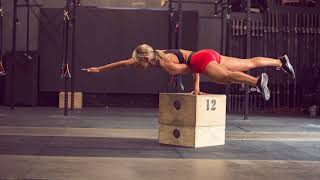
Krista Stryker, founder of the 12-Minute Athlete, built a fitness app around short, intense, equipment-free workouts: six exercises, 30 seconds on, 10 seconds off. She started after overtraining and injury forced her to experiment with HIIT during a New York winter. The app offers free and paid workout packs, and she's expanded into ebooks, coaching, and affiliate partnerships.
Chapters
Living a Life in Full is a conversation you always wanted to have with that person who gave an amazing TED Talk or the author of one of your favorite books, or that inspirational Olympian you always wanted to know more about. It's graduate level conversations with those making a difference in the world and in the lives of others. This show brings you new ideas and approaches so that you can live a life in full. I'm your host, Dr. Chris Stout and I hope you enjoy this episode. Welcome to another episode of Living a Life in full. I'm Dr. Chris Stout, your host. Today's episode is brought to you by ATI Physical Therapy's Women's Health Program. They offer an innovative approach that's designed by women for women. This specialized care can offer life changing results. The physical therapists at ATI Women's Health provide expert treatment for pelvic floor dysfunction and obstetrical care. They can help with difficulty tolerating pelvic exams, low back pain during pregnancy, weakened core strength or discomfort following delivery, discomfort during or following sexual intimacy loss of bowel or bladder control when coughing, laughing or sneezing chronic constipation or frequent urination. Millions of women suffer from pelvic floor dysfunction which can lead to urinary and or bowel incontinence and pelvic pain. Pregnancy, childbirth, chronic constipation, chronic coughing, surgery, trauma and aging can cause pelvic floor muscle tension and weakness. Physical therapy can help. Treatments may include dietary and behavioral education, external and internal soft tissue mobilization, myofascial and trigger point release, visceral manipulation, connective tissue manipulation and deep tissue massage, appropriate strengthening exercises and muscle awareness activity, biofeedback, electrical stimulation and transcutaneous electrical nerve stimulation or tension, hot and cold therapy, home exercise programs and a vaginal dilator program at ATI Physical Therapy they understand the intimacy of these issues. Their specially trained healthcare professionals are devoted to treating a variety of musculoskeletal conditions by providing one on one care and customized treatment programs in a discreet and comfortable environment. They offer women's health services and expert therapy for pelvic health and obstetrical care. Treatment can often address the cause of issues and improve the quality of life. The goal is to provide you with expert care in a comfortable atmosphere with plenty of patient education so you're at ease right at the start. To learn more, please visit atipt.com welcome to another episode of Living a Life in Full. I'm your host, Dr. Chris Stout. Today we're going to be talking to Krista Stryker and I'M a big fan of her work. You're probably familiar with her if you're into any kind of athletic endeavors and improving your health. Krista, as a background is an NSCA certified personal trainer and she's most famously known as being the founder of the 12 Minute Athlete. She originally hails from Portland and she's a graduate of Lewis and Clark College with a BA in International affairs and Communications that she's put to good use working on both coasts as well as in Amsterdam as a personal trainer in New York City. She got fed up with the workouts that she did all day for hours on end and wound up finding herself over training, injured and having little time for anything else. She studied many different Things ranging from CrossFit to bodybuilding types of workouts, which was part of the genesis for her creating the 12 minute athlete, which is an incredibly effective high intensity interval training or HIIT workout which we'll talk about and go into a much deeper dive on this episode. She's also got an entrepreneurial side and she's even been quoted in the Wall Street Journal on her work, which I think is really super cool. So welcome to the show. Christa.
Thanks so much for having me.
It's great to have you. I want to learn more about both you as a fitness expert and also as an entrepreneur because obviously they're very well blended in terms of what it is that you're doing. And I think we probably have Chris Gillibow to thank for the opportunity to meet back at a world domination summit a few years ago. Is that right?
Yeah, I think so, yeah.
And Chris is from your neck of the woods. You're originally from Portland, right?
Yep, I'm from Portland and I love like seeing all the Portland stuff and Chris's posts and at WDs. Yeah, he embraces it nicely.
Yeah, he sure does. It represents it in, in a really cool way. So. Well, tell us about, tell us about your childhood. What were you athletic back then or how has it shaped to who you are today?
Yeah, good question. Well, I grew up kind of playing just team sports. Sports like I always played soccer and basketball. My family is fairly active, especially my dad. My dad to this day. He's almost 70, but he's still, I can't even name all the sports. He skis, he's a very good skier. He kite boards, he wind surfs, he mountain bikes, he surfs, does stand up paddleboarding. It just like on and on and on. So like I grew up with this influence and he was just always so excited about Being active, but I was not as into it. I was always kind of like a bookworm. Even though I played team sports, I was never super into it. Looking back, I definitely think I would have done better, like, doing individual sports because the team thing just wasn't my thing. And plus, like, playing soccer in Portland area, it's very rainy.
I can imagine.
You know, every. Every practice, every game, you're just in this mud and rain and you're cold. And I just like, I did not. It was not my thing. So I played through high school, and then as soon as I went to college, I was just like, no more. I can't. I can't do this. Kind of stopped doing much of anything. And that now looking back, I see that caused a lot of depression and anxiety. I felt pretty, like, lost with my life. I wanted to, like, I loved. Like I said, I was always a bookworm. So I loved to read and learn and stuff, but I didn't understand how kind of being active and moving my body was just such a crucial part of who I was. So a couple of years of just eating horribly and not moving at all, I, you know, I definitely, like, gained the freshman 15. I started just feeling really bad about myself. Just kind of thought that, you know, that athletic gene that was definitely in my family skipped me. I had always been. I was pretty good at the sports that I played, but I wasn't ever very strong. I could never do like a pull up or even a push up. And part of that is, like, no one encouraged me. None of my coaches taught me that if you work hard, you can get better and stronger. But it was. It was kind of. It all started with a challenge from my older brother who I've always looked up to. He challenged me to do a push up. And I've always been a little bit of a tough girl, even though I didn't have the strength to back it up.
You had the attitude. You had the attitude.
Exactly. I'm like, hey, I can do a push up. And I just remember, like, it just so stuck in my mind forever. These three. I did three of probably the most awful push ups anyone has ever seen. But it was like, just something kind of clicked for me that, like, hey, if. If I worked at this, maybe I could get better and I get more push ups. And I don't know, it just. It all went from there. Part of it was I had no idea what to do with my life. So that finding my, you know, fitness journey also was like, finding my place in life and my career.
Was that simultaneous to still being in college or is this now after you're out?
This was in college.
Okay.
Maybe a couple years in.
Okay.
So. But then it took, you know, a lot of experimentation from there. Like, I like a lot of people, when I started getting in shape, I thought the only thing you can do really is run. And I just always hated long distance running. So those workouts, I just hated them so much. And I wasn't very good because I didn't know what I was doing. I didn't push myself very hard. But yeah, it took like doing little things like that. Eventually I. I had a trainer for, I don't know, only like a month. But the progress that I made in that month was just amazing to me. And any kind of beginner, you might know what that kind of progress is. A lot of it's like just learning the different movements. But you tend to make progress as a beginner really quickly. So it can be very motivating. See, I had a trainer.
Then what, hey, like, what kinds of things did he or she do with you? How'd you start?
It was all very like the classic basic training. A little weightlifting, you know, a few machines, nothing super interesting. But the fact that, you know, I could lift something over my head without crumbling to the ground was very exciting to me.
It's so ironic for me to know the level of capacity that you have today, which we're also going to go into, but to think of you, I just can't imagine you ever being. I picture you as always being like Wonder Woman or just handstands and burpees.
I did not do that. Now, if you have told me then what I'm doing now, I don't think I would have believed you. It's just like it's changed that much. But, yeah, so basically what happened too is at the end of that kind of training, the month of training, I ended up moving to Amsterdam, which I think you mentioned, but the trainer was like, you could be a personal trainer. And I was just like, blown away. I was like, no way, I'm not athletic. But it stuck with me. And as I got more interested in fitness and more just like in tune with my own body and started to help other people get fit. Yeah, it just became what I loved.
Yeah, it really, it's interesting to hear kind of origin stories about those kinds of things because I think a lot of times people, you know, just, I imagine them, you know, people like you that are very accomplished and do a variety of interesting things just are, you know, sort of pre programmed, genetically, you know, just walk right into it, you know, kind of thing. So I think that's inspirational too, to hear the fact that, you know, you kind of went through what a lot of people go through, the doldrums and you know, feeling the, you know, the, the icky mood that goes along with that. The classic freshman 15 and to, to be able to, to turn that around. So. So you talked about diet and I know that a little birdie told me that you're quite the broccoli fan and sweet potato fan, so.
Yeah.
Is that right? Are you, what, what, what does your diet tend to look like?
Well, it's funny because even when I like went to college and I basically ate Mac and cheese every day, I still would make a bowl of broccoli. I don't, I'm not really sure where that's come from, but I've always liked broccoli.
That's good.
Yeah. And I do, I mean, sweet potatoes are amazing. Yeah, I mean, I tend, I don't follow any one kind of diet. I really, really don't like trendy things. So I think that different diets work for different people and there can be a place for a lot of them. But I personally don't like to push any specific diet on anyone. I happen to be a vegetarian. That's just how I have always been since I was a kid. I would never tell anyone else to just go be a vegetarian unless they had reason to. Same with like Paleo. I think it, it can be great and I, but I don't think it works for everyone. So. Yeah, personally I eat a lot of vegetables. That's always kind of my reset thing. I just, I don't know, I've learned to just really crave them. I do eat, I eat grains and I'm not gluten free, but you know, I don't eat like a ton of bread every day. It's like here and there and yeah, a lot of fruits. And I try to eat whole foods as much as I can and stay away from processed stuff.
Sure, sure. I think that's a good generalization regardless to whatever, you know, diet or whatever people tend to trend to. Do you, do you ever supplement?
I do. I mean, I tend to have either whey or vegan protein shakes after workout just because it's so easy. And I try to get ones, you know, that are good ingredients. That's pretty key. And I do take amino acids just for recovery and it helps a bit with endurance here and there. I'll have Like a pre workout, before my workout or just coffee. That's better.
Yeah, that's good. That's good. I mean, it certainly is working. So let's, let's talk a little bit more about, you know, I think this, we're on the direction of talking about health. So you had been a trainer, personal trainer in New York for a while and I think a lot of times people have a stereotype that trainers just, you know, should be, you know, herculean. They, you know, if all they do is work out all day, you know, then they should just be, you know, super ripped and buff and, you know, everything's all fine. But I know from a lot of people that I know that are trainers that that's not the case, that sometimes you, you know, you, you working with someone else doesn't necessarily mean that you're also working out and doesn't necessarily mean that you're doing the stuff that's right for you as a trainer, that might be right for someone as a client. But tell us about your experience because you, you've experimented like with, with cross training and, and weightlifting and things like that. Tell us about your journey of where from whence you came with, with your New York experience to bringing us to the 12 minute athlete.
Yeah, so I mean, I started out, you know, I got my personal trainer certification and you know, stuff that you learn, it's, it's great, it's very useful, but it's very basic. So it's just kind of the standard stuff that you would do in the gym, like lunges and squats and all that stuff is like obviously very useful, but after a while it gets a little, it gets a little boring.
I would say 40 hours a week.
Yeah, I don't know, I just, and like for me at that time when I was just kind of getting into the flow of being a trainer and still like totally in the beginning of my own fitness journey, it started to be like I heard all these different things from all these different types of fitness people. So there is like the bodybuilding crowd and then, yeah, CrossFit was starting to get really popular back then and just all these different things. So like I was all of a sudden trying to do everything and I was trying to fit in like all of my weightlifting and then just my separate cardio. And then at the time, which I'm very happy that I did, but I started to learn to box and so I had all these different things at once and it just, it felt like it was never enough. And now looking back, like I would, looking back, I would definitely just get rid of the extra cardio that I did because I was just like literally counting calories burned. And it just became this endless cycle where I was just starving all the time. But then I just kept. Yeah, so it wasn't great. But then I did try CrossFit for a little bit and I'm glad I did because I mean, so many people just love it and I see why they love it. I have a lot of mixed feelings about it.
Yeah.
And one of those is that the coaches are not necessarily great coaches because the typical personal training certification, it's self study, but you have like a ton of quizzes and tests and all the stuff. And it takes like it took me a good six plus months to really dive in and get through everything. And the, the CrossFit Level 1 certification you do in one weekend and you don't need any other certifications to be a CrossFit coach. So that alone I really don't like. Especially because CrossFit just has so many advanced movements in it, you know, and doing kind of Olympic lifting and then 50 pull ups and box jumps, it just primes you for injury. But one thing I really, I got out of it is that before I had been doing CrossFit I was doing like I said, like basically kind of typical weightlifting workouts and just, you know, slow, moderate cardio. And what I learned to love in the CrossFit workouts was two things. The, the intensity of it, I just like loved it. And the fact that it would be over quickly and then all the, all the body weight movements and like plyometrics, which reminded me a lot of my kind of basketball soccer training back in the day. And so I didn't continue doing that forever partly because of injuries, which a lot of CrossFitters experience. But I did start kind of experimenting. That's really where I started experimenting with my own kind of hit stuff style workouts. And I remember it was like New York winter. We had one of the snowiest winners New York had had for a while. And I was just like stuck in my apartment and I would be like, okay, what can I do while I'm in this apartment with a workout? And so it really forced me to get creative with different exercises and also be really efficient with my workouts. So yeah, it was kind of, that was like the start. Then I started to train my clients this style and when I eventually moved to San Francisco and that's when I really started this brand.
Gotcha. So you'd mentioned boxing when is that on the timeline? Is that a more recent thing? Because I know you like to experiment with a lot of different kinds of things as well. Well too. Right.
Yeah, I did train. I trained for almost a year in New York boxing and then I took a break and I recently picked it up again and I'm so happy about it. I just love it.
That's great. And that's great. So I know, I understood what you said like with the, you know, not being a big fan of running and stuff. But do you see like the high intensity stuff as augmenting like, like other kinds of workouts or do you see it as a standalone or mix and match? What are your thoughts about that?
Absolutely. Depends on your goals. So what I tell people, if you're really just, you know, trying to stay fit, gain a certain level of strength and fitness and you, you're not super into exercise and fitness in general, like doing the 12 minute HIIT style workouts three to five times a week, that's awesome. And you can totally just get away with that. And you will definitely get fitter, leaner, stronger, whatever your goals are. If on the other hand you have kind of strength or skill or goals or you want to run a race or whatever your goals are, then then that's the time to consider doing other stuff. And I really feel that no matter what your goals, like yeah, if you want to, if you want to run a race or you're doing a triathlon or you're boxing or like the list is endless. I really feel that the hit, doing some hit a few times a week will really help that. But yeah, I really do feel like it depends on your goals. So you have to consider that when you're, when you're starting out.
Yeah, that makes good sense. Well, to kind of expand it a little bit. I mean I'd like to also pick your brain just like on other kinds of health related, fitness related kinds of things. Do you have thoughts about like stretching or yoga or anything along those lines too?
Definitely stretching and mobility, just kind of keeping your body flexible and like your joints moving as they should is very important. How you go about doing that is not as important. So a lot of people love yoga because, you know, it's a place they can go. Then the teacher like shows them what to do. A lot of people like get great mental benefits from it as well. And if you like yoga for those reasons, it's awesome. I'm all for it. If you don't like sitting through an hour or hour and a half Class, because a lot of them are that long. You can do it at your house. Like what I tell a lot of people is when you're watching TV at night, spend 15, 15, 20 minutes, foam rolling, stretching, doing some basic mobility stuff. If you do that even a few times a week, you're gonna really help prevent injuries. But you have to do something.
Yeah, I like that. Point of, I mean, I think some people, you really are spot on. Some people like the, the social community aspect of it. But you know, if you stop and think, you know, well, I'm either gonna drive there or walk there. I'm gonna get there and you know, maybe I'm gonna change, maybe I'm not gonna change, maybe afterwards I'm gonna change, you know, and it just all of a sudden, three hours, you know, to do an hour, hour and a half kind of, kind of class. And I really like your point about, you know, if someone's, you know, zoning out, watching something on Netflix or something, rather than just sitting on the couch, you know, get the foam roller out, roll around, you'll feel so much better. You probably, you know, sleep better and stuff. And I guess that also makes me think, what's your thoughts these days about the role of sleep or the role of recovery?
It's crucial. I mean, you can try to push your body super hard and work really hard during your workouts, but if you're not getting enough sleep, if you're not letting your body rest during at least one rest day a week, you're just going to get injured or you're going to get over trained or over fatigued. All these things that are not very fun. So sleep is crucial. I sleep at least eight hours a night and if I get, if I get less than seven, I notice like my, I can, I don't think as well, like my brain feels all fuzzy, I'm a little slow motion. And some people can get away, away with it more, but you shouldn't really try to get away with it.
Yeah, I don't.
You should really just carve out that time. It's so important.
I totally agree. I don't think it's like a, you know, it used to be sort of like this badge of honor. I mean, I remember like seeing a poster, it said like eat, sleep, work or something like that. And the sleep like was like hardly ever in the poster, you know, kind of thing. So I think, you know, there's much better appreciation. And I think that Arianna Huffington, you know, with her whole thrive perspective and the, you know, the look at rest and I can't remember. We'll put them in the show notes. But there's two co authors of a book, Peak Performance and really kind of talk about how they kind of, you know, crashed and burned. One as a super runner and the other as a, you know, as a Wall street guy. And you know, just, you know, I feel the same way too, you know, I mean it's like, you know, everyone loves, you know, the new current thing also is like, you know, getting up early, which I totally agree with, but I got to go to bed early, you know, if I'm going to get up early because it's just going to freaking backfire, you know. Yeah, yeah, I totally agree. And I think you know, the whole physiology, biology, psychology of it, you know, of just that, you know, getting good, deep, restful sleep, you know, I know there's also, you know, all sorts of sleep hacks and you know, you know, the sleeping, you know, multiple naps through the day and stuff like that. But man, I totally agree. So good for you. So I want to do a little deeper dive and unpack the concept of the 12 minute athlete a little bit more. Is there a sweet spot to the 12 minute athlete versus the 11 minute athlete or the 13 minute athlete or tell us how you zoned in on the that 12 because there is sort of a nice branding to that. I mean I. So tell us about it. Yeah, it just, it resonates. It's, it's really perfect.
Yeah, I mean it, the truth is that anything honestly between like eight and 20 minutes of hit style training is great. I mean 20 minutes, you're kind of pushing it because you no longer can really just work that hard. You're, you're going into moderate intensity training. But pretty much when I first started creating and experimenting with these workouts, I wanted to get a certain number of exercises in that would equal a full body workout. Because I tend to like full body workouts versus like bodybuilding style of, you know, just upper body focus on your body part. Yeah, yeah. And I really like the breakdown of 30 seconds working hard, 10 seconds rest. And so I just kept creating these workouts that were six different exercises and that timing breakdown and they just happened to be 12 minutes. And so I kept giving these to people and it just kept, it kind of became known as a 12 minute workout. So that's really how it started. But yes, you can do a 15 minute workout and we do even have some that are that length, 16 minutes and it will still be a great workout.
That's great. What do you think in terms of, you know, the other stuff out there? I mean there's, there's a variety of different kinds of things. What, what differentiates the 12 minute athlete? What makes it unique in the, in the sphere of things?
It's always a good question, I think. I mean, I want to say there's like a million things that make it unique, but a couple of things that come to mind are one, I really like, even from the very beginning, have really wanted to push this concept of that you can really get in a workout anywhere. Because that was, I didn't mention this before, but that was one of the things that I used to struggle with personally. If I didn't have a gym, I didn't know what to do. So anytime I would travel or, you know, my routine got thrown off or something, all of a sudden I didn't work out. And you know, that's, that's never good, especially if it's like a long period of time. So what I really wanted from the beginning with these workouts is to show people and help them learn that they can work out even if they're, you know, like you said, in a tiny hotel room, in a park, in their apartment, their parents, garage, when they're going home for Christmas, like whatever it is, and that you don't need a ton of equipment. So I've never really used a lot of equipment in the workouts. I like to add some for variety and it's fun and you know, you can especially like things like pull up bars. You definitely get a greater challenge. But I don't want that to be an excuse, excuse for anybody to not get fit or you know, follow their fitness goals. So that's always been a big, big push for me is the just really like, no excuses, but, but not in a, not in like a bad way, like a way that I want to help you. Like, I want to help people figure this out. And what I ultimately want is like for people to feel like comfortable making their own workouts if they're. Yeah. In a park or traveling or whatever it is. So that's one of the biggest things. And I do feel like, you know, even though there's, there's more and more hit and body sleep stuff out there, which I'm so happy to see that that's the trend, I still feel like we have a unique take on it, especially with the app to accompany it. The other thing I definitely think makes it a bit unique is like, there's some really awesome fitness people out there. But a lot of the people that you see that are kind of experts really just grew up doing it. So like I said before, my background is none of that. I never could do any of this. I didn't grow up doing handstands like when we had that. There's like the Presidential Fitness test when you're in elementary school and you have to try to do a pull up. I can do a pull up. I couldn't even touch my toes in that flexibility exercise. You know, there's all these things. So I really feel like I can still relate to the beginner and I just want to so much encourage people and let them know that, you know, no matter where you're standing, starting from, you can get stronger, fitter, do these things that you never kind of thought were possible. So that's just a message I like to push.
I love that so much. I mean, it really is, you're right. You know, it's just like a lot of these other folks just, I mean there's naturally talented people and there's all the rest of us, you know, and to be able to, you know, overcome those kinds of things, I mean, I remember, you know, I, gosh, it was like a hazing exam, you know, for those President's fitness tests. For me, I was, I weighed, I weighed, Gosh, I weighed 20 pounds more than I weighed today when I was 12. And you know, I was not 6 foot 2 when I was 12. And to be, to be fairly obese, I think I had a BMI of like 33 or something when I was 12. And to be named stout, you know, is just like super not cool. So, so I, I, I think that's, I think it raised raises a good point too because one of the cool things about your app is that you, you know, you can do it in the privacy of your own hotel room, basement, garage, rooftop park, you know, whatever. And I think a lot of times for people trying, you know, especially, you know, New Year's, you know, resolutions and trying to get healthy and all these sorts of of things, people get very intimidated by going into the gym. There's cultures in gyms, there's tribes in gyms, there's locker rooms in gyms, all any which one of those. And also like, you know, if you go in, you don't necessarily, day one, get a trainer and then you risk injury, then you're out for a few weeks and you know, and it just creates this really bad dynamic that I think, you know, your app just kind of really cuts to the heart of and hits all those high notes on. So I think that's fantastic. And I think one of the other things that kind of makes it hard to, I think first of all what I just said get, you know, overcomes the hurdle of getting started. I think one of the other problems that your app solves is the sometimes risk of burnout and boredom that there's, you know, like just, you know, do the same thing all over again and then again that just, you know, know, maybe, you know, creates a different set of problems. But you have developed so many workouts that, you know, it's so cool. I mean, it's just, it's like that's, you have your, your creative genius besides your athleticism has, you know, has come together in this app that I think is just really terrific and, and again allows, I would imagine, you know, customization for someone, you know, to kind of, you know, work their way through things or go through things and cycle things. So, so let's say I'm going to be, I'm going to be one of your customers of the app. So I'm going to take you through ages. So I'm 16 years old, I just downloaded it. Where do I start?
Okay, so the ages. It's a little interesting because I mean, we do have people from like 6 to 16 to 80 something doing the workouts, but it's a little bit less about your, I mean, actually I would say it's a lot less about your age as it is your current experience. So if you're a 16 year old and you've been doing at least one team sport since you were six or something, then I go all in. So you could start easily. Start with two to four workouts a week and you know, whatever equipment you have around is great. I definitely recommend eventually making some goals. So as a high school student, you know, doing a team sport, the hiit style of training is really gonna help that and it's really gonna help your endurance during that sport as well as, you know, your strength levels. But if you do have other specific goals, then you need to consider that as well. But yeah, at 16, like you're pretty at that age, you don't have a huge chance of getting injured. If you're starting out from no sports at all, then I would say with any age, if you don't have a huge fitness background, ease into it. Don't, don't say like, I'm doing this six days a week because you will get burned out and it's hard. Like people think, oh, it's 12 minutes, it's nothing. I'll get so many guys that are like, oh, I'll try, it will be easy. And then they don't even finish.
Yeah,
and that's the point. You know, it's a lot of work in a short amount of time.
Yeah. It's not mild intensity. So are there, is it, you know, can someone who's expecting do this kind of thing or.
Up to a certain point, yes, there's, there's always a little controversy with working out when, when pregnant and stuff. But more and more the studies that I've been reading are showing that if you're already doing something, you can continue to do it. So if you have never done hit training before, then you are.
Don't start it when you're second trimester.
That's not a good idea. You can have the baby and then afterwards, then ease into it. But if you're already doing these workouts before getting pregnant, then yeah, definitely feel free to keep doing them. Unless your doctor specifically says you have a reason not to. But yeah, I know, I know a lot of people who have been pregnant and keep doing this style of training.
That's great. Yeah, I think it's important. Yeah. Yeah. And you raise a good point. I mean, you know, it's like, you know, this, you know, X months into your pregnancy is not the time to, you know, decide some big, you know, lifestyle change kind of thing, so. Well, you know, this has gone very positively, but I do have a bone to pick with you. And that bone is called burpees. Is it true that that's your favorite exercise? It's probably like that and handstands and pull ups, right?
Yeah, those are probably top three, probably. What's your bone with burpees?
Oh, I just hate them. I love to hate them kind of thing. You know, it's, I haven't said this earlier. I've just been doing a full plank during this entire interview, you know, so we can take a burpee break and come back. Yeah, I just.
Yeah, go ahead.
Yeah, I just, I think it's, I think it really kind of hits to that point of being able to, you know, in a very small space anywhere, you know, you, you can, you know, really get the, get the aerobic, get the full body, you know, and get it going. And that's, that's sort of like my love hate with these kinds of things. You know, they're, they're very effective. You know, they're working and you know, you just, you love to hate them.
So, I mean, that's the thing with furpies is they, they're just everything, they hit everything. So they're pretty great.
Yeah, yeah, I know, that's. So do you have a least favorite exercise?
I, I actually would say my least favorite exercise is running. I will sprint. I'm all for people sprinting. Personally, I hate long runs and I, and for the average person, I also don't recommend just running because you see, you see people out there and they're just like, the look on their face is just pure torture.
Yeah.
And they've never had any lesson in running, so their form is bad. Oftentimes, you know, the form can lead to injury, whether it's like a bad knee or getting shin splints or whatever it is. And I just don't think like, you know, 20, 30, 40 minute runs are the best exercise for most people. Like there's obviously natural runners out there and people who really do get that runner as high. I've never, I've never experienced that with running like I have with other things running. So yeah, that's, that's like when, because that's what I was saying like at the beginning when we were talking about what I started with, I just thought, okay, I want to get in shape, I have to go for run. And I just don't think that's the best thing for everyone. But yeah, if you love it then great, like go for it. But if you don't, there's, there's so many other things.
Right, right. Well and that's the thing too. It's, it's get something, experiment with stuff, see what fits, you know, keep it, tweak it. You know, it's just like diet and everything else. So I think too kind of to reflect one of your earlier points is that even, even you know, people don't get taught to run. You know, people just, you know, I mean, I remember when I was a kid I, I had all these orthopedic issues which, that plus Oreos equaled my weight problem. But the, the, the, yeah, the, you know, when I first started running, you know, it was like heel strike, heel strike, heel strike. You know, because no, no one teaches you how to run properly.
Nobody teaches you. Yeah, even in team sports they're like, they don't teach you anything. It's, it's crazy.
Yeah, yeah, I totally agree. So I know a lot of the stuff you do, you know, is body weight and not with equipment. But then I know, you know, like you said, pull up bars are great. Jump ropes. Is there any little kit that you have, so to speak. Let's say you're going to be traveling away for a bit and maybe not have access to, you know, gym or whatever. So if you're in your limited to your hotel room or the nearby by park, is there a certain kit that you would, you know, typically like to bring or is there ideal things that are easy to take, take along?
This is a great question. Definitely a jump rope. I recommend everyone get a jump rope because it's the easiest thing to bring with you. The other thing that's super easy to bring is some sort of bands. So like the, like the pull up style bands that you see like that you would use to do a pull up, you can do a lot of different things with those and so those are, those are really cool. So. So when I travel that's, that's usually all I'll bring is those two things and then I will typically if, if the weather permits find a park or something and then there tend to be like benches and things that you can use as like a place to jump or step up on. And so, you know, those three things are great. And I will also look for pull up bars anywhere. If you can find a fitness bar, that's great.
Yeah, I have seen lots of Instagram shots that will attest to that. So well. And you also, I've liked a lot of your videos. Again, just a big fan of your, not just the app but you know, also of the other things that you, you know, provide for people that like, you know, I'll see you out in a park and you'll like step through all these different kinds of things with, you know, like there's those some, I don't know how prevalent they are, but there's a few near where I live as well where you can like go for a run, then take a break and you know, do some pull ups because there's like a whole pull up setup or you can run a little further and then go do some dips. And I just, you know, whoever invented that, I think it's just a brilliant kind of thing because it's, they're the best. Yeah. Zero maintenance. And anybody, you know, bars are all different heights, you know, so you could be a kid or an adult. I just, I think that's, that's fantastic.
So yeah, those are great.
Yeah, I want to shift a little bit now from the these kinds of things. I guess it's a good segue, you know, vis a vis the business aspect of the app. But you know, you're I think you're also a fairly accomplished entrepreneur too. Too. So separate from me. I don't know. Like when do you think, like when did you start being an entrepreneur? Was it like doing training? Was it with the development of the app? Was it your greater presence on social, you know, tell us about the business person aspect of your life.
I've never been great at working for other people.
You seem like you play well with others.
Yeah, but I like to set my own rules. So before I got into fitness, I always wanted to be a writer. So I always did, you know, freelance writing type stuff. But yeah, when I became a trainer, that definitely was like a start into all of this. And then really my, the brand 12 and Athlete has been around for about five years, which is crazy.
Wow, that does sound like wow.
Yeah.
Bravo. Congratulations. That's good longevity. Awesome.
Thanks. Yeah, but so when I first started that I was, I knew, I just was like, I am in this, I'm, I'm gonna stick with this. And I mean for, for at least a year I still did other, other things. Like I still did some in person training and did some, some writing on the side, but it's ever like for three and a half, four years it's been my, my main business.
Okay, so Chris Gillibow would say that previously it was your side hustle. That was your side hustle. Now it's the primary. So. Okay, good. So I know also obviously there's like a soloing aspect to this, but you know, in terms of running your business business, do you like, you know, get freelancers to help out with some stuff? I know that like maybe, like maybe the more technical things or tell us about how you do you have sort of like a, you know, an entourage, so to speak, set of folks and certain people do certain things or how does that work?
Yeah, I mean I have a couple of part time employees that help me with like day to day stuff and content editing, that kind of fun stuff. Then I work with various people. Like I have an awesome web developer, I work with app developers, I'll hire videographers when I need to, that kind of thing. So I try to have, go to people or teams that I can work with on a regular basis outside of my part time staff.
Gotcha. And is that a hassle? What's that like? I mean, and how do you find, you know, good folks to, to help you out with that?
Well, that's, that's the harder question. Yeah, yeah, I hear finding a people, it's hard. You know, you have to do A lot of experimenting. You have to kind of do. You know, one thing that I heard that I found, I've found very useful is like doing trial periods with people. So, you know, hiring an assistant for a month, trial period. And then if it doesn't work out, if you both feel like it's not a good fit, so much easier to just say, well, this didn't work. Moving on then to like decide to go through six months or a year working with that person. Even though you knew from pretty much the beginning that it wasn't a great fit. And it's the same like with hiring like developers and stuff. It can be tough. I've definitely worked with some that it was not a great fit and I was not happy with the result when I first created my Android app. That's what happened. And I was not happy. But you learn. And one thing I'd say is never ever hire the cheapest person ever.
There's a reason.
There's a reason. And like those sites, you know the elance type sites, freelancer.com there, they can be awesome resources. You can find some really great people, but you want to be really clear about what your project is and yeah, just immediately weed out the cheap people because they're not going to be fun to. Portfolio.
Yeah, no value. So I remember reading also somewhere on your entrepreneurial side that your goal was to have multiple income streams. Tell us what those are and how that's how you conceptualize that, how that works.
Yeah. So I think I read somewhere in some book that you should try as an entrepreneur to have seven streams of income. I would like to know where that came from. But it seems like a really good idea because if one thing falls through.
Sure.
Or you know, I have, I have an app and the app world could just change one day and all of a sudden that income goes away. So if you have different things, then it's less of a risk, I guess.
Yeah. Not all your eggs in one basket, so to speak.
Exactly. Yeah, yeah. But. But for me, for, for my business right now, it's definitely. The app is a big part of it, both just downloads and in app purchases we have like different workout packs and workout programs that people can get as well as like a monthly subscription that I feel has a lot of value to it. And then we have different online programs, ebooks. I do some affiliate marketing with only really only with companies that I really trust and believe in. Again, I work with some sponsors, different companies. Like I just did a post sponsorship with Asics, the running brand company. So that was fun. But again, it's like, if it's even a question of whether I like the product or not, there's no way. I will only work with brands that I like. Their mission aligns with mine. And then I do, I do a little bit of coaching. I limit it just because of time, but I do a little online coaching still.
That's great. So in that aspect too, because, I mean, it is nice to not have to have a lot of things that are constant maintenance kinds of things. I mean, when you've got ebooks and things like that, you. You write once and sell many kind of a thing. I think that's a terrific strategy do you have, because I know you, you are very generous and you provide a lot of free content to people, which I think is, you know, hugely helpful in, in a variety of ways. But how do you decide, like, between, well, what do I make, you know, publicly available for free versus what, you know, has a paywall?
This is always an interesting question. So basically, I've always gone about this, this business and that, like, what my ultimate goal is to help people. So I really want people to both feel like they have the resources to get fit and also, like, ultimately I would like them to in some way get excited about fitness, whether it's like they are feeling stronger or have some new goal that they're going after or, you know, just realize that they don't hate exercise like they thought they did. So I, I've always just wanted to have a lot of free content available to people because I just, I don't want them to. I don't want people to use that as an excuse because it can just be another excuse in the list of constant excuses. So I always have, you know, tons of free workouts. I do. You know, we have a lot of blog content, a lot of social media content, stuff like that. But ultimately it's still a business. And what we've tried to do, I didn't even try. I didn't charge for anything for, I think, at least nine months or something after starting my blog.
So as a strategy to get eyeballs and followers.
Yeah, that was also from Chris Gilliboo. I think I read that somewhere. I used a lot of his stuff, but he was definitely a huge inspiration to me when starting. But yeah, so when we do have paid stuff, I try to make it really valuable and really worthwhile for people and still, like, you know, there's. There's people in the online fitness world that will charge lots of money for programs and stuff. And you know, every single one of our online programs is under a hundred dollars. You know, the app is 299. Like, you know, it's like Starbucks.
Yeah, exactly. And much better for you.
Yeah, like I, you know, we, we have to charge because of the business and you know, a lot of that goes into reinvesting into new features and you know, new workouts, new programs, whatever. But yeah, so it's always a balance. You know, I always want there to be good free stuff available.
Yeah, well, and, and honestly, I mean, you know, your price points I think are just, you know, I think it holds to your philosophy of what you just said of having people not have an excuse to not do something. So you've already kind of tackled the excuse of I don't have time. You've tackled the excuse of I don't have the equipment or the gym membership or the whatever. And now you've also tackled the economic, oh, I can't afford it kind of a thing. I mean, your price points and things, I think really hold to your ethic and, and your philosophy of really making things helping people get healthier, very accessible, easy, and a lot of minimal charge and no charge for a lot of things. I want to be cognizant of your time and this has just been a great conversation. I just have a few other little questions I'd like to wrap up with. I know it's sort of funny. I've been thinking, okay, I'm going to be interviewing Krista about the 12 minute athlete. So what does she do with the other 23 hours and 45 minutes? So do you have like a, is there such a thing as a typical day or maybe a typical week of, you know, what's it, what's it like to, to be in, to walk in your asics?
So, yeah, I mean, that's a good question. Well, if I'm home because I do like to travel a lot and then everything gets like thrown out the window with routine, of course. But if I'm, if I'm home, I, I'm lucky and happy to have recently moved to Venice beach in la. So I get to be outside a lot. So I tend to kind of start my day with, to like make breakfast, like oatmeal or something, some scrambled eggs and kind of like listen to the radio, you know, check my work to do list for the day. I will always take my dog out for a walk and then sometimes because it's typically sunny here, rather than working from home, we'll often go to like a cafe and work in the sun. Me and Rocket, my dog.
That sounds wonderful.
Yeah, it's pretty nice. And she like loves it. She gets all the attention and I, I still get done. So. Yeah. And then my preferred workout time tends to be mid morning, so I. Some people can work out first thing on an empty stomach. I have never been one of those people. I find that it really like causes me to have a worse workout. I just don't have as much energy. I just feel that kind of like bonk people get. So I like to have, you know, semi full stomach and then I, I will often work out. There's. There's a couple of outdoor workout spots where I live along the beach, so those are my favorite places to go. I have recently also, like I said, been boxing again. So sometimes I'll work with a coach some mornings and that's like so fun. I love, I love learning.
So is that, is that like heavy bag and, and sparring and what's.
Yeah. Wow. Yeah. And then learning, you know, with, with pads, like the coach holds pads and we go through like combinations and. And also the defense, the defense is a lot more challenging. You don't want to get hit in the face.
Like Mike Tyson says, everybody has a plan till they get hit in the face.
Exactly. Yeah. It's one thing to like punch someone else, defend yourself. So, but, so, you know, some days I'll do that, then I'll either, you know, make lunch or go out to lunch. But it's, it's like a, most of my day is like walking around a different cafes. Like if I, if it's nice enough going to the beach, I don't, I don't have, I don't have a lot of errands that I run. If I do, I typically bike places or walk. I try not to drive very much because I don't like it and the LA traffic is just awful.
Sure.
Yeah, it's kind of typical stuff, but like it makes me happy.
Sounds great. It sounds great. So what are your goals? What comes next?
Oh, this is always a good question. Right now we're, we're doing a bunch of feature updates to the app, which I'm pretty excited about. Just more. Well, part of. One of the things is that, you know, the app world has changed a lot since I first built it. And it's just making it like adding features while keeping the app that I love and that people love. That's very simple and clear to use for users. So it's always a little challenging. But you know, we're always wanting to add more features and more workouts, more programs, stuff like that. So. So that's gonna be fun. I'm working on, finally, I'm. I'm a total introvert. So the online stuff has always been very natural to me. But in person stuff has always been a little more challenging. But I'm definitely working on putting more events together this year. I'm hoping to partner with some really cool people and just put on some really fun, active outdoor events that will not cost a lot of money.
That sounds great.
Completely free.
That sounds great.
So that kind of stuff. Yeah, just a lot of fun things like that for this year. I'm excited about it.
You are so creative. I think those sound like great things. A natural brand extension and getting out to your audience and whatnot. So I think that sounds fantastic. So you are very out there on the socials. What are the best ways for people to learn more about you? Learn more about the 12 minute athlete, get involved in some of your communities.
I try to make it easy for people. It's just, it's 12minuteathlete.com or, you know, social. Everything's just two minute athlete. And yeah, we're on, like everything. We try to keep it updated and valuable, interesting for people. So definitely follow.
I highly recommend it. Yeah, I really, really do highly recommend it. I've been a fan for quite a long time and supporter and just, you know, I'm thrilled to have you on the show today. I just, I so appreciate the work that you do, Krista. And again, you really, really do walk the talk and really, you know, have been able to do a transformative kind of experience where I think a lot of people, you know, the majority of people perhaps, you know, start off with, but then to kind of see the work that you do and to step people through it and to help them, you know, set and establish goals. But to be able to dial it to whatever level of fitness that people are starting off with I think is fantastic. So we'll put all those links in the show notes as well too. And Krista, it's just been so wonderful to have you on the show. I really appreciate the time.
Thank you so much for having me. It's awesome talking to you.
Thanks. Bye. Bye.
Bye.
Living a Life in Full is a production of Stout Media, a subsidiary of Gordian Knott llc. Assistant producer Gracie Wong Music Dan o' Brien Sam Rude Graphics Larry Newberry Executive producer and host Dr. Chris Stout to learn more, stop by our website alifeinfull.org for show notes and please recommend us to your friends and leave us a review on itunes. Thanks.
More from Dr.

2025 Mercedes-Benz CLE 450 4Matic Cabrio – Owner’s Views After a Year-and-a-Half as a Daily Driver

The Complete Guide to a Successful Everest Base Camp Trek – Post-Trek Debrief

The Complete Guide to a Successful EBC Trek – Post-Trek Debrief: What I Needed (and What I Didn’t)

What Went Wrong Customizing My New 2026 Porsche Carrera T …and what I did about it!

Coming May 1 At the Intersection of High Performance and Fulfillment: A Conversation with Alisa Cohn

From High Performance to Fulfillment: Lessons in Inner Mastery with Jim Murphy

Coming March 19: From High Performance to Fulfillment: Lessons in Inner Mastery with Jim Murphy

The New Humanitarians Volumes I - III:- Inspiration, Innovation, and Blueprints for Visionaries

The New Humanitarians Volumes I - III:- Inspiration, Innovation, and Blueprints for Visionaries

The New Humanitarians Vol I - III: Inspiration, Innovation, and Blueprints for Visionaries - Forward
