The Ingredients for Success: Learning from the Best with Gillian Zoe Segal, JD
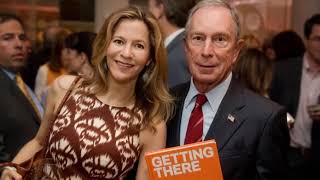
Gillian Zoe Segal, author and photographer, interviewed about her books New York Characters and Getting There. She tracked down 30 high-profile figures like Warren Buffett and Marina Abramović to find what they had in common: resilience, sales experience, and grit. Her persistence strategy: front-door, back-door, window.
Chapters
Living a Life in Full is a conversation you always wanted to have with that person who gave an amazing TED Talk or the author of one of
your favorite books, or that inspirational Olympian
you always wanted to know more about. It's graduate level conversations with those making a difference in the world and in
the lives of others.
This show brings you new ideas and
approaches so that you can live a life in full. I'm your host, Dr. Chris Stout and
I hope you enjoy this episode.
This episode of Living a Life in Full is brought to you by ATI Physical Therapy. If you need physical therapy, choose ati. ATI offers exceptional care, trusted expertise and remarkable outcomes customized to your needs. ATI has over 800 clinics coast to coast in 25 states. Want to start feeling better fast? ATI can help address chronic pain or recovery from an injury or surgery expertly, quickly and conveniently. ATI's first program uses a performance based methodology to safely return injured workers to their workplace. FIRST is designed to increase strength, endurance and cardiovascular functioning. ATI's sports medicine provides athletic training services to help athletes get back in the game. ATI has hundreds of professional, collegiate, high, high school, middle school and club relationships nationwide. ATI also offers a variety of specialty services including home health, hand therapy and women's health. To Learn more about ATI's advances in evidence based practice, clinical outcomes and their innovative new smartphone app, please visit atipt.com
welcome to another episode of Living Life in Full.
I'm your host, Dr. Chris Stout.
I'm very excited today to have Jillian
Zoe Siegel, an entrepreneur, CNBC contributor, photographer, and author of Getting a Book of Mentors and New York Characters.
She was Also one of LinkedIn's top
voices and is a professional speaker, having
spoken at Google, Royal bank of Canada,
LexisNexis and numerous other venues across North America.
Jillian received her BA from the University
of Michigan and a law degree from
the Benjamin N. Cardozo School of Law at Yeshiva University. Hey Gillian, welcome to the show.
Thank you so much for having me.
So I'm sure some people have probably seen you on CNBC and are familiar with your books, but I came across you and your most recent book Getting There in Omaha at the Berkshire Hathaway Annual meeting where you were really rocking the book signing and as we were chatting before the show started, it sounds like that went very well. So it's great to have you you on the show and good for myself and for those who don't know you real well yet to get to know you better and honestly.
Big fan.
Read Both of your books and really, really enjoyed them.
Thank you so much.
So you're born in Montreal, is that correct?
That is correct.
But you've actually lived most of your life, including when you were little, in
New York City, is that right?
Yes, I moved to New York right before my eighth birthday.
Okay, so what got you there? And tell us about your childhood in growing up in New York, what that like.
I loved growing up in New York. Kids don't like change. So when my parents told us we were moving from Canada, we all, of course, cried and did not want to do it. And I remember visiting New York and thinking, it's so crowded here because we were in midtown.
Oh, gosh.
But actually, living in New York City is different than visiting midtown. And it's just, you know, that you are never bored here. There's so much to see and learn and do.
That's right.
Forever.
I certainly love the times that I've been able to spend time in New York. So from that childhood and kind of early upbringing, did that shape your writing? Did that shape your eye for your photography?
Or did that.
Did any of that sort of conspire to bring you to your first book, New York Characters?
I think that the biggest thing that shaped me was that my parents were big travelers, and they took us on these trips that most parents wouldn't take their children on. We would. You know, one year they bought a camper, and we were in Morocco and all around Europe in this camper. Nobody slept very well in that camper, but it was. It was fun. And another year there was this special. They don't. I don't think they don't have that. They have this anymore. But it was like an around the world plane ticket special. And as long as you kept going in the same directions and went standby, you could just keep going. And we literally traveled around the world.
Wow. Your whole family.
My whole family.
That's crazy.
Wow.
My parents have. I have three brothers. Back then, I only had two brothers. The other one wasn't born. But anyway, we always did it not in a very structured way. So if you have to fly standby, you can't be too structured. So we just sort of show up somewhere and wing it. And I think that gave me a real curiosity. And we would just, you know, let the day flow as it flowed. And if you met people or someone invited you over, you would go over to their house, and you never knew what was gonna happen. And I think that shaped my personality a lot.
I bet. Well, when you first started to Say, oh, we went camping.
I'm picking.
Picturing, you know, sort of like the proverbial Winnebago to Yellowstone or something, but not. Not Morocco. That's very, very cool.
Going to kind of skip around between your two books, but getting there is kind of like, for. For those that haven't read it yet, it's like, literally a who's who of the people that you interviewed. But your first book, New York Characters, while you've got, like, a lot of superstars and notables and celebrities, it's much more eclectic. And you have people that are sort of, I think, maybe iconic, perhaps, or certainly at least emblematic of kind of the vibe of New York City of the time that you did it. How. How did you even come up with that idea to.
To do New York characters?
I actually was taking classes at the icp, the International center of Photography in New York. And at that point, it was located on 5th Avenue, 94th street, and I was living on the west side. And every day I would walk across Central park to go to school to my class, and I would always pass this class guy, and I couldn't figure him out. He was hanging out at the reservoir, and one day I would think he looked like a homeless person. And the other day he'd be, you know, yucking it up with Upper east side yuppies. So I finally found him alone, and I said, all right, tell me about yourself. I can't figure you out. And he told me his story, and he basically was like. Is like the mayor of the reservoir, and he was jogging before anyone else did. He's an immigrant from Puerto Rico, and he's raised a lot of money, and he's, you know, was an honorary. He's dead now, but he was an honorary member of all the running clubs, and he was sort of the darling of the running scene. And I just thought, you know, this is what makes New York such an amazing city. It's the people. And there are all these little subcultures with people who are famous in them. So in the running world, people knew him, and in the art world, people know someone else. And if you go to the Yankees game, you know this guy. And so I just decided to explore that and make it into a book.
Wow.
And stitch all those characters and stitch all those stories together, which is. Which is great. You know, it reminds me. I mean, do you think it seems like yours is almost like a harbinger for Brandon Stanton's Humans of New York? I mean, do you think. Do you think he was inspired by or informed by New York characters as to what he's done that.
It's a good question, and I have been asked it before, but I don't know. We'll have to find him out.
I'll have to get him on the show and see what's what, because I've
really liked his work and his blog. And then I think he came up with a subsequent book, Humans of New York Stories or something like that, where he kind of really, then I think paralleled the format of your book, where he got, you know, much more, much, you know, in greater depth of kind of, you know, what's what, rather than just cute and snappy little, you know, taglines on what was in Humans in New York. So.
Well, if he was inspired by, by my book, I take it as a big compliment and congratulations to him on running with it and doing such a good job.
Yeah, it's, it's, it's well done.
So. But I think certainly it's almost like this, this genre, you know, you and I. Well, myself too. I'll talk about that in a second. But you and he have really been a part of. So I know there's a backstory to getting New York characters published. Can you share that with our listeners?
Yes. So getting a photography book published is hard. Getting any book published is hard. But photography books cost more than regular books to produce, but they don't really sell. Sell for that much more. So it's even harder to convince a publisher to produce your photography book. And when I had this idea, I was just a nobody. I still am a nobody, but nobody in the photography world. And everybody who I ran it by said, you know, like, kind of, you're a little too big for your britches to think you could have a photography book at this stage in your career. I think you should intern for someone first and then do this and then build up your resume. And then, you know, like, 10 years from now, why don't you think about it? So I wasn't getting any encouragement, and I thought, all right, I am going to have to hustle to make this happen. So what I did is I went to the bookstore. Well, first I tried to get an agent, and I could not get an agent. Nobody was interested in representing me. And then I went to the bookstore and I made a list of the publishers who might publish a photography book on New York. And then I looked at who was the editor, which editor at that publishing house worked on this book, and I made a list, and at the very top of my list, was a guy named Jim Mars at W.W. norton. And I thought, this book is up his alley, so I aimed for him. And there was a photography teacher who taught at ICP who had had a couple books published, and this was his editor. And I asked him for an introduction. And eventually, after a lot of prodding, he introduced me via, I don't know what phone, I guess, because there was no such thing as really, people weren't emailing much back then anyway. And that's how I got it published. I just went right to this one guy and said, I think I have this idea that's up your alley. And I had completed about half the book already, and I showed it to him and. And he published it.
That's fantastic. And you're right. I mean, just kind of breaking into the publishing world in general, but then breaking in with this kind of a work, I think is, you know, doubly hard. So. And W.W. norton, holy cow. Not bad.
Like, right off the bat with one of the. I think one of the most reputable
and top brand publishers. So that's. That's fantastic. Yeah, absolutely. So now I'm also a big fan of George Plimpton and always enjoyed the Paris Review. And how did you get him to be in the book? I mean, here you're saying, you know, hey, I've got this hustle. I'm able, you know, to get W.W. norton to publish it. But how'd you get him in it? And then how did you get him to write the foreword?
Well, number one, one of my favorite things about George Plimpton is that he has this personality where he's up for an adventure and he doesn't think he's above, you know, rolling up his sleeves and doing anything with anyone. So he's an open person. You know, he's like. Like if. If you say, hey, George, do you want to. I always say, and I try to live this way myself, like, I don't see why not, that that would be a good reason not to.
And the way he would say it would just be so perfect.
Yes. I actually try to raise my daughter that way, too. We get it. You say, I don't see why not. But anyway, so I knew someone who knew somebody who worked at the Paris Review, and I got to him that way and I said, you know, I probably showed him some of my earlier work and asked if I could interview him. And he said yes. And then to get him to write the forward, it's as simple as I just asked
the magic formula and he was into it.
Yeah. Yes. So. But, you know, I was very. I was very lucky, and I really admired him, and I couldn't have been happier.
Yeah.
Yeah. And. And he's just. I mean, he was just such a. A charming guy. And the way that he wrote your
forward as well, too, is just. People need to check that out.
It's awesome. So one of the things that I personally just want to have listeners know about your proceeds, because I know that you wouldn't bring this up, but basically the. The proceeds. Your proceeds from the sale of New York characters, timing of when the book came out, and things went to the families of the victims of the terrorist attacks of 9, 11. So, Gillian, I just think that's very touching, and I think it really kind of also speaks to who you are. That's just really fantastic and bravad to you. So I want to shift gears now.
You have this reputation for interesting ways of getting book deals, so getting there was a bit different than WW Norton.
So tell us about how getting there wound up getting into print.
Well, you know, it's funny, but it actually, it's done really well. The book has been a big success, so people don't assume this, but the first. It was rejected all over at first as well.
Wow.
And basically, I had an agent this time, and the agent shopped it around to everybody who she thought it should be shopped around to, and it got rejected, like, all over town.
Was this before you did it, or was it already completed?
It was about half completed.
Okay.
Wow. It wasn't like. It was not like they didn't know what they were getting. I mean, Warren Buffett was in it. Oh, yeah.
I mean, randomly throw a dart at anyone in the table of contents, and they're. They're a superstar in their own and
if not many different areas. So.
All right.
So there was this myth going around the publishing houses, I guess, that people don't like sort of compilation books if you should do a book just on Warren Buffett or just on Michael Bloomberg. Meanwhile, I thought, what are you talking about? Everyone has short attention spans these days. My book is like 30 autobiographies in one. I got rid of all the boring books, stuff for everybody.
You spun it down to the essence.
Yeah. This is the kind of thing I want to read. So I just figured anyway. But then the woman said, I'm gonna start shopping it around to my B list. And I was like, hold on. And I switched agents and found somebody who understood it better and said she didn't push it. To the right people or whatever. And anyway, in one second he sold it. Wow, that was good.
Lucky for all of us then. So do you think being a writer and a photographer helped the project to like, like get. To get a better deal or to say, here's the combo pack here, you know, double barrel, special weapon?
I think, Yeah, I think so. Because, you know, I had more control and it's less money that anybody has to spend, you know, because I did it all myself.
You're not going to have artistic, artistic
differences, you know, with being the writer, with what the photographer's doing.
Yeah, yeah, no hiring photographers. So I think that helps it. And you're just dealing with one person.
Yeah, well, and, and again, kind of, you know, thinking about, I think you, maybe you're, you're the person that starts, you know, amplifying a genre or something. But I've also read Tim Ferriss's books, Tribe of Mentors and Tools of Titans and he's, you know, I've read his four Hour Variations and stuff too and enjoyed all of them. But his, the Tribe of Mentors and Tools of Titans were pretty much kind of predicated on his podcast guest interviews. And you know, he was spinning down and getting kind of the, the essence of theirs or doing some follow up interviews. And so that's how he got his folks in his. But how did you go about selecting the top 30 that you did for getting there?
Well, basically I wanted to have a diverse group of people from a broad range of fields. So I have people like Michael Bloomberg and Warren Buffett, and then I have even a performance artist, Marina Abramovic, and the woman who invented Spanx, and everybody in between, you know, chef musicians. So. But I wanted them to be people I admired. And then I had to like narrow it down by the people who would have me, you know, the people who would agree. So
I did a three volume book set some years ago called the New Humanitarians. And my goal back then was to kind of like talk to folks that had developed kind of in the humanitarian space, which is an area that I work in, kind of new, innovative approaches. And they're really kind of, you know, boots on the ground, roll up the sleeves, you know, kinds of folks. And each chapter is devoted to each organization or whatever. And we would interview. I had graduate students to help out. And that's how you could do three, 45 chapters. But we, the folks I tapped were folks that I kind of knew or I'd already worked with. And that kind of made it a little bit easier but how. How did you go about reaching out to folks like, you know, that are very hard to get ahold of, like a Bloomberg or a Buffett or whoever else, you know, how did. How did you connect with them? Is it a Kevin Bacon kind of thing? Or how did that work?
That was the hardest part. And working on this book took me five years. And most of that time was spent hounding these celebrities, chasing them.
What's the tipping point between, you know, like, driving someone nuts and stalking them
versus, you know, saying, okay, I'll do it, Jillian, kind of a thing?
There's a tipping point. And I actually have written an article on how I got everybody to be in this. It's in Fortune and some other places. But I think that there is one aspect of it that's like a monitor that you can have that how people have monitors in social situations for how far you can push things or. And I do think that there's something where either you kind of have that monitor or you don't. You know, there's something. You're always saying the wrong thing or. Or. And there's some people who don't usually say the wrong thing anyhow. So it is. It's like you want to be, I call it politely, persistent. You want to be persistent, but you don't want to be creepy, right?
Yeah. Well, it may be.
I have to say, though, I have to say.
And we'll link in the show notes to your articles about this, but I think there's also a certain level of charm and charisma that you have that I think probably also helps grease the skids for getting people to. Yes, is probably part of it as well, too, so.
Well, thank you. A lot of this, though, was done, like, you know, over the. Over email or whatever. So it's. It is, but, you know, but then also on the phone. So basically, you know, to get people to do it, you have to be immune to being ignored because you would, you know, when you're approaching a famous person, they're approached all the time. And a lot of the times, you know, they just don't answer back or whatever. So you can't get discouraged by that and keep trying. And then I basically use this metaphor where if you can't get in the front door, try the back door. If you can't get in the back door, try climbing in a window. And if you can't climb in the window, wait a while and try the front door again. So unless I got, like, a real hard. No, I would keep going and sort of ask again, but not like a machine gun and then check in again or whatever.
I remember you wrote in New York characters about your, you know, you finally got to Spike Lee. It sounded like he was probably. Probably your most challenging. Who was the hardest to get on board with, with the new book?
It was actually the architect, Frank Gehry.
No kidding.
Yeah, it was. He. I got rejected by. I think I got. They said yes on the fifth time, but they gave me not. They gave me actual no's, but I didn't really take the nose so seriously because it was like I was writing to info at Frank, Garry, whatever, you know, like, I didn't really have anyone to deal with. And so I would just send the request to the email on his. On his website, and they would say, no, he can't do this right now or something like that. And right now I'm like, I'll take that literally. Maybe he could another time. So that's probably why I kept going. And then one day, miraculously, somebody wrote back. And I think it must have been a new assistant that day. She wrote back and I latched onto her and I didn't let go. And I said, oh, my God, somebody, you know. So I sent them my book, my first book, and I got on it. And then he proceeded to cancel on me for a year and a half.
Wow.
Oh, man, you are persistent.
In that time, he changed assistants a bunch of times, and I had to keep proving to each new person that I had once received a yes. You know, the woman who worked there before you, like, she did say yes. And so I'm just trying to schedule this, and I could. And I'd have to forward the old emails.
You are so organized. Holy cow, that's great. Well, then I have to counterbalance this.
Who was the easiest?
The easiest?
This is.
I know it's all relative out of this, and probably no one was easy, but relative to Frank,
I don't know who was easiest because no one was easy. Like, literally, I got almost ignored and rejected by everybody.
Everyone's consistent then, so.
Well, maybe who was the most intimidating? Who's the scariest to ask?
Okay. I think if you ask, the most intimidating is also my favorite person in the book, Warren Buffett, because, come on, I mean, he is a legend. And so when you're in the presence of him, he's just, you know, such an outlier in every way that you can't not be a little intimidated.
Yeah, that's true.
But he is my.
He seems, you know, and just, you know, the from afar kinds of observations I've had of him, you know, at the. At the Berkshire Hathaway annual meeting and, you know, know what you see on television and other kinds of places and interviews and things. You know, I love the whole folksy kind of side of him, but you know who scares me is Bloomberg. You know, I just. I respect him so much, and I'm a big fan of his. I just, you know, love the work that he does, love what he did as mayor, etc.
But, gosh, he kind of scares me. You know, I feel like I've seen a great picture of the two of you. You know, it's like, wow, he almost looks a little warm and fuzzy there. Not quite.
So he is. Yeah, because he's also. He's so smart and he's no nonsense. He's just direct. You might be afraid he might tell you tell it like it is and you might not want to hear it.
Exactly. Yeah.
I think that's it. So, yeah, so you have this nice
round number of 30 superstars in there, including Nobel laureates and Craig Ventner, and you're just, you know, just. I love the diversity and stuff, like you mentioned, but was there someone in there that you would have liked to have had that, you know, just you could not scale the wall, that you just could not get in?
Okay, absolutely. Yeah. Name. Name one power woman who is who people admire. And I'm sure I asked her because I always was trying to get more women in the book, and there were a lot of people. Bill Gates said no a few times, and I just never could get that through. There were a lot of people. And one thing Warren Buffett says is that he has a lot of a long list of sort of acts of omission, like things that he could have invested in but didn't, you know, things he knew about. So missed opportunities. But no one really looks at that. They just look at all of his successes.
Sure.
And so I kind of think about my book that way. That's good. I have a great list of people. But what people don't know is there's a long list of great people who I didn't get. So you can't win them all. Nobody. If Warren Buffett can't win them all.
Right.
Exactly, exactly. You're in good company. So it makes me think.
Comes with the territory.
That's right. Yeah. It's all part and parcel. So a million years ago, an early book that I did was called from the Other side of the Couch. And what I did in that book, I did confidential interviews with about 60 some odd psychologists and psychiatrists and just kind of what it was like to be a psychologist or psychiatrist. Their training and ethical issues and conundrums and difficult cases and their health. They ran their practices and what their personal lives were like and whatnot. They were very frank and open almost to a level that kind of surprised me. But I think that was the case because I was maintaining anonymity. It wasn't like I was putting their picture, you know, on one side of
the page and then writing about what
they said, you know, on the opposite side. But I think, you know, your interviewees almost. I think as a. I can't think of anyone that doesn't fit what I'm about to say. Were, like, immensely frank and open with you and talked about difficult things. It wasn't just, you know, talking about all the home runs and all the wonderful things that they had done, but, you know, talked about the struggles they had and talked about failures and things and. Which I really respect. And that's what I think is, you know, one of the strengths of your book. So what was it that you think? What was the chemistry that let them feel so comfortable with you to open up and to be so frank and honest that way?
Well, two things, I think. Number one, I. I'm a little folksy myself. Like, I don't show up with a team of assistants or whatever. It's just me, a camera and a backpack. So it all is. I mean, and it's real because, you know, it just seems pretty casual.
Yeah.
So it's not like. Yeah, it's not an intimidating setting, even though I'm not the one dictating the setting. But my part of it is not very fancy.
No entourage, no special lighting setups, getting you a latte or something.
It's literally me with a backpack. And I'm not even just saying a backpack. It's a backpack.
That's.
That is very cool.
That's you. That is you.
Because I have my camera equipment in it. It's like a camera. So there's that. So the scene isn't very, you know, it's casual. And number two, the book that I was doing, getting There, it's a. Actually, I'm gonna add a three after this. But it. It's a celebration of these people who are in it and what they have to offer to help others, you know, to tell their stories in a real way. So I explained that about what the book is about and how it would be inspiring for people to Hear these stories. People who are somewhere, you know, along the way in their career. And I also said to them, I will. And I didn't do this in the beginning, but I. But I realized, you know, as I was working on it, that I should do it. I said, I will give you the essay from this interview, and you can change anything you want after. So just talk, talk. And I won't publish anything without making sure you're happy with it. And before I published the book, I sent everybody their essay and said, here it is. I just want to make sure that you still stand behind everything you said and that you're happy with how you came across. Let me know if you want to add or change or delete anything.
Nice.
And the other thing is, I knew what I was after, which is, like, real stories and shared experiences. So sometimes I was really surprised myself with how much they were sharing, but I didn't give up. So if somebody said something that sounded interesting, I would sort of push it. I kept at them, like, explain that, or could you tell me a little more about how you were feeling about that or this? Or I kind of forced them to get a little deeper than maybe they would have on their own.
That's good. Well, they must have felt. I mean, you know, I think maybe a consistent thread throughout the whole process from ask to doing it to essay and review, was maintaining a level of trust. You know, I think at any hiccup, any juncture, at any one of those things, you know, the interview would have been off. So I think that's wonderful.
So, you know what else? Even though I am a lawyer, I didn't have anyone sign anything. I just. It was very casual. I just. Because I figured, listen, I am not gonna want to get into a legal battle.
No kidding.
So it's just like, I'm not gonna cause any problems here.
Well, there certainly is a tacit approval of the fact that they've reviewed it and they've let you into their offices or lives and photograph them. You know, there's nothing sort of sneaky about it. So full transparency.
Sending them the stuff over email, and them saying, okay is over email. So that is the record.
But that's right.
That's right. So, like. Like I said, you know, they. They were very honest. You set a very, you know, kind of trust and comfortable level of communication. A lot of the. The individuals had some pretty difficult beginnings. Could you share a few of the stories that are standouts for you that maybe, you know, you didn't know about until you had that Time with them.
Well, John Paul DeJoria is the first person who came to mind. He is the founder of Patron, you know, the Tequila Tequila, and John Paul Mitchell Hair Systems and a bunch of other companies. He talks about humble beginnings, where his family was living on food stamps. And he remembers a time it was just his mother and him and a brother, and between the three of them, they had five cents. Like it was that bad. And then he grew up and he lived in his car and got fired from like four or five jobs. And anyway. And now he's worth billions. So there's a lot of stories. Frank Gehry, the architect, was on the verge of bankruptcy for years. Jeff Koons, who's one of the most successful living artists, probably the most. It took him nine years till he could live off his art. Like after graduating from art school. It took him that long to make enough money from his art so that he didn't have to have a second job. He was doing a bunch of different things.
And Sarah Blakely, what she was like a door to door fax salesperson or
something, Selling fax machines door to door.
Golly.
John Paul DeJoria, he sold encyclopedias door to door for years.
Wow. I guess maybe part of it is just that grit or gumption, you know, to just kind of keep at things and saying, okay, I don't want to be the world's best encyclopedia or fax salesperson. But you know, that taking certain kinds of skills and certain kinds of being fed up with what's going on to then make the shift into what made the difference. So with. With the five years that you mentioned to take this. Was it by virtue of the fact that it just kind of took that long to get to the yeses and to get yourself insinuated into people's schedules and all that?
Yes.
Wow.
Good for you. Good for us that you've done it, because we can all benefit from that. But golly, that's.
It got to be embarrassing because people would be like, well, how about that book? And I'm not even talking about my friends. It would be like Warren Buffett being like, what's going on with that book?
Oh, gosh, that's worse than your publisher.
Yeah, I know. I was like, I would rather have turn out an A eventually than a B quickly.
Good for you.
The book. Yeah. Once it's published, there it is. So no one, you know, whether it took me three years or five years, I'd rather get an A.
That's right. Well, I think, I think you've Achieved that.
So were there anything. I know you did your research in backgrounding and stuff with some of these folks and some are very public people and some are not so, you know, public in necessarily their availability of biographical material. But anything that came as a surprise to you when you were spending time with, with any of your interviewees?
Well, one, yeah, I guess like how open people were. Because another example of that is Ian Schrager who was the founder of Studio 54 and now he's, you know, he's sort of responsible for the whole boutique hotel revolution. And he talked about going to prison. He spend time for tax evasion in prison after Studio 54. So that's just another example. And Craig Venter talked about a suicide attempt that he did while he was out in Vietnam and he was so depressed and tried to commit suicide and the whole thing. So I guess I was continually surprised that people were talking about that kind of stuff. But, but on the topics, other topics, there was this thread that went through which was that how important jobs and sales are to people's ultimate success. And I already did speak about two examples. Sarah Blakely selling fax machines door to door and John Paul d' Doria selling encyclopedias door to door. But, but I think one of the most important aspects of a person's success is their resilience. And a good way to train yourself to be resilient is to be in sales because you will get rejected, Rejected, rejected. And you have to be as bright eyed and bushy tailed at the 10th time. You try and sell whatever you're selling as you were at the first or else you're not going to make a sale. If you sound depressed about what you're selling or down on it.
That's, that's really a good point.
Yeah.
So to shift gears a little bit from the, the writing aspects of it, I'm very curious too with your photography. How did you compose your shots? How did you, did you. Were they more like candid things? Did you leave it up to the subject of whoever you were shooting? Tell us about that.
Well, I am. I didn't have as much choice in the matter as I, you know, as I would because I, I was scheduled, you know, Michael Bloomberg, you're gonna interview me here for this amount of time and, and that's what it was like. I would say to the people. I had to do what worked for them.
Sure.
So I wasn't, I didn't have the power to say meet me at this spot or whatever. And I tried to get people in in, you know, their natural environment. So I just did it wherever if it was. I went to Anderson Cooper's house. The picture of him was there, Warren Buffett's office, Michael Bloomberg. It was City hall because he was the mayor of New York at that time. And I basically just had to deal with, you know, the environment that I was told to show up in. And I always did the picture first.
Oh, really? I was curious. Okay.
Yeah. I just wanted to have time to get a good picture. And I did, of course, want time for the interview, but I felt like, you know, what if we run out of some. Out of time, I could always follow up on the phone or something, hopefully. And I just, I can't come back and take a picture.
Right.
That's really good. But the practicality of that. That's good.
That's good.
Yeah. So I tried to do it as quick as I could and, you know, with knowing that I got a good shot. And actually, Warren Buffett, his secretary, always tells me that I ruined it for all of the other people because a lot of people want to photograph him and they say they need like a couple hours or whatever. And she always says, Jillian did it in five minutes. And they love. They love the photo I took of him. She says it's like as good as, you know, a two hour wind or whatever. Yeah. So I like, okay, sorry.
That's good.
But that was kind of good luck. It was luck because I have had times where I have done photo shoots that are long and I don't like anything, but I just did get lucky with that one.
How did that compare with New York characters?
The photographers, New York characters? A lot of the people. There were some people. It's sort of the same thing where I had to take what I. What I could get, but. And there were some famous people in New York, characters like, you know, Ed Koch, the old mayor and Spike lee and John McEnroe, tennis player. There were people, but I seemed to get a little more time with those
people
back, you know, so I think I had a lot of people in New York characters I spent a lot more time with than, you know, like some of them I spent the day with or. Yeah, whatever.
For my untrained eye, it seemed like those might have been a tad bit more candid, you know, kinds of things. I mean, some just look so, you know, spontaneous and stuff versus, you know, the context of getting there. And why the choice between black and white and color between the two books.
Well, it was a different time, so. But when I did New York characters. I was doing a lot of black and white because I was, you know, working in dark rooms and. And learning that craft. And so that. That's what I was into back then. And now I use digital.
Yeah. Yeah.
And so, you know, I just. It's just the times have changed, and it's sort of what I. What I'm into at the time.
It's funny, it just. It seems to me like it would have. Like, the black and white was so fitting, you know, I don't know why I feel that way, but it just. I don't know, it's just a gut kind of. Of thing. It just really felt like those. Those characters and aptly named book. I don't know, there's just something about the. And not that they're grainy or gritty, because they're not, but just the contrast. And the black and white I felt really, you know, played out well and would have been.
Not.
It wouldn't have worked in getting there. So. That's fascinating.
I agree.
Yeah, that's fascinating. So I have to say, you've had the benefit that very few people in the world have of being able to kind of go deep with, you know, a Q and A with some of the, you know, the. The who's who of successful people. Did you change as a result? Did you find yourself doing anything different? Did you feel like they had sort of by proxy mentored you or given you advice or giving the world advice, given you advice?
I would say absolutely. Like, I got so much great information from these people and so many inspirational pieces of advice and tidbits and everything. I think about it absolutely multiple times a day. So I think this. I think that the best way to be inspired is not just to hear a lesson. Like, if you hear a lesson like, don't be afraid of failure, it sort of goes in one ear and out the other. But if you hear that same lesson attached to a story that means something to you, you'll remember that. So when I think about failure, I think about how it was so hard for Sarah Blakely to even get a company to make her Spanx prototype. She was rejected by all the ones she went to. Then she had to show up on their doorstep and ask them, and they all rejected her. Then one person called her back and said, fine, I'll make the prototype for your crazy idea, you know, and currently I'm working on getting a prototype of something made. And I think about that because it's kind of hard to do. To get someone to do it. Or whatever. But I think that. So if you read Getting There, different stories will speak to different people. It depends on what you need to hear or what your topics are, what you need some inspiration in. But I think about a lot of the resilience and a lot of it all the time.
Yeah, that's good. It probably is one of those kinds of things where it is a book that you could, you know, pick up and. And put down kind of a thing. It's not obviously not a novel or anything like that, but I think it might also be one of those books that speaks to a person at, you know, different points in their life, different points in their career, different points in their development. I know a lot of times people will go back and reread books, you know, in their 40s that they read in their 20s, and they get something, you know, not necessarily hugely different, but they get things that they didn't get when they had read it the first time. I think. I think you're. Some of the stories that you have will resonate with readers that way as well. So let's. Thank you for the time that you've given me today. I want to shift gears a little bit and have our listeners get to know you a tad bit better. So, you know, you've done incredible kinds of work. You've got a law degree.
You've been all over the world as a youngster as well as an adult.
So what's a typical day in the life of Jillian, or week in the life or kind of. What are the things that you're up to these days?
I'm working on this. I'm trying to get this prototype of a new product made, and that's what I'm working on now. And sometimes I write articles, a lot of them stemming from the book, and different, you know, inspirational career things, but it's hard to map out what a typical. I'm also a mom. My daughter's away right now, but that takes up a lot of my energy. Yeah, mostly like, I'm trying to get this thing going, this idea of mine produced.
And I know that you're also, you know, like you said, you write, and I'm sure you're still shooting and that you do a variety of international speaking. So where do you find your inspiration for that? Are there different fonts for your muse, or how does that work for you?
I guess that is a hard question. It's a good question, but a hard question. And I think I find a lot of my inspiration. Inspiration from the people in my book. And I'm still in touch with a bunch of them.
That's great.
So it's a, you know, good access.
So I guess maybe an obvious, you know, couple of last questions and you. Can you. Maybe you've already given us this, this advice on, you know, sort of how to meet someone. Like if a listener wants to meet someone that they're a fan of and. And not become a stalker of that individual.
I know you talked about the front door and the back door and the
windows, but are there things that you would do today differently now that there's, you know, much more, you know, public Personas and social media kinds of perhaps access points for someone that if, you know, someone wanted to meet their, you know, their inspirational author or their inspirational, you know, whoever it is, what. What tips might you give that person?
Well, if you want to meet them, see if there's any event they're doing, if they're speaking somewhere or something that you could go to. And that's easier to find these days because everybody has sort of social media and websites where they'll say if they're doing, you know, some kind of an event, that's the easiest way. And then it depends what you. I guess it's harder to meet somebody if you just want to say hi to them.
You kind of need a purpose. Yeah. Not just for the selfie or something.
Like you want to pitch your business idea to them or ask, you know. Yeah. If you have a purpose, then that's the easiest way and sort of pursue that in a way that is persistent, yet polite and not annoying.
That's good. That's good. So you're working on a prototype. So you've got a new project. Anything cooking in the writing side of things? Are you just doing some freelance for articles or you got another book?
Just freelance articles. Just freelance articles. But I'm not doing another book right now because you can't do too much at once if you want to do anything. Great.
That's right.
You gotta get that a. Yeah, that's right.
Yeah, I can. If I spread myself too thin, then I'll be good at nothing.
That's right.
So I need to. Yeah, focus.
So people can find your book wherever they consume their books and booksellers and things like that. So what are some ways that people might get to know about you a little bit better to catch up with some of your articles or if there's socials that people can follow you on Twitter? What are some ways that listeners that would like to know more could do that?
I think the best way for me is LinkedIn. That's where I'm not very public in my Instagram or Facebook. Sort of more for people who really know me, who I know in real life. But LinkedIn, if anyone has a picture, I will say yes to connecting with you. And I just think it's kind of creepy if someone doesn't care, doesn't want to.
Exactly. Yeah.
You kind of wonder who's behind that. So that's good.
I say no to that.
Yeah, good for you.
But yes to everything else and all. And I will post about everything I'm doing, you know, work wise on that platform.
Great. Good. Well, Jillian, you have been very generous with your time today. I so appreciate it. It was great to be able to ask some of those questions that I've been so curious about after, you know, getting to know you a little bit and getting to enjoy some of your work. And again, just a big thank you to both books. I found them just very enjoyable as well as inspiring. And I'm so glad that you had the gumption to get them done and the stick to it. Iveness to make them a reality. So thank you for that and thank you for your time for being on the show today.
It was a lot of fun talking to you and thank you again for having me.
Living a Life in Full is a production of Stout Media, a subsidiary of Gordian Knot, LLC. Assistant producer Gracie Wong Music Dan O' Brien executive producer and host Dr. Chris Stout to learn more, stop by our website at Life in Full for show notes and please recommend this to your friends and subscribe on your favorite platform. And as for the obligatory disclaimer, this podcast is for general information uses only and does not constitute the practice of psychology, medicine, nutrition or other professional healthcare services, including the giving of medical or psychological advice. No doctor patient relationship is formed. Lastly, and perhaps most importantly, I take conflicts of interest seriously. For all of my disclosures as well as show notes, please see livingalifeinfull. Org podcast and my LinkedIn profile.
Thanks and until next time,
More from Dr.

2025 Mercedes-Benz CLE 450 4Matic Cabrio – Owner’s Views After a Year-and-a-Half as a Daily Driver

The Complete Guide to a Successful Everest Base Camp Trek – Post-Trek Debrief

The Complete Guide to a Successful EBC Trek – Post-Trek Debrief: What I Needed (and What I Didn’t)

What Went Wrong Customizing My New 2026 Porsche Carrera T …and what I did about it!

Coming May 1 At the Intersection of High Performance and Fulfillment: A Conversation with Alisa Cohn

From High Performance to Fulfillment: Lessons in Inner Mastery with Jim Murphy

Coming March 19: From High Performance to Fulfillment: Lessons in Inner Mastery with Jim Murphy

The New Humanitarians Volumes I - III:- Inspiration, Innovation, and Blueprints for Visionaries

The New Humanitarians Volumes I - III:- Inspiration, Innovation, and Blueprints for Visionaries

The New Humanitarians Vol I - III: Inspiration, Innovation, and Blueprints for Visionaries - Forward
