Destigmatizing Plastic Surgery After Motherhood! | Natural Plastic Surgeon Podcast w/ Jill Cheel
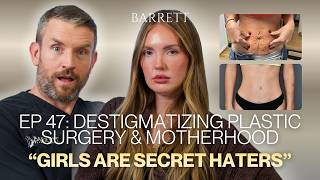
Influencer Jill Cheel gained 65 pounds across two pregnancies and struggled with stubborn weight that wouldn't come off after her third baby. She had breast augmentation for asymmetry and sagging, plus a tummy tuck combined with hernia repair that fixed her back pain and urinary incontinence. She talks recovery strategies and why mothers shouldn't feel ashamed of choosing surgery.
Chapters
On this episode of The Natural Plastic Surgeon, I gained 65 lbs.
Wow. With two of my pregnancies. Most of my friends were like posting bikini photos all of the time, and I'm like in the postpartum trenches. In the first week that I did it, I lost 9 lbs because my body just— one week, one week. I didn't change how I was eating or anything. Girls are secret haters, so if one of your friends is telling you not to do it, she doesn't want you to be hotter than her.
Hey everybody, this This is episode 47 of the Natural Plastic Surgeon podcast. We have one of our favorite patients, influencers, Jill Cheal here, and she's had pretty much every single procedure you can imagine that we offer. Not quite, but, um, and, and she's a mom of 3 boys, and, and that's what we're really going to kind of try to dive into. Having you in the office, we've, we focus on the plastic surgery side of things, and now we really get a chance to talk to you about kind of your personal side and like the journey that, you know, you, you took to kind of get here, how you stay in just such amazing shape. Like, tell us all your secrets. But when you got pregnant for the first time, like, what's What was it like to be a mom? You know, like, you go— because obviously you're fit and, and you care about, you know, you know, your physique and everything else. And tell us, tell us about that.
Being a mom, the transition to it was actually kind of hard for me because I was always like 115 pounds. I had my first baby at either 22 or 23. I got married really young, and so I had babies really young. I had just always heard and assumed that when you're pregnant young, things are going to be really easy for you, your body's going to bounce back, it's going to be great. I gained 65 pounds.
Wow.
With um, two of my pregnancies. And that was really like mentally hard for me because I had always just been like this tiny little person, and I felt like I was eating healthy. But also a 22-year-old, like, you are eating more processed food. Like, you're not in that phase of your life yet where you've really had to care about your metabolism. So that showed through my pregnancy journey. Yeah, um, working out like just wasn't enough. And so then that was hard for me because I just always had heard the term bounce back. So when I had my baby, I was like, oh, I'm just like swollen. I— this is like a lot of water weight. And it ended up not being, and I still was 45 pounds heavier than I was before giving birth. And so that was really, really hard for me because I just had never had to really like work hard or lose weight or anything like that. So one, you're trying to figure out who you are as a mom, and I like love my kids and they're the best part of me, but that was just really hard because it was I was young, most of my friends were like just graduating college, like posting bikini photos all of the time, and I'm like in the postpartum trenches. Like, I didn't really have any other young mom friends too, so it was a really weird transition for me because I was at a phase of life that, you know, none of my friends were at. So it was kind of weird. And then trying to figure out how do I lose all this weight while I wanted to maintain breastfeeding, and I always heard you need to keep your calories up, so it was kind of like a weird time.
What, what kind of support did you have at that time, or like what resources do you have to help you get through that?
My husband and I actually live out here without any family in California, so it was kind of just like us two at the time. My mom, sister, and dad and I, like, we weren't all like super close because I feel like just like a time of your life when you're finding yourself. I got married young, like I made some decisions where I just like really wanted to be hyper independent, and so I basically was like mommy by myself. My husband works 6 days a week, so I had my salon girlfriends who were kind of like my support, but at the same time they were still in different phases of life for me. So it was kind of weird.
Yeah.
Wow.
That must have been really challenging.
It was. And I feel like you go through a little bit of like postpartum depression. I had— I'm on SSRIs still and I feel like has really helped because I did a lot of like the holistic things like L-theanine and all that kind of stuff. And sometimes you just need a little bit more support.
So of course No, absolutely.
Yeah.
If you could go back to your 23-year-old self pre-baby, and if you could give some advice to yourself, what would it be to kind of like prepare better for the, um, being pregnant and the multiple pregnancies and everything else?
I think just like really, like, food is like energy for your body, and I hadn't learned that yet. I feel like I was always maybe a little bit stressed or had that anxiety, and I take that out on food. So like, I really like sweets, so like when I'm stressed. So I think just managing that ahead of time and like prepping my body and maybe getting in a better workout routine. Because I— my whole childhood was really fit. I danced, everything. But then I just didn't keep up with that after because I was working long days at the salon. And I was like, oh, well, I'm standing all day, so that's like working out. But I mean, that's— it's not the same.
Yeah, no, totally. It's funny, it's like, you know, because we have 4 kids, and when my wife got pregnant, uh, multiple times, it's, it's like something in the air. Like, you know, she would gain weight and I would gain— I would gain weight. We would go get burgers and pasta. And it's so powerful, whatever that hormone surge is, or that, uh, nest-making stuff. I don't know, but it's, it's powerful. It catches you on— it catches you off guard. It caught me off guard, caught my wife off guard and everything else. And so I feel like, um, as a plastic surgeon, I say this as, as best as I can, like, you know, gaining 65 pounds, um, I, I'm not— no one's going to be critical of that, but obviously we want to try to aim for like, you know, 35, 40, right? Because people ask me, it's like, oh, I'm gonna get pregnant, I'm gonna have things to get redone. I was like, I find that patients that don't gain too much weight, obviously the healthy amount of weight is important. So I'm not saying starve yourself by any means. You kind of have to navigate that carefully because, you know, there's, there's a lot of emotions and things going on. I've noticed my patients don't gain more than 35 pounds, and I don't need to do a whole lot of like breast lifts after breast implants or stuff like that. So I, I find, uh, maintaining a healthy weight during pregnancy— and there's guidelines for that, so you can check with your doctor on that, right? So I'm not here to, to tell you one size fits all. So, um, but yeah, you know, that, that's, that It's partly why, you know, um, you had to come see me.
Yeah.
Um, that's a whole different subject. Like, you know, you've never had— you never had plastic surgery before. I mean, did you ever even have surgery before?
My— just my wisdom teeth out. So literally, like, that feels like not anything.
You lost the baby weight, the 40 pounds, right? How did you do that? I mean, people out there really would want to know that.
So my first baby was easier. I was crazy. I started doing, like, Orange Theory and Pilates, so I wanted, like, cardio, all that. And then I really was like healthy. Like, two of my meals, I didn't have any carbs with them. I had like very like nutrient-packed, like salmon and broccoli and like veggies. And I just like really like— I bought cookbooks, I was like learning how to cook. I just like went like ham. And it's nice too because you have your baby. I was like making all the stuff for him too that was like healthy when I was introducing that. So for my first baby, um, it took about 9 months for me to feel really like good about myself. But then again, I finally lost the weight. I had a lot of loose skin, so I still didn't feel myself. My second baby, I didn't gain that much weight, and so I almost was like kind of back at my postpartum, like initially.
For the second baby, did you eat healthier or did you make better choices, or just— you just knew better, or like what happened?
I think that I like would work out 5 days a week. I was like really conscious about like what I would eat and everything. My— that baby was a like a little bit smaller, so I don't know sometimes if it's just like that pregnancy was the easiest pregnancy I had.
Supposedly has something to do with the genetic makeup of the baby too, you know. So my wife had the same situation, but a lot of people don't know it's actually good to exercise during pregnancy. Um, of course check with your doctor, but you know, a lot of people feel they get the message, oh, you're supposed to rest in bed. That's not really— you're not supposed to do that. So you do want to maintain activity, um, when you're pregnant, and I feel like that, um, that helps a lot. It seems like that helped for you too.
Yeah, it totally helped. And then my last pregnancy, it was kind of in between, like I gained 45 pounds, so like a little bit more because I was running after two kids. It was, you know, you kind of pick up, like, eat some of their mac and cheese off the plate, like, just stuff like that. It's a little bit, but then that was the hardest. I could not get that weight to come off. It was 6 months of sauna. I felt like I was, like, almost starving myself because I was like, why is the weight not coming off? Like, I was stuck with, like, an extra 20 pounds. So then I met with my doctor, and my prediabetes levels were kind of high.
So tell us about that. So when you say prediabetes, was it like your fasting glucose, or what was it?
My insulin was like pretty—
so they actually measured your insulin? Yeah, that's really cool.
So I did Function Health. Okay, so I did Function Health, um, because then I had like some other stuff to compare, and they're like, it's looking like the chart is going up higher. And so she did a couple things, and she's like, I honestly would recommend for you to do a GLP-1, like, if you are having issues, because it seems like you're doing everything that you can, like. And I was getting really frustrated, and so I started doing that.
For listeners out there, this is an important concept. Um, our current medical system checks, uh, fasting glucose levels, right? So fasting glucose levels, if it's above 100, that's typically you're headed into prediabetes or diabetes, right? So because normally if you're fasting, it doesn't go above 100. But the problem is, is by the time your fasting glucose, which means the blood, the sugar that's in your blood, starts to go over 100, you've got many upstream problems that you, you could have picked up on sooner. And one of those is actually your fasting insulin level. So insulin controls the amount of blood sugar in your blood. Obviously your diet controls that too. If your insulin is not working because you've had so much blood sugar, then you become insulin resistant. And that's why GLPs are not bad, because they, they improve the insulin sensitivity. So meaning that now your insulin is, you know, is working. Because if your fasting insulin's high, it means your body's having to produce more of it to get it to work, and it's not working, right? So that's your insulin resistance from all your cells. So exercise improves that. GLP, uh, GLP-1 will improve that as well. So it seems like that's, that's kind of the pathway.
Within the first week that I did it, I lost 9 pounds. Because my body just— one week. Yeah, I went back and like, oh my gosh, like your body just must have like processed things. Like, and I didn't change how I was eating or anything. And so within one month I had lost the weight that I wanted to, and I just then, you know, maintain. I have a healthy routine like already.
I would— were you breastfeeding when this happened, or—
I was done breastfeeding because they were recommended for me to wait until I was done.
Yeah, I don't think there's any studies on it with breastfeeding, so yeah.
Okay. Yeah, so I waited and then, um, I did that for about, uh, 6 months consistently at like the starting dose. And now I just microdose it like once every 2 to 3 weeks, and I just keep it now like inflammation off and for food noise because I do still love dessert the second that it wears off.
There's nothing wrong with that every now and then. But it's interesting, you know, GLPs can be used as a tool. A lot of people like, oh, I don't want to start it because I don't want to be on it forever. And I think your proof in the pudding is like, you know, you use it as a tool to kind of get over over hump, learn about your body, retrain your system, and then you, you know, you do occasionally and, and that, and you're using it specifically, right? So I think that's, I think that's awesome. Yeah. And there are, there are studies that it shows that it lowers inflammation. A lot of people microdose with it even though they don't have weight issues. That insulin resistance is, is a really important thing to get under control.
Yeah.
In terms of your diet, did that change too? Are you, um, like, what do you eat on a typical day?
Um, so usually for breakfast I do like bone broth and eggs, like egg white bites or whatever.
Low carb?
Yeah, so I try to do like low carb in the morning, I do love a sugary iced coffee, so I do have that. I love it.
Starbucks?
No.
Okay, good.
No, my girlfriend owns a coffee shop down in San Clemente, and their stuff is like housemade and clean, and like their syrups, all the stuff. So I do that. And then, um, for lunch I usually do either some kind of like sandwich or like a salad or something. And then for dinner I try to make something, and I do a lot of like Thai food, like a lot of like rice and not so much like heavy. I used to like love cheese and dairy, and I've tried to cut back on that. So I just feel like I try to pick things that are whole foods. Yeah, it's not a lot of protein too.
Yeah, protein outside, outside of the grocery store. I feel like there's just way too much sugar, uh, in our modern diet. So it seems like you optimize everything on your end. And then, um, what happened, like, what happened next? Like, what, what made you think about doing plastic surgery?
Before I had my third baby, I was always at the beach with my two kids and I couldn't find a swimsuit that wasn't a sports bra because my boobs were so saggy. Like the loose skin would literally like— I feel like my nipples were always hanging out at the beach, like chasing after them. It was so frustrating and I didn't really even have a lot of boobs to begin with. But then when I got pregnant, I had some and I like really liked it and it was something I had always thought about getting. And so I was talking to my husband, I was like, I think this would just help my confidence so much, and I literally love them. So then I was just like, okay, I want to go get a consultation. I know, like, I want to breastfeed more. And I had seen a holistic influencer that came to you because I was just— after becoming a mom, I feel like I was very health conscious, like, especially gaining a lot of that weight. Like, I was like, I don't want to just go to any plastic surgeon. I want to make sure that I'm finding someone that supports your body and, like, kind of respects all of that. So my thought process was just I was tired, like, and we live in Southern California. You're at the— I'm at the beach like 3 to 4 times a week.
So it was just awesome.
Yeah, we were like 10 minutes away. It's so nice. Yeah.
All right.
So we were just always swimming, always doing all these things. And it was just like I didn't love how I looked like in clothes. And so if it wasn't a huge deal, but one of my boobs was like 3 inches lower than the other. It's like when you're naked, you're just kind of like, this is not a look.
And it's reasonable, right? Like, you want to feel good about your body. Kids are— they're a nightmare on our bodies.
Yeah.
With the breast specifically, what did you notice? Like, so is it— was you wanted to fit better into bikinis, better like you weren't filling out certain like bra size or outfits, or what was it specifically with the breast? I mean, obviously the one was lower than the other. We, we did an internal lift and that was really cool. But was there anything like one thing that like one day you're like, I'm gonna get a breast augmentation?
Or— me and my friends love to go to Vegas and like I'm always wearing these like cute little outfits and they— I just my shirts, like with cups and stuff, would literally be like off my body. Like, yeah, it would like fit my rib cage. But then like any like bralette or corsair or anything, like it's just like 2 inches away. And so I was like, I just want boobs.
Yeah.
You know, and it's like womanly. I have like kids, I'm a mom. I just like wanted to feel just like a little more confident. And I had always seen like boobs and I just like that look and I always wanted them and they just never came for me.
That's why I'm here. I mean, like, it's awesome. It's a great procedure. I love it. It's actually what I'm most passionate about is breast augmentation and I mean, I'm passionate about all plastic surgery, but that's— if you had to, like, narrow down to one favorite procedure, that would, because it makes such a big difference for relatively kind of like smaller surgery, low downtime. I mean, all the other ones are important too, but that one just is like a big impact, you know, and makes people really happy.
You can like, like change about yourself. Like you can't just make your boobs magically grow, right?
You get pregnant. That's about it.
Yeah. And then they don't stick and then you're just sad that they're not there anymore.
Exactly. And so afterwards, like, I mean, this is a big deal. You went through— you had your wisdom teeth removed and then you now decided to get plastic surgery. Like, was it what you expected?
I feel like I watched a lot of videos. Like, I'm a researcher. I'm on YouTube. I'm watching people's journeys. I would like watch your videos too, of like even just the procedure, because a couple years ago you posted like a lot, a lot. Like, in the day you're like, we're using Exfiral on this patient. Like, I feel like I knew all the steps, like the funnel names. I knew everything and I was so excited.
Yeah.
So I feel like the procedure going into it and then afterwards I felt really confident that like everything was going to be like, okay. And it was, it was the week of Thanksgiving. I like went to Thanksgiving with my family that week. Like my kids were there and you just, you make things like work. And I feel like it was easy. I do hair. I took 2 weeks off just because I couldn't lift my arms up, but it was— and it was— and then I was back at it and everything was fine. It was exciting when you can lift your kids again at 6 weeks, but there's a lot of things you can do as a mom to still like fill that like void of like not picking them up because it seems like the end of the world. So I feel like those were the things I was really worried about, and other than that, I was like, I don't even care.
What kind of tips would you give moms, um, who are thinking about getting this procedure done that made it easier for you?
I think a lot of people too generally have help at their house, um, or like help for like their parents are close, or you have a sister that's close, or maybe your husband doesn't work night. So I had to get like a babysitter every single night for 6 weeks, or friends that would come over, okay, to help put my kid in his crib just because I couldn't. Other than that, I mean, you just like ask people to take shifts. Like, you can sit on the floor with them. There's step stools that you can get. I waited until my littlest was, I believe he was a year, so he's walking, he doesn't like need to be picked up. We just like stayed home. We did like silly little crafts, like, because it's not like you're like immobile. You can, you're supposed to be like getting up and walking around, sitting down, around with them, like getting your blood flowing. It's not like you're bedridden for 6 weeks. So I feel like a lot of people think it's like, I want to just like sit there, and that's not the case. So it was still— I, I feel like easy. Like now looking back on it, I was so stressed that that was going to be the hardest part, and it really wasn't.
And did you ever get one of those like tush baby things, like a little belt to hold them or anything?
I don't have the tush baby because I had had my tummy tuck last year, but I got one that's like the strap and then they sit in it and Yeah, like that's helpful and easy. And especially if they're like little and stuff and they're not like kicking you or whatever, it's just like so helpful. I even like using it now.
So we got you hooked after the breast augmentation. Yep.
And then I love it.
And then, um, so obviously we had some other surgeries. And so what were some other things that you were concerned about?
Even after my first baby, my skin literally looked like that.
Yeah.
Um, I had a hernia and the hernia was hurting.
So let's talk about a hernia. So a lot of times, and this is very common, um, with any pregnancy, sometimes you can get a hernia at the belly button. It's called umbilical hernia. And you, you know the difference because your innie is now gone and you have like an outie. And then sometimes you put your finger there and it feels like a little bubble, and that's, that's a hernia. And generally you want to get that fixed and see a doctor about that. A plastic surgeon can remove that, I can fix that with the tummy tuck, which is what we did.
I had had a client who came in and she had a hernia like that and it had ruptured, and so she had to go to the hospital and get it done. And it was like sliced up her stomach. And she was like, if it's starting to feel painful and you're already thinking about it, I would just go talk to your plastic surgeon before it gets bad. And it was something that I had always really wanted, but then having that added, almost like now it's like a medical necessity, really pushed me to go be like, I need to do it.
But that's a good warning. A lot of these things can— they can get stuck and then it becomes a medical emergency, and then you're subject to like a general surgeon at the hospital at like midnight, and like, who knows what you're gonna get at that point. Yeah.
And then I, I mean, that's big area for you to have a scar if they just like go up that way. And I knew I needed my abs repaired because ever since my first kid, I couldn't really do planks. Like I was having that like bubbling still, like the vein.
You would do a plank and how— like, what did you notice when you— when that happened?
So when you look down, you'll see like it's almost the same doming or like coning that you get when you're pregnant if you sit up like weird. So it, it's like the tissue right in between your abs like is like protruding out.
Okay.
And it hurts like it because it's not tissue that's supposed to be doing like like a plank or abs or anything like that. So it's just like over, like, using it. And I almost feel like you can do a lot of exercises, like people say you can mesh it back together. I did every single ab rehab course 4 times, you guys. I bought every single one with every kid. I was like, maybe this is the time these abs are gonna come back together. Like, I was so— like, you do these breathing treatments and like you like put it in and some people it works great and they get a six-pack afterwards, and I could not get that, right? Right.
So how is it now?
It's literally the best I can do. Um, so I'm a year out of my tummy tuck. I can do all the planks in all my classes. I can do everything. Lifting my stroller into the car doesn't hurt my lower back. I do hair now. I'm not like having back pain all of the time because my core is also working when I'm standing at work. Lower back, I feel like I was going to the chiropractor 3— I used to have to go 3 times a week. Like, my back was hurting all of the time. My shoulders, like, because there was no core.
Yeah, after what you didn't have that issue?
No, I'm— I feel so much better. I feel like not like I don't feel like I have like a chronic illness. Like I used to go to the doctor all the time because I was like, something has to be wrong. Yeah, there's no reason I should be in this much pain. I'm 28 years old. Like, I'm so uncomfortable. Everything hurts. I exercise, I sauna, I'm healthy, I take my vitamins. Like, my blood panels look great. Everything's looking fine. Why am I like crying every night because I'm in so much pain?
Yeah.
So, I mean, it just like really changed my life because now I can keep up with 3 boys. Like, 3 boys is a lot. And so now I just feel so much like healthier because your core. So I just didn't realize how much of the work it actually does.
It's funny because a lot of people don't realize that about tummy tucks. They think that a tummy tuck is just to get rid of the extra skin. I've had people come back and I've been so surprised. That surprises me. I didn't know that was that dramatic for you of an improvement. And that's, that's awesome because that's, that's really important for just life, quality of life. And, you know, because a lot of people look at you like, oh, she doesn't really need a tummy, she just has a little bit of loose skin, and this is just fix the belly button. But we, we did this stuff on the inside. I've actually had people who with urinary incontinence, when I do that, it fixes that too and, um, improves sexual satisfaction and like all kinds of really positive things that is beyond just like the aesthetic appearance, which is cool.
100%, like everything's stronger. I mean, yeah, it used to be like, you know, like after some kids, people are like, oh, like I pee when I sneeze. Like, I don't have anything like that anymore. Like, no.
Oh, did you have like—
sometimes it would happen. Yeah, like you just, you feel like there's no muscles in anywhere and you're just like, this is— and so now I just feel like a regular 28-year-old again.
Awesome. So those are the two main things for you, um, and you feel like you've got your body back with those things, or anything else that—
that I feel so good. Like, I always— like, I love— at first when the low-rise trend was starting, I was like, I am never wearing a low-rise thing because that, like, my skin would literally hang over my denim because it was so loose. And so now I feel like I can wear all the Y2K fashion. Like, I literally just am wearing I feel like my nanny always makes fun of me. She's like, if I'm wearing a sweater, she's like, this is the most clothes I ever see you in. I'm like, I have boobs and a tiny tummy now. So like, I'm just always in, I feel like, cute young clothes and I feel like so good about myself. And I feel like that translates a lot into like now I feel a lot more confident. I feel like I'm a better mom, better wife because I'm just not like internalizing things so much. Like mentally, I just feel a lot better.
You seem to have a very positive and growth mindset and you seem to recover really fast. Different strokes for different folks. Do you have any like like tips that, that you think helped you? Because these are big surgeries. Breast, semi-big, but then like the, the tummy tuck is— that's a big deal with hernia repair and all the plication. Do you have any pointers for people or tips that you want to share that you think helped?
I think it's getting to a mindset that like you understand that you getting this like isn't a vain thing, because I think you can be really grateful for the body that gave you 3 kids. Because I know that, you know, not everyone's able to have kids, and it seems like maybe something frivolous to complain that like I didn't like how my body looked after having kids. And I think it's okay to give yourself grace and be really grateful that your body was able to do those things and give yourself that, but also realizing that this body is going to serve me. I'm only 28, hopefully like at least 60 more years. And so I'd like to be in a good place that I feel good. And I mean, that was 10 years of my life, like being— not 10 years, like 7 years of my life being pregnant and having kids. And and it did a number on me, and I don't want to be in pain the rest of my life. So just because someone is telling you that you don't need it, just because they don't think that you need it, you know in your gut what's best for you. And if you're thinking about it over and over, you're totally able to do those things for yourself. I think a lot of people, as soon as they become a mom— like, a lot of my mom friends, like, won't even go on date nights or stuff. Like, it's okay to take care of yourself, because when you're good, like, everything is so much better.
Like, they don't go on date nights. Why don't they go on date nights?
You just, like, see some moms and they're just are scared to leave their kids with a sitter. And so like, then that just turns into like, they won't— like, if, if that's like a normal issue, then like it stems so far on. Like, I feel like almost moms like push each other into this other like self-sacrificial role, and it's okay to get out of that, and it doesn't make you selfish. Like, even when I got the lightbow done the other day, someone's like, I can't believe you would choose chin lightbow over holding your and I'm like, we're sitting on the couch, he has a bowl of treats, and we're watching the Olympics, and he's sleeping in my bed. I think everything's fine if you take 2 weeks for yourself, you know.
I have 4 kids, and I love my kids, but they're gonna grow up, they're gonna be their own people someday, and you can't completely— like, I'm very passionate about them, and I take care of them, but you can't just neglect yourself and completely— you know, it's not like you're, you're out in the wilderness and trying to survive, you know.
Yeah, 100%.
It'd be okay.
And I also will say Girls are secret haters. So if one of your friends is telling you not to do it, yeah, she doesn't want you to be hotter than her. I feel like— talk about that— because it's all true.
I don't understand that, uh, obviously. But if you look statistically, that 90% plastic surgery patients are women and the 10% men. Some men do get it. I think men don't ever really talk about it, and they definitely don't comment on other people. But like, why, why does that happen with, with women and, and plastic surgery? And you know, why is it so taboo? Or why, why do people shame other women for doing It's so hard because I don't have that mindset.
So I'm always trying to put myself like in that person's thing because it's like, if it's going to make you feel better, amazing. I don't know if it comes from a place where sometimes people are like, I want to make you feel good about yourself. So I'm just going to be so adamant that you don't need it. But I feel like there is the other side of like troll comments where they're so mean. Like, why would you do this? It's like you can't win. Like the Kardashians don't tell you what they get and you're mad, but then people do tell you what they get done and then you're mad because it's— Yeah, still creating an unrealistic— I'm like, wouldn't you rather me tell you I got lipo on my waist and that's how it looks like this? Like, no matter how many crunches you do, it's not going to look like this because I got it sucked out.
Like, yeah, I'm a big believer in transparency. I, I feel like if you're a celebrity, you owe it a little bit more to people to be honest with what you do with your body because they're looking up to you as a role model. Um, if you're a normal person, then you obviously don't. That's your choice. That's just my personal opinion. But, um, you've been really transparent about it and you share, you share stuff publicly and you mention me. Thank you. In terms of like, hey, you know, day one of that tummy tuck, you're like, I'm— I am really struggling. Is there— was there any surprises that you had? Any kind of like recovery tip that helped you, like, uh, like with pain or with like getting out of bed?
I feel like tummy tuck is the most like intense, so you notice like a big difference from the things you do for that. So like, I was really on top of the CBD and the Arnica, and my bruising actually went like— never even turns like blurple. Like, it went down really quickly, the swelling. Like, people would say like, oh my gosh, you're only 2 weeks out, like, you don't look that swollen. Yeah, I was doing all of those recovery tip. I did, after my tummy tuck, go to like a recovery center for 2 nights, and honestly that was so helpful. Like, have a nurse there, they bring you food. My husband will come check in on me, but like, you don't have to know about the kids, right? No, it was so— it was so nice because it's— you're kind of in the trenches the two— those 2 days. Like, I'm not gonna lie to you, I'm not gonna say it's like the easiest thing ever. Like, put some shows you're really excited about, have like good nutrition, like bone broth and stuff like that is what I had, because because, you know, your stomach is like feeling weird.
Did you make it yourself?
I like the Bare Bones. We were just talking about this, and it's actually so good. The chicken flavor, I love it. They actually had it. So the first time I had it was at the recovery center, and I messaged the girl who owned it. I said, what is this? Yeah, brand. And she's like, oh my gosh, that's funny. So I loved, um, having that. And then I made a little snack pack like right next to my bed of like a bunch of protein bars and stuff like that, um, because I was trying to eat like really healthy things. And like, I didn't want to go downstairs. Once I got upstairs at my house, I stuck there. Yeah, just know after the drain comes out, it feels so much better, and you feel like this, like, sense of relief. It's not even that it's like super uncomfortable, but there's something about the second that it's out, it feels like your body's not trying to reject it anymore. It's just like, you're free. Like, it felt so much better. Um, and so that's only what, like 3 or 4 days I had mine in? And so it was— I mean, those first couple days, taking a shower, maybe someone to help you in the shower because you're just a little— like, I get lightheaded really easily.
And that's important, always first night after any surgery, make sure someone's with you every time you stand up because you can get lightheaded fall over, hit your head. That's happened numerous times. Someone doesn't want to bother somebody who's watching them, they get up and they fall over and hit their head on the toilet. I'm like, help! And now we gotta go get a head CT, you know.
So yeah, that's why I felt like having that recovery center was like nice, because my husband wasn't trying to take care of like 4 people. It was like you were just able to focus on yourself. It was so clean. They had like the lift-up beds. So then also too, I got those.
Oh cool.
So it was so nice.
Yeah.
Also at your house, having either like— you can use your kids' recliner chair, like you just chill in that. Or I got those like Costco, like squishy triangle pillows. So I just had those like in my bed to like sit up and stuff. But again, like that was like 2 weeks I was really like in bed. And then really follow the protocol. Like they're not telling you to take these vitamins like just because they want to sell you something. Like I still use them all because they actually work comparatively to other stuff that I've used. And I feel like I've tried a lot of supplements because I have friends who are very into like selling supplements or like stuff like that.
Yeah, well, thanks for that. We're not here to plug the products, but, um, no, but I'd like— I use all the stuff myself and I'm like really particular about it. And like, we've traced all the ingredients and we do independent testing and for like lead and all the stuff, because like you see the stuff coming out about like Dave's Killer Bread and like, have you heard about that? Like, glycophosphate is in there and really hot.
It's just sad because it's like supposed to be like good. We were using it forever.
I know, I got bought out in 2015 apparently, and some of the bread versions have higher than, uh, way expected, like some really high levels, like the White Dave's Killer Bread, the white one is really high. But, um, such a bummer.
I know, because you just like can't trust anything that you see almost on labels anymore.
Yeah, so even, even our products, like, we'll retest them and like just make sure, you know, nothing changed, you know. So I mean, overall, you know, you— we did a couple touch-up things. We did the neck liposuction, we did a tiny little scar revision. Your closure was tight, so that's probably why you got a little bit extra thick there. But I mean, you look fantastic. I mean, You're incredible. You're coming here, you know, a couple weeks after your surgery, and, um, you know, you, you seem to just bounce right back. And, but how do you feel about everything, you know, overall?
I feel great. I'm so happy that I did everything. Um, I'm really happy with the, just even like the stuff we did a couple weeks ago, and it just feels like it was like the icing on the cake of everything. Like, I feel like now I don't foresee needing anything else. Like, I just feel like the best version of myself. I'm so happy. I'm just like maintaining everything now, and so I'm just, yeah, I'm really, really happy. Like, I can't explain that enough because people still message me all the time and they're like, are you like happy with your results? And I'm like, yes. I'm like, I feel like that's all I'm ever like posting and saying. But it's not just something that's like a story. Like, I genuinely, if you like, cuz I do hair, all my clients are like, you just seem like so much happier and stronger and like in a better mood. And I feel like I just like am overall very, very happy.
Yeah, you see, I mean, I feel like you're a happy person and you're really positive. And, um, but, uh, I'm, I'm really thankful for you for trusting me and, and for coming to us and following the protocol and doing everything. And, um, you've exceeded our expectations in terms of results. I mean, you have like amazing results. I think a lot of that has to do with you, so thank you. You still do a couple other things like injectables, which I think we're going to do today. Is that something new for you, or have you always kind of done this?
Or, um, I started getting Botox actually when I was like 21 because I'm very expressive and I like used to do tanning beds, so I felt like I got wrinkles.
Like, where did you grow up? Tanning beds.
Oh, Arizona. We were all psychotic. Everyone's fighting about who can be the tannest. So you're like double dipping tanning bed and then laying out with baby oil. Psychotic. So like my face, I feel like I was just getting wrinkles younger, so I got it. But I started noticing a couple of years ago that it wasn't sticking anymore.
Okay.
And so when you kept posting about Daxify, I was interested and I have really liked doing that because I feel like it actually lasts now for me. I've done— I do a little bit of lip filler. I haven't gotten it done in like 3 years though. Like, I feel like it sticks now. Good. Um, and then I just try to do, you know, all my like actively detoxing, like the Juno Detox Drops, the—
oh cool, after— right, I don't know about the Juno Detox Drops.
Taylor's one of my best friends right now.
Okay, I was like, how does she know about that? That's great. Her company is really good. She has really good stuff. She's, she's taught me a thing or two, but her detox drops are really good.
Yeah, I like those. I like their new metabolism boosting gummies too.
Okay.
Yeah, I feel like I've been able to even like just a little bit do less of my GLP-1 too, because I feel like it just like, like heats up my body almost. It's like nice. So just those mixed with like trying to keep all my like healthy stuff. I don't know, just I feel like I live a healthy lifestyle now and I'm able to like now teach that to my kids.
So awesome. Where can people learn more about you or find you?
Um, I'm on Instagram, I do TikTok if you want more aesthetic. Jill Cheal on Instagram, and then on TikTok I'm Jillian Cheal. I do do hair and I have a brand, so I feel like I do a lot outside. So I'm Jill Does Hair with 3 L's. Because everything else was taken. And then Play Date. I love it. And then Play Date HQ. And that's my like little clothing brand side kind of fun hustle. So.
Awesome. Well, tell us a little about that, the clothing brand.
Me and my best friend Shelby started it together and we, I feel like live a very fun lifestyle. Like we're always, I mean, we take our kids to do like everything with us. We're always doing fun stuff and we were always just like, let's have a play date. And then we started doing a lot of like adult things too. We always do couples trips and fun nights out and like we're throwing a disco party for our birthday or having a tattoo artist like come like that. And so we just always call it a playdate. So we wanted it to be like more an adult kind of like fun, whatever line, kind of just like we could drop things here and there when we felt like it and when we felt inspired. So we just kind of channeled that into that.
Awesome. Yeah, it's wonderful. Well, Jill, thanks so much again and thanks for being on the podcast and sharing your personal experience. It's really— it's eye-opening to me and I'm really grateful to that you've come to me and that you shared your story with us, and we're very thankful.
Oh, thank you. You're the best.
Awesome. Thank you.