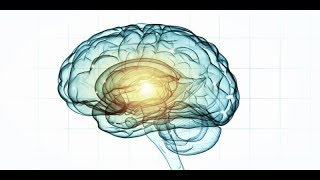
This is an excerpt from a YouTube seminar introduction titled "Harnessing Neuroplasticity to Promote Intimacy and Heal Trauma," presented by Dr. Allison Broennimann with objectives read by Dr. Jennifer Sweeten. The course is aimed at clinicians and therapists (including generalists) who work with trauma and focuses on: (1) neurological processes underlying trauma and resilience; (2) distinguishing and sequencing top-down versus bottom-up interventions; (3) practicing at least four experiential, attachment/alliance-based tools; (4) understanding how trauma is triggered in intimate and therapeutic relationships; and (5) using mindfulness techniques (both body-based and cognitive) to promote resilience and post-traumatic growth.
Questions this video answers
Five.
Chapters
Okay, so welcome. This class is titled Harnessing Neuroplasticity to Promote Intimacy and Heal Trauma. It is designed specifically for creating unique interventions for clients. And so it's really targeted at individuals who are already working in therapy with their clients or plan to start focusing their therapy practice on working with trauma. Or as we all know as clinicians, almost every individual presents and has some form of trauma that they're working through. So it's also really beneficial for generalists as well. So interventions you feel comfortable implementing are just as important. So much is happening in each moment with your clients, and there's always a unique way to engage with both the resilience and trauma symptoms within these moments. When a clinician becomes really clear on what the top down versus bottom up approaches are, it can really take your therapy to the next level. And what do we mean by this? It means that you're going to experience greater connectedness in your sessions, more effective treatment, and a real freedom of ease moving back and forth between the top down and bottom up approaches. And this is important for the actual integration of trauma. And so this course has several objectives which I'm going to hand over to my colleague, Dr. Jennifer Sweeten. And we just want to welcome you.
Okay. So the objectives for this course are the following. First is to list at least three neurological processes associated with experiencing trauma and those that aid in developing resilience after trauma. The idea here is that if we understand the brain basis or neural basis of trauma and resilience, and that tells us something about the types of techniques or interventions that might help clients heal after trauma. The second objective for this course is to define both top down and bottom up processing and intervention approaches, understanding at least one way in which they differ. That allows us to then come up with a better conceptual idea of how to treat trauma, specifically an order of operations that's going to be critical when we're doing trauma treatment. So knowing when to do what with whom can be really important. It can really make the difference between a client getting better or remaining sick. The third objective for this course is to learn and practice at least four experiential tools and techniques that facilitate a client's access to the resilience or symptoms. And these are really attachment based, alliance based techniques that I really think make up the heart of this course. So I think a lot of courses will tell us about how to do things like a breathing exercise or a type of cognitive technique, and those are very important. But of course we know that the biggest predictor of recovery and the biggest predictor of treatment success is the therapeutic alliance. And although we emphasize that in our training, we don't get a lot of guidance on how exactly to do that. So we're going to present some really solid, really concrete tools that help you do just that, which is going to be really important when you're working with trauma, but especially complex or developmental trauma. The fourth objective is to describe how trauma might be triggered within the client's intimate relationships and also the client provider relationship. Of course, thinking about that therapeutic alliance and that relationship as a sort of microcosm or micro example of what their relationships might be outside of session. So the idea here is that if we can really strengthen that therapeutic alliance, we can also help them generalize that health and that trust, that closeness and relationships outside of the therapy office. Finally is number five. The fifth objective is to utilize mindfulness techniques that promote resilience and post traumatic growth. So we're going to be talking about both some bottom up mindfulness techniques that work through the body to change the brain, and also some that have some cognitive components which also help strengthen some top areas of the brain, allowing clients to think more, be less reactionary, less impulsive, and to feel more like themselves.