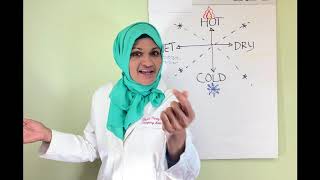
A clinician-led YouTube presentation by Dr. Shabana Parvez describing in-clinic pain-relief services. She explains and demos multiple non‑invasive therapies: a high‑speed vibrational massager (HSVt) for trigger points and frozen shoulder; red‑light cold laser (photobiomodulation) for acute and chronic injuries; an infrared lamp; and both wet cupping (hijama) and several dry cupping protocols including magnetic/acupressure cups and reflexology. She gives practical details (typical durations, session counts) and reports clinical benefits such as rapid pain relief, improved range of motion, detoxifying/inflammatory effects from wet cupping, and gut/immune benefits from abdominal cupping.
Questions this video answers
About 400 hertz.
Usually either 10 or 20 minutes per session.
A minimum of five sessions (often every day for five sessions).
Usually about 20 minutes total, depending on number of cups used.
Chapters
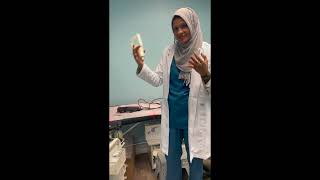
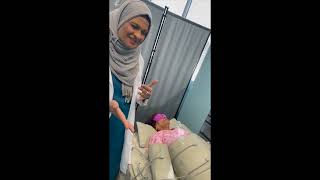
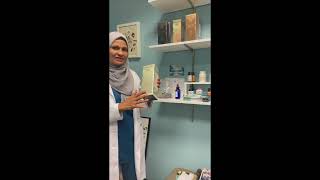
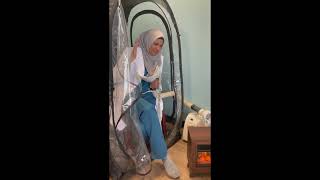
In this room we do a lot of our pain relief sessions and our cupping. So I'm going to show you some of the things when you sign up for a pain relief session. There's several things I can offer depending on what your needs are. One of them is this rapid release massager. This is a very high, it's called high speed vibrational therapy hsvt and it has four or five different heads. It's extremely high powered and what it does is vibrate. It's not a percussion like a lot of the common massagers that you buy. It's not pounding, it's very, very vibration. And the vibration is about 400 hertz. And that actually was tested and researched to be the frequency that actually helps give the tissues and the muscles and ligaments a signal to heal. Okay, so this, when we do a therapy of this, a lot of times it's really good for trigger points. It can do like in 30 seconds to two minutes, the equivalent of half an hour of manual massage, working out trigger points and stuff. So it's extremely powerful, effective. And I've used it on patients for, with like frozen shoulders who have trouble, you know, it even in one treatment, it can relieve and give you range of motion that you haven't had for weeks or months. Several treatments are usually necessary for this. Over here we have our laser, these are our red light laser therapy. And usually when you have it on, we'll have the door closed and you wear glasses to protect your eyes. This is a cold laser. It's also called photobiomodulation. Most light therapy is called photobiomodulation. And with this we also can go over the area. We have different power levels that we can set it for, different timing. Usually it's either 10 or 20 minutes therapy. And this helps acutely for pain relief as well as for chronic injuries. So it can really help ligaments and muscles heal. There are different actually protocols that we can use for even other things like constipation or sciatica. So it's acute and chronic pain. It really rapidly speeds the healing of injuries. I used it on my sprained thumb one time and it rapidly got the pain away much faster than I expected. And also it can. The best way this works is really with like more frequent use, like every day for five sessions, usually a minimum of five sessions. For a chronic injury especially, it does have immediate pain relief. What it does, the heat, similar to some of the other therapies for the infrared. It goes into the cells, it stimulates the mitochondria it increases the number of mitochondria as well that are in the cells. And again, it stimulates the reactions that will help with healing. It does obviously increase circulation. There is some warmth. Most people don't really feel it very hot because we don't keep it on one spot the whole time. We do slowly move it around so there's that. And then a lot of times I will have people end up with this lamp just kind of warming over their affected area. This is an infrared la well, but it has some clay plates in here. And similarly similar to the mats, when this is heated, it gives off negative ions and it gives off like heating rays that help, that help with the pain, with acute pain. And then other things we do in here are cupping. So there's two kinds of cupping. We do wet cupping, which is called hijama, and dry cupping. So for the wet cupping we use disposable cups and a sterile, sterile scalpel. Wet cupping and hijab has been around for thousands of years. China, India, they have different versions of it. And before it used to be done with horns, you know, that were hollowed out. But now we have more sterile, clean ways to do it with these disposable cups and a vacuum suction. And so the cups are applied at different points on the body that sometimes correspond to the internal organs and, or the acupuncture meridians. And they can also be applied on the part of the body that actually hurts directly. But the suction is applied, skin is pulled up in here for a little bit and then we take it off. We clean with iodine and then do very small little cuts with the scalpel and then put the cups back on. Whatever blood is going to come out will come out in the cups with a natural suction. We don't leave it very long. The whole procedure is usually about 20 minutes, depending on how many cups we do. And the majority of people right after this feel much lighter. It actually pulls out kind of like toxic blood. It can actually attract inflammatory substances to the skin under the cup. So when we cut it, inflammatory substances and the pain causing substances can come out and people often feel a lot of relief. Some people need only one session, two or three sessions, depending on how many body parts they want or if they're doing something acute. It can be used for migraines, sciatica, neck problems. Just generally detox. It's a ancient practice as well. They've been used as detox, you know, like twice a year. You can do it spring and fall as detox. These Cups I also use for my dry cupping protocol, some of them for the back, for opening up the chest when you have a cold. I have dry cupping protocols for the abdomen. A special protocol that we do on the abdomen, which helps a lot with bloating, gassiness, helps stimulate your immunity too, because a lot of your immune system is in the gut and it helps, you know, with constipation. So it's also, it's also very relaxing. So that's another protocol we do here. And then other dry cupping protocols, I use cups like this, different sizes. These are called Bhagwanpa cups. And again, these I have a protocol where it's a full deep biomedical massage with cups of this kind as well as these, these cups and, and larger cups like this with magnets. So the positive and negative magnets kind of help align your body's electromagnetic field up and down your spine, all along your nerves. We put all these cups on your back. It's very deeply relaxing. And then we do a reflexology massage on your feet and a detox with castor oil and reflexology on your feet with these little ones. These small cups are also magnetic and they're called acupressure cups. So instead of acupuncture, you can actually put them at the acupuncture points or wherever for in a grid formation for acute or chronic pain over joint or to stimulate points for decreasing nausea or wherever. It's not acupuncture, but it's acupressure. They're all magnetic. And I also have cupping protocols for pain where we use different cups of these for plantar fasciitis to loosen up the tissue and just really to again loosen it helps loosen the fascia and the muscles. All very deeply relaxing. So all these therapies are non invasive but very effective for chronic acute pain healing, detox.