Building your professional brand
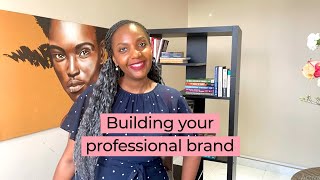
A short YouTube presentation by Dr. Natalie Bititeri aimed at office professionals and career-development audiences on intentionally building and managing a personal/professional brand. Covers why branding and reputation matter (networking, recommendations, promotions), practical steps to be intentional about online and offline alignment, using LinkedIn effectively, cultivating traits/mentors, increasing visibility within the workplace, and maintaining consistent behavior to open career opportunities.
Chapters
Hi, I'm Dr. Natalie Bititeri and today we are talking about branding for office professionals. So this is for career development people. I know you might not think you need to know anything about branding, but it's not only for entrepreneurs or for marketing or for companies. How you brand yourself is really important, especially in this day and age. We live in such an online time where everyone can be searched, everyone can be Googled, people have social media profiles. And I think it's a good thing for your professional brand because it's a way that you can be intentional about putting your reputation out there and it can bring you different opportunities, grow your network. There are lots of benefits. So let's talk about the benefits first. Actually, if you have a reputation that precedes you, that's how you get recommended for things. Whether it's a promotion, it's a new job, it's a training, it's a client, it's something exciting in your career that you are looking for. It's another human being that's going to recommend you for that or that will think of you when it's time to nominate candidates or will appoint you on a board or will say, this person I've worked with from this organization, I really vouch for them, they're a good relationship manager. Let's give this company a try. There are small things like that and how you manage your personal brand and your reputation is what opens those doors for you. So there are different ways that you can execute this and there are different ways you can put your brand out there. But like companies like entrepreneurs have to manage their own brand. You have to first be intentional about your brand. Who are you and what do you want to represent? You have to be aware about it. I'm always encouraging younger people to watch what they post on social media, especially about themselves, because this stuff can be searched. If someone goes through your history, will they find stuff that's not in alignment with the ethics or with the brand or with the job that they're applying for? You don't want to do that to yourself. So you want to think about what kind of person you are trying to put out there and what kind of person you're trying to be. Of course, you live up to that every day and then that's what you project. If we're doing it online, let's say online, it's the same way you project yourself in an interview, right? Or if you are up for any kind of opportunity, if you are writing a grant or if you are applying or trying to Bid for something, you have to put your best foot forward, right? So just think about it like that, but for yourself. This, for example, is my personal brand. This is my brand and my page. I'm not saying you have to go as far as doing things like this, but it helps if you're intentional about what you're putting out there and you're showing. These are the areas of my expertise, these are my skills, this is where I feel comfortable, this is where I can add value. When it comes to your professional brand, I really recommend LinkedIn. LinkedIn is like Facebook or Instagram for busy people, for career people, for people who want to grow their network, to grow their knowledge within their workspace. So make sure you have a LinkedIn profile that's accurate, that's clear, that's professional, and that you use it. You follow the useful accounts, you follow thought leaders in your field, you follow, you make sure you're commenting, you're adding value, you're learning new things just by being on that platform. It's a super useful platform if you ask me. It helps manage your other social media brands as well. But depending on the sector that you work in, at least LinkedIn is really good for professional stuff across all sectors. If you work in more like media or marketing, then it's useful to have a brand on the other pages as well. But as a career professional, you might want to keep the other brands for your personal life. But the way that you put yourself out there needs to be in alignment with your reputation. If someone sees the way you comment on LinkedIn or the way you describe yourself, or the way someone else has made a testimonial for you or talked to you or interact with you. It should reflect when they call your workplace for a reference, or it should reflect when the client is actually dealing with you. Oh, my goodness, they were so great on LinkedIn. What is going on in real life, you want those things to be in alignment and that's managing your reputation. This is something that we're all aware of and all being taught. But I think it's new to think of yourself as a brand. It's something that I feel like I've been learning for a long time. My father always used to say this. He's like, he's built his name as a brand so that you can associate his name with a certain level of quality or of customer service or with whatever products that Simba Group is putting out at that moment. You know that if it's with our name, there's a certain level of attention and care that's been put into it. So he cultivated that for himself. And he always used to tell me, don't spell my brand, don't ruin our brand name, because I use the same name as him. So you have to think about it like that. And these are our personal brands that we've built and we put out there in the public. Yes, we are much more out there because we use it as a tool for marketing for all our businesses. If you're an entrepreneur, you can do that as well. But I'm trying to specifically focus on people who have careers. For example, if you work in Simba Group, you a really big group. So sometimes someone will have to go across to a different company and interact with someone else. And all companies, all organizations, people talk, right? So if you work for sky, for example, and now you're being sent to interact with a manager at Simba Telecom on a project, they should hear only good things about you. They should be able to ask their friends and colleagues and say, oh, who is this person? What do they like to work with? And they have good things to hear, like having a good reference. That's your reputation, but now that's your brand. If you're proactive about your brand and managing your reputation in your workspace, then people will speak about you in an authentic way and it will be in alignment with the way you behave. So think about the characteristics and traits that you are trying to be. Look at your mentors, look at the people you respect or you look up to. How are you embodying those traits? Who is the person you are trying to be? Because if you say, one day when I'm 40, I'll start to behave like this. I'll start to put out this for my brand. That's when I want to be on a board or the. That's when I'm going to have to apply for another job. Then it's too late. Because what you're doing today is affecting your brand tomorrow. And I'm always saying this. Your reputation is in rooms where you are not. It reaches places ahead of you. So you want to be able to cultivate that proactively. That's how you're going to grow your network in a positive way and then find yourself being introduced to people who are going to open doors for you, who are going to offer you opportunities, who are going to support you. By the time you ask a mentor to mentor you or you're spending some time with someone, they can ask about you, they can check your references, they can search you on Google and they will see positive things that reconfirm what you have already told them, what you're showing in your character, in your work ethic, in your integrity, in the way that you behave, in your skillset, in the way people trust you and engage with you. So it's about building that brand for yourself and taking it seriously. Because if you're not proactive about it, you're just doing your job well. Unfortunately, it's the people that are visible that get ahead in life. So visibility is such a big thing for your career, especially if you're working in a system where you need to be moving up. You're always going to be competing with your colleagues for limited opportunities, whether it's a training or a degree or a project or something to be in charge of or a promotion. They are going to be other candidates and you want to stand out. You want the superiors or the people who make that decision to think of you and, and associate you with the positive qualities that they're looking for in that candidate. So the best way to have that is visibility. I'm not just saying only post on LinkedIn, but even visibility in your office, in your company projects, in the way that you interact with people at lunchtime, in the way that you interact on emails. You have to cultivate your brand and keep reminding yourself, is the way I'm behaving in alignment with my brand is the way I'm behaving in alignment with my values. And make sure that you stay doing that so that it all lines up and that way it's quite confirmed and those doors will open for you. So think about your brand as a person. Who am I as a person and who. What am I putting out there? That's your brand and that's something you can cultivate to improve your chances and to improve your opportunities. So to go further in your career. If you found this video useful, be sure to subscribe on my social media channels so you can get more information. I believe in you. I want you to succeed and I'm here to support you.










