Chiropractic Coaching Tips | Are Your Batteries Included?
Dr. Vince Leone coaches chiropractors on building thriving practices through four mindsets: delivering massive value, taking full responsibility, surrounding yourself with growth-minded peers, and closing the gap between where you are and where you want to be. He covers everything from refining your ad copy to optimizing patient touchpoints.
Chapters
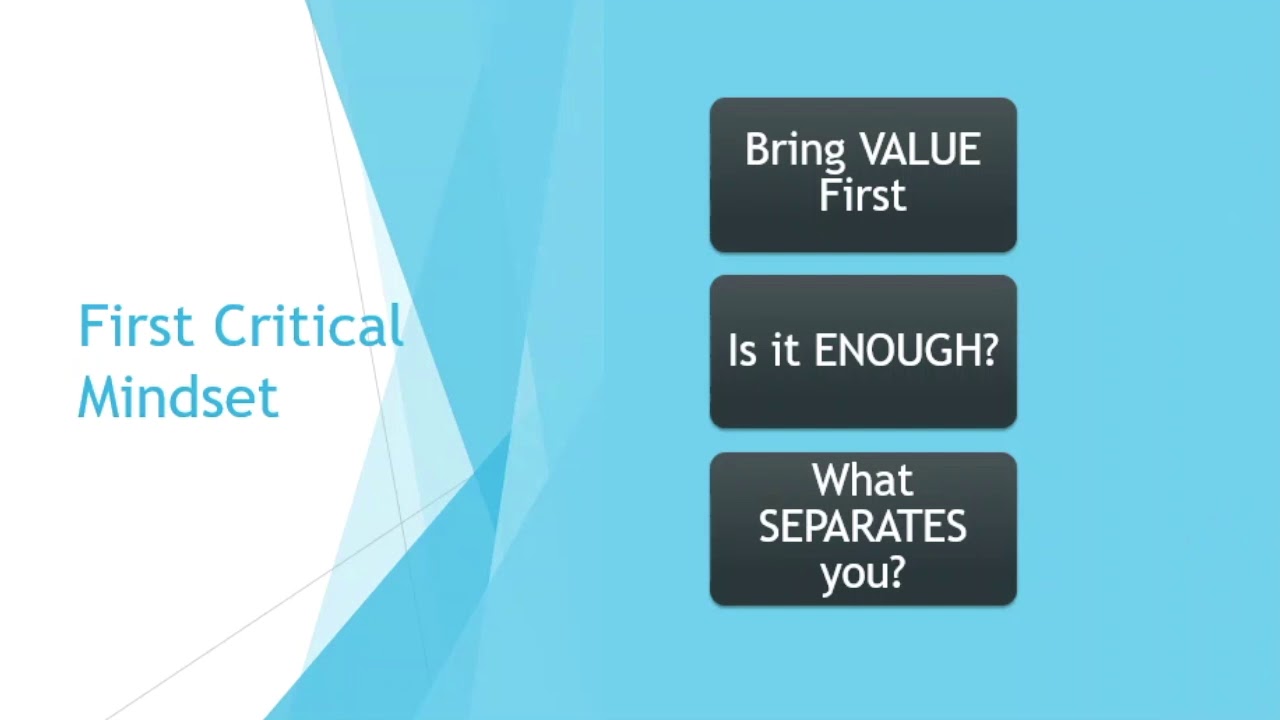
Hello and welcome to Dr. Vince Presents, and I am your host, Dr. Vince Leone. And this is the show for doctors looking to leave a mark on their community through building a practice and a life of integrity, wealth, and leadership. I'm happy that you're here, and once again, it's time to build your legacy. This episode is brought to you by Niche Mastery, a high-level consulting program for doctors who specialize in spinal decompression and peripheral neuropathy. Find out more at www.nichemastery.com. And now, on with the show. Hello everyone, Dr. Vince Leone here, and welcome back to Dr. Vince Presents. This is episode 7, titled Are Batteries Included with You? And we are going over mindsets today, and this episode is all about mindsets. What are they? What are some critical ones to develop? And not to sound harsh, but if you, you know, before you turn off this episode, just understand that if you're not where you want to be, this is most likely the cause. If you read books about millionaires and billionaires, 9 out of 10 of them will not talk about just, you know, hard work and all that type of stuff. They got their mind right. Okay. And so that's why it's so critical that we do the same. And first, what the heck Is mindset, right? So very broad description. It's, it's how you look at the world, you know, uh, and I'm not talking just glass half full, but, you know, how do you look at your practice? You know, uh, do you look at chiropractic and say, oh my God, this is a tough industry, man. There's physical therapists that now have a doctorate license. Medical doctors talk crap about us. Surgeons hate us. I mean, um, or do you look at it like You know, hey, what a phenomenal profession. We have so much to offer non-invasively, drug-free. We get people out of pain, we change lives, we can change, you know, whole conditions like neuropathy or disc conditions, fibromyalgia, thyroid, you know, you know, get people recovered from car accidents so they don't have long-term issues like so many people do. You know, it's like How do you look at the industry? You know, so it starts with your broad view of the world, right? Is it a great place? You know, are you in a land of opportunity, which you are? Do you know, is money everywhere? Is our patients everywhere? Are people like typically good? You know, do you default to that, or is it the opposite? Is it like You know, this industry sucks, my town sucks, no one wants chiropractic, everyone wants PT now, or they wanna go to their massage therapist, or they wanna just stretch, or they don't have any money. They don't even wanna pay for their copay. No one's gonna write me a check for $5,000 if I wanted to do neuropathy or decompression. So those are the fundamental differences, right? The clearest way to kind of— you probably know where you're at, right? And like, you know, how you look at your practice. I mean, doctors— I'll go on LinkedIn and I saw a doctor who— what was he doing? It was like he was like working at the vitamin shop. I swear to God, he was working at a vitamin shop. I don't know if it was the vitamin shop, but it was a supplement store. And you know, maybe he owned it. I mean, that would be phenomenal if he owned it. Then okay, then all was forgiven. But I don't think so. He said he had just gotten a job. And look, nothing—I'm not meaning to talk crap about the dude because obviously he's in a bad place in his life because he couldn't get a practice to work. But that's really sad. You know, you spend all this money, time, effort, energy on accomplishing your degree. And then, and then you're not able to make it work, right? And so it all starts upstairs. And, you know, and then finally, how do you interpret events? And this comes down to it's like, you know, my CA bailed on me suddenly last week. Well, hey, how are you gonna look at that? 2 ways, right? One, holy cow, my office is in turmoil. I don't have anyone to answer the phone. It's ringing off the hook. You know, no one's scheduling my patients. The other way to look at it is maybe she was a freaking nightmare to your patients. Maybe she was stealing from you and she left before that you could find out. Maybe the phone's ringing off the hook because they know that she's not there. I had this one, this one doctor who had, you know, had a front desk CA, main CA, like office manager CA for 20 years. And finally she just up and quit. She said, I've had enough. Well, the 2 weeks later, patients started coming back in and they're like, did you fire her? No, she quit. Thank goodness, because she was the worst. She treated us so badly, I didn't even want to come in here. I really wanted to see you, but I did not want to see her, right? So it's how you interpret events, and this can be very challenging, right? If you have a health issue or, you know, a family issue, you know, a spouse issue, you can interpret things very differently, right? And, you know, again, this takes an extremely strong mindset. And the point being is there is nothing, unfortunately, to be gained by moping and feeling sorry for ourselves. The only thing that can be gained from a bad, you know, quote unquote bad event or something that seems negative is to really take it in and do the best thing possible with it, which is learn from it, And make changes so that, you know, it either doesn't happen again or that you're better off after it. You know, that's, that's, that's all we can do, right? None of us are perfect. All we can do is, you know, when we get a curveball, is just do our best, you know, and how you interpret it. You know, for me, you know, I was 30 years old, I was having the time of my life in Hollywood making movies, and I got thyroid cancer. And trust me, at the time I was not happy and I was definitely feeling sorry for myself, but I made a decision that, you know, it seemed like I was in the wrong space. You know, I was maybe having a little too much fun and, you know, that's when I decided to go into chiropractic. So how you interpret events is another part of the mindset. So here's the first critical mindset is bringing value first. So when we say that, and it's not just, you know, having your degree. Well, hey, I'm a chiropractor, you know, I'm a doctor, I am bringing value. Yes, you are. But there are a million chiropractors and there's a million physical therapists and there's a million massage therapists. And so it's like, are you bringing value first? Do you have the mindset? Yeah. That you are going to bring value first, and is it going to be enough, right? So, you know, are you going to separate yourself enough in the, you know, community's mind that you're worth going over someone else, you know? And if— and you got to just be honest with yourself. If you're doubting that you are, and you look around your office, and you look at your staff, and you look at yourself, and you're saying, Well, maybe not. You know, maybe it's not. If you have a doubt, then you need to go back to the drawing board and say, how can we improve? Okay, how can we improve our advertising and marketing so more people know what separates us? What does separate you, right? That's where you want to start actually is what does separate me? You know, am I excellent with pediatrics? Am I excellent with nutrition? Am I excellent with rehab? Like, what are you excellent at? And what are you bringing? Like, that's what you're bringing. That's your value. That's what you are so much better than everyone else. So that's what you need first is what are you excellent at? What is that massive value that you're bringing and offering to your community? Right? Then you go into your advertising and say, okay, so I want to focus on this, you know, every advertising avenue. And that could be a card. It could be a business card. It could be a handout to patients. It could be your new patient letter. It could be your Facebook ad. It could be your radio ad. It could be your TV ad. It is going to be talking about what separates you. Why should someone come to you and then let the chips fall where they may, right? Because you will attract the type of people that are like-minded. If you're just awesome with pediatrics and that's your passion, that is going to resonate with moms and dads, right? And so those people will be attracted to you one way or another. And I'm not saying attracted like woo-woo in, you know, the universe. And there, dude, listen, there is a degree of that if you think about quantum physics and that everything is just matter. And, and it's actually, you know, it's a— it's not, it's not a desk, a chair, a tree, or a human. It's actually all just matter and it vibrates at different rates. So there are, you know, there's a definite conflict these days between classical physics and quantum physics, right? So The thought being with that, and not to go off too much of a tangent, is that we can influence outcome by what we are focusing on, right? Because of that vibration of matter. So if you believe that, if you don't believe that, if you don't believe that, then just all you have to think of is like, hey, how am I going to influence this? I'm going to influence it by creating or identifying what separates me, and then I'm going to put that out there as a message so that I attract the people that I most want to work with. Okay, so that's your first critical mindset is bringing massive value and then getting that message out. And then it's like, you know, then you look at the other parts of your practice. Hey, how are people? What is the very first impression people get when they visit my website or call my office? And then you make that excellent. What's the very first thing they notice when they come in? Does it smell great? Does it look great? Do they get a cookie? Do they get offered water, coffee, tea? You know, what is it? And you just go A to Z through your practice and sit and like, how do you make these experiences for patients? What does the bathroom look like? What does it smell like? What is the toilet paper like? Is it soft or is it, you know, scratchy? Is it good soap that they wash their hands with or is it crappy soap? Is it a cool sink that they're washing their hands in or is it a piece of crap from Home Depot? And you're like, Dr. Vince, that's a lot of work. No shit. You're in business, okay? And you're in competition, so get used to it or get out. And I don't mean to be harsh, but this is the reality. And if you're, again, if you're not where you want to be, you need to start thinking about these things. Okay, let's move on. Second critical mindset, you are 100% responsible for all your results in life. So the government's not going to take care of you. Your wife's not going to take care of you or your husband. Your parents aren't going to take care of you. No one, none of those options are on the table. You are 100% responsible for everything that happens in your life. So, if we're just talking business, you know, I hear doctors complain, oh man, a chiropractor had the balls to move into the same business park as me. You know how many chiropractors are in our business park? 12. 12 in our business park. We have 2 big-ass buildings, right? Each 10,000 square feet. And there's other businesses in them, but there is 3 practices. And we have 12 chiropractors. And you know what? We're all successful because we don't give a shit about the other people. We're all doing different things. One guy does accident injury, one does upper cervical, one does what we do, decompression and neuropathy. And we all do chiropractic, right? We're all going to treat chiropractic patients. We're all going to treat, you know, work comp or PI if it comes in. But we have our specialties. And you're like, well, well, Dr. Vince, then that only works because you have your specialty. BS. It works because we made a specialty, because we separated ourselves. Okay, we are 100% responsible for all the results in our life. You— that you have got— that has to be the number one thing. If you don't believe this, write it down and stick it to your forehead until you believe it. Write it on the mirror in your bathroom, put it on the desktop screensaver, put it on your phone. You are 100% responsible. Until you believe that, You will always be a victim, right? Because if, if you don't feel that you're 100% responsible for every result that you get in your life and every result that you get in your practice, then you're out of control. Someone else has the wheel. Do you want someone else to be holding the wheel of your life? I don't think so. Okay, so you are 100% responsible for every result in your life. So wrap your head around that and love it, because when you do— When you embrace this fully, that is when things start to make a lot more sense. You get a lot more confidence, right? Because now you're holding the wheel of your life, which is cool. Third critical mindset, your community. Who are you hanging out with? Okay, very common thing. I'm sure you've heard of it, that we are average in— like, our income is the average of the 5 people that we hang out with. So who do you hang out with? Right. Are you hanging out with old buddies from high school who still go out on Friday nights and drink till 2? Are you hanging out with, you know, some, I don't know, Negative Nelly, even if it's your parents? Are you hanging out with your parents and they're, you know, super critical, super negative, think you never should have went into chiropractic or whatever? You know, who are you hanging out with? Because who you hang out with, they are going to bring you down. If that's the case, if you're hanging out with people that are doing things that you know you should not be doing as a professional doctor, then you need to cut them out or at least severely limit your time with them. Okay, I still have friends that party their balls off, and I don't choose to do that. I'm 44 years old. I don't want to— I don't want to drink till 2 in the morning. I don't really want to drink much at all, frankly, these days. You know, I'll have a glass of wine once a week these days, but that wasn't always the case, you know. And unfortunately, I wish it happened sooner, but, you know, I used to still drink and, and go out and have a good time and feel really fuzzy on Sunday morning. And that's not fun, you know. It's like your kids, you know, your kids don't deserve you to be hungover the next day. So, you know, so that's one change that I made. Who am I going to be hanging out with? And another thing is I focus on, hey, who else is really interested in business building? Who else is really interested in developing a personal mindset? Who else is really interested in like making a lot of money? Who else is really interested in, you know, having a great family life? Who else is really interested in developing spiritually and being involved in the church? It's like those are the people That you want to seek. And it doesn't mean you're going to find them tomorrow. It just means that you are looking for them and then you slowly bring them into your orbit if they fit. Right. It's your life. You get to choose who you hang out with. So how do you find them? Look, first of all, you figure out who you want them to be. Right. And then, you know, if it's a business-minded thing, it could be on Facebook. There's a million different groups on Facebook about Every aspect of chiropractic, you know. I mean, it's just, it's crazy how many groups there are. But anyways, that's one option. It could be through your church. It could be through a small business association in your community. You could just reach out to all the business owners in your community and just take them to lunch, and you'll know right away whether you resonate with them or whether they are resonating where you want to be, if you're not already there, you know. So those are some options, but you got to start digging, and then you got to surround yourself with them. And if you can't find them for whatever reason, even though I know you can, then you just start spending time alone, right? Writing, reading, developing yourself first, and then they'll come. They will come if you want them to. If you, if you're, if you're really, really seeking it out, you will find them. Okay, let's move on. So 4th critical mindset, mindset, um, this, the, this is called the gap. Okay, so where you are now and where you want to be is what we call the gap. So where you are now, that person— and if— okay, so, and by the way, this is for people that are not where they want to be, right? They're not making the money they want to make. They're not, you know, they don't have the practice, the volume of practice that they want to be at. They don't have the family life that they want to be at. That's where you are now, right? So where you want to be, first you need to define that. Right? I mean, look, anyone can get on a plane, but are you going to get to your destination? So first you have to design where you want to be. What does your family look like? What does your practice look like? What does your income look like? What does your investments look like? What is your— on and on and on until you've designed your life. That's where you want to be. Then, then you have the gap, right? Because you know where you're at now. Okay. You know what your income is. You know what your family life looks like. You know what your house looks like. You know what your car looks like. And then you know where you want to be. What your house looks like, what your family looks like, what your car looks like, what your practice looks like, what your income looks like, what your retirement portfolio looks like. That's the gap. And then you've got to figure out what type of person is worthy of accomplishing all those goals. Because I'll give you a little secret, it ain't you right now. And that's okay. That is okay. But you are not 100% not going to achieve all those goals being the person that you are right now because you're not the person worthy of accomplishing them. So you got to figure out, you got to make a to-be list. So then you figure out like, okay, so who is this individual? What does he look like? You know, what time does he wake up in the morning? Does, you know, does he outline his day? Does he write his goals? Does he— how does he look? How does he dress? How does he speak to his wife or spouse? You know, how does he shave every day? What does his hair look like? Does he work out every day? Like, is he, you know, is he reading every day? And what is he reading? And is he, you know, learning about finances? It's like, what does that person look like? What skills would that person need to be like? In other words, if you want to— if you're making $20,000 a month right now in your practice and you want to make $100,000 a month in practice, What does that doctor look like? What does a doctor that makes $100,000 a month look like? Do, feel, think, you know, write it down. That's your to-be list. And then start working towards it. It's, it's not super complicated, but a lot of people just don't talk about this, right? They think, oh, we're gonna have a positive, positive mental attitude, and we're gonna take massive action. And it's just like, Wait, hold on a second. First of all, I'm totally into the positive mental attitude, and I'm totally into the massive action, but let's back up and figure out where we're going, right? And then first, and then second of all, realize that we're not worthy yet, right? We're not worthy yet. We are worthy of, you know, some things, but we are not worthy of having all these goals and dreams and accomplishments yet. And that is okay, right? Because this is all a muscle. You know, life is a journey, and that's, you know, the dumb old cliché: it's not the destination, it's the journey. But it is the journey, and you have to learn to enjoy the journey, right? And the climb and the struggle and the setbacks and then the accomplishments and the Skills that you learn. Like, it is a game. And the sooner that you start looking at it like a game, the better it is, because it becomes a little more— it's just more interesting that way, as opposed to like, oh man, I can't pay my rent, or I can't buy this house, or that I really want that Porsche, or whatever it is, you know. So, and this is the ultimate mindset, right? You're 100% responsible for developing the mindsets necessary to achieve your goals and dreams. Right, does that make sense? So this is the all-encompassing one. You, you, you, no one else is going to develop your personal mindsets. You know, no one else is going to develop how you think, how you wake up in the morning, how you view, um, you know, everything from, you know, whether patients showed up to how many new patients are on the books or to You know, even patient results or what's going on with your family. No one is going to come in and tell you what to do. And the best coaches, right, are not looking for someone with a crappy mindset. They're looking for someone that is already coming in batteries included. In other words, and that is why the title is the title of this episode, they— A consultant that, like for myself, I'm not looking to drag someone out of the gutter and change them as a person. What I'm looking for is someone that is inherently looking to improve and, you know, make big changes in their life and know that they don't have the answers. The individual who thinks they know it all and talks the loudest and has the smallest bank account, I have no desire to work with them because They're not there yet. Their batteries are not included. They haven't figured out the very basic tenet that if they're not where they want to be, it's because of what's going on between the ears, and they have to seriously rethink where they're at, what they're doing with their life, and that they need help, right? And it starts by just, again, coming back. Hey, I'm 100% responsible for how I think and look at the world. That's it. Okay, so I know this was, um, I got a little excited on this episode. Um, it may have been a little bit harsh, but this is critical, man. I mean, this is critical. So yeah, I was passionate, and that's okay in my book. So if you want to learn a little bit more about me and what I do, I have a neat— it's called Niche Mastery. It's a consulting program for doctors who focus on very specific niches. So that could be decompression or neuropathy, it could be functional medicine, it could be CBP, whatever it is you're focusing on a niche, I can probably help you because we take doctors that already have niches and we provide consulting that helps hone staff systems and doctors' mindset, and then we have advertising that really takes you to the next level through radio, TV, print, and of course digital. And so if you go to niche-mastery-vip.com, you'll see basically the opportunity for me to design a marketing blueprint for your practice based on some discussions that we have. So you can find that there. If you're a doctor that, you know, kind of at this point more kind of general in nature and you're looking to increase your revenue, go to leoneconsulting.co. And that is not a typo, it's .co, not .com. leoniconsulting.co. There is a report there, a white paper that I wrote called 3 Strategies to Increase Revenue in Your Practice. And there's some good ideas in there to start building up your income level. Okay, so hey, I hope this was helpful for you. And I, you know, I appreciate your time. Thanks for watching the show today. I'm Dr. Vince Leone, and I look forward to seeing you next week. And again, I hope this is really helpful. Don't mistake passion for anger because I get excited about this stuff. So anyways, thanks again. We'll see you on the next one. Hey everyone, if you like this episode, please subscribe to my YouTube channel and then like my Facebook page at facebook.com/DrVinceLeoneConsulting. Look forward to seeing you on the next episode.










